


White African Iris Seeds – Fortnight Lily – 25 Seeds – White & Purple Flowers
Original price was: 32.99 $.12.99 $Current price is: 12.99 $.
Cultivate stunning white african iris seeds, also known as fortnight lily seeds, for your garden. These beautiful plants produce white flowers with purple and yellow accents, blooming nearly year-round. Drought-tolerant and deer-resistant, they are perfect for zones 8-11 or as annuals in cooler climates. Each packet contains 25 seeds of Dietes Iridioides ‘Vegeta’.
Estimated arrival
Sep 19
Sep 24 - Sep 26
Sep 26 - Oct 01
See our Shipping Policy.
Get in touch with us via email, and our team will review your concerns.
Our Alive & Thrive Guarantee covers issues with your plants within the first 30 days. Read our Refund & Returns Policy.
-
USDA Hardiness Zone
8-11 -
Soil Type
Average, well-draining soil -
Sunlight Exposure
Full sun - Part shade -
Expected Planting Period
Fall / Spring
Overview
Discover the elegance and resilience of the white african iris seeds, a superb choice for adding continuous beauty to your garden. Also known by charming common names such as Fortnight Lily, Cape Iris, or Butterfly Iris, these seeds will grow into magnificent plants featuring striking white blooms adorned with delicate purple and yellow accents. Originating from East Africa, the Dietes Iridioides ‘Vegeta’ is celebrated for its abundant, showy flowers and graceful, evergreen, grass-like foliage. These plants are incredibly versatile, thriving in various settings from specimen plantings to borders, containers, and rock gardens. Their ability to bloom nearly year-round in suitable climates makes them a highly desirable addition, providing long-lasting visual interest and attracting beneficial pollinators like bees and butterflies.
These white african iris seeds offer an excellent opportunity to cultivate a landscape that is both beautiful and low-maintenance. The plants are remarkably tolerant of heat and drought, making them suitable for diverse environmental conditions, including coastal areas and arid regions. Furthermore, they boast natural resistance to deer and rabbits, ensuring your garden remains pristine. Whether you’re an experienced gardener or just starting, growing fortnight lily seeds promises a rewarding experience with spectacular results.
Key Benefits
Planting white african iris seeds offers a multitude of benefits for any gardener looking to enhance their outdoor space with minimal effort and maximum impact. These plants are not only visually appealing but also incredibly hardy and adaptable, making them a smart choice for various landscaping needs.
- Continuous Blooming: Enjoy beautiful 3-inch white flowers with purple and yellow accents almost year-round, from spring through fall, ensuring your garden always has a vibrant display. The nickname ‘Fortnight Lily’ highlights their consistent blooming cycle, with new flowers appearing approximately every two weeks.
- Drought and Heat Tolerance: Once established, these plants are highly tolerant of dry spells and hot climates, reducing the need for frequent watering and making them ideal for xeriscaping or low-water gardens. This resilience makes them a perfect choice for those seeking a low-maintenance garden solution.
- Deer and Rabbit Resistant: Protect your garden from common pests. The dietes iridioides seeds grow into plants that are naturally unappealing to deer and rabbits, helping to preserve your landscape without the need for chemical deterrents.
- Versatile Landscape Use: Perfect for a variety of garden applications, including borders, mass plantings, containers, rock gardens, or as an elegant specimen plant. Their neat, clump-forming habit ensures they always look tidy and attractive.
- Attracts Pollinators: The large, showy blooms are a magnet for bees and butterflies, contributing to the biodiversity and health of your garden ecosystem. Enhance your garden’s appeal to beneficial insects with these vibrant flowers.
- Easy to Grow from Seed: With proper stratification, these cape iris seeds germinate reliably, allowing you to cultivate numerous plants economically. Instructions for fall planting, cold stratification, and indoor/outdoor sowing are straightforward.
- Adaptable to Various Climates: Hardy in USDA Zones 8-11, they can also be enjoyed as annuals in cooler climates, brought indoors for winter, or grown as houseplants, offering flexibility for gardeners nationwide.
Plant Care & Growing Tips
Caring for your white african iris seeds from germination to mature plant is a straightforward process, thanks to their robust nature. These plants thrive with minimal intervention once established, making them a favorite among gardeners. For optimal growth, understanding their specific needs in terms of light, water, soil, and temperature is crucial.
Sunlight Requirements: White African Iris performs best in full sun to partial shade. In hotter climates, some afternoon shade can prevent scorching, but too much shade may reduce flowering. Aim for at least 6 hours of direct sunlight daily for the most prolific blooms. For those in cooler zones growing them as annuals or indoors, ensure they receive bright, consistent light.
Watering Schedule and Soil Moisture: While drought-tolerant once established, young plants from fortnight lily seeds will require consistent moisture to develop strong root systems. Water regularly, especially during dry spells, allowing the top inch or two of soil to dry out between waterings. Avoid overwatering, as this can lead to root rot. Mature plants are quite resilient and can tolerate periods of dryness.
Soil Type and Drainage: These plants are not particularly fussy about soil type but prefer average, well-draining soil. They can adapt to sandy, loamy, or clay soils as long as drainage is adequate. Incorporating organic matter into heavy clay soils can improve drainage and provide essential nutrients for your dietes iridioides seeds to flourish.
Temperature Range and USDA Hardiness Zone: White African Iris is hardy in USDA Zones 8-11. In these zones, they are evergreen perennials. In colder regions, they can be grown as annuals, brought indoors for winter, or their corms can be dug up and stored. They are tolerant of a wide range of temperatures but prefer mild conditions. Protect from hard freezes if growing in borderline zones.
Fertilization Schedule: Generally, these plants do not require heavy fertilization. A balanced, slow-release granular fertilizer applied in spring can encourage vigorous growth and abundant blooms. Avoid excessive nitrogen, which can promote foliage growth at the expense of flowers. For plants grown in containers, a diluted liquid feed every 4-6 weeks during the growing season can be beneficial.
Common Problems and Solutions: White African Iris is relatively pest and disease-free. The most common issue is root rot due to overly wet soil. Ensure proper drainage to prevent this. Occasionally, aphids or slugs may appear, but these can typically be managed with organic pest control methods or by hand-picking. The resilience of butterfly iris seeds makes them a low-maintenance choice.
Size & Details
Each packet contains 25 white african iris seeds, providing ample opportunity to cultivate a beautiful display in your garden. These seeds are ready for planting in the fall, or after cold stratification, can be sown outdoors after the last frost or started indoors weeks before the last frost. Once mature, these graceful plants typically reach a height of 24 to 36 inches with a similar spread, forming attractive clumps of evergreen, sword-like foliage. They are best spaced 24 to 36 inches apart to allow for their mature size and to ensure good air circulation. The large, showy blooms, about 3 inches in diameter, emerge on tall stalks and continue to appear nearly year-round in appropriate climates, particularly from spring through fall.
The growth rate of the White African Iris is relatively quick, allowing you to enjoy substantial plants even when grown as annuals. While individual flowers last only one day, the continuous succession of blooms ensures a long season of enjoyment. These cape iris seeds will develop into robust plants that are celebrated for their adaptability and striking appearance, making them a valuable addition to any garden or container planting. The seeds are provided in a protective packet, ensuring their viability for successful germination.
Frequently Asked Questions
- Q: How big does the White African Iris get? A: The White African Iris typically grows to a height of 24 to 36 inches (2-3 feet) and spreads similarly, forming attractive clumps of foliage and flowers. This makes them a good choice for various garden applications without becoming overly dominant.
- Q: Is this an indoor or outdoor plant? A: While primarily an outdoor plant, especially in USDA Zones 8-11, the White African Iris can be grown as an annual in cooler climates, brought indoors for winter protection, or cultivated as a houseplant year-round in a bright location.
- Q: How much sunlight does the White African Iris need? A: These plants thrive in full sun to partial shade. For the most abundant blooms, aim for at least 6 hours of direct sunlight per day. In very hot regions, some afternoon shade can be beneficial.
- Q: Is this plant easy to care for? A: Yes, the White African Iris is considered a low-maintenance plant. Once established, it is drought-tolerant and generally resistant to pests and diseases, making it an excellent choice for both experienced and novice gardeners.
- Q: What condition will the white african iris seeds arrive in? A: Your white african iris seeds will arrive in a protective packet, ensuring they are fresh and viable for planting. Detailed instructions for stratification and sowing will be included to guide your successful cultivation.
- Q: How long until it blooms from seed? A: While growth from fortnight lily seeds can vary, you can typically expect your White African Iris plants to start blooming within one to two years after germination, providing continuous flowers thereafter.
- Q: Will the White African Iris survive winter in my zone? A: The White African Iris is hardy in USDA Zones 8-11, where it will remain evergreen. In colder zones, it can be grown as an annual, or its corms can be dug up and stored over winter to be replanted the following spring.
- Q: Are these butterfly iris seeds deer and rabbit resistant? A: Yes, one of the great advantages of growing butterfly iris seeds is that the mature plants are known to be naturally resistant to both deer and rabbits, helping to protect your garden from common browsing pests.
- Q: What are the best planting times for dietes iridioides seeds? A: These dietes iridioides seeds can be planted in the fall for natural cold stratification, or they can be cold stratified manually and then sown outdoors after the last frost in spring, or started indoors weeks before the last frost.
- Q: Can White African Iris be grown in containers? A: Absolutely! The White African Iris is an excellent choice for container gardening, especially in cooler climates where it can be moved indoors during winter. Ensure the container has good drainage.
Be the first to review “White African Iris Seeds – Fortnight Lily – 25 Seeds – White & Purple Flowers”
Related products

Flower Seeds


You May Like
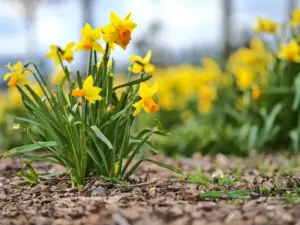
5 Best Bulbs for Fall Planting: Brighten Your Garden This Spring
Are you dreaming of a garden full of vibrant colors in the spring? The key [...]
Aug
How to Repot Houseplants Like a Pro
Do your houseplants look like they’ve outgrown their pots? Are their roots popping out of [...]
Aug
10 Houseplants That Will Thrive in Your Kitchen
Are you tired of your kitchen feeling dull and lifeless? Want to add a little [...]
Aug
Reviews
There are no reviews yet.