


1000 GEORGIA COLLARDS (SOUTHERN or Walking Collards) Collard Greens Brassica Oleracea Acephala Vegetable Seeds
Original price was: 32.99 $.12.99 $Current price is: 12.99 $.
Estimated arrival
Sep 19
Sep 24 - Sep 26
Sep 26 - Oct 01
See our Shipping Policy.
Get in touch with us via email, and our team will review your concerns.
Our Alive & Thrive Guarantee covers issues with your plants within the first 30 days. Read our Refund & Returns Policy.
“`json { “meta_title”: “1000 Georgia Collard Seeds – Southern Collard Greens”, “google_title”: “1000 Georgia Collard Seeds – Southern Collard Greens Vegetable Seeds”, “meta_description”: “Grow delicious Georgia Collard Greens with 1000 premium seeds. Perfect for southern cooking, these collard greens are rich in vitamins and easy to grow.”, “meta_focus_keyword”: “Georgia Collard Seeds, Southern Collard Greens, Brassica Oleracea Acephala seeds, collard greens vegetable, grow collards”, “categories”: “Vegetable Seeds”, “google_product_category_path”: “Home & Garden> Plants> Seeds> Seeds & Seed Tape”, “google_product_category_id”: “unknown”, “short_description”: “
Cultivate your own traditional Southern Collard Greens with this pack of 1000 Georgia Collard Seeds. Known for their robust flavor and high vitamin content, these Brassica Oleracea Acephala seeds are perfect for home gardens, providing a continuous harvest of tender leaves. Enjoy fresh, homegrown collards for all your culinary needs.
“, “long_description”: “
Overview
n
Embark on a rewarding gardening journey with our premium pack of 1000 Georgia Collard Seeds. These traditional Southern Collard Greens, scientifically known as Brassica Oleracea var. Acephala, are a staple in many kitchens, celebrated for their rich, earthy flavor and impressive nutritional profile. Whether you’re an experienced gardener or just starting, these collard seeds offer an excellent opportunity to cultivate your own fresh, healthy produce right at home. The ‘Georgia’ variety is particularly renowned for its vigorous growth and adaptability, making it a reliable choice for a bountiful harvest. Growing your own collard greens vegetable ensures you have access to fresh, organic produce free from pesticides and harmful chemicals, enhancing your culinary experience.
n
The Georgia Collard Seeds are specifically chosen for their high germination rate and strong plant development. Collard greens are a cool-season crop, thriving in conditions that might challenge other vegetables. Their dark bluish-green leaves are not only visually appealing in the garden but also packed with essential vitamins like A, B1, B2, and C, making them a superfood addition to any diet. This generous quantity of 1000 seeds provides ample opportunity for successive plantings, ensuring a continuous supply of fresh collards throughout the growing season. Learn how to grow collards and enjoy the satisfaction of harvesting your own delicious, healthy leaves.
nn
Key Benefits
n
Growing your own Georgia Collard Seeds offers a multitude of benefits, from culinary versatility to significant health advantages. These traditional Southern Collard Greens are more than just a garden favorite; they are a powerhouse of nutrition and a joy to cultivate.
n
- n
- Nutrient-Rich Harvest: Enjoy collard greens packed with essential vitamins A, B1, B2, and C. These vitamins are crucial for overall health, supporting vision, metabolism, and immune function, making fresh collards a valuable addition to your diet.
- Culinary Versatility: The robust flavor of these collards makes them ideal for a wide range of dishes. They can be steamed, sautéed, braised, or even added to soups and stews. They also freeze and can well, allowing you to preserve your harvest for year-round enjoyment.
- Easy to Grow:Brassica Oleracea Acephala seeds are known for their resilience and ease of cultivation. They are suitable for gardeners of all experience levels and can thrive in various soil conditions with adequate sunlight and water, ensuring a successful yield.
- Continuous Supply: With 1000 Georgia Collard Seeds, you can implement successive planting techniques, ensuring a steady supply of fresh leaves throughout the growing season. This means more fresh, organic collards for your table.
- Traditional Southern Flavor: The ‘Georgia’ variety offers the authentic, slightly bitter yet sweet taste that is characteristic of classic Southern Collard Greens. This heritage variety brings a taste of tradition to your garden and plate.
- Garden Aesthetics: The large, dark bluish-green leaves of collard plants add a beautiful, lush texture to your vegetable patch. They are not only productive but also contribute to the visual appeal of your garden space.
- Healthier Living: By choosing to grow collards at home, you have full control over the growing conditions, ensuring your produce is organic and free from harmful chemicals, contributing to a healthier lifestyle for you and your family.
n
n
n
n
n
n
nn
Plant Care & Growing Tips
n
Successfully growing Georgia Collard Seeds requires attention to a few key environmental factors, ensuring a bountiful harvest of healthy Southern Collard Greens. Collards are best planted outdoors after the last frost, or started indoors weeks before the last frost for an earlier crop. They generally prefer full sun, meaning at least 6 hours of direct sunlight per day, but can tolerate partial shade, especially in hotter climates where some afternoon shade can prevent bolting. When you grow collards, ensure they receive consistent sunlight for optimal growth and leaf development.
n
Collards thrive in average, well-draining soil that is rich in organic matter. A pH between 6.0 and 7.0 is ideal. Before planting, amend your soil with compost or well-rotted manure to improve fertility and drainage. Keep the soil consistently moist, especially during dry spells, but avoid waterlogging, which can lead to root rot. Regular, deep watering is more beneficial than frequent shallow watering. Fertilize your collard plants every 3-4 weeks with a balanced organic fertilizer to support vigorous leaf growth. These Brassica Oleracea Acephala seeds will produce plants that are relatively hardy, tolerating light frosts which can even improve their flavor. The ideal hardiness zone for these collards is 8-10, though they can be grown as annuals in cooler zones.
n
For pest management, keep an eye out for common brassica pests like cabbage worms and aphids. Organic pest control methods, such as hand-picking or applying neem oil, can be effective. Proper spacing of 18-24 inches between plants is crucial to allow for good air circulation and prevent disease. Harvesting can begin in about 75 days, by picking the outer leaves, allowing the inner leaves to continue growing for a prolonged harvest. This method ensures you have a continuous supply of fresh collard greens vegetable throughout the season. Learning how to grow collards successfully will provide a rewarding experience and fresh produce.
nn
Size & Details
n
This package contains 1000 Georgia Collard Seeds, providing an abundant supply for multiple plantings or a large garden area. Once mature, these Southern Collard Greens plants typically reach a height of 24 to 36 inches, with a spread of 18 to 24 inches, requiring ample space to develop their large, flavorful leaves. The seeds are ready for planting outdoors after the danger of frost has passed, or can be started indoors several weeks prior to transplanting. The harvest period for fresh leaves is approximately 75 days from planting, allowing for a relatively quick turnaround from seed to table. These Brassica Oleracea Acephala seeds are known for their reliability and robust growth habit.
n
The ‘Georgia’ variety is particularly vigorous, producing dark bluish-green leaves that are ideal for traditional southern cooking. The plants are well-suited for USDA Hardiness Zones 8-10, where they can often be grown as a biennial, but they are also widely cultivated as an annual crop in cooler regions. Given the right conditions, these collard greens vegetable plants will provide a continuous yield through successive harvests of their outer leaves. The seeds are shipped in a protective packet to ensure viability and are ready for immediate planting upon arrival. Knowing how to grow collards from these seeds will lead to a successful and rewarding harvest.
nn
Frequently Asked Questions
n
- n
- Q: How big do these Georgia Collard plants get? A: Your Georgia Collard Seeds will grow into plants that typically reach heights of 24 to 36 inches (2-3 feet) with a spread of 18 to 24 inches. This size allows for significant leaf production, making them a productive addition to your garden.
- Q: Is this an indoor or outdoor plant? How much sunlight does it need? A: Southern Collard Greens are primarily outdoor plants. They thrive in full sun, requiring at least 6 hours of direct sunlight per day for optimal growth and flavor development. In very hot climates, some afternoon shade can be beneficial to prevent bolting.
- Q: Is this plant easy to care for? Is it good for beginners? A: Yes, these Brassica Oleracea Acephala seeds are considered easy to grow and are an excellent choice for beginners. Collards are resilient and forgiving, requiring consistent watering, well-draining soil, and adequate sunlight to flourish.
- Q: What condition will the seeds arrive in? A: The 1000 Georgia Collard Seeds will arrive in a well-sealed, protective packet to ensure their viability and freshness. They are ready for immediate planting upon receipt, allowing you to start your garden without delay.
- Q: Can I use these collard greens in cooking? A: Absolutely! These collard greens vegetable are perfect for a wide variety of culinary uses. They are the traditional choice for classic southern dishes, excellent when steamed, sautéed, braised, or used in soups and stews. They can also be frozen or canned.
- Q: When is the best time to plant these collard seeds? A: The best time to plant Georgia Collard Seeds is in early spring after the last frost for a summer harvest, or in late summer for a fall/winter harvest. For an earlier crop, you can start the seeds indoors several weeks before the last frost date. This helps you to grow collards efficiently.
- Q: Will these collard plants survive winter in my zone? What’s the minimum temperature? A: Southern Collard Greens are hardy in USDA Zones 8-10, where they can often overwinter. They can tolerate light frosts, which can actually improve their flavor. In colder zones, they are typically grown as an annual and harvested before hard freezes.
- Q: How long until I can harvest the collard leaves? A: You can typically start harvesting fresh collard leaves in about 75 days from planting the Georgia Collard Seeds. By picking the outer leaves first, you can encourage continuous growth and extend your harvest season.
- Q: Are these collard greens high in vitamins? A: Yes, these collard greens vegetable are known to be very nutritious. They are particularly high in vitamins A, B1, B2, and C, contributing significantly to a healthy diet.
- Q: What type of soil do collards prefer? A: Collards prefer average, well-draining soil that is rich in organic matter. Amending your soil with compost before planting will help ensure optimal growth for your Brassica Oleracea Acephala seeds.
n
n
n
n
n
n
n
n
n
n
“, “key_features”: { “usda_zone”: “8-10”, “soil_type”: “Well-draining, rich in organic matter”, “sunlight_exposure”: “Full sun to partial shade”, “expected_planting_period”: “Early spring after frost or late summer” } } “`
Be the first to review “1000 GEORGIA COLLARDS (SOUTHERN or Walking Collards) Collard Greens Brassica Oleracea Acephala Vegetable Seeds”
Related products


You May Like
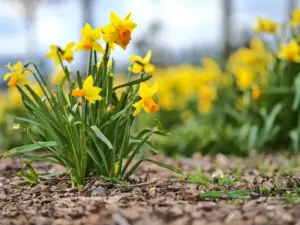
5 Best Bulbs for Fall Planting: Brighten Your Garden This Spring
Are you dreaming of a garden full of vibrant colors in the spring? The key [...]
Aug
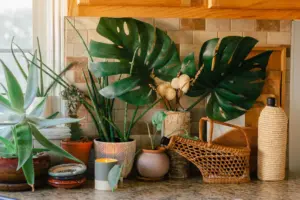
How to Repot Houseplants Like a Pro
Do your houseplants look like they’ve outgrown their pots? Are their roots popping out of [...]
Aug
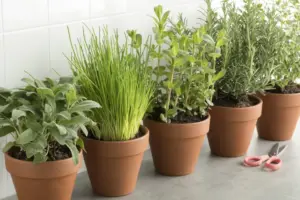
10 Houseplants That Will Thrive in Your Kitchen
Are you tired of your kitchen feeling dull and lifeless? Want to add a little [...]
Aug
Reviews
There are no reviews yet.