


Blue Canterbury Bells Seeds – Campanula Medium Flower Seeds – 200 Seeds – Full Sun to Part Shade
Original price was: 32.99 $.12.99 $Current price is: 12.99 $.
Cultivate stunning blue blooms with our blue Canterbury Bells seeds. Each pack contains 200 Campanula Medium seeds, ideal for creating a vibrant garden display or adding elegant cut flowers to your home. These beautiful flowers attract birds, bees, and butterflies, enhancing your garden’s biodiversity.
Estimated arrival
Sep 19
Sep 24 - Sep 26
Sep 26 - Oct 01
See our Shipping Policy.
Get in touch with us via email, and our team will review your concerns.
Our Alive & Thrive Guarantee covers issues with your plants within the first 30 days. Read our Refund & Returns Policy.
-
USDA Hardiness Zone
3 - 9 -
Soil Type
Average, well-draining soil -
Sunlight Exposure
Full sun - Part shade -
Expected Planting Period
Outdoors after frost / Indoors weeks before last frost
Overview
Transform your garden into a haven of vibrant blue with our premium blue Canterbury Bells seeds. Each packet contains 200 high-quality Campanula Medium seeds, scientifically known as Campanula medium, ready to grow into magnificent flowering plants. Canterbury Bells are cherished for their striking bell-shaped blossoms and their ability to add a touch of classic elegance to any landscape. These biennial or short-lived perennial flowers are relatively easy to grow from seed, making them a rewarding project for gardeners of all experience levels. With their upright growth and abundant flowers, they are perfect for cottage gardens, borders, and as an exceptional source of cut flowers. By choosing to grow Canterbury Bells from seed, you embark on a journey to cultivate a truly enchanting floral display that will captivate onlookers and delight pollinators alike.
Originating from southern Europe, Campanula Medium seeds offer the promise of breathtaking floral spikes. The vibrant blue hue of these particular Canterbury Bells creates a serene and inviting atmosphere, complementing various garden designs. Whether you’re aiming for a formal garden or a more relaxed, naturalistic setting, these Canterbury Bells flower seeds provide a versatile option. They are known for their robust growth and ability to thrive in a range of conditions, offering a spectacular show of color from late spring through mid-summer. Planting these seeds is a simple yet effective way to introduce long-lasting beauty and ecological benefits to your outdoor space, ensuring a season filled with charm and natural wonder.
Key Benefits
Planting blue Canterbury Bells seeds offers a multitude of advantages for both your garden and the local ecosystem. These exquisite flowers provide significant aesthetic appeal and contribute to a healthier environment.
- Stunning Visual Appeal: The large, 2-inch wide, bell-shaped blue flowers create a dramatic and beautiful display, making them a focal point in any garden. Their vibrant color stands out against green foliage.
- Attracts Pollinators: These flowers are highly attractive to birds, bees, and butterflies, helping to support local pollinator populations and enhance your garden’s biodiversity. Growing Canterbury Bells flower seeds contributes to a thriving ecosystem.
- Excellent Cut Flowers: With their long, sturdy stems and elegant blooms, Canterbury Bells make exceptional cut flowers, perfect for creating beautiful bouquets and floral arrangements that bring the garden indoors.
- Versatile Garden Use: Ideal for borders, mass plantings, cottage gardens, or even container gardening, these plants offer flexibility in garden design. Learning to grow Canterbury Bells allows for creative landscaping.
- Hardy and Resilient: Thriving in USDA Zones 3-9, these plants are adaptable to a wide range of climates and are relatively low-maintenance once established, making them a great choice for many gardeners.
- Long Bloom Period: Enjoy a prolonged period of bloom from May to July, providing continuous color and interest in your garden throughout the late spring and early summer months from these blue flower seeds.
- Easy to Grow from Seed: With 200 Campanula Medium seeds, you have ample opportunity to cultivate a large number of plants, making it an economical way to fill your garden with beauty.
Plant Care & Growing Tips
Successfully cultivating blue Canterbury Bells seeds requires attention to various environmental factors to ensure healthy growth and abundant blooms. These plants prefer a location that receives full sun to partial shade. In hotter climates, some afternoon shade can be beneficial to prevent scorching of the delicate flowers. Aim for at least 6 hours of direct sunlight daily for optimal flowering. When you grow Canterbury Bells, ensure they have consistent moisture, especially during dry spells and while they are establishing. The soil should be kept evenly moist but never waterlogged, as this can lead to root rot. Good drainage is crucial for these plants.
For soil, Campanula medium thrives in average, well-draining soil. A rich, loamy soil with a neutral to slightly alkaline pH is ideal. Amend heavy clay soils with organic matter like compost to improve drainage and aeration. Regarding temperature, Canterbury Bells are hardy in USDA Zones 3-9, meaning they can tolerate a wide range of winter temperatures. They are typically biennial, meaning they grow foliage in their first year and flower in their second. Fertilization is generally not heavily required if the soil is rich. However, a balanced, slow-release fertilizer applied in early spring can promote vigorous growth and more prolific blooms. Watch out for common pests like slugs and snails, especially on young plants, and powdery mildew in humid conditions. Ensure good air circulation to help prevent fungal diseases when planting your Canterbury Bells flower seeds.
Size & Details
Each packet contains 200 blue Canterbury Bells seeds, offering a generous quantity for extensive planting or multiple seasons of growth. Once mature, these plants typically reach a height of approximately 32 inches, creating a striking vertical element in your garden design. For optimal growth and air circulation, plant individual Canterbury Bells with a spacing of about 10 inches apart. The bell-shaped blooms themselves are quite substantial, measuring around 2 inches wide, contributing significantly to the plant’s visual impact. These Campanula Medium seeds are best planted outdoors after the last frost or can be started indoors several weeks before the last frost for an earlier bloom.
The expected bloom time for these magnificent flowers is from May through July, providing a burst of color during the late spring and early summer months. They are hardy across a broad range of climates, specifically USDA Hardiness Zones 3 through 9, indicating their adaptability to various environmental conditions. The seeds are shipped in a protective packet, ensuring their viability upon arrival. With proper care, these plants will establish well and provide a spectacular display of blue flowers, making them a worthwhile addition to any garden seeking to grow Canterbury Bells for their beauty and appeal to pollinators.
Frequently Asked Questions
- Q: How big do blue Canterbury Bells get? A: These plants typically grow to a height of about 32 inches. They have an upright growth habit, making them suitable for the middle or back of a garden border.
- Q: Is this an indoor or outdoor plant? A: Blue Canterbury Bells seeds are primarily for outdoor cultivation. They thrive in garden beds, borders, and can also be grown in large outdoor containers.
- Q: How much sunlight does it need? A: Canterbury Bells prefer full sun to partial shade. For the best flowering, aim for at least 6 hours of direct sunlight per day, especially in cooler climates.
- Q: Is this plant easy to care for? A: Yes, Campanula Medium seeds are relatively easy to grow and maintain once established. They require consistent moisture and well-draining soil but are not overly demanding.
- Q: What condition will the seeds arrive in? A: Your Canterbury Bells flower seeds will arrive carefully packaged to ensure their viability and protection during transit, ready for planting.
- Q: When is the best time to plant blue Canterbury Bells seeds? A: You can sow the seeds outdoors after the last frost in spring, or start them indoors 6-8 weeks before the last frost for earlier blooms.
- Q: Will it survive winter in my zone? A: These plants are hardy in USDA Zones 3-9. In these zones, they are typically biennial or short-lived perennials and should survive winter, growing foliage in the first year and flowering in the second.
- Q: Do these flowers attract pollinators? A: Absolutely! Blue Canterbury Bells seeds are known to attract a variety of pollinators, including birds, bees, and butterflies, making them a great choice for a pollinator garden.
- Q: How long until these Canterbury Bells bloom? A: As biennials, plants grown from blue flower seeds will typically produce foliage in their first year and then bloom in their second year, usually from May to July.
- Q: What type of soil do these plants prefer? A: Canterbury Bells thrive in average, fertile, and most importantly, well-draining soil. They can tolerate a range of soil types but prefer neutral to slightly alkaline conditions.
Be the first to review “Blue Canterbury Bells Seeds – Campanula Medium Flower Seeds – 200 Seeds – Full Sun to Part Shade”
Related products


You May Like
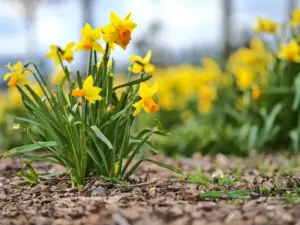
5 Best Bulbs for Fall Planting: Brighten Your Garden This Spring
Are you dreaming of a garden full of vibrant colors in the spring? The key [...]
Aug

How to Repot Houseplants Like a Pro
Do your houseplants look like they’ve outgrown their pots? Are their roots popping out of [...]
Aug
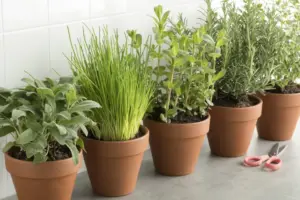
10 Houseplants That Will Thrive in Your Kitchen
Are you tired of your kitchen feeling dull and lifeless? Want to add a little [...]
Aug
Reviews
There are no reviews yet.