


Variegated Solomon’s Seal Seeds – Polygonatum Biflorum Canaliculatum – 15 Seeds
Original price was: 32.99 $.12.99 $Current price is: 12.99 $.
Discover the elegance of Variegated Solomon’s Seal seeds, perfect for adding texture and charm to shaded areas. These Polygonatum Biflorum seeds produce plants with striking variegated foliage and delicate white bell-shaped flowers, ideal for a serene garden.
Estimated arrival
Sep 19
Sep 24 - Sep 26
Sep 26 - Oct 01
See our Shipping Policy.
Get in touch with us via email, and our team will review your concerns.
Our Alive & Thrive Guarantee covers issues with your plants within the first 30 days. Read our Refund & Returns Policy.
-
USDA Hardiness Zone
3 - 9 -
Soil Type
Average, well-draining soil -
Sunlight Exposure
Sun - Shade -
Expected Planting Period
Fall (after cold stratification)
Overview
Introduce a touch of sophisticated beauty to your garden with Variegated Solomon’s Seal seeds. This offering includes 15 high-quality seeds of Polygonatum Biflorum Canaliculatum, a captivating perennial known for its distinctive arching stems and attractive variegated foliage. Each spring, delicate, dangling white bell-shaped flowers emerge from beneath the leaves, creating a graceful display. Following the bloom, interesting blue-violet non-edible berries form, adding another layer of visual interest. This plant is an excellent choice for woodland gardens, shady borders, or naturalized areas, providing year-round appeal with its unique structure and texture. Growing from Variegated Solomon’s Seal seeds allows you to cultivate this unique perennial from the beginning, enjoying its full lifecycle and contribution to your garden’s biodiversity.
The botanical name Polygonatum Biflorum Canaliculatum refers to this specific variety of Solomon’s Seal, highlighting its two-flowered characteristic and channeled leaves. This plant thrives in conditions that mimic its natural woodland habitat, making it a low-maintenance yet highly rewarding addition to the right garden setting. It’s not just a beautiful foliage plant; it also attracts beneficial pollinators like bees, butterflies, and hummingbirds, contributing to a healthier ecosystem in your outdoor space. If you’re looking to grow Solomon’s Seal and add an elegant, shade-loving perennial to your landscape, these seeds are an ideal starting point.
Key Benefits
Cultivating Variegated Solomon’s Seal seeds offers numerous advantages for any gardener seeking to enhance their outdoor space with unique and resilient plants. This perennial provides long-lasting beauty and ecological benefits.
- Distinctive Variegated Foliage: The striking green leaves with creamy-white margins provide exceptional visual interest, brightening up even the shadiest corners of your garden. This variegation offers a unique aesthetic that stands out among other shade-loving plants.
- Elegant Bell-Shaped Flowers: Delicate, white, bell-shaped flowers hang gracefully from beneath arching stems in spring, adding a subtle charm and elegance. These blooms are a delightful surprise and contribute to the plant’s overall allure.
- Attracts Pollinators: The flowers of Polygonatum Biflorum seeds are known to attract beneficial insects such as bees, butterflies, and even hummingbirds, supporting local wildlife and enhancing garden biodiversity. This makes it a great choice for eco-conscious gardeners.
- Low Maintenance & Adaptable: Once established, Variegated Solomon’s Seal is remarkably easy to care for, tolerant of various soil conditions, and thrives in partial to full shade. It’s a resilient plant that requires minimal intervention.
- Year-Round Interest: Beyond its spring blooms, the plant offers attractive blue-violet berries in summer and interesting architectural form throughout the growing season, ensuring continuous appeal. This sustained interest makes it a valuable addition to any garden design.
- Hardy Perennial: Suitable for USDA Hardiness Zones 3-9, this perennial reliably returns year after year, establishing itself as a lasting feature in your garden. This hardiness ensures a long-term investment in your landscape.
Plant Care & Growing Tips
Successfully growing Variegated Solomon’s Seal seeds requires understanding their specific needs, particularly regarding light, soil, and water. These plants prefer conditions similar to their natural woodland habitat, making them an excellent choice for shady and semi-shady locations. For optimal germination, cold stratification of the seeds for 2-3 months is recommended, typically performed in late fall or early winter for spring planting. Once germinated, plant seedlings about 15-18 inches apart to allow for mature growth and spread. Mature plants will reach a height of 36-48 inches, forming attractive clumps.
Light Requirements:Variegated Solomon’s Seal thrives in partial to full shade. While it can tolerate some morning sun, protection from intense afternoon sun is crucial, as too much direct light can scorch the foliage. Ideal locations include under deciduous trees, on the north side of a building, or in deep shade where filtered light is available throughout the day. This makes it a perfect candidate for areas where many other plants struggle to grow, helping you create a lush and vibrant shade garden.
Soil & Water Preferences: This plant prefers average, well-draining soil that is rich in organic matter. While it can tolerate a range of soil types, consistently moist soil is beneficial, especially during dry periods. Avoid waterlogged conditions, which can lead to root rot. A layer of mulch can help retain soil moisture and regulate temperature. For newly planted Polygonatum Biflorum seeds or seedlings, consistent watering is vital to establish a strong root system. Once established, it is relatively drought-tolerant but will perform best with regular moisture.
Temperature & Hardiness:Variegated Solomon’s Seal is remarkably hardy, suitable for USDA Zones 3-9. It tolerates cold winters, with the foliage dying back to the ground and new shoots emerging in spring. No special winter protection is typically needed within its hardiness range. Fertilize sparingly in spring with a balanced, slow-release fertilizer or a layer of compost to provide essential nutrients. Pests and diseases are generally not a major concern, making it a robust and reliable perennial. To grow Solomon’s Seal successfully, focus on providing consistent moisture and adequate shade.
Size & Details
These Variegated Solomon’s Seal seeds will mature into impressive perennial plants, typically reaching a height of 36 to 48 inches with a spread of 15 to 18 inches. The arching stems create a distinctive architectural form in the garden, providing excellent texture and depth. Each packet contains 15 high-quality seeds, allowing you to establish a beautiful clump or several individual plants. The bloom time for these plants is typically in the spring, with the delicate white flowers appearing before the onset of summer. After flowering, the plants develop attractive blue-violet berries, which are non-edible but add to their ornamental value. The hardiness of this plant across USDA Zones 3-9 ensures its perennial nature, returning each year to grace your garden with its unique charm. For those looking to grow Solomon’s Seal, these seeds offer a fantastic opportunity to cultivate this elegant plant.
Frequently Asked Questions
- Q: How big does this plant get? A: Variegated Solomon’s Seal typically grows to a height of 36 to 48 inches, with an arching spread of about 15 to 18 inches, creating a graceful presence in the garden.
- Q: Is this an indoor or outdoor plant? A: This plant is primarily an outdoor perennial, thriving in shaded garden beds, woodland settings, or naturalized areas. It is not generally grown as an indoor houseplant.
- Q: How much sunlight does it need? A: Polygonatum Biflorum Canaliculatum prefers partial to full shade. It can tolerate some morning sun but should be protected from harsh afternoon sun to prevent leaf scorch.
- Q: Is this plant easy to care for? A: Yes, once established, Variegated Solomon’s Seal is considered a low-maintenance plant. It’s quite hardy and tolerant of various conditions, making it a good choice for both beginner and experienced gardeners.
- Q: What condition will the seeds arrive in? A: You will receive 15 viable seeds, ready for proper stratification and planting according to the provided instructions to help you grow Solomon’s Seal successfully.
- Q: How long until it blooms? A: After successful germination and establishment, Variegated Solomon’s Seal typically blooms in the spring. The exact timing can vary based on growing conditions and climate.
- Q: When is the best time to plant these seeds? A: It’s best to plant the seeds in the fall or early winter after cold stratifying them for 2-3 months. This mimics natural conditions and prepares them for spring germination.
- Q: Will it survive winter in my zone? A: Yes, this plant is hardy in USDA Zones 3 through 9, meaning it will reliably return each spring after winter dormancy in these regions.
- Q: What type of soil does it prefer? A: It prefers average, well-draining soil that is rich in organic matter. Consistent moisture is beneficial, but avoid waterlogging.
- Q: Does it attract any wildlife? A: Absolutely! The flowers are known to attract beneficial pollinators such as bees, butterflies, and hummingbirds, adding life and activity to your garden.
Be the first to review “Variegated Solomon’s Seal Seeds – Polygonatum Biflorum Canaliculatum – 15 Seeds”
Related products


Flowers
Ajuga Reptans Mahogany Live Plant – Bugleweed – 6 Packs of 2 Inch Pots – Outdoor Groundcover


Flower Bulbs
40 False Solomon’s Seal Bare Root Plants – Maianthemum racemosum – Native Woodland Wildflowers


You May Like
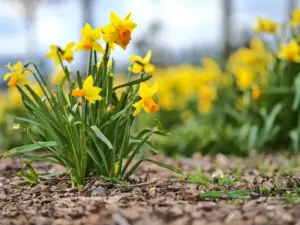
5 Best Bulbs for Fall Planting: Brighten Your Garden This Spring
Are you dreaming of a garden full of vibrant colors in the spring? The key [...]
Aug
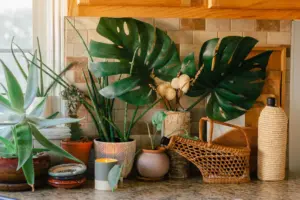
How to Repot Houseplants Like a Pro
Do your houseplants look like they’ve outgrown their pots? Are their roots popping out of [...]
Aug

10 Houseplants That Will Thrive in Your Kitchen
Are you tired of your kitchen feeling dull and lifeless? Want to add a little [...]
Aug
Reviews
There are no reviews yet.