


250 Burgundy Amaranthus Seeds – Amaranth Grain & Flower, Edible Leaves
Original price was: 32.99 $.12.99 $Current price is: 12.99 $.
Cultivate burgundy amaranthus seeds to grow beautiful plants with vibrant burgundy flowers and reddish-purple edible leaves. Harvest gluten-free grain from these versatile amaranth grain seeds, perfect for garden and culinary use.
Estimated arrival
Sep 18
Sep 23 - Sep 25
Sep 25 - Sep 30
See our Shipping Policy.
Get in touch with us via email, and our team will review your concerns.
Our Alive & Thrive Guarantee covers issues with your plants within the first 30 days. Read our Refund & Returns Policy.
-
USDA Hardiness Zone
Annual -
Soil Type
Average - Dry, well-draining soil -
Sunlight Exposure
Full Sun -
Expected Planting Period
Outdoors after frost / Indoors weeks before last frost
Overview
Discover the versatility and beauty of burgundy amaranthus seeds, offering a unique addition to any garden. This package contains 250 high-quality seeds of Amaranthus Hypochondriacus, also known as Burgundy Amaranth or Burgundy Grain Amaranth. These remarkable plants are cherished for their stunning burgundy flowers and striking reddish-purple leaves, providing significant visual appeal throughout the summer months. Beyond their ornamental value, burgundy amaranthus seeds are highly prized for their edible qualities. The young leaves can be enjoyed in salads, offering a taste similar to spinach, while the mature plants produce white seeds that can be harvested for gluten-free grain and flour. This heirloom variety is known for its heat tolerance, making it a robust choice for various climates.
Growing amaranth grain seeds allows you to cultivate a plant that serves multiple purposes, from a beautiful garden ornamental to a nutritious food source. The impressive height of 4-6 feet makes it a dramatic backdrop in flower beds or a substantial presence in a vegetable patch. Whether you’re an experienced gardener or just starting, these seeds offer an exciting opportunity to grow a plant that is both productive and visually captivating. Embrace the joy of harvesting your own edible leaves and gluten-free grain with these exceptional burgundy amaranthus seeds.
Key Benefits
Cultivating burgundy amaranthus seeds brings a wealth of advantages to your garden and kitchen. This plant is celebrated for its ease of growth and its multifaceted utility, providing both aesthetic beauty and nutritional value.
- Stunning Ornamental Value: Enjoy vibrant burgundy flowers and rich reddish-purple leaves that add a dramatic splash of color to your garden, creating a beautiful focal point or border.
- Edible Leaves & Grain: Harvest young leaves for fresh salads or cooked greens, tasting similar to spinach. The mature plants yield abundant, gluten-free white grain, perfect for baking flour or as a nutritious cereal.
- Heat Tolerant & Robust: This heirloom variety thrives in warm conditions, making it an excellent choice for gardens in hotter climates or during peak summer months, requiring minimal fuss.
- Attracts Pollinators: The vibrant blooms can attract beneficial insects like bees and butterflies, contributing to a healthier and more biodiverse garden ecosystem.
- Versatile Use: Suitable for ornamental planting, companion planting in vegetable gardens, or dedicated plots for grain production, making it a truly adaptable plant.
- High Yield Potential: With proper care, amaranth grain seeds can produce a significant quantity of edible leaves and seeds, providing a sustainable food source from your own backyard.
- Beginner-Friendly: Relatively easy to grow from seed, making them a great option for gardeners of all experience levels looking to try something new and rewarding.
Plant Care & Growing Tips
Growing burgundy amaranthus seeds successfully requires attention to a few key environmental factors, ensuring a bountiful harvest of leaves and grain. These plants are annuals, meaning they complete their life cycle within one growing season, but they are generally low-maintenance once established. For optimal growth, plant outdoors after the danger of the last frost has passed, or start indoors several weeks prior to transplanting. Ensure the soil temperature is warm, as amaranth thrives in heat. Space plants approximately 15-18 inches apart to allow for proper air circulation and growth, as they can reach a height of 4-6 feet.
Sunlight requirements for Amaranthus Hypochondriacus are straightforward: they need full sun exposure to flourish, meaning at least 6-8 hours of direct sunlight daily. This ensures vigorous growth, vibrant leaf coloration, and abundant seed production. Soil and water preferences lean towards average to dry conditions. While they are tolerant of various soil types, well-draining soil is crucial to prevent root rot. Once established, amaranth is quite drought-tolerant, making it a good choice for water-wise gardening. Regular watering during prolonged dry spells will, however, promote better growth and yield. Fertilization is generally not heavily required; a balanced, all-purpose fertilizer applied at planting or early growth stages is usually sufficient. Keep an eye out for common garden pests, though amaranth is generally robust. Understanding how to grow amaranth from seed is key to a successful harvest.
Harvesting strategies depend on your desired use. For fresh salad greens, begin harvesting leaves when they are young, around 50 days after planting. For grain production, allow the plants to fully mature, which typically takes about 100 days. The seeds of this heirloom amaranth grain seeds are gluten-free and can be used to make flour. With its hardiness as an annual and its ability to tolerate heat well, this plant is a rewarding choice for many gardeners. Following these tips will help you cultivate healthy, productive burgundy amaranthus seeds.
Size & Details
This product includes 250 burgundy amaranthus seeds, providing ample opportunity to establish a substantial crop or ornamental display. Each seed is designed to grow into a robust annual plant, reaching an impressive height of 4 to 6 feet, making it a striking vertical element in your garden. The plants develop a spread of approximately 15-18 inches, requiring adequate spacing for optimal growth and air circulation. Expect to see vibrant burgundy flowers and reddish-purple leaves, creating a dramatic visual impact.
Harvesting begins relatively quickly for salad-sized leaves, typically around 50 days after planting. For those interested in grain production, the plants mature to produce a harvestable gluten-free grain in about 100 days. These amaranthus hypochondriacus seeds are shipped in a protective packet, ensuring their viability upon arrival. The growth rate is moderate to fast, allowing for a rewarding season of cultivation and harvest. This quantity is ideal for home gardeners looking to grow a significant amount of this versatile plant for both aesthetic and culinary purposes, including those interested in how to grow amaranth from seed effectively.
Frequently Asked Questions
- Q: How big does this plant get? A: The burgundy amaranthus seeds will grow into plants that typically reach a height of 4 to 6 feet, with a spread of 15 to 18 inches. This makes them a prominent feature in any garden.
- Q: Is this an indoor or outdoor plant? A: Amaranthus Hypochondriacus is primarily an outdoor plant. It thrives in full sun conditions and is best planted directly in the garden after the last frost.
- Q: How much sunlight does it need? A: This plant requires full sun exposure, meaning at least 6-8 hours of direct sunlight per day, for optimal growth and vibrant coloration of its burgundy flowers and leaves.
- Q: Is this plant easy to care for? A: Yes, amaranthus is generally considered easy to care for. It’s heat-tolerant and relatively drought-resistant once established, making it suitable for gardeners of various skill levels.
- Q: What condition will the seeds arrive in? A: The burgundy amaranthus seeds will arrive in a sealed packet, ensuring they are protected and viable for planting upon receipt.
- Q: Can I use amaranth leaves in cooking? A: Absolutely! The young leaves of this plant are edible and have a taste similar to spinach. They can be used fresh in salads or cooked as a nutritious green.
- Q: When is the best time to plant these seeds? A: For best results, plant these amaranth grain seeds outdoors after all danger of frost has passed, or start them indoors a few weeks before the last frost date for an earlier start.
- Q: What is the benefit of growing amaranth grain? A: The white seeds of this heirloom variety are gluten-free and can be harvested to make nutritious flour or used as a grain, offering a healthy alternative to traditional cereals.
- Q: Will it survive winter in my zone? A: Amaranthus Hypochondriacus is an annual plant, meaning it completes its life cycle in one season. It will not survive winter frosts but can be replanted from burgundy amaranthus seeds each year.
- Q: What kind of soil does this plant prefer? A: This plant prefers average to dry soil conditions with good drainage. While tolerant of various soil types, well-draining soil is essential to prevent waterlogging.
- Q: How long until I can harvest the leaves? A: You can start harvesting salad-sized leaves from your amaranthus hypochondriacus plants in approximately 50 days after planting.
Be the first to review “250 Burgundy Amaranthus Seeds – Amaranth Grain & Flower, Edible Leaves”
Related products


Vegetable Seeds
Hanover Salad Kale Seeds – 1000 Smooth Siberian Vegetable Seeds


Vegetable Seeds
3000 White Boston Lettuce Seeds – Green Butterhead Vegetable, Lactuca Sativa, 6-12″ Tall
You May Like
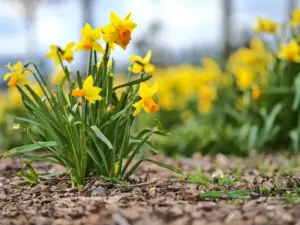
5 Best Bulbs for Fall Planting: Brighten Your Garden This Spring
Are you dreaming of a garden full of vibrant colors in the spring? The key [...]
Aug
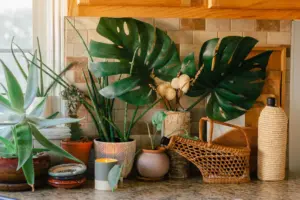
How to Repot Houseplants Like a Pro
Do your houseplants look like they’ve outgrown their pots? Are their roots popping out of [...]
Aug
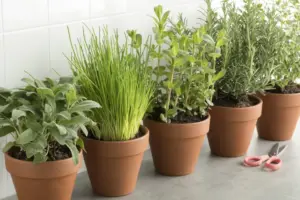
10 Houseplants That Will Thrive in Your Kitchen
Are you tired of your kitchen feeling dull and lifeless? Want to add a little [...]
Aug
Reviews
There are no reviews yet.