


50 Harlequin Pink & Yellow Corydalis Sempervirens Flower Seeds
Original price was: 32.99 $.12.99 $Current price is: 12.99 $.
Discover the charm of Corydalis Sempervirens seeds, offering vibrant pink and yellow Corydalis blooms. These unique flowers are ideal for adding a splash of color to shaded garden spots and rockeries, thriving with minimal fuss. Grow your own stunning Harlequin Corydalis from seed.
Estimated arrival
Sep 19
Sep 24 - Sep 26
Sep 26 - Oct 01
See our Shipping Policy.
Get in touch with us via email, and our team will review your concerns.
Our Alive & Thrive Guarantee covers issues with your plants within the first 30 days. Read our Refund & Returns Policy.
-
USDA Hardiness Zone
USDA zones 3-8 -
Soil Type
Well-draining, rich in organic matter -
Sunlight Exposure
Partial to full shade -
Expected Planting Period
Early spring or fall
Overview
Introduce a touch of whimsical beauty to your garden with Corydalis Sempervirens seeds. This offering provides 50 high-quality seeds of the exquisite Harlequin variety, renowned for its delicate yet vibrant pink and yellow Corydalis flowers. Often called ‘Fumitory’ or ‘Pale Corydalis’, this charming annual or short-lived perennial is a true gem for shaded landscapes, woodland gardens, and especially rock gardens where its fern-like foliage and unique blooms can truly shine. These seeds promise to transform your garden into a tapestry of soft hues, creating a serene and inviting atmosphere. Growing Harlequin Corydalis from seed is a rewarding experience, allowing you to cultivate a plant known for its persistent bloom period and ease of care in the right conditions. This variety is particularly valued for its ability to self-seed, ensuring a continuous display of beauty year after year once established.
The allure of Corydalis Sempervirens lies in its distinctive tubular flowers, which are intricately patterned in shades of soft pink and bright yellow, creating a stunning bicolor effect. Each plant produces an abundance of these fascinating blossoms, held aloft on slender stems above a mound of finely dissected, blue-green foliage. This delicate appearance belies a robust nature, making it a fantastic choice for gardeners seeking both beauty and resilience. Whether you’re an experienced horticulturist or just starting your gardening journey, these Corydalis Sempervirens seeds offer an accessible path to cultivating a truly unique and enchanting floral display. They are perfect for creating naturalized areas, underplanting taller shrubs, or adding a delicate touch to container arrangements.
Key Benefits
Cultivating Corydalis Sempervirens seeds brings a multitude of benefits to any garden space, enhancing both aesthetic appeal and ecological value. The unique coloration and form of the Harlequin Corydalis make it a standout plant, ensuring your garden captures attention and admiration. Enjoy the following advantages:
- Stunning Bicolor Blooms: The primary draw of this plant is its captivating pink and yellow Corydalis flowers. These intricate, tubular blossoms provide a vibrant and long-lasting display, adding a unique aesthetic to any garden setting. They are truly a conversation starter.
- Ideal for Shade Gardens: Unlike many sun-loving flowers, Corydalis Sempervirens thrives in partial to full shade, making it an excellent choice for brightening dimly lit areas where other plants struggle. It’s perfect for woodland edges or under deciduous trees.
- Attracts Pollinators: The charming flowers are a magnet for various beneficial pollinators, including native bees and butterflies, contributing to a healthier and more biodiverse garden ecosystem. Planting these Corydalis Sempervirens seeds supports local wildlife.
- Low Maintenance: Once established, this plant requires minimal care, making it suitable for busy gardeners or those new to horticulture. It’s relatively drought-tolerant and pest-resistant, reducing the need for constant attention.
- Self-Seeding Habit: This variety has a delightful tendency to self-seed, ensuring a continuous supply of new plants without additional effort. This characteristic helps in naturalizing areas and creates a lush, full appearance over time.
- Deer Resistant: While no plant is entirely deer-proof, Corydalis Sempervirens is generally unappealing to deer, offering peace of mind for gardeners in areas with wildlife browsing pressure.
- Perfect for Rock Gardens: Its compact size and preference for well-drained soil make it an excellent candidate for rock garden flowers, where its delicate foliage and bright blooms can spill over stones and crevices.
Plant Care & Growing Tips
Growing Corydalis Sempervirens seeds successfully requires attention to a few key environmental factors, particularly regarding light, soil, and moisture. These plants prefer a location that receives partial to full shade, especially in hotter climates. Morning sun with afternoon shade is ideal, as direct, intense sun can scorch their delicate foliage. In cooler, northern regions, they can tolerate a bit more sun, but always ensure they are protected from the harshest midday rays. When planting, consider their natural habitat, which often includes woodland edges or rocky outcrops, to best replicate their preferred conditions. The goal is to provide a cool, moist root run while ensuring adequate light for flowering.
Soil composition is crucial for the health of your Harlequin Corydalis. They thrive in well-draining soil that is rich in organic matter. A slightly acidic to neutral pH (6.0-7.0) is generally preferred. If your soil is heavy clay, amend it generously with compost, leaf mold, or other organic materials to improve drainage and aeration. Conversely, if your soil is too sandy, adding organic matter will help retain moisture. Consistent moisture is vital, especially during dry spells and the plant’s active growing season. However, avoid waterlogging, as this can lead to root rot. Water deeply when the top inch of soil feels dry to the touch, and reduce watering frequency in cooler, dormant periods. A layer of mulch around the base of the plant can help conserve soil moisture and regulate soil temperature.
Fertilization is generally not heavily required for Corydalis Sempervirens, especially if planted in organically rich soil. If you feel the need to fertilize, a balanced, slow-release granular fertilizer or a liquid feed at half strength in early spring, just as new growth emerges, will suffice. Avoid over-fertilizing, which can lead to lush foliage at the expense of flowers. These plants are typically hardy in USDA zones 3-8, meaning they can withstand quite cold winters. In warmer zones, they might behave as annuals or short-lived perennials, sometimes going dormant in the heat of summer. Protecting them from extreme winter cold with a layer of mulch can be beneficial in borderline zones. Keep an eye out for slugs and snails, which can be attracted to their tender foliage; otherwise, they are relatively pest and disease-free. Proper spacing and good air circulation will also help prevent fungal issues.
Size & Details
These Corydalis Sempervirens seeds will grow into charming plants typically reaching a height of 12 to 18 inches (30-45 cm) with a similar spread, forming an attractive mound of fern-like foliage. The delicate pink and yellow Corydalis flowers begin to emerge in late spring and can continue blooming throughout the summer, especially in cooler climates or with adequate shade. Plants generally have a moderate growth rate, establishing themselves well within the first season. They are often treated as annuals in warmer zones (above USDA Zone 8) due to their tendency to fade in intense summer heat, but their prolific self-seeding ensures new generations will appear. The seeds are provided in a pack of 50, offering ample opportunity to cultivate a beautiful display of rock garden flowers.
Expect germination to occur within 2-4 weeks under optimal conditions, though some stratification may improve rates. The plants are delivered as seeds, allowing you the flexibility to sow them directly in your garden or start them indoors for an earlier bloom. Once established, the plants are known for their persistent flowering and attractive blue-green foliage, making them a valuable addition to mixed borders, containers, or naturalized areas. Their delicate appearance makes a lovely contrast when paired with broader-leaved shade plants like Hostas or Ferns. The Harlequin Corydalis is a short-lived perennial, but its reliable self-seeding ensures its presence in your garden for years to come, making it an excellent investment for a continuous display of beauty.
Frequently Asked Questions
- Q: How big does this plant get? A: Corydalis Sempervirens typically grows to a height of 12 to 18 inches (30-45 cm) with a similar spread, forming a mounding habit. Its delicate nature makes it suitable for various garden settings without becoming overly large.
- Q: What size pot does it come in? A: This product consists of 50 Corydalis Sempervirens seeds, not a potted plant. You will receive a packet of seeds ready for sowing in your preferred containers or garden beds.
- Q: Is this an indoor or outdoor plant? A: While it can be started indoors, Harlequin Corydalis is primarily an outdoor plant, thriving in garden beds, rockeries, and woodland settings. It prefers shaded outdoor environments.
- Q: How much sunlight does it need? A: Corydalis Sempervirens performs best in partial to full shade. It appreciates morning sun but needs protection from harsh afternoon sun to prevent leaf scorch and ensure healthy growth.
- Q: Is this plant easy to care for? A: Yes, once established, Corydalis Sempervirens is considered relatively low-maintenance. It requires well-draining soil and consistent moisture, but is generally pest-resistant and quite hardy, making it a good choice for beginners.
- Q: What condition will it arrive in? A: You will receive 50 high-quality Corydalis Sempervirens seeds in a protective packet, ensuring their viability for planting. They are carefully packaged to arrive in excellent condition, ready for your gardening efforts.
- Q: How long until it blooms? A: From seed, pink and yellow Corydalis can typically begin to bloom in late spring to early summer of the first year if started early, or in the second year if sown later. Blooming continues through the summer months.
- Q: When is the best time to plant these seeds? A: The best time to sow Corydalis Sempervirens seeds is in early spring directly outdoors after the last frost, or you can start them indoors 6-8 weeks before the last frost date for an earlier display. Fall sowing is also an option in some climates.
- Q: Will it survive winter in my zone? A: Corydalis Sempervirens is hardy in USDA Zones 3-8. In these zones, it will typically overwinter successfully. In warmer zones, it may be treated as an annual or go dormant in summer heat.
- Q: What type of soil does it prefer for the best growth? A: This plant thrives in well-draining soil that is rich in organic matter. Amend heavy clay soils with compost to improve drainage, as good drainage is crucial for preventing root issues.
Be the first to review “50 Harlequin Pink & Yellow Corydalis Sempervirens Flower Seeds”
Related products


You May Like
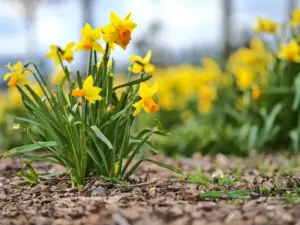
5 Best Bulbs for Fall Planting: Brighten Your Garden This Spring
Are you dreaming of a garden full of vibrant colors in the spring? The key [...]
Aug
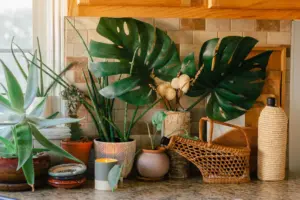
How to Repot Houseplants Like a Pro
Do your houseplants look like they’ve outgrown their pots? Are their roots popping out of [...]
Aug
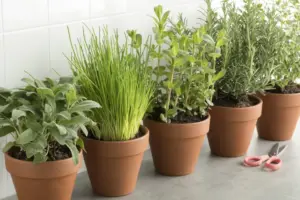
10 Houseplants That Will Thrive in Your Kitchen
Are you tired of your kitchen feeling dull and lifeless? Want to add a little [...]
Aug
Reviews
There are no reviews yet.