


Jerusalem Artichoke Seeds – 20 Sunchoke Sunroot Seeds, Yellow Flowers, Edible Tubers
Original price was: 32.99 $.12.99 $Current price is: 12.99 $.
Cultivate your own delicious and nutritious root vegetables with these Jerusalem Artichoke seeds. Also known as sunchokes or sunroots, these easy-to-grow plants yield edible tubers and beautiful yellow flowers. Perfect for gardens in USDA Zones 3-9.
Estimated arrival
Sep 19
Sep 24 - Sep 26
Sep 26 - Oct 01
See our Shipping Policy.
Get in touch with us via email, and our team will review your concerns.
Our Alive & Thrive Guarantee covers issues with your plants within the first 30 days. Read our Refund & Returns Policy.
-
USDA Hardiness Zone
3-9 -
Soil Type
Average, well-draining soil -
Sunlight Exposure
Full Sun - Part Shade -
Expected Planting Period
Outdoors after frost / Fall / Indoors weeks before last frost
Overview
Discover the joy of growing your own nutritious root vegetables with these premium Jerusalem Artichoke seeds. Also known by their charming common names such as sunchoke, sunroot, earth apple, or sunflower artichoke, Helianthus tuberosus is a versatile and rewarding plant for any garden. Unlike traditional artichokes, the Jerusalem Artichoke is prized for its edible tubers, which offer a unique, slightly sweet, and nutty flavor. These particular seeds will grow into robust plants adorned with vibrant yellow flowers, resembling small sunflowers, adding ornamental beauty to your landscape.
This offering is specifically for Jerusalem Artichoke seeds, providing you with the genetic potential to cultivate these fascinating plants from the very beginning. Each packet contains 20 seeds, ready for planting to establish a thriving patch of these beneficial root vegetables. Whether you’re an experienced gardener or just starting, growing sunchokes from seed is a fulfilling experience that culminates in a bountiful harvest of delicious, earthy tubers.
Key Benefits
Adding Jerusalem Artichoke seeds to your garden provides a multitude of benefits, from their culinary versatility to their ease of cultivation and environmental advantages. These plants are a fantastic choice for sustainable and productive gardening:
- Nutrient-Rich Edible Tubers: The primary appeal of Jerusalem Artichokes lies in their beige to red-purple tubers, which are a fantastic source of dietary fiber, iron, potassium, and inulin, a prebiotic fiber beneficial for gut health. Enjoy them roasted, mashed, sautéed, or raw in salads.
- Attractive Garden Addition: Beyond their edible roots, these plants grow tall, producing cheerful yellow, sunflower-like blooms in late summer to fall, adding a beautiful vertical element and splash of color to your garden landscape.
- Easy to Grow:Grow sunchokes with minimal fuss. They are known for their hardiness and adaptability, thriving in a wide range of soil conditions and requiring only average water once established.
- Perennial Harvest: Once established, Jerusalem Artichokes are perennial, meaning they will return year after year, providing a continuous harvest of tubers without the need for replanting.
- Supports Pollinators: The late-season yellow flowers attract bees and other beneficial pollinators to your garden, contributing to a healthy ecosystem.
- Soil Improvement: The extensive root systems of Helianthus tuberosus can help improve soil structure and prevent erosion, making them a valuable plant for garden health.
- Versatile Culinary Use: From soups and stews to stir-fries and pickles, the unique flavor and texture of sunchoke tubers make them a versatile ingredient in diverse culinary applications.
Plant Care & Growing Tips
Successfully cultivating Jerusalem Artichoke seeds into a thriving crop of edible tubers is a straightforward process, thanks to their robust nature. These plants are remarkably hardy and forgiving, making them an excellent choice for gardeners looking for a low-maintenance yet productive addition. They are cold hardy, thriving in USDA Zones 3-9, indicating their resilience across a broad range of climates. When considering how to grow sunchokes, pay attention to their light and soil preferences for the best results.
For optimal growth, Jerusalem Artichoke seeds prefer a location with full sun to part shade, meaning they should receive at least 6 hours of direct sunlight daily for robust tuber development. While adaptable, they will produce the largest and most flavorful tubers in well-draining, fertile soil with a neutral pH. Average soil and water preferences mean they don’t require overly rich soil or constant watering, but consistent moisture during dry spells will benefit tuber formation. Plant seeds outdoors after the last frost in spring, or in the fall for natural cold stratification and spring germination. Indoor starting weeks before the last frost is also an option for an earlier start. Space plants 3-5 feet apart to allow for their mature height of 6-10 feet and to prevent overcrowding. Harvest typically occurs 120-150 days after planting, usually in the fall, winter, or early spring after the first hard frost, which can sweeten the tubers.
Size & Details
This product includes 20 Sunchoke Sunroot Helianthus Tuberosus Yellow Sunflower Root Vegetable Seeds, providing you with a generous quantity to start your garden project. The plants grown from these seeds typically reach an impressive height of 6 to 10 feet, creating a striking presence in the garden, especially when their bright yellow flowers bloom from late summer into fall (August to November). For best growth and tuber production, allow for a plant spacing of 3 to 5 feet between individual plants. The edible tubers, the main harvest, range in color from beige-tan to red-purple, offering a delightful visual diversity.
Harvesting these delicious tubers usually occurs between 120 to 150 days after planting, typically in the fall, winter, or early spring. This timing allows the plants to fully develop their underground bounty. These edible root vegetable seeds are suitable for a wide range of climates, thriving in USDA Hardiness Zones 3 through 9. They prefer full sun to part shade and have average soil and water preferences, making them relatively easy to integrate into most garden settings. Remember, you are receiving seeds, not mature tubers, allowing you to experience the complete growth cycle of this unique plant.
Frequently Asked Questions
- Q: How big do Jerusalem Artichoke plants get? A: Jerusalem Artichoke plants typically grow quite tall, reaching heights of 6 to 10 feet. This makes them an excellent choice for a backdrop in your garden or for creating a visual screen.
- Q: Are these actual Jerusalem Artichoke tubers or seeds? A: This product consists of 20 Sunchoke Sunroot Helianthus Tuberosus Yellow Sunflower Root Vegetable Seeds, not tubers. You will be growing the plants from scratch, which is a rewarding process.
- Q: How much sunlight do Jerusalem Artichoke seeds need to grow? A: To successfully grow sunchokes, they require full sun to part shade. Aim for at least 6 hours of direct sunlight per day for optimal growth and tuber development.
- Q: Is this plant easy to care for, especially for beginners? A: Yes, Jerusalem Artichokes are known for being very easy to grow and are quite hardy, making them an excellent option for beginner gardeners. They are resilient and adaptable to various conditions.
- Q: When is the best time to plant Jerusalem Artichoke seeds? A: You can plant Jerusalem Artichoke seeds outdoors after the last frost in spring, or in the fall for natural cold stratification. For an earlier start, you can begin them indoors several weeks before the last frost.
- Q: What kind of soil is best for growing sunchokes? A: While adaptable, sunchokes prefer well-draining, fertile soil. They have average soil and water preferences, so overly rich soil isn’t necessary, but good drainage is key.
- Q: Can I use the tubers from these plants in cooking? A: Absolutely! The tubers are the primary edible part of the plant and are delicious. They have a slightly sweet, nutty flavor and can be roasted, boiled, fried, or eaten raw.
- Q: How long does it take for Jerusalem Artichokes to be ready for harvest? A: You can expect to harvest the tubers approximately 120 to 150 days after planting. The best time to harvest is typically in the fall, winter, or early spring after the first hard frost.
- Q: Will these plants survive winter in my garden? A: Yes, these plants are very hardy and are suitable for USDA Hardiness Zones 3 through 9. They are perennial and will typically return year after year in these zones.
- Q: Do these plants produce actual sunflowers? A: While they are in the sunflower family and produce yellow, sunflower-like blooms, they are not the same as the common sunflower grown for seeds. Their primary harvest is the edible root, not the flower seeds.
Be the first to review “Jerusalem Artichoke Seeds – 20 Sunchoke Sunroot Seeds, Yellow Flowers, Edible Tubers”
Related products

Vegetable Seeds
Job’s Tears Seeds – Coix Lacryma Vegetable Seeds – 20 Count for Edible & Decorative Use


You May Like
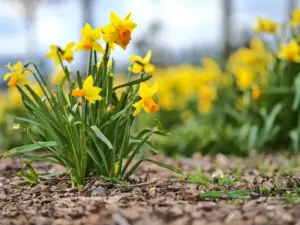
5 Best Bulbs for Fall Planting: Brighten Your Garden This Spring
Are you dreaming of a garden full of vibrant colors in the spring? The key [...]
Aug
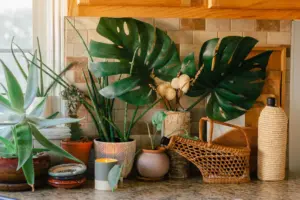
How to Repot Houseplants Like a Pro
Do your houseplants look like they’ve outgrown their pots? Are their roots popping out of [...]
Aug
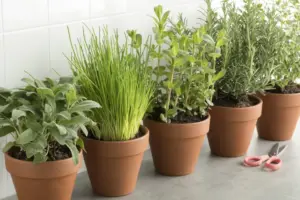
10 Houseplants That Will Thrive in Your Kitchen
Are you tired of your kitchen feeling dull and lifeless? Want to add a little [...]
Aug
Reviews
There are no reviews yet.