


Red Bee Balm Monarda Didyma Flower Seeds – 10 Count – Attracts Pollinators
Original price was: 32.99 $.12.99 $Current price is: 12.99 $.
Cultivate beautiful red bee balm seeds (Monarda Didyma) in your garden. These vibrant flowers attract hummingbirds, bees, and butterflies, adding life and color. Ideal for USDA Zones 4-9, they thrive in sun to part shade.
Estimated arrival
Sep 19
Sep 24 - Sep 26
Sep 26 - Oct 01
See our Shipping Policy.
Get in touch with us via email, and our team will review your concerns.
Our Alive & Thrive Guarantee covers issues with your plants within the first 30 days. Read our Refund & Returns Policy.
-
USDA Hardiness Zone
4-9 -
Soil Type
Average, well-draining soil -
Sunlight Exposure
Sun - Part Shade -
Expected Planting Period
Outdoors after frost / Indoors weeks before last frost
Overview
Transform your garden into a pollinator’s paradise with these premium red bee balm seeds. Known scientifically as Monarda Didyma, and commonly as Oswego Tea, this striking perennial boasts fiery red blooms that are a magnet for hummingbirds, butterflies, and bees. Each packet contains 10 high-quality seeds, ready to be sown for a spectacular mid to late summer display. The ‘Panorama Red’ variety is celebrated for its true-to-color blooms from seed, ensuring a vibrant and consistent red hue that stands out in any landscape. Beyond its visual appeal, the plant offers a delightful citrus fragrance, adding an aromatic dimension to your outdoor space.
Growing red bee balm seeds is a rewarding experience for gardeners of all levels. This robust plant is native to North America and is well-adapted to a range of climates, thriving in USDA Hardiness Zones 4 through 9. Its historical use as ‘Oswego Tea’ by Native American tribes highlights its versatility and cultural significance. Whether you’re looking to create a dedicated pollinator garden, add a splash of bold color, or simply enjoy the natural beauty and fragrance, these seeds provide an excellent foundation for a thriving and dynamic garden.
Key Benefits
Planting red bee balm seeds offers a multitude of advantages for both your garden and the local ecosystem. These benefits extend beyond simple aesthetics, contributing to a healthier and more vibrant environment:
- Attracts Pollinators: The tubular red flowers are irresistible to hummingbirds, bees, and butterflies, making your garden a lively hub of activity and supporting vital pollinator populations. This is especially beneficial for those interested in attracting hummingbirds to their yard.
- Vibrant Red Blooms: The ‘Panorama Red’ variety produces consistently brilliant red flowers that add a dramatic and eye-catching element to any garden design from mid to late summer.
- Fragrant Foliage: The leaves of Monarda Didyma release a pleasant citrus fragrance when brushed, enhancing the sensory experience of your garden.
- Hardy Perennial: Once established, red bee balm is a resilient perennial, returning year after year with minimal effort in USDA Zones 4-9.
- Low Maintenance: This plant is relatively easy to care for, tolerant of average soil conditions, and requires moderate watering, making it suitable for busy gardeners.
- Historical Significance: Known as Oswego Tea, the plant has a rich history of use by Native Americans, offering a connection to traditional practices.
- Deer Resistant: Bee Balm is generally left alone by deer, which is a significant advantage in areas where deer browse is a concern.
Plant Care & Growing Tips
Growing monarda didyma seeds successfully begins with understanding their basic needs. These plants are relatively forgiving but thrive best when their preferred conditions are met. For optimal germination, sow seeds outdoors after the last frost or indoors 6-8 weeks before the last frost. Lightly cover the seeds with soil, as some light aids germination. Keep the soil consistently moist until seedlings emerge.
Once established, red bee balm prefers a location with full sun to part shade. Full sun (at least 6 hours of direct sunlight per day) will generally result in more prolific blooming, while part shade can be beneficial in hotter climates to prevent scorching. The soil should be average in quality but well-draining. While it tolerates various soil types, a slightly acidic to neutral pH is ideal. Avoid overly wet conditions, which can lead to fungal issues like powdery mildew. Ensure good air circulation around the plants to further reduce this risk.
Watering should be consistent, especially during dry spells, to keep the soil evenly moist but not waterlogged. Established plants have moderate drought tolerance but perform best with regular moisture. Fertilization is usually not heavily required; a balanced, slow-release fertilizer in spring can encourage vigorous growth. Deadheading spent blooms will promote continuous flowering and prevent self-seeding if desired. Dividing clumps every 2-3 years in spring or fall helps maintain plant vigor and prevents overcrowding. Understanding bee balm plant care is crucial for a flourishing garden.
Size & Details
This product includes 10 Monarda Didyma flower seeds, specifically the vibrant ‘Panorama Red’ variety. When mature, these plants typically reach a height of 36 to 48 inches (3-4 feet) with a similar spread of 36 to 48 inches, creating a substantial and impactful presence in the garden. The seeds are provided in a packet, ready for planting. Expect blooms from mid to late summer, offering a long season of color and pollinator attraction. The plants are hardy in USDA Zones 4 through 9, indicating their ability to withstand a wide range of winter temperatures.
Growth rate is moderate, with plants typically establishing well in their first year and producing a good display of flowers in their second season. The ‘Panorama Red’ ensures reliable germination and true-to-color blooms, making it a dependable choice for a striking red bee balm. The mature size allows it to be a fantastic back-of-the-border plant or a central feature in a pollinator garden. These seeds offer an economical and rewarding way to introduce this beautiful perennial to your landscape.
Frequently Asked Questions
- Q: How big does the red bee balm plant get? A: The Monarda Didyma ‘Panorama Red’ typically grows to a height of 36 to 48 inches (3-4 feet) with a spread of 36 to 48 inches, forming a bushy clump.
- Q: Is this an indoor or outdoor plant? A: Red bee balm is primarily an outdoor perennial plant. While seeds can be started indoors, the mature plants are best suited for garden beds, borders, or large outdoor containers.
- Q: How much sunlight does Oswego tea seeds need? A: For best results and abundant blooms, Monarda Didyma requires full sun (at least 6 hours of direct sunlight daily) to partial shade. In hotter climates, some afternoon shade can be beneficial.
- Q: Is this plant easy to care for? A: Yes, red bee balm is known for being relatively easy to care for. It’s a hardy perennial that tolerates average soil and moderate watering, making it a good choice for both beginner and experienced gardeners.
- Q: What condition will the seeds arrive in? A: The product consists of 10 red bee balm seeds, which will arrive in a protective packet, ready for planting according to the provided instructions.
- Q: How long until it blooms after planting monarda didyma seeds? A: If started early indoors, you might see some blooms in the first year, but typically, these perennials establish their root system in the first year and produce a full display of flowers in their second year. They bloom mid to late summer.
- Q: Will bee balm plant care be difficult in my zone? A: This variety of bee balm is hardy in USDA Zones 4-9, meaning it can withstand winter temperatures in these regions. Ensure proper soil drainage and adequate sunlight for optimal growth within these zones.
- Q: Does red bee balm attract pollinators? A: Absolutely! Red Bee Balm is renowned for its ability to attract a wide array of pollinators, including hummingbirds, butterflies, and various bee species, making it an excellent choice for a wildlife-friendly garden.
- Q: Can the leaves be used for tea? A: Yes, the common name ‘Oswego Tea’ comes from the historical use of its leaves to make a fragrant, citrusy tea. Ensure plants are grown without pesticides if intended for consumption.
- Q: What is the best time to plant red bee balm seeds? A: You can sow the seeds directly outdoors after the danger of the last frost has passed in spring, or start them indoors 6-8 weeks before the last expected frost date for an earlier start.
Be the first to review “Red Bee Balm Monarda Didyma Flower Seeds – 10 Count – Attracts Pollinators”
Related products


You May Like
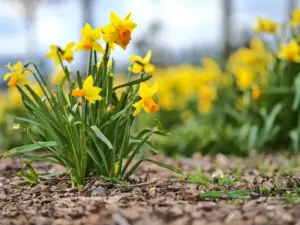
5 Best Bulbs for Fall Planting: Brighten Your Garden This Spring
Are you dreaming of a garden full of vibrant colors in the spring? The key [...]
Aug
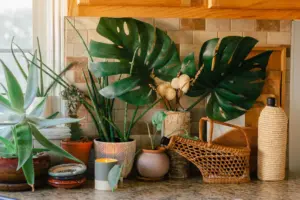
How to Repot Houseplants Like a Pro
Do your houseplants look like they’ve outgrown their pots? Are their roots popping out of [...]
Aug
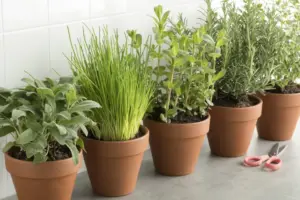
10 Houseplants That Will Thrive in Your Kitchen
Are you tired of your kitchen feeling dull and lifeless? Want to add a little [...]
Aug
Reviews
There are no reviews yet.