


Spotted Bee Balm Seeds – Monarda Punctata Flower Herb, 100 Seeds
Original price was: 32.99 $.12.99 $Current price is: 12.99 $.
Cultivate beautiful spotted bee balm seeds (Monarda Punctata), a unique native herb with showy pinkish-purple and yellow spotted flowers. These monarda punctata seeds attract essential pollinators like bees and butterflies, thriving in full sun and average to dry soils. Perfect for garden beds or containers.
Estimated arrival
Sep 18
Sep 23 - Sep 25
Sep 25 - Sep 30
See our Shipping Policy.
Get in touch with us via email, and our team will review your concerns.
Our Alive & Thrive Guarantee covers issues with your plants within the first 30 days. Read our Refund & Returns Policy.
-
USDA Hardiness Zone
4 - 8 -
Soil Type
Average - Dry, well-draining soil -
Sunlight Exposure
Full Sun -
Expected Planting Period
Fall / Spring (after cold stratification)
Overview
Discover the beauty and ecological benefits of spotted bee balm seeds (Monarda Punctata), also known as Dotted Beebalm, Horesemint, or Dotted Mint. This unique species of Monarda is native to the eastern United States, flourishing in prairies and coastal plains. Our offering includes 100 high-quality spotted bee balm seeds, providing an excellent opportunity to grow this distinctive herb in your garden. The plant produces captivating pinkish-purple and yellow flowers adorned with purple spots, creating a vibrant display. Beyond its ornamental appeal, Monarda Punctata seeds grow into plants that are well-adapted to sandy soils and periods of drought, making them a resilient choice for various landscapes. These plants form neat clumps that spread by runners but are not considered invasive, offering controlled growth and a delightful presence in any garden setting.
Growing spotted bee balm seeds allows you to cultivate a plant that is not only visually appealing but also highly beneficial for local ecosystems. The upright spikes of nectar-filled flowers are a crucial food source for a variety of pollinators, including honey bees, bumble bees, and butterflies, making your garden a haven for these essential creatures. The plant’s delightful fragrance, similar to that of Oregano, adds another layer of sensory pleasure to your outdoor space. Whether you’re an experienced gardener or just starting, these horesemint seeds are a rewarding choice, promising a long bloom period from April to August and contributing to a thriving pollinator-friendly environment. Consider adding these dotted mint seeds to your herb garden for both beauty and utility.
Key Benefits
Growing spotted bee balm seeds offers numerous advantages for both your garden and the environment. This remarkable herb provides a blend of aesthetic appeal, ecological support, and practical utility. Its resilience and attractive features make it a standout choice for various garden designs.
- Pollinator Magnet: The nectar-rich flowers are a vital food source, actively attracting honey bees, bumble bees, and butterflies, helping to support local pollinator populations and enhance garden biodiversity.
- Unique Ornamental Appeal: Features striking pinkish-purple and yellow flowers with distinctive purple spots, adding a unique visual texture and vibrant color to any garden bed or container.
- Drought Tolerant & Resilient: Well-adapted to sandy soils and periods of drought, making it an excellent choice for xeriscaping or gardens in drier climates, requiring less water once established.
- Deer Resistant: Naturally deters deer, protecting your garden from common browsing damage and ensuring the plant’s health and longevity.
- Fragrant Herb: Emits a delightful fragrance reminiscent of Oregano, which can be enjoyed in the garden and makes for a wonderful, aromatic cut flower.
- Long Bloom Period: Provides an extended flowering season from April to August, ensuring continuous color and pollinator activity throughout the summer months.
- Container Friendly: Forms neat, non-invasive clumps, making it suitable for growing in containers on patios or balconies, bringing its beauty and benefits to smaller spaces.
Plant Care & Growing Tips
Successfully growing spotted bee balm seeds requires understanding their specific needs, though they are generally quite adaptable. For optimal germination, these monarda punctata seeds benefit from cold stratification. You can either plant them in the fall for natural cold stratification over winter or manually cold stratify them in your refrigerator before spring planting. Once germinated, provide a location with full sun exposure, meaning at least 6 hours of direct sunlight daily, to ensure vigorous growth and abundant flowering. While adaptable, these plants thrive in average to dry soil conditions, demonstrating excellent drought tolerance once established. Ensure the soil is well-draining to prevent root rot, as soggy conditions are detrimental to their health.
When it comes to watering, spotted bee balm seeds grown plants prefer consistent moisture during establishment, but once mature, they are quite self-sufficient and only require infrequent watering during prolonged dry spells. They are hardy in USDA Zones 4-8, making them suitable for a wide range of climates. Plants typically reach a height of 3-4 feet with a spread of 2-4 feet, so allow adequate spacing for air circulation to prevent fungal issues. Fertilization is generally not heavily required; a light application of a balanced slow-release fertilizer in spring is usually sufficient. Keep an eye out for powdery mildew, which can occur in humid conditions or with poor air circulation; ensuring proper spacing and good light helps mitigate this. Deadheading spent flowers can encourage further blooming and prevent self-seeding if desired. These bee balm herb seeds are a low-maintenance yet high-reward addition to any garden.
Size & Details
This package contains 100 spotted bee balm seeds, providing a generous quantity for establishing a vibrant patch of Monarda Punctata in your garden. Each seed is ready for planting in fall, after cold stratification, or in spring. When mature, plants typically reach a height of 3 to 4 feet, creating a substantial presence in the landscape. An ideal spacing of 2 to 4 feet between plants is recommended to allow for healthy growth and air circulation. The plants bloom throughout the summer, offering a long season of color and fragrance. These horesemint seeds will develop into robust plants known for their resilience and adaptability, particularly to average to dry soil conditions and full sun exposure. Expect a beautiful display of pinkish-purple and yellow flowers with distinctive purple spots, attracting numerous pollinators to your garden.
The mature plants are known for their deer resistance and can also thrive when grown in containers, offering flexibility for various garden designs. Their ability to adapt to sandy soils and drought conditions makes them a durable choice for many environments. While forming neat clumps, they are not considered invasive. The delightful, oregano-like fragrance adds to their appeal, making them excellent cut flowers. With these dotted mint seeds, you can anticipate a rewarding gardening experience, culminating in a beautiful, pollinator-friendly, and low-maintenance herb garden.
Frequently Asked Questions
- Q: How big does this plant get? A: Spotted Bee Balm typically grows to a height of 3 to 4 feet with a spread of 2 to 4 feet, forming neat clumps in your garden.
- Q: Is this an indoor or outdoor plant? A: Spotted Bee Balm (Monarda Punctata) is primarily an outdoor plant, thriving in full sun conditions in garden beds or large containers.
- Q: Is this plant easy to care for? A: Yes, once established, spotted bee balm seeds grow into a relatively easy-to-care-for plant, known for its drought tolerance and deer resistance.
- Q: What condition will the seeds arrive in? A: You will receive 100 spotted bee balm seeds in a protective packet, ready for planting according to the provided instructions.
- Q: Can I use the bee balm in cooking? A: While bee balm herb seeds produce a fragrant plant, Monarda Punctata is generally considered more ornamental and for attracting pollinators, though some Monarda species have culinary uses.
- Q: How long until it blooms? A: After planting monarda punctata seeds, the plants typically establish in their first year and begin blooming in the summer months of the following year, with a long bloom period from April to August.
- Q: Will it survive winter in my zone? A: Spotted Bee Balm is hardy in USDA Zones 4-8, meaning it can survive winter temperatures within this range and return in spring.
- Q: How much sunlight does it need? A: This plant requires full sun, ideally receiving at least 6 hours of direct sunlight per day, for optimal growth and flowering.
- Q: What type of soil does it prefer? A: Spotted Bee Balm prefers average to dry, well-draining soil and is particularly well-adapted to sandy conditions.
- Q: Is it invasive? A: No, while it spreads by runners, spotted bee balm is not considered invasive or aggressive, forming neat and manageable clumps.
Be the first to review “Spotted Bee Balm Seeds – Monarda Punctata Flower Herb, 100 Seeds”
Related products

Herb Seeds
500 English Lavender Vera Seeds – Lavandula Angustifolia – Fragrant Purple Flower Herb – Outdoor


Herb Seeds
Munstead Lavender Seeds – 200 English Lavandula Angustifolia Fragrant Purple Flower Herb Seeds
You May Like
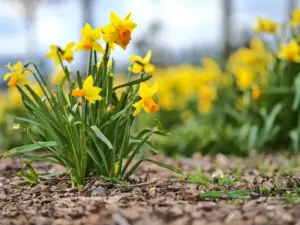
5 Best Bulbs for Fall Planting: Brighten Your Garden This Spring
Are you dreaming of a garden full of vibrant colors in the spring? The key [...]
Aug
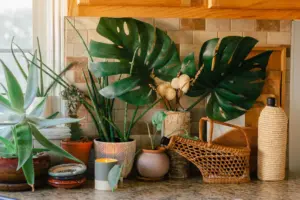
How to Repot Houseplants Like a Pro
Do your houseplants look like they’ve outgrown their pots? Are their roots popping out of [...]
Aug
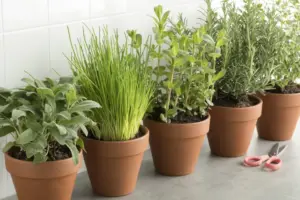
10 Houseplants That Will Thrive in Your Kitchen
Are you tired of your kitchen feeling dull and lifeless? Want to add a little [...]
Aug
Reviews
There are no reviews yet.