


Indian Plum Osoberry Fruit Shrub Seeds – 15 Seeds for Outdoor Planting
Original price was: 32.99 $.12.99 $Current price is: 12.99 $.
Discover the joy of growing your own Indian Plum seeds, also known as Osoberry or Oregon Plum. This deciduous native shrub, Oemleria cerasiformis, produces early white, fragrant flowers followed by edible dark purplish-blue fruit. Perfect for attracting hummingbirds to your garden, these Osoberry seeds are ideal for outdoor planting in USDA Zones 6-10.
Estimated arrival
Sep 18
Sep 23 - Sep 25
Sep 25 - Sep 30
See our Shipping Policy.
Get in touch with us via email, and our team will review your concerns.
Our Alive & Thrive Guarantee covers issues with your plants within the first 30 days. Read our Refund & Returns Policy.
-
USDA Hardiness Zone
6 - 10 -
Soil Type
Average, well-draining soil -
Sunlight Exposure
Full sun - Part shade -
Expected Planting Period
Outdoors after frost / Fall / Cold stratify / Indoors weeks before last frost
Overview
Embark on a rewarding gardening journey with these premium Indian Plum seeds. Also known as Osoberry or Oregon Plum, the Oemleria cerasiformis is a remarkable deciduous shrub native to western North America. Cultivating Indian Plum seeds allows you to introduce a unique and beneficial plant to your landscape, known for its early blooming white flowers that emerge in late winter to early spring, often before its leaves appear. These fragrant blossoms are a vital early nectar source for pollinators, particularly hummingbirds, making it an excellent choice for wildlife-friendly gardens. Following the flowers, the shrub produces small, dark purplish-blue, edible fruits that resemble miniature plums, hence its common name. These fruits are a favorite of various bird species and, when ripe, can be enjoyed by humans, offering a slightly bitter but distinctive taste. Growing Osoberry seeds is a sustainable way to enhance biodiversity and enjoy a beautiful, low-maintenance plant that adapts well to various conditions.
The Oemleria cerasiformis seeds offer an opportunity to cultivate a resilient and attractive shrub that can reach a height of 10-15 feet. Its upright, spreading habit provides a lovely structural element to any garden, whether used as a specimen plant, in hedgerows, or as part of a native plant landscape. The foliage is a fresh green, turning to shades of yellow in the fall, adding seasonal interest. This plant is not only beautiful but also ecologically valuable, providing food and habitat for local wildlife. If you’re looking to plant Indian Plum, starting from seed is a fulfilling process that connects you directly with nature’s cycle.
Key Benefits
The Indian Plum seeds offer numerous advantages for both home gardeners and the ecosystem. Planting this native shrub provides a wealth of benefits that extend beyond its aesthetic appeal:
- Early Spring Interest: Be among the first in your neighborhood to witness the delicate, fragrant white flowers of the Indian Plum, blooming as early as February, providing a welcome sign of spring. These early blooms are a critical food source for early emerging pollinators.
- Attracts Wildlife: The flowers are a magnet for hummingbirds and other early pollinators, while the ripe, dark purplish-blue berries are a favorite food source for various bird species and small mammals, enhancing your garden’s biodiversity.
- Edible Fruit: The small, plum-like fruits are edible for humans when fully ripe, offering a unique, slightly bitter flavor that can be enjoyed fresh or used in preserves. Growing Osoberry seeds provides a source of natural, homegrown produce.
- Native and Adaptable: As a native plant, the Indian Plum is well-suited to local conditions, requiring less water and care once established. It thrives in USDA Hardiness Zones 6-10 and is tolerant of various soil types.
- Low Maintenance: Once established, this shrub is remarkably resilient and requires minimal intervention, making it an excellent choice for busy gardeners or those new to planting.
- Seasonal Beauty: From its early white flowers and fresh green foliage to its autumn yellow leaves and dark berries, the Indian Plum provides visual interest throughout multiple seasons.
- Supports Local Ecosystems: By choosing to plant Indian Plum, you are contributing to the health of local ecosystems by providing food and shelter for native wildlife.
Plant Care & Growing Tips
Cultivating Indian Plum seeds requires a bit of patience and attention to specific growing conditions to ensure successful germination and establishment. For outdoor planting, it’s best to sow seeds after the last frost in spring or in the fall. Indian Plum seeds benefit from a period of cold stratification to break dormancy. This can be achieved naturally by planting in the fall, allowing winter’s cold to prepare the seeds for spring germination. Alternatively, you can cold stratify indoors by placing the seeds in a moist medium (like sand or peat moss) in a sealed bag and refrigerating them for 60-90 days before planting. Once stratified, sow the Osoberry seeds about 1/4 inch deep in well-draining soil.
The Indian Plum thrives in locations receiving full sun to partial shade. While it can tolerate some shade, more sunlight generally leads to increased flowering and fruiting. It prefers average soil conditions but is quite adaptable. Ensure the soil is well-draining to prevent root rot. Once established, the shrub is relatively drought-tolerant, but consistent moisture during its first year of growth will promote stronger root development. Water regularly, especially during dry spells, allowing the top inch or two of soil to dry out between waterings. The Oemleria cerasiformis seeds will eventually grow into a robust shrub that requires minimal fertilization; a light application of a balanced slow-release fertilizer in early spring can be beneficial but is often not strictly necessary. Pruning can be done in late winter or early spring to remove dead or diseased branches and to shape the plant as desired. Learning to plant Indian Plum successfully ensures a beautiful and beneficial addition to your garden.
Size & Details
This offering includes 15 Indian Plum seeds, providing a generous quantity to start your native shrub collection. When mature, the Indian Plum (Osoberry) typically grows to a height of 10-15 feet with a spread of 12-20 feet, forming an attractive, multi-stemmed shrub. Its growth rate is moderate, establishing itself well within a few years. The seeds are suitable for planting in USDA Hardiness Zones 6-10, making it a versatile choice for many climates across the United States. Expect the first fragrant white flowers to appear very early in the season, typically from February to March, and sometimes extending into April, depending on your specific climate. The edible dark purplish-blue fruits usually develop and ripen from May to June. These Osoberry seeds will arrive ready for planting, allowing you to cultivate this beautiful and beneficial native shrub in your own garden.
Frequently Asked Questions
- Q: How tall will the Indian Plum grow? A: The Indian Plum (Osoberry) typically reaches a mature height of 10 to 15 feet, forming a lovely upright shrub. Its spread can be between 12 to 20 feet, creating a substantial presence in your garden.
- Q: What are the sunlight requirements for planting Indian Plum seeds? A: For optimal growth and fruiting, the Indian Plum prefers full sun to partial shade. While it can tolerate some shade, more sun will encourage a greater abundance of flowers and subsequent fruit.
- Q: Is this plant easy to care for? A: Yes, once established, the Indian Plum is considered a low-maintenance shrub. It’s native to North America, making it naturally resilient and adaptable to various conditions. Starting with Indian Plum seeds is a rewarding process.
- Q: What condition will the seeds arrive in? A: You will receive 15 Indian Plum seeds that are carefully packaged to ensure their viability upon arrival, ready for stratification and planting.
- Q: Can I eat the fruit from the Osoberry plant? A: Yes, the dark purplish-blue fruits of the Osoberry (Indian Plum) are edible for humans when fully ripe. They have a distinctive, slightly bitter flavor and are also a favorite of many bird species.
- Q: When is the best time to plant Indian Plum seeds? A: The best time to plant Osoberry seeds is in the fall for natural cold stratification, or in the spring after a period of artificial cold stratification. This allows the seeds to prepare for germination.
- Q: What USDA Hardiness Zones are suitable for the Indian Plum? A: The Indian Plum is hardy in USDA Zones 6 through 10, making it suitable for a wide range of climates. This hardiness ensures the plant can withstand varying winter temperatures.
- Q: What kind of soil does the Indian Plum prefer? A: The Indian Plum is adaptable but thrives best in average, well-draining soil. It’s important to avoid overly wet conditions to prevent root issues.
- Q: How long does it take for Indian Plum seeds to germinate? A: Germination time can vary, but typically, after proper cold stratification, you can expect seedlings to emerge in spring once temperatures warm up. Patience is key when growing from Oemleria cerasiformis seeds.
- Q: Will planting Indian Plum seeds attract hummingbirds? A: Absolutely! The early-blooming, fragrant white flowers of the Indian Plum are a vital early nectar source, making it highly attractive to hummingbirds and other early pollinators.
Be the first to review “Indian Plum Osoberry Fruit Shrub Seeds – 15 Seeds for Outdoor Planting”
Related products


You May Like
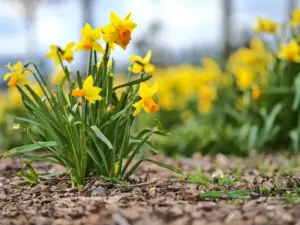
5 Best Bulbs for Fall Planting: Brighten Your Garden This Spring
Are you dreaming of a garden full of vibrant colors in the spring? The key [...]
Aug

How to Repot Houseplants Like a Pro
Do your houseplants look like they’ve outgrown their pots? Are their roots popping out of [...]
Aug
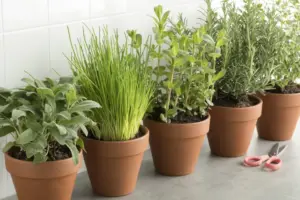
10 Houseplants That Will Thrive in Your Kitchen
Are you tired of your kitchen feeling dull and lifeless? Want to add a little [...]
Aug
Reviews
There are no reviews yet.