


Chinese Quince Tree Seeds – 20 Count – Edible Fruit & Pink Flowers
Original price was: 32.99 $.12.99 $Current price is: 12.99 $.
Cultivate beautiful and productive Chinese Quince tree seeds to grow a stunning ornamental tree with fragrant pink flowers and delicious, aromatic yellow fruit. These Chaenomeles sinensis seeds are perfect for gardeners in USDA Zones 5-8 looking for an attractive and fruitful addition to their landscape.
Estimated arrival
Sep 19
Sep 24 - Sep 26
Sep 26 - Oct 01
See our Shipping Policy.
Get in touch with us via email, and our team will review your concerns.
Our Alive & Thrive Guarantee covers issues with your plants within the first 30 days. Read our Refund & Returns Policy.
-
USDA Hardiness Zone
5 - 8 -
Soil Type
Average, well-draining soil (tolerates sandy or heavy clay) -
Sunlight Exposure
Full sun -
Expected Planting Period
Fall sow or cold stratify for spring planting
Overview
Embark on a rewarding gardening journey with these high-quality Chinese Quince tree seeds. The Chinese Quince, scientifically known as Chaenomeles sinensis (syn. Pseudocydonia sinensis), is a captivating deciduous tree native to China, revered for both its aesthetic appeal and its delicious, aromatic fruit. These thornless trees offer a spectacular display of large, fragrant pink flowers in spring, followed by beautiful yellow-orange fruit in the fall. Beyond its ornamental value, the edible quince fruit is highly prized for culinary uses, from jams and pies to juices and liqueurs. Growing to an impressive height of 15-20 feet, this semi-evergreen tree also boasts stunning fall foliage in shades of yellow, scarlet, and dark red, making it a focal point in any garden. Whether you’re an experienced horticulturist or a budding gardener, cultivating an ornamental quince tree from these seeds promises a bountiful and beautiful reward.
Key Benefits
Cultivating a Chinese Quince tree from seed offers a multitude of benefits, transforming your garden into a vibrant and productive space. From its visual appeal to its culinary delights, this tree is a true garden gem.
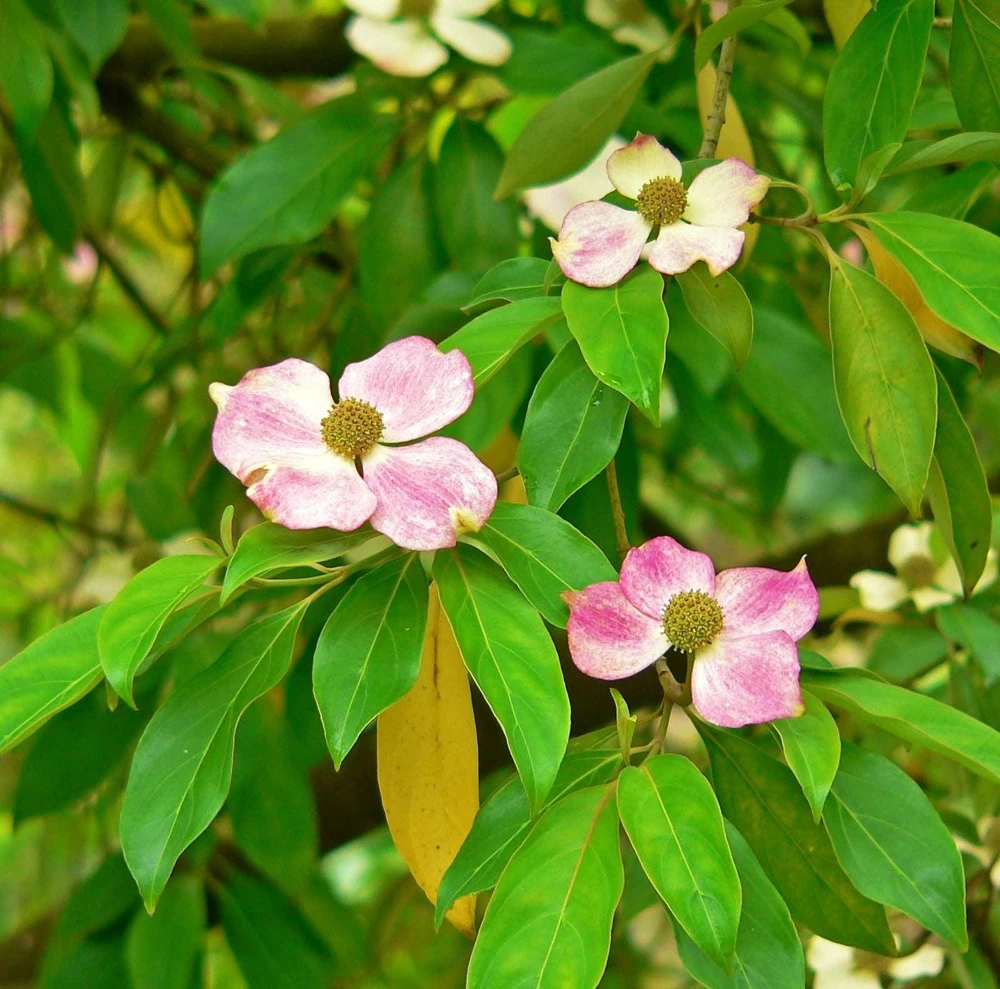
- Ornamental Beauty: Enjoy a breathtaking display of large, fragrant 1 1/2-inch pink flowers in April-May, attracting bees and butterflies to your garden. The tree’s semi-evergreen nature and vibrant fall foliage provide year-round interest.
- Delicious Edible Fruit: Harvest abundant 5-7 inch yellow-orange fruit in October, known for its sweet, spicy flavor. The edible quince fruit is versatile for jams, jellies, pies, desserts, juices, and liqueurs.
- Aromatic Fragrance: The ripe quince fruit emits a wonderfully sweet and spicy scent, so potent it can be used as a natural air freshener indoors, filling your home with its delightful aroma.
- Thornless Variety: Unlike some other quince varieties, this thornless quince tree offers a safer and more pleasant gardening experience, making harvesting and maintenance easier.
- Cold Hardy & Adaptable: These trees are cold hardy to USDA Zone 5 (down to -20°F), making them suitable for a wide range of climates. They can also tolerate various soil types, including sandy or heavy clay.
- Wildlife Attraction: The spring blooms are a magnet for pollinators like bees and butterflies, contributing to the biodiversity and health of your garden ecosystem.
- Bonsai Potential: The Chinese Quince is also a popular choice for bonsai enthusiasts, allowing for artistic cultivation and shaping into miniature living sculptures.
Plant Care & Growing Tips
To successfully grow your Chinese Quince tree seeds into thriving trees, understanding their care requirements is essential. These trees are relatively low-maintenance once established, but proper initial care will ensure robust growth and abundant fruit production. For best germination, fall sow seeds directly outdoors or perform cold stratification for 90-120 days if sowing indoors in spring. Once germinated, plant seedlings in a location that receives full sun, meaning at least 6-8 hours of direct sunlight per day. Adequate sunlight is crucial for optimal flowering and fruit development. The ornamental quince tree prefers average soil conditions, but is notably adaptable, tolerating both sandy and heavy clay soils, provided there is good drainage. While established trees are somewhat drought-tolerant, young plants require consistent moisture. Water regularly, especially during dry spells, ensuring the soil remains evenly moist but not waterlogged.
The Chaenomeles sinensis seeds will develop into trees that are hardy in USDA Zones 5-8, capable of withstanding temperatures as low as -20°F. Fertilization is generally not heavily required for established trees in good soil, but a balanced slow-release fertilizer can be applied in early spring to support vigorous growth and fruit production. Pruning can be done in late winter or early spring to remove dead or diseased branches, shape the tree, and encourage better air circulation and sunlight penetration. While generally resilient, keep an eye out for common fruit tree pests and diseases, addressing them promptly with organic or appropriate treatments. With consistent care, your Chinese Quince tree will flourish, providing years of ornamental beauty and delicious fruit.
Size & Details
Each packet contains 20 Chinese Quince tree seeds, providing a generous quantity to start your own collection of these remarkable trees. When grown to maturity, the Chinese Quince tree typically reaches a height of 15 to 20 feet with a spread of 10 to 12 feet, creating a substantial and elegant presence in the landscape. These trees are known for their moderate growth rate, establishing themselves well within a few years. The fruit, which matures in October, measures an impressive 5 to 7 inches long and turns a beautiful yellow-orange color when ripe. The large, fragrant pink flowers bloom from April to May, adding early spring color to your garden. These Chaenomeles sinensis seeds are designed to produce a vigorous and productive tree, offering both an attractive focal point and a source of delicious fruit for many years.
Frequently Asked Questions
- Q: How big does this plant get? A: The Chinese Quince tree typically grows to a height of 15-20 feet with a spread of 10-12 feet, making it a medium-sized ornamental fruit tree suitable for various garden sizes.
- Q: How much sunlight does it need? A: This tree thrives in full sun, requiring at least 6-8 hours of direct sunlight per day for optimal flowering and fruit production.
- Q: Is this plant easy to care for? A: Yes, once established, the Chinese Quince tree is relatively low-maintenance. It’s adaptable to various soil types and cold hardy, making it a good choice for many gardeners.
- Q: What condition will the seeds arrive in? A: You will receive 20 Chinese Quince tree seeds, carefully packaged to ensure their viability and readiness for planting.
- Q: Can I use the fruit in cooking? A: Absolutely! The edible quince fruit is highly valued for culinary uses, perfect for making jams, jellies, pies, desserts, juices, and liqueurs due to its sweet and spicy flavor.
- Q: When is the best time to plant these seeds? A: For best results, fall sow the Chinese Quince tree seeds directly outdoors, or cold stratify them for 90-120 days if you plan to sow them indoors in the spring.
- Q: Will it survive winter in my zone? A: Yes, the Chinese Quince tree is cold hardy and suitable for USDA Zones 5-8, capable of tolerating winter temperatures down to -20°F.
- Q: What are the flowers like? A: The tree produces large, fragrant 1 1/2-inch pink flowers in April-May, which are very ornamental and attract pollinators.
- Q: Is this a thornless variety? A: Yes, this particular variety is a thornless quince tree, making it easier and safer to manage and harvest the fruit.
- Q: Can I grow this as a bonsai? A: Yes, the Chinese Quince is a popular and excellent choice for bonsai cultivation due to its attractive foliage, flowers, and fruit.
Be the first to review “Chinese Quince Tree Seeds – 20 Count – Edible Fruit & Pink Flowers”
Related products



You May Like

5 Best Bulbs for Fall Planting: Brighten Your Garden This Spring
Are you dreaming of a garden full of vibrant colors in the spring? The key [...]
Aug

How to Repot Houseplants Like a Pro
Do your houseplants look like they’ve outgrown their pots? Are their roots popping out of [...]
Aug
10 Houseplants That Will Thrive in Your Kitchen
Are you tired of your kitchen feeling dull and lifeless? Want to add a little [...]
Aug
Reviews
There are no reviews yet.