


Red Flowering Currant Seeds – Ribes Sanguineum Shrub Seeds – 25 Seeds – Attracts Hummingbirds
Original price was: 32.99 $.12.99 $Current price is: 12.99 $.
Cultivate stunning red flowering currant seeds (Ribes sanguineum) and add vibrant color to your garden. These ornamental shrubs feature beautiful red blooms, attract hummingbirds, and produce delicious edible blue-black berries. Ideal for USDA zones 5-9, these flowering shrub seeds are a fantastic choice for any landscape.
Estimated arrival
Sep 18
Sep 23 - Sep 25
Sep 25 - Sep 30
See our Shipping Policy.
Get in touch with us via email, and our team will review your concerns.
Our Alive & Thrive Guarantee covers issues with your plants within the first 30 days. Read our Refund & Returns Policy.
-
USDA Hardiness Zone
5 - 9 -
Soil Type
Average, well-draining soil -
Sunlight Exposure
Full sun - Part shade -
Expected Planting Period
Fall sow / Cold stratify / Indoors before last frost / Outdoors after danger of frost
Overview
Embark on a rewarding gardening journey with these high-quality red flowering currant seeds. Scientifically known as Ribes sanguineum, and often referred to as Blood Currant or Winter Currant, this ornamental shrub is a true garden gem. Native to western North America, it brings a rich history and ecological value to your landscape. Each packet contains 25 seeds, providing ample opportunity to establish these captivating shrubs. The Red Flowering Currant is cherished for its breathtaking clusters of red flowers that emerge in early spring, creating a spectacular display that signals the arrival of warmer weather. Beyond their visual appeal, these shrubs are incredibly beneficial, serving as vital attractants for pollinators like butterflies and especially hummingbirds. If you’re looking to enhance biodiversity in your garden while enjoying a plant with multiple seasons of interest, cultivating Ribes sanguineum seeds is an excellent choice.
These robust shrubs are not only beautiful but also produce edible blue-black berries, adding a practical element to their charm. The berries, similar in size to blueberries, transition from a pale blue to a deep purple as they mature. They can be enjoyed fresh, used in jams and pies, or dried for later consumption. The foliage itself is spicy and fragrant, offering another sensory delight. Growing from blood currant seeds allows you to witness the full life cycle of this remarkable plant, from germination to its mature, fruit-bearing state. They are relatively easy to establish and maintain, making them suitable for both experienced gardeners and those new to growing shrubs from seed. Prepare to transform your garden into a haven of color and wildlife with these exceptional seeds.
Key Benefits
The Red Flowering Currant offers a multitude of benefits, making it a highly desirable addition to any garden. Growing red flowering currant seeds provides a unique opportunity to cultivate a plant that is both ornamental and ecologically valuable.
- Stunning Ornamental Value: Enjoy prolific clusters of vibrant red flowers in spring, creating a dramatic visual impact in your garden. These blooms are a significant feature, making the shrub a focal point in any landscape.
- Attracts Pollinators: The bright red flowers are a magnet for hummingbirds and butterflies, bringing lively activity and essential pollination to your outdoor space. This makes it an excellent choice for wildlife gardens.
- Edible Berries: Produce delicious blue-black berries that can be eaten fresh, baked into pies, made into jams, or dried. These sweet and tart currants offer a healthy, homegrown treat.
- Fragrant Foliage: The leaves of the Ribes sanguineum seeds shrub emit a spicy fragrance, adding another sensory dimension to your garden experience. This subtle scent enhances the overall appeal.
- Erosion Control: With its robust root system, the Red Flowering Currant is an excellent plant for erosion control, especially on slopes or in areas prone to soil runoff. It helps stabilize the soil effectively.
- Wildlife Habitat: Provides valuable habitat and food for various woodland creatures and birds, contributing to local biodiversity. The berries are particularly enjoyed by birds.
- Adaptable and Drought Tolerant: These shrubs tolerate a wide range of soil conditions, including sandy or clay soils, and exhibit good drought tolerance once established, making them a hardy and low-maintenance choice.
Plant Care & Growing Tips
Successfully growing your red flowering currant seeds into thriving shrubs requires understanding their specific care needs. These resilient plants are quite adaptable, but providing optimal conditions will ensure the best growth and bloom. For planting the Ribes sanguineum seeds, fall sowing is recommended. Alternatively, seeds benefit from cold stratification if sown indoors before the last frost, or directly outdoors after the danger of frost has passed. Plant seeds at a depth of about 1/4 inch in well-draining soil. Ensure they receive consistent moisture during germination and early growth stages. Once established, these shrubs are quite drought-tolerant, but regular watering during prolonged dry spells will promote healthier growth and fruit production.
The Red Flowering Currant thrives in locations offering full sun to partial shade. In hotter climates, some afternoon shade can help protect the plant from intense heat. They are adaptable to average soil conditions, including sandy or clay soils, but prefer well-drained loam. While not heavy feeders, an annual application of balanced fertilizer in early spring can encourage vigorous growth and abundant flowering. Pruning is best done after flowering to maintain shape and encourage new growth. Remove any dead or crossing branches to improve air circulation. These shrubs are hardy in USDA zones 5-9, making them suitable for a wide range of climates. With proper care, your flowering shrub seeds will develop into beautiful, long-lived specimens that enhance your garden for years.
Size & Details
This offering includes 25 red flowering currant seeds (Ribes sanguineum), ready for cultivation. Once mature, these shrubs typically reach a height of 6 to 12 feet with a spread of 3 to 5 feet, creating a substantial presence in the landscape. Their growth rate is moderate, allowing them to establish well within a few seasons. The vibrant red flowers bloom from April to May, followed by the development of blue-black berries that are ready for harvest from August to October. Seeds should be sown to allow for proper germination, which can be enhanced by cold stratification. These plants are shipped as seeds, providing you with the opportunity to grow them from their very beginning. They are a robust addition to any garden, offering both aesthetic appeal and practical benefits with their edible fruit.
Frequently Asked Questions
- Q: How big does the Red Flowering Currant shrub get? A: The Red Flowering Currant typically grows to a height of 6 to 12 feet and can spread 3 to 5 feet wide, forming a dense, attractive shrub. Its size makes it suitable for various garden settings, from borders to specimen plants.
- Q: What are the light requirements for growing red flowering currant seeds? A: These shrubs prefer full sun to partial shade. In areas with intense summer heat, some afternoon shade can be beneficial to prevent stress and ensure optimal blooming.
- Q: Is this plant easy to care for? A: Yes, the Red Flowering Currant is considered relatively easy to care for once established. It tolerates a range of soil conditions and is moderately drought-tolerant, making it a good choice for gardeners of varying experience levels.
- Q: What condition will the Ribes sanguineum seeds arrive in? A: The product consists of 25 viable seeds, carefully packaged to ensure their integrity during transit. You will receive seeds ready for planting according to the provided instructions.
- Q: Can I eat the berries from the Red Flowering Currant? A: Yes, the blue-black berries produced by the Red Flowering Currant are edible. They can be enjoyed fresh, used in baked goods, made into preserves, or dried for later use.
- Q: When is the best time to plant these flowering shrub seeds? A: The best time to plant Red Flowering Currant seeds is in the fall for natural cold stratification, or indoors with artificial cold stratification before the last frost. They can also be sown outdoors after the danger of frost has passed in spring.
- Q: What USDA Hardiness Zones are suitable for the Red Flowering Currant? A: The Red Flowering Currant is hardy in USDA Zones 5 through 9, making it adaptable to a broad range of climates across the United States. It can withstand winter temperatures within these zones.
- Q: Do these shrubs attract wildlife? A: Absolutely! The vibrant red flowers are particularly attractive to hummingbirds and butterflies, while the berries provide a food source for various birds and small animals, enhancing your garden’s biodiversity.
- Q: What kind of soil does the Red Flowering Currant prefer? A: These shrubs are quite adaptable and tolerate average soil conditions, including sandy or clay soils, as long as they are well-draining. They do not thrive in waterlogged conditions.
- Q: Are there other common names for this plant? A: Yes, besides Red Flowering Currant, it is also commonly known as Blood Currant, Winter Currant, or Redflower Currant. These names highlight its distinctive red blooms and winter interest.
Be the first to review “Red Flowering Currant Seeds – Ribes Sanguineum Shrub Seeds – 25 Seeds – Attracts Hummingbirds”
Related products


Shrub Seeds
Golden Currant Shrub Seeds – 20 Count – Edible Black Fruit, Yellow Flowers, Ribes Aureum

You May Like
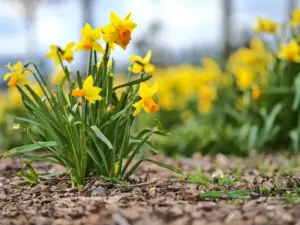
5 Best Bulbs for Fall Planting: Brighten Your Garden This Spring
Are you dreaming of a garden full of vibrant colors in the spring? The key [...]
Aug

How to Repot Houseplants Like a Pro
Do your houseplants look like they’ve outgrown their pots? Are their roots popping out of [...]
Aug
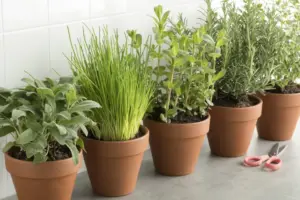
10 Houseplants That Will Thrive in Your Kitchen
Are you tired of your kitchen feeling dull and lifeless? Want to add a little [...]
Aug
Reviews
There are no reviews yet.