


Mock Strawberry Seeds – 50 Edible Red Fruit Berry Seeds, Potentilla Indica
Original price was: 32.99 $.12.99 $Current price is: 12.99 $.
Cultivate beautiful and unique plants with these mock strawberry seeds. Each packet contains 50 seeds that grow into attractive groundcover plants with edible red fruits. Also known as potentilla indica seeds, these plants are easy to grow and add a charming touch to any garden.
Estimated arrival
Sep 19
Sep 24 - Sep 26
Sep 26 - Oct 01
See our Shipping Policy.
Get in touch with us via email, and our team will review your concerns.
Our Alive & Thrive Guarantee covers issues with your plants within the first 30 days. Read our Refund & Returns Policy.
-
USDA Hardiness Zone
5 - 9 -
Soil Type
Average - Dry, well-draining soil -
Sunlight Exposure
Sun - Part Shade -
Expected Planting Period
Outdoors after last frost / Indoors weeks before last frost
Overview
Embark on a delightful gardening journey with these premium mock strawberry seeds. Also known by its scientific name, Potentilla Indica (or Duchesnea Indica), and common names like Indian Strawberry or False Strawberry, this unique plant offers both ornamental beauty and edible fruits. Originating from Asia, the Mock Strawberry plant is an evergreen perennial that forms an attractive groundcover, reaching heights of 12-36 inches. It’s an excellent choice for gardeners looking to add a touch of whimsy and natural charm to their landscape. These edible berry seeds will sprout into plants that produce small, red, strawberry-like fruits from July to October, along with cheerful yellow flowers in late spring to early fall. While the fruits are edible, their flavor is often described as mild or bland, making them more of a visual treat than a culinary staple. They are perfect for teaching children about gardening and foraging in a safe, interesting way.
Each packet contains 50 high-quality potentilla indica seeds, providing ample opportunity to establish a thriving patch of these fascinating plants. Whether you’re aiming to fill a tricky shaded spot, create a lush border, or simply enjoy the novelty of its bright red berries, these seeds are an ideal starting point. The Mock Strawberry is known for its hardiness and adaptability, making it suitable for a wide range of growing conditions and a rewarding project for gardeners of all experience levels.
Key Benefits
Growing mock strawberry seeds offers a multitude of advantages for your garden and your family. These versatile plants provide both aesthetic appeal and practical benefits, making them a fantastic addition to various garden designs. Their easy-care nature ensures that even beginner gardeners can enjoy success.
- Attractive Groundcover: The evergreen foliage of the indian strawberry plant creates a dense, lush carpet, effectively suppressing weeds and adding continuous greenery to your landscape. It’s perfect for naturalizing areas or providing year-round visual interest.
- Edible & Ornamental Fruits: From July to October, the plants produce bright red, strawberry-like fruits that are visually appealing and safe to eat. While not intensely flavorful, they add a unique touch to the garden and are great for educational purposes.
- Cheerful Yellow Flowers: Late spring through early fall, the plants are adorned with small, vibrant yellow flowers, adding a pop of color before the fruits appear.
- Low Maintenance: Once established, the false strawberry groundcover requires minimal care, thriving in various soil conditions and light exposures. It’s a great option for busy gardeners.
- Hardy & Adaptable: Suitable for USDA Zones 5-9, this plant is resilient and can tolerate a range of temperatures and environmental conditions, making it a reliable choice for many regions.
- Pollinator Friendly: The flowers attract beneficial insects to your garden, contributing to a healthy ecosystem.
- Soil Erosion Control: Its dense root system helps stabilize soil, preventing erosion on slopes or in areas prone to washout.
Plant Care & Growing Tips
Cultivating a thriving patch from your mock strawberry seeds is straightforward, thanks to the plant’s adaptable nature. To ensure the best germination and growth, understanding a few key care requirements is essential. These plants are quite resilient, making them a good choice for those new to gardening or looking for an easy-care option.
For germination, you can plant these potentilla indica seeds outdoors after the last frost, or start them indoors several weeks before the last frost for an earlier start. Light requirements for the Mock Strawberry range from full sun to part shade. In hotter climates, some afternoon shade can prevent leaf scorch, while in cooler regions, full sun encourages more prolific flowering and fruiting. Ensure the soil is well-draining, as these plants prefer average to dry conditions and do not tolerate soggy feet. A general-purpose garden soil amended with some compost will provide a good foundation. The ideal hardiness zone for these plants is USDA 5-9, allowing them to overwinter in many temperate climates. Space your plants about 15-18 inches apart to allow for their spreading habit, as they will readily send out runners to fill in an area, forming the dense false strawberry groundcover you desire.
Water regularly during establishment, especially during dry spells, but once mature, the Mock Strawberry is quite drought-tolerant. Fertilization is generally not required unless your soil is particularly poor; a light application of a balanced fertilizer in spring can encourage more vigorous growth. Watch out for overwatering, which can lead to root rot. Pests and diseases are rarely an issue for this robust plant. By following these simple guidelines, you’ll soon enjoy a beautiful and unique display from your mock strawberry seeds.
Size & Details
Each packet contains 50 mock strawberry seeds, providing a generous quantity for planting. Once established, these plants typically reach a height of 12 to 36 inches, with a similar spread as they form a dense groundcover. They are known for their moderate to fast growth rate, quickly filling in areas with their attractive evergreen foliage. The small, red, edible fruits emerge from July through October, following the cheerful yellow blooms that appear from late spring to early fall. These seeds are ideal for starting new patches of groundcover or enhancing existing garden beds. The plants are robust and can tolerate a variety of conditions, making them a versatile choice for many garden designs.
Frequently Asked Questions
- Q: How big does the Mock Strawberry plant get? A: The Mock Strawberry plant typically grows between 12 to 36 inches tall and spreads broadly as a groundcover, sending out runners to fill in an area.
- Q: Is this an indoor or outdoor plant? A: The Mock Strawberry (Potentilla Indica) is primarily an outdoor plant, best suited for garden beds, borders, or as a groundcover. It thrives in various outdoor conditions.
- Q: Is this plant easy to care for? A: Yes, the Mock Strawberry is considered very easy to care for. Once established, it requires minimal maintenance and is quite resilient to different environmental conditions. It’s an excellent choice for beginners.
- Q: How much sunlight does it need? A: These plants prefer full sun to partial shade. In hotter climates, some afternoon shade can be beneficial to protect the foliage from intense sun.
- Q: What condition will the seeds arrive in? A: You will receive 50 high-quality mock strawberry seeds in a protective packet, ready for planting.
- Q: When is the best time to plant these mock strawberry seeds? A: You can plant the seeds outdoors after the danger of the last frost has passed, or start them indoors several weeks before the last frost for an earlier growing season.
- Q: Are the fruits truly edible? A: Yes, the red fruits of the Mock Strawberry are edible, though their flavor is often described as mild or bland, not as sweet as true strawberries. They are primarily ornamental.
- Q: Will the Mock Strawberry survive winter in my zone? A: These plants are hardy in USDA Zones 5-9, meaning they can typically survive winter in these regions and return year after year.
- Q: What kind of soil does the Mock Strawberry prefer? A: The indian strawberry plant prefers average to dry, well-draining soil. It is adaptable but does not tolerate soggy conditions.
- Q: Can I use false strawberry groundcover to control erosion? A: Yes, due to its spreading habit and dense root system, Mock Strawberry is an effective choice for controlling soil erosion on slopes or in areas where soil stability is a concern.
Be the first to review “Mock Strawberry Seeds – 50 Edible Red Fruit Berry Seeds, Potentilla Indica”
Related products


You May Like

5 Best Bulbs for Fall Planting: Brighten Your Garden This Spring
Are you dreaming of a garden full of vibrant colors in the spring? The key [...]
Aug

How to Repot Houseplants Like a Pro
Do your houseplants look like they’ve outgrown their pots? Are their roots popping out of [...]
Aug
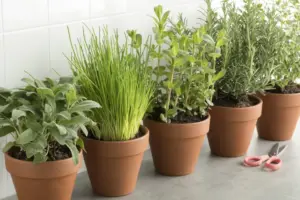
10 Houseplants That Will Thrive in Your Kitchen
Are you tired of your kitchen feeling dull and lifeless? Want to add a little [...]
Aug
Reviews
There are no reviews yet.