

Cortinarius Violaceus Fungus Seeds – Organic Dark Purple Houseplant
Original price was: 55.99 $.35.99 $Current price is: 35.99 $.
Cultivate your own unique fungal specimen with our Cortinarius violaceus fungus seeds. These organic fungus seeds grow into striking dark purple houseplant fungi, adding an unusual touch to any indoor collection. Perfect for enthusiasts seeking something truly distinctive.
Estimated arrival
Sep 18
Sep 23 - Sep 25
Sep 25 - Sep 30
See our Shipping Policy.
Get in touch with us via email, and our team will review your concerns.
Our Alive & Thrive Guarantee covers issues with your plants within the first 30 days. Read our Refund & Returns Policy.
-
USDA Hardiness Zone
year-round indoors -
Soil Type
sterilized hardwood chips and organic compost -
Sunlight Exposure
low indirect light -
Expected Planting Period
year-round indoors
Overview
Embark on a fascinating botanical journey with our premium Cortinarius violaceus fungus seeds. These exceptional organic seeds offer a rare opportunity to cultivate the stunning dark purple mushroom known for its vibrant hue and unique growth habit. Unlike traditional plants, this fungus provides an intriguing visual appeal, making it a captivating addition to any indoor environment. Originating from specific ecological niches, the Cortinarius violaceus, also known as the violet webcap, is highly sought after by collectors and gardening enthusiasts who appreciate unusual specimens. Our seeds are sourced with care, ensuring you receive viable material to start your own cultivation project. Growing organic fungus seeds like these is a rewarding experience, allowing you to observe the intricate life cycle of a less common organism right in your home.
The Cortinarius violaceus fungus seeds are perfect for those looking to expand their horticultural horizons beyond typical greenery. This particular species is celebrated for its deep, almost iridescent purple coloration, which becomes more pronounced as it matures. Its distinctive cap and stipe offer an aesthetic that is both mysterious and beautiful. While often found in natural woodland settings, successful indoor cultivation is achievable with the right conditions and care. This product is ideal for educational purposes, scientific observation, or simply for creating a conversation piece in your living space. The process of growing dark purple fungus from seeds is an engaging activity that connects you with the natural world in a very unique way.
Key Benefits
Cultivating Cortinarius violaceus fungus seeds offers a range of unique benefits, distinguishing it from more common plant varieties. Its striking appearance and rarity make it a truly special addition to any collection.
- Unique Aesthetic Appeal: The most striking feature of the dark purple fungus is its intense violet coloration. This vibrant hue creates a dramatic visual impact, making it a focal point in any indoor garden or display. It introduces a rich, deep color not commonly found in houseplants, offering a sophisticated and unusual touch.
- Educational Value: Growing these organic fungus seeds provides an excellent opportunity to learn about mycology and the life cycle of fungi. It’s a hands-on experience that can deepen understanding of biological processes and ecosystems.
- Rare Specimen:Cortinarius violaceus is not a commonly cultivated species, making it a rare and coveted specimen for collectors. Successfully growing Cortinarius violaceus fungus seeds allows you to possess something truly unique that few others have.
- Low Maintenance (once established): While initial setup requires attention, once established, many fungi species, including this one, can be relatively low maintenance compared to demanding flowering plants. They do not require daily watering or pruning.
- Conversation Starter: The unusual appearance and nature of this rare houseplant fungi are guaranteed to spark curiosity and conversation among guests, adding an interesting dimension to your home decor.
- Therapeutic Hobby: The process of nurturing and observing the growth of these unique organisms can be a calming and meditative hobby, offering a break from daily stresses.
- Natural Decor: Beyond its scientific interest, the dark purple fungus serves as a natural, living piece of art, bringing an element of the forest floor’s mystique into your home.
Plant Care & Growing Tips
Successfully growing Cortinarius violaceus fungus seeds requires understanding their specific needs, which differ significantly from vascular plants. The key lies in mimicking their natural habitat conditions, focusing on substrate, humidity, and temperature. Begin by preparing a suitable substrate; a mix of sterilized wood chips (especially hardwood like oak or beech) and a small amount of organic compost often works well. Ensure the substrate is adequately moist but not waterlogged, as excessive moisture can lead to contamination. Inoculate the substrate with your organic fungus seeds, distributing them evenly across the surface or mixing them gently into the top layer.
Humidity is paramount for the initial germination and subsequent growth of this dark purple fungus. Maintain a high humidity environment, ideally between 85-95%, which can be achieved using a humidity dome, a terrarium, or by regularly misting the growing area. Good air circulation is also important to prevent mold growth, so ensure there’s occasional fresh air exchange. The ideal temperature range for growing Cortinarius violaceus is typically cooler, often between 55-65°F (13-18°C), reflecting its preference for temperate forest environments. Avoid direct sunlight; indirect, low light conditions are best, as fungi do not photosynthesize.
Monitoring for contamination is a crucial aspect of caring for your rare houseplant fungi. Any unusual mold or bacterial growth should be addressed immediately, often by isolating the affected area or, if severe, discarding the contaminated substrate. Patience is key, as fungi can take time to establish and fruit. Once established, they generally require less intervention, primarily needing consistent humidity and temperature. Fertilization is generally not required in the same way as plants; the nutrients are derived from the organic substrate itself. Understanding these unique requirements will help ensure a successful cultivation of your Cortinarius violaceus fungus seeds.
Size & Details
The Cortinarius violaceus fungus seeds will develop into a medium-sized mushroom, typically featuring a cap that can reach 2-6 inches (5-15 cm) in diameter, and a stipe (stem) that grows 2-5 inches (5-12 cm) in height. The growth rate can vary depending on environmental conditions, with initial mycelial colonization taking several weeks, followed by fruiting bodies appearing within a few months under optimal care. These seeds are provided in a standard packet, containing a viable quantity for home cultivation. The mature fungus will display its characteristic deep violet to dark purple coloration, often with a slightly velvety texture on the cap. This species is cultivated for its unique ornamental value, making it a captivating addition to any indoor collection of rare houseplant fungi. The expected lifespan of the fruiting body is typically a few days to a week once mature, after which it will naturally decay, but the mycelial network can continue to produce new flushes over time with proper substrate maintenance.
Frequently Asked Questions
- Q: How big does this fungus get? A: The dark purple fungus typically grows caps between 2-6 inches (5-15 cm) in diameter and stems 2-5 inches (5-12 cm) tall. Its size can vary slightly based on growing conditions and substrate.
- Q: Is this an indoor or outdoor fungus? A: While Cortinarius violaceus naturally occurs outdoors, these Cortinarius violaceus fungus seeds are best cultivated indoors in a controlled environment to ensure optimal growth and minimize contamination. It thrives as a unique houseplant.
- Q: How much light does it need? A: Fungi do not photosynthesize, so they do not require direct sunlight. They prefer low light conditions or indirect light, similar to their natural forest floor habitat.
- Q: Is this fungus easy to care for? A: While not as straightforward as growing a common houseplant, growing Cortinarius violaceus is achievable for dedicated beginners. It requires attention to humidity, substrate preparation, and temperature, but once established, maintenance is moderate.
- Q: What condition will the seeds arrive in? A: Your organic fungus seeds will arrive in a sealed packet, ready for inoculation into your prepared growing substrate. They are carefully packaged to maintain viability during transit.
- Q: What is the best time to plant these seeds? A: Since these are cultivated indoors, you can initiate the growth of your Cortinarius violaceus fungus seeds at any time of the year, provided you can maintain the necessary environmental conditions.
- Q: What type of soil or substrate is best for growing Cortinarius violaceus? A: A rich, organic substrate is crucial. Sterilized hardwood chips (like oak or beech) mixed with some organic compost are typically recommended for successful cultivation of this rare houseplant fungi.
- Q: How long does it take for the fungus to grow? A: After inoculation, mycelial growth can take several weeks. Fruiting bodies of the dark purple fungus may appear within a few months, depending on environmental stability and substrate health.
- Q: Can I eat this fungus? A: No, Cortinarius violaceus is generally considered inedible and potentially toxic. These organic fungus seeds are intended for ornamental and educational purposes only, not for consumption.
- Q: What USDA Hardiness Zone is this fungus suitable for? A: As an indoor cultivated fungus, USDA zones are not directly applicable. However, it thrives in environments mimicking temperate forest conditions, typically between 55-65°F (13-18°C).
Be the first to review “Cortinarius Violaceus Fungus Seeds – Organic Dark Purple Houseplant”
Related products


You May Like
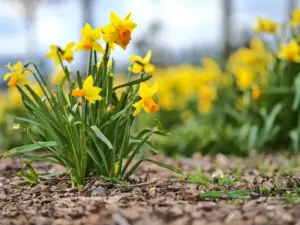
5 Best Bulbs for Fall Planting: Brighten Your Garden This Spring
Are you dreaming of a garden full of vibrant colors in the spring? The key [...]
Aug
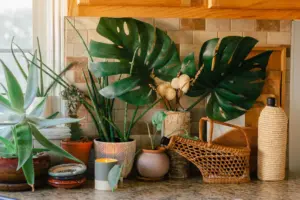
How to Repot Houseplants Like a Pro
Do your houseplants look like they’ve outgrown their pots? Are their roots popping out of [...]
Aug
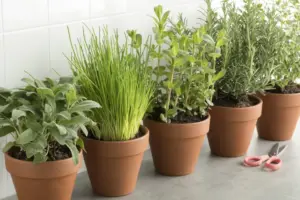
10 Houseplants That Will Thrive in Your Kitchen
Are you tired of your kitchen feeling dull and lifeless? Want to add a little [...]
Aug
Reviews
There are no reviews yet.