


Jojoba Seeds – Simmondsia Chinensis Evergreen Shrub – 5 Seed Pack
Original price was: 32.99 $.12.99 $Current price is: 12.99 $.
Cultivate jojoba seeds and grow the versatile Simmondsia Chinensis seeds, known for its valuable oil-producing nuts. This drought-tolerant evergreen shrub thrives in arid climates, offering unique beauty and practical uses for various applications.
Estimated arrival
Sep 19
Sep 24 - Sep 26
Sep 26 - Oct 01
See our Shipping Policy.
Get in touch with us via email, and our team will review your concerns.
Our Alive & Thrive Guarantee covers issues with your plants within the first 30 days. Read our Refund & Returns Policy.
-
USDA Hardiness Zone
8-12 -
Soil Type
Average to dry, well-draining soil -
Sunlight Exposure
Full sun -
Expected Planting Period
When soil temp warms to 70F
Overview
Embark on a rewarding gardening journey with these premium jojoba seeds. Each pack contains 5 high-quality seeds of the remarkable Simmondsia Chinensis seeds, an evergreen shrub native to the arid regions of Southwestern North America. Often known by common names like Deer Nut, Goat Nut, or Pignut, Jojoba is celebrated for its distinctive yellowish-green foliage and, most notably, its oil-rich nuts. These acorn-like fruits, measuring 1/2 to 3/4 inch, can contain nearly 50% oil, making them a commercially valuable crop. Growing your own jojoba seeds allows you to witness the development of this resilient plant, which is not only a source of the versatile Jojoba Oil but also a beautiful addition to xeriscapes and desert-adapted gardens. Whether you’re interested in its practical applications or its ecological benefits, cultivating Jojoba from seed offers a unique and sustainable gardening experience.
Key Benefits
Growing jojoba seeds offers a multitude of benefits, from ecological advantages to practical applications. This hardy shrub is an excellent choice for gardeners looking for low-maintenance, drought-tolerant options.
- Sustainable Oil Source: Jojoba nuts are renowned for producing Jojoba Oil, a highly stable, odorless liquid wax often used in cosmetics, skin care products, and pharmaceuticals. You can explore the potential of harvesting your own oil.
- Drought-Tolerant & Resilient: These shrubs are perfectly adapted to arid and semi-desert environments, requiring minimal water once established. They are an ideal choice for water-wise landscaping and regions with limited rainfall.
- Wildlife Attraction: The foliage tolerates browsing from deer and livestock, while squirrels, rabbits, and large birds enjoy the nutritious nuts, contributing to local biodiversity.
- Evergreen Foliage: The Jojoba plant boasts attractive, waxy, grayish-silver evergreen leaves, providing year-round visual interest and structure to your garden.
- Erosion Control: Its robust root system makes it an excellent choice for stabilizing soil, particularly in areas prone to erosion in dry climates.
- Low Maintenance: Once established, jojoba seeds grow into plants that require very little intervention, making them suitable for busy gardeners or those preferring a naturalized landscape.
- Versatile Uses: Beyond cosmetics, Jojoba Oil has historical and modern applications as a cooking oil, biodiesel fuel, and engine lubricant, showcasing the plant’s incredible versatility.
Plant Care & Growing Tips
Successfully growing jojoba seeds into thriving shrubs requires understanding their specific environmental needs. Jojoba (Simmondsia Chinensis) is a remarkably resilient plant, but providing the right conditions during germination and early growth is crucial. Begin planting when soil temperatures consistently warm to 70°F. These plants are dioecious, meaning both male and female plants are needed for fruit production, so planting multiple seeds increases your chances of having both sexes. Jojoba thrives in full sun, requiring at least 6-8 hours of direct sunlight daily. They are well-suited for USDA Hardiness Zones (8) 9-12, where they can tolerate mild frosts but prefer warmer climates.
Regarding soil and water preferences, Jojoba plants prefer average to dry, well-draining soil. They are highly adaptable to poor, sandy, or rocky soils, characteristic of their native desert habitats. Overwatering is detrimental, especially during establishment; allow the soil to dry out completely between waterings. Once mature, jojoba plant care is minimal, as they are extremely drought-tolerant. Fertilization is generally not necessary in established plants, particularly if grown in native soils. For optimal growth, ensure adequate spacing of 3-5 feet between plants to allow for their mature height of 3-6 feet. Monitor for common pests, though Jojoba is generally resistant. Harvesting occurs when the nuts naturally fall from the bush, typically varying by climate but often in late summer or fall.
Size & Details
This package contains 5 Jojoba seeds (Simmondsia Chinensis), ready for planting. Each seed has the potential to grow into an evergreen shrub reaching an average height of 3 to 6 feet with a similar spread, creating a dense, rounded form. The plants produce small, yellowish-green flowers between March and May, which develop into the characteristic 1/2 to 3/4 inch oval, acorn-like fruits. These fruits, or nuts, are the source of the valuable Jojoba oil. The Jojoba shrub is a relatively slow-growing plant, establishing itself over a few years, but its long lifespan ensures a lasting addition to your landscape. The seeds are best planted when the soil temperature consistently reaches 70°F for optimal germination. Expect to see initial growth within a few weeks to months, depending on conditions. For successful fruit production, ensure you have both male and female plants; planting multiple desert shrub seeds increases this probability.
Frequently Asked Questions
- Q: How big does this Jojoba plant get? A: A mature Jojoba shrub typically reaches a height of 3 to 6 feet and can spread similarly wide. Proper spacing of 3-5 feet between plants will allow for healthy growth and development of your jojoba seeds.
- Q: What are the sunlight requirements for Simmondsia Chinensis seeds? A: Jojoba plants thrive in full sun, requiring at least 6-8 hours of direct sunlight per day. They are native to desert environments, so ample sunshine is crucial for their growth and oil production.
- Q: Is this an indoor or outdoor plant? A: Jojoba is primarily an outdoor plant, best suited for arid and semi-arid climates within USDA Hardiness Zones (8) 9-12. While it can be grown in containers, it generally performs best when planted directly in the ground in suitable climates.
- Q: How much water does Jojoba need? A: Once established, Jojoba is highly drought-tolerant and requires very little water. During establishment, water sparingly, allowing the soil to dry out completely between waterings to prevent root rot.
- Q: Is this plant easy to care for? A: Yes, once established, Jojoba is considered a low-maintenance plant, making it a good choice for gardeners seeking resilient and drought-tolerant options. Understanding basic jojoba plant care is key.
- Q: When is the best time to plant Jojoba seeds? A: The best time to plant jojoba seeds is when the soil temperature consistently warms to 70°F, typically in late spring or early summer in suitable climates. This provides the ideal conditions for germination.
- Q: What condition will the seeds arrive in? A: Your order will contain 5 viable, raw Jojoba (Simmondsia Chinensis) seeds, carefully packaged to ensure their integrity upon arrival, ready for you to plant and begin to grow jojoba.
- Q: Can I use the nuts from my Jojoba plant? A: Yes, the nuts produced by Jojoba plants are the source of Jojoba oil. However, they are not typically consumed directly by humans. The oil has various applications in cosmetics, pharmaceuticals, and industrial uses.
- Q: Will it survive winter in my zone? A: Jojoba is hardy in USDA Zones (8) 9-12. If you live in a colder zone, it may need protection from frost or can be grown in a container and brought indoors during winter.
- Q: Do I need more than one plant to get fruit? A: Yes, Jojoba plants are dioecious, meaning individual plants are either male or female. You will need both a male and a female plant to ensure pollination and fruit (nut) production. Planting multiple desert shrub seeds increases your chances of getting both.
Be the first to review “Jojoba Seeds – Simmondsia Chinensis Evergreen Shrub – 5 Seed Pack”
Related products


You May Like
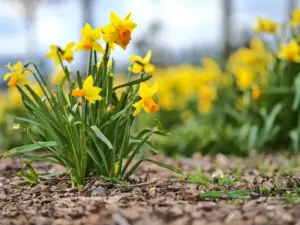
5 Best Bulbs for Fall Planting: Brighten Your Garden This Spring
Are you dreaming of a garden full of vibrant colors in the spring? The key [...]
Aug
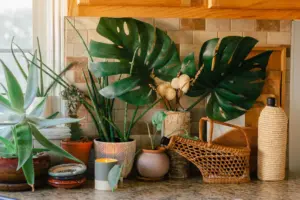
How to Repot Houseplants Like a Pro
Do your houseplants look like they’ve outgrown their pots? Are their roots popping out of [...]
Aug
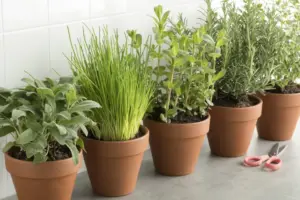
10 Houseplants That Will Thrive in Your Kitchen
Are you tired of your kitchen feeling dull and lifeless? Want to add a little [...]
Aug
Reviews
There are no reviews yet.