


Mammoth Sunflower Seeds – Giant Annual Flower for Gardens
Original price was: 60.99 $.40.99 $Current price is: 40.99 $.
Cultivate impressive, towering blooms with our premium mammoth sunflower seeds. These giant annual flowers are perfect for creating a dramatic backdrop in your garden, attracting beneficial pollinators, and producing edible seeds. Easy to grow and rewarding for gardeners of all experience levels.
Estimated arrival
Sep 19
Sep 24 - Sep 26
Sep 26 - Oct 01
See our Shipping Policy.
Get in touch with us via email, and our team will review your concerns.
Our Alive & Thrive Guarantee covers issues with your plants within the first 30 days. Read our Refund & Returns Policy.
-
USDA Hardiness Zone
Annual (grows in all zones during warm season) -
Soil Type
Well-draining, moderately fertile soil -
Sunlight Exposure
Full sun (6-8+ hours daily) -
Expected Planting Period
Late spring to early summer (after last frost)
Overview
Transform your garden into a vibrant spectacle with our premium mammoth sunflower seeds. These are not just any sunflower seeds; they promise to deliver towering plants that can reach impressive heights, often exceeding 10 feet, adorned with large, classic yellow blooms. Known for their striking presence, Mammoth Sunflowers (Helianthus annuus ‘Mammoth’) are a beloved annual flower that captivates with their sheer scale and cheerful disposition. Each bloom features a dark central disc surrounded by bright, golden petals, making them an iconic symbol of summer. Growing giant sunflower seeds is a rewarding experience, whether you’re aiming for a dramatic garden focal point, looking to harvest nutritious seeds, or simply want to attract a flurry of birds and beneficial insects to your outdoor space. These plants are relatively low-maintenance once established, making them an excellent choice for both novice and experienced gardeners seeking a spectacular display.
Our mammoth sunflower seeds are selected for their viability and potential to produce robust, healthy plants. These annuals complete their life cycle in one growing season, providing a burst of summer beauty before producing a bounty of seeds. They are a fantastic addition to any garden, offering both aesthetic appeal and practical benefits. Imagine a row of these magnificent plants creating a natural privacy screen or a stunning backdrop to your other garden plantings. The sheer joy of watching these sunflowers grow from tiny seeds into majestic giants is unparalleled.
Key Benefits
Planting mammoth sunflower seeds offers a multitude of advantages for your garden and your enjoyment:
-
Spectacular Garden Focal Point: These sunflowers grow exceptionally tall, often over 10 feet, making them an instant showstopper in any garden. Their impressive height and large, bright yellow flowers create a dramatic visual impact that draws the eye and becomes a conversation starter.
-
Attracts Pollinators and Wildlife: The abundant nectar and pollen of Mammoth Sunflowers are a magnet for bees, butterflies, and other beneficial pollinators, essential for a healthy ecosystem. Once the seeds mature, they also provide a crucial food source for various bird species, bringing life and activity to your garden.
-
Produces Edible Seeds: Beyond their beauty, mammoth sunflower seeds yield a generous harvest of large, delicious seeds. These can be roasted and enjoyed as a healthy snack, added to salads, or used in baking, providing a homegrown source of nutrition.
-
Easy to Grow for All Skill Levels: Mammoth Sunflowers are remarkably resilient and forgiving, thriving in a variety of conditions with minimal care. This makes them an ideal choice for beginner gardeners looking to achieve impressive results without extensive effort, as well as seasoned gardeners seeking reliable performance.
-
Versatile Garden Use: Whether you want to create a natural fence, a vibrant backdrop, or simply fill an open space with cheerful color, these sunflowers are incredibly versatile. They can be planted in rows, clusters, or as individual specimens to achieve different garden effects. You’ll love seeing your efforts to grow mammoth sunflowers come to fruition.
-
Promotes Soil Health: Sunflowers have deep taproots that can help break up compacted soil, improving its structure and drainage over time. This natural tilling action benefits subsequent plantings and contributes to overall garden health.
-
Quick Growth and Rewarding Blooms: From planting to towering bloom, Mammoth Sunflowers exhibit rapid growth, providing a quick reward for your gardening efforts. Watching them grow taller day by day is a fascinating process, culminating in magnificent blossoms.
Plant Care & Growing Tips
To successfully grow mammoth sunflowers and achieve their full towering potential, understanding their basic care requirements is key. These plants are generally robust, but providing optimal conditions will lead to the most impressive blooms and seed yields. Start by selecting a site that receives at least 6-8 hours of direct sunlight per day. Sunflowers are sun-worshippers, and insufficient light will result in leggy plants and smaller flowers. Ensure the soil is well-draining, as soggy roots can lead to rot. While they can tolerate a range of soil types, a moderately fertile, loamy soil with a pH between 6.0 and 7.5 is ideal. Amend heavy clay soils with organic matter to improve drainage, or sandy soils to enhance water retention.
Plant your mammoth sunflower seeds directly into the garden after the last frost date, when soil temperatures have warmed to at least 60°F (15°C). Plant seeds about 1 inch deep and 6 inches apart, then thin to 2-3 feet apart once seedlings are a few inches tall. Adequate spacing is crucial for air circulation and to allow each plant ample room to grow to its majestic size. Water regularly, especially during dry spells and when the plants are young, aiming for deep watering that encourages root development. Once established, sunflowers are quite drought-tolerant, but consistent moisture during flowering and seed development will maximize yield. Avoid overhead watering to prevent fungal diseases. Fertilize sparingly; an all-purpose granular fertilizer worked into the soil at planting time is often sufficient. Excessive nitrogen can promote leafy growth at the expense of flowers.
Monitor your plants for common pests like aphids and diseases such as powdery mildew. Good air circulation and proper watering techniques can help prevent many issues. As the plants grow tall, some may benefit from staking, especially in windy areas, to prevent them from toppling over. This is particularly true for plants grown from giant sunflower seeds that produce exceptionally heavy flower heads. Once the flower heads begin to droop and the backs turn yellow, the seeds are maturing. Protect ripening seeds from birds by covering the heads with mesh bags. Harvest when the backs of the heads are brown and dry, then hang them to dry further in a well-ventilated area before extracting the delicious seeds.
Size & Details
These mammoth sunflower seeds are known for producing plants that typically reach an impressive height of 8 to 12 feet, with some specimens capable of growing even taller under ideal conditions. The flower heads are substantial, often measuring 12 to 18 inches in diameter, filled with hundreds of edible seeds. Each packet contains a generous quantity of seeds, ensuring a bountiful harvest and plenty of opportunities to grow mammoth sunflowers in your garden. The plants exhibit a vigorous, upright growth habit, forming a single sturdy stalk that culminates in one large, iconic bloom. They are annuals, meaning they complete their life cycle within one growing season, typically taking about 80-120 days from planting to mature seed production.
Our annual sunflower seeds are carefully packaged to maintain viability, ensuring you receive high-quality seeds ready for planting. The seeds are a classic choice for gardeners looking for a dramatic effect and a practical yield. The mature plants provide excellent shade and can serve as a natural privacy screen. Expect strong, thick stems capable of supporting the large flower heads, though staking may be beneficial in areas prone to strong winds or for exceptionally large blooms. These seeds offer a simple yet incredibly rewarding gardening project for anyone interested in cultivating truly magnificent flowers.
Frequently Asked Questions
- Q: How tall do these Mammoth Sunflowers get? A: These impressive plants typically grow between 8 to 12 feet tall, with some individuals reaching even greater heights under optimal growing conditions. Their towering stature makes them a spectacular addition to any garden landscape.
- Q: Are these mammoth sunflower seeds suitable for beginners? A: Yes, Mammoth Sunflowers are very easy to grow and are an excellent choice for gardeners of all experience levels, including beginners. They are resilient and require minimal care once established, making them quite forgiving.
- Q: How much sunlight do Mammoth Sunflowers need? A: To thrive and produce the largest blooms, Mammoth Sunflowers require at least 6-8 hours of direct sunlight per day. Plant them in the sunniest spot in your garden for the best results.
- Q: When is the best time to plant annual sunflower seeds? A: The best time to plant is after the last frost date in your area, when soil temperatures have consistently warmed up, typically in late spring or early summer. Sunflowers do not tolerate frost.
- Q: Can I harvest the seeds for eating? A: Absolutely! These giant sunflower seeds are specifically known for producing a large quantity of edible seeds. Once the flower heads dry and turn brown, you can harvest, roast, and enjoy them as a delicious snack.
- Q: What kind of soil is best for growing Mammoth Sunflowers? A: Mammoth Sunflowers prefer well-draining soil that is moderately fertile. They can tolerate a range of soil types, but heavy clay should be amended with organic matter to improve drainage.
- Q: Do I need to stake these tall sunflower plants? A: While the stems are generally strong, very tall plants or those in windy locations may benefit from staking to prevent them from falling over, especially when the large flower heads become heavy with seeds. This helps ensure your efforts to grow mammoth sunflowers are successful.
- Q: How long does it take for the seeds to mature after flowering? A: After the flowers bloom, it typically takes another 30-45 days for the seeds to fully mature and be ready for harvest. You’ll know they’re ready when the back of the flower head turns yellow and then brown.
- Q: Will planting these tall sunflower seeds attract birds to my garden? A: Yes, as the seeds mature, they are a favorite food source for many bird species, including finches and cardinals. If you plan to harvest the seeds yourself, you may need to cover the heads with mesh bags to deter birds.
- Q: What is the average size of the flower heads? A: The flower heads of Mammoth Sunflowers are quite large, typically ranging from 12 to 18 inches in diameter, making them a truly impressive display in the garden.
Be the first to review “Mammoth Sunflower Seeds – Giant Annual Flower for Gardens”
Related products

Flower Seeds


Flower Seeds
Blue Stock Matthiola Incana Seeds – 50 Fragrant Gillyflower Seeds – Ten-Week Blue Stock
You May Like
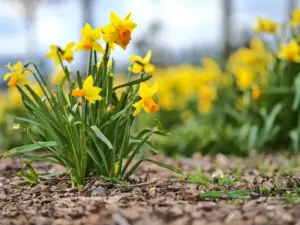
5 Best Bulbs for Fall Planting: Brighten Your Garden This Spring
Are you dreaming of a garden full of vibrant colors in the spring? The key [...]
Aug
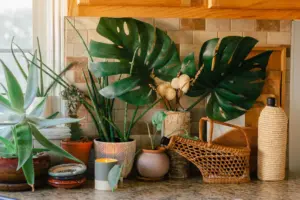
How to Repot Houseplants Like a Pro
Do your houseplants look like they’ve outgrown their pots? Are their roots popping out of [...]
Aug
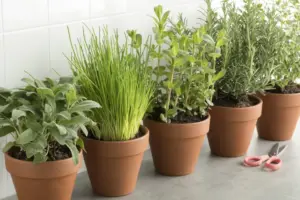
10 Houseplants That Will Thrive in Your Kitchen
Are you tired of your kitchen feeling dull and lifeless? Want to add a little [...]
Aug
Reviews
There are no reviews yet.