

20 Carob Tree Seeds – Saint John’s Bread Evergreen Edible Fruit Tree
Original price was: 32.99 $.12.99 $Current price is: 12.99 $.
Cultivate your own carob tree seeds with this pack of 20 high-quality seeds. Also known as saint johns bread seeds, these produce an attractive evergreen tree with edible fruit pods, perfect for warm climates and sustainable gardening.
Estimated arrival
Sep 19
Sep 24 - Sep 26
Sep 26 - Oct 01
See our Shipping Policy.
Get in touch with us via email, and our team will review your concerns.
Our Alive & Thrive Guarantee covers issues with your plants within the first 30 days. Read our Refund & Returns Policy.
-
USDA Hardiness Zone
8 - 11 -
Soil Type
Average - Dry, well-draining soil -
Sunlight Exposure
Full Sun -
Expected Planting Period
Outdoors after frost / Indoors weeks before last frost
Overview
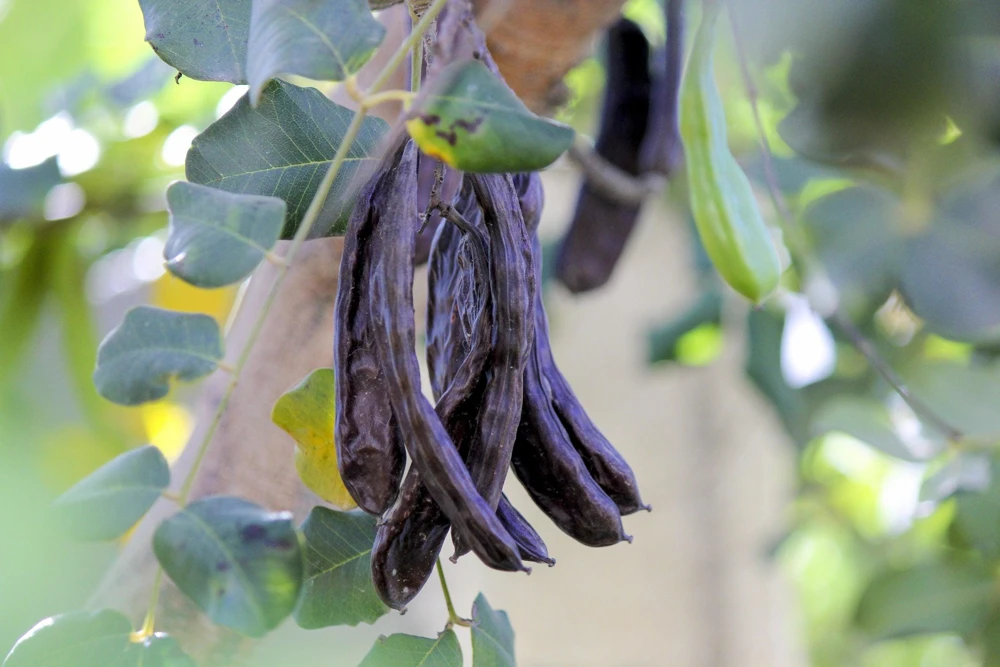
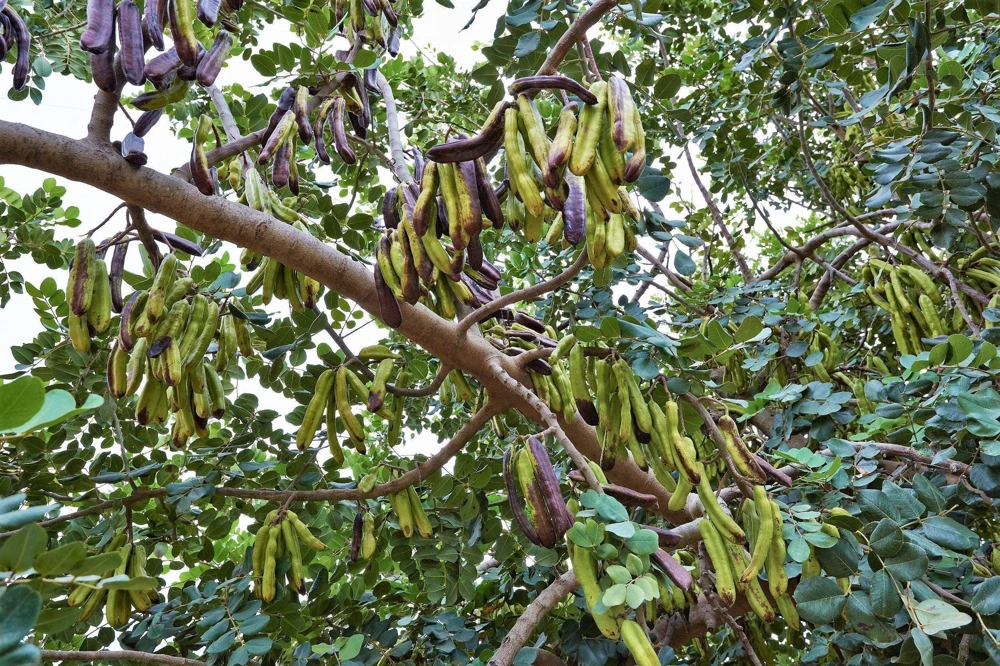
Embark on a rewarding gardening journey by planting carob tree seeds. This pack contains 20 premium seeds of the Carob Tree (Ceratonia Siliqua), also widely known as Saint John’s Bread seeds or Sugar Pod. The Carob Tree is a resilient evergreen ornamental tree cherished for its lush foliage and distinct edible fruit pods. Originating from the Mediterranean region, this tree thrives in warm, dry climates, making it an excellent choice for xeriscaping or adding a touch of Mediterranean beauty to your landscape. Growing a carob tree seeds allows you to enjoy both its aesthetic appeal and the sweet, nutritious carob pods.
These seeds offer the opportunity to cultivate a long-lived tree that can provide shade, beauty, and a unique food source. The Carob Tree is relatively low-maintenance once established, making it suitable for gardeners looking for sustainable and productive options. Its deep root system helps it access water efficiently, contributing to its drought tolerance. The mature pods are often used as a chocolate substitute or for various culinary applications, adding to the versatility of this remarkable plant. Discover the joy of nurturing a Carob Tree from seed to maturity.
Key Benefits
Growing a Carob Tree from carob tree seeds offers numerous advantages for both your garden and lifestyle. This resilient tree provides several benefits beyond its ornamental value:
- Sustainable Food Source: The Carob Tree produces edible fruit pods that can be harvested and used as a natural sweetener or a chocolate alternative. This provides a sustainable and healthy food option directly from your garden.
- Drought Tolerance: Once established, Carob Trees are highly drought-tolerant, requiring minimal water, which makes them ideal for water-wise gardening and arid climates.
- Evergreen Foliage: Enjoy lush, green foliage year-round, providing consistent beauty and shade in your landscape, unlike deciduous trees that lose their leaves seasonally.
- Ornamental Value: With its attractive dark green leaves and sturdy form, the Carob Tree serves as an excellent ornamental specimen, enhancing the aesthetic appeal of any garden or yard.
- Soil Improvement: As a legume, the Carob Tree can contribute to soil health by fixing nitrogen, enriching the soil for other plants in your garden.
- Low Maintenance: After the initial establishment phase, the Carob Tree requires little care, making it a great choice for busy gardeners or those seeking an easy-to-manage tree.
- Unique Culinary Ingredient: The pods from these ceratonia siliqua seeds offer a distinct flavor profile, perfect for experimenting with new recipes and healthy substitutes in your kitchen.
Plant Care & Growing Tips
To successfully grow a Carob Tree from carob tree seeds, understanding its specific care requirements is essential. Carob trees prefer full sun exposure, meaning at least 6-8 hours of direct sunlight daily. They are well-suited for outdoor planting after the last frost, or you can start them indoors several weeks before the last frost to give them a head start. Scarification and soaking of the seeds are often recommended to improve germination rates, as the seed coat can be quite hard. Plant seeds about 1/2 inch deep in well-draining soil.
These trees thrive in average to dry soil conditions and are quite tolerant of poor soils, though they prefer neutral to slightly alkaline pH. Good drainage is crucial to prevent root rot, especially in younger plants. Water regularly during the first year to help establish a strong root system, then gradually reduce watering frequency as the tree matures, as it becomes highly drought-tolerant. Fertilization is generally not heavily required, especially in fertile soils, but a balanced slow-release fertilizer can be applied in spring if growth appears slow. Protect young trees from severe frost if planting in marginal hardiness zones. The Carob Tree is a hardy plant, and with proper initial care, your grow carob tree efforts will be rewarded with a beautiful and productive specimen.
Size & Details
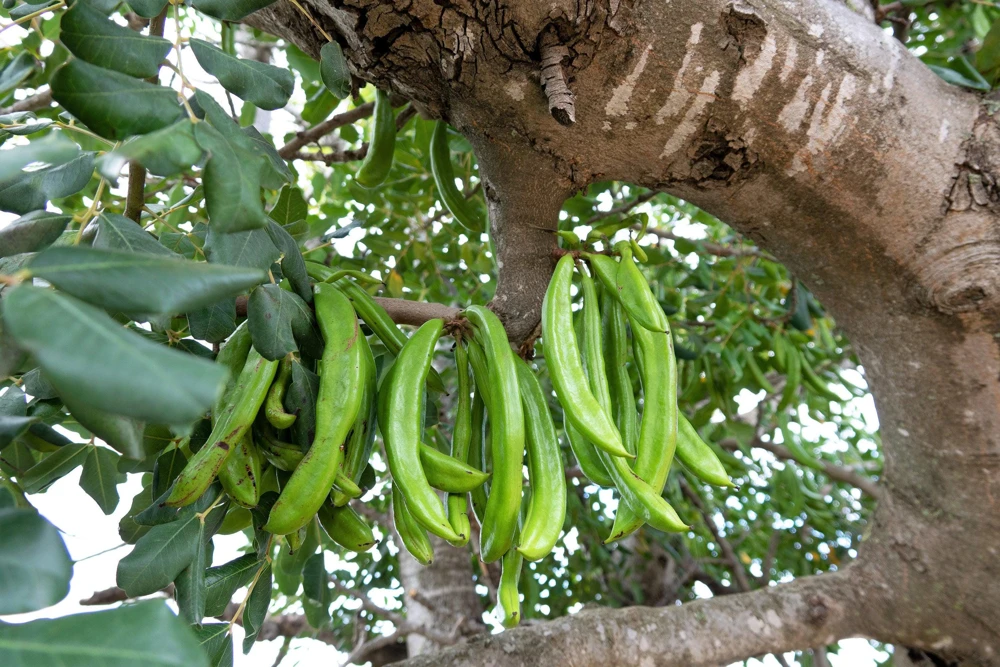
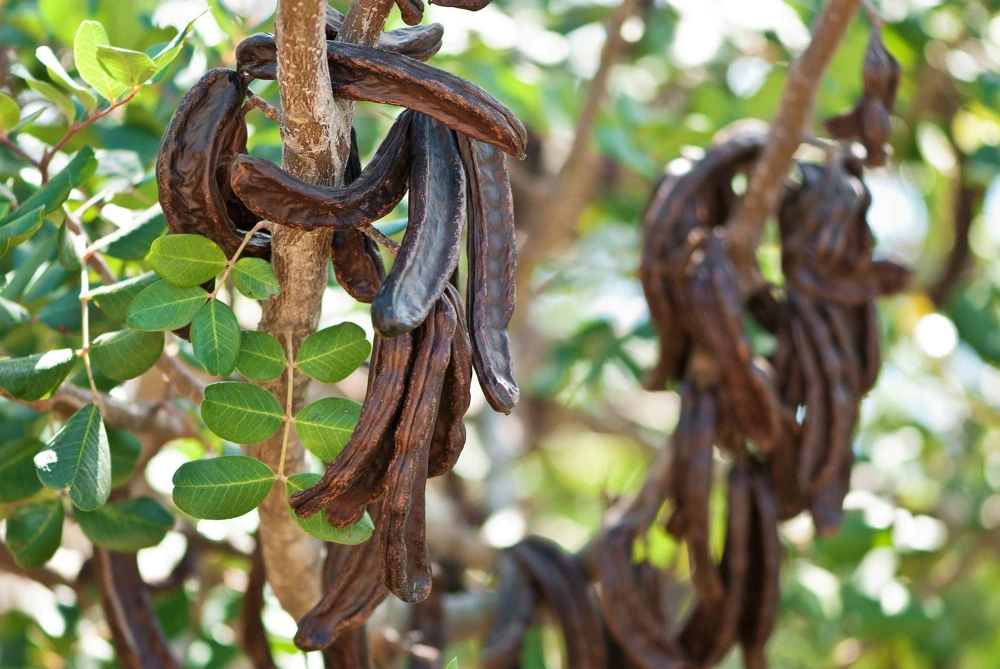
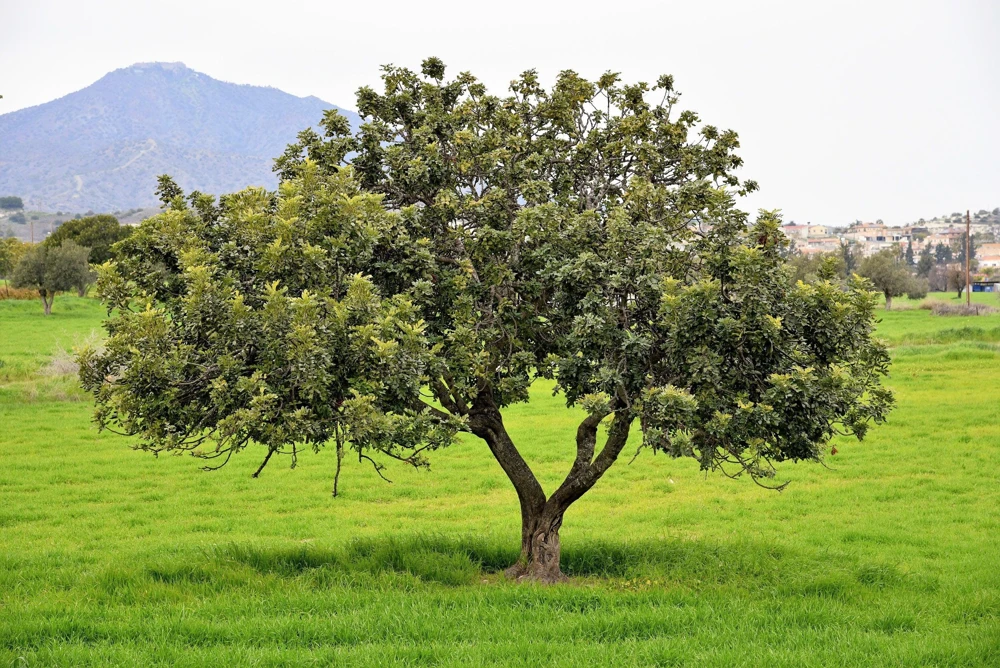
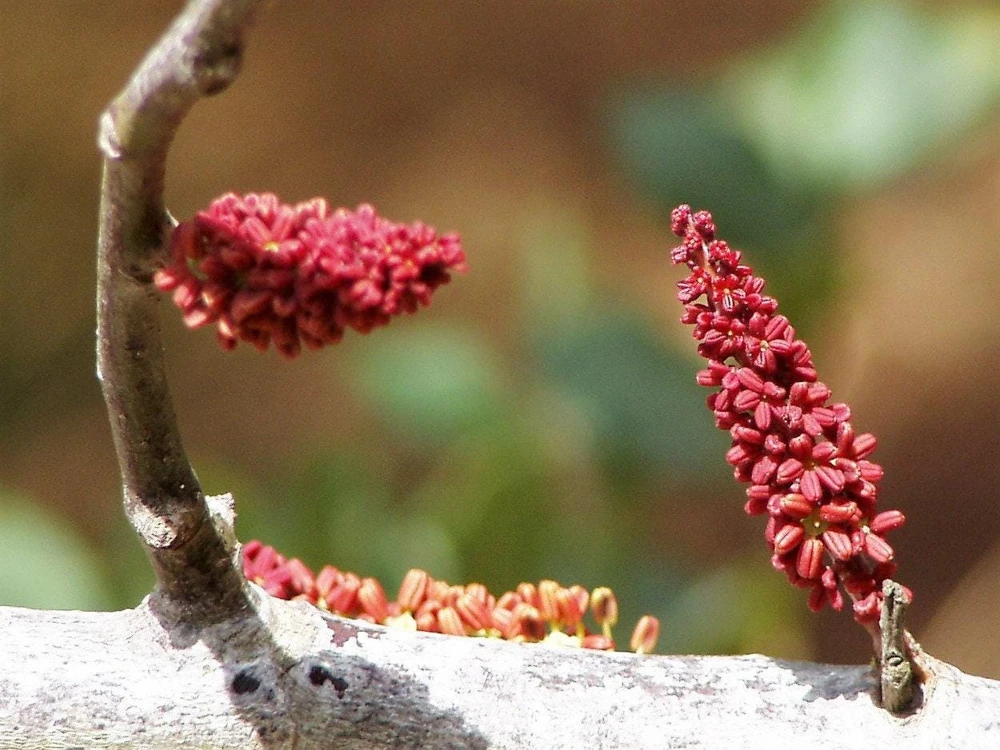
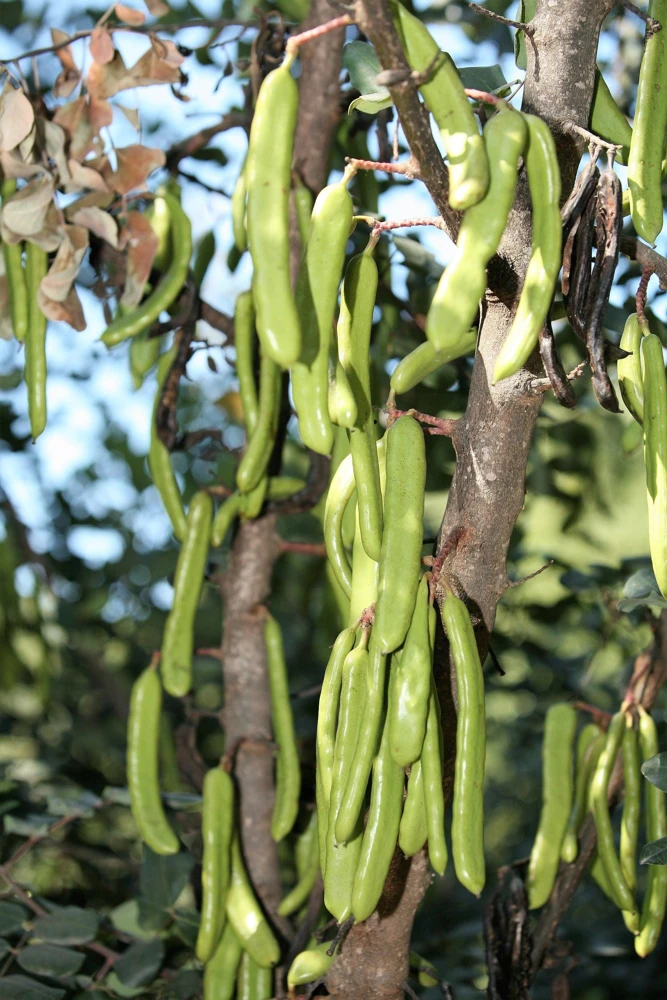
This product includes 20 carob tree seeds, ready for planting. Once mature, the Carob Tree (Ceratonia Siliqua) can reach a significant height of 30 to 50 feet with a spread of 22 to 30 feet, making it a substantial landscape tree. It typically begins to bloom in September to November, though this can vary by climate. The flowers are red, and the fruit pods mature from green to brown. Harvesting usually occurs in the fall, but in some climates, the tree can produce pods year-round. These edible fruit tree seeds are suitable for USDA Hardiness Zones 8 to 11. Seeds are shipped in a protective packet, ensuring their viability upon arrival. Expect a moderate growth rate, with the tree gradually establishing its full size and productive capacity over several years.
Frequently Asked Questions
- Q: How big does this Carob Tree get? A: A mature Carob Tree grown from these carob tree seeds typically reaches a height of 30 to 50 feet and can spread 22 to 30 feet wide, providing substantial shade and presence in your landscape.
- Q: How much sunlight does a Carob Tree need? A: Carob Trees require full sun exposure, meaning they need at least 6-8 hours of direct sunlight per day to thrive and produce fruit effectively.
- Q: Is this plant easy to care for? A: Once established, the Carob Tree is considered low-maintenance, especially due to its drought tolerance. Initial care for the carob tree seeds involves proper germination and regular watering during its first year.
- Q: What condition will the seeds arrive in? A: The 20 saint johns bread seeds will arrive in a protective packet, ensuring their quality and readiness for planting upon delivery.
- Q: Can I use carob pods in cooking? A: Yes, the carob pods produced by the tree are edible and commonly used as a natural sweetener, a chocolate substitute, or in various baked goods and beverages.
- Q: When is the best time to plant Carob Tree seeds? A: You can plant the seeds outdoors after the last frost in your area, or start them indoors several weeks before the last frost for an earlier start.
- Q: What USDA Hardiness Zones are suitable for Carob Trees? A: Carob Trees are best suited for USDA Hardiness Zones 8 to 11, where they can tolerate the winter temperatures without significant damage.
- Q: How long until the Carob Tree produces fruit? A: Carob Trees typically begin to produce fruit pods several years after planting, usually around 6-8 years, depending on growing conditions. Patient cultivation of your grow carob tree project will be rewarded.
- Q: What kind of soil does the Carob Tree prefer? A: Carob Trees prefer well-draining soil and can tolerate a range of soil types, including poor soils, as long as drainage is adequate. They thrive in neutral to slightly alkaline conditions.
- Q: Are these edible fruit tree seeds suitable for all climates? A: While adaptable, Carob Trees perform best in warm, Mediterranean-like climates and are not suited for areas with prolonged freezing temperatures below Zone 8.
Be the first to review “20 Carob Tree Seeds – Saint John’s Bread Evergreen Edible Fruit Tree”
Related products




You May Like

5 Best Bulbs for Fall Planting: Brighten Your Garden This Spring
Are you dreaming of a garden full of vibrant colors in the spring? The key [...]
Aug
How to Repot Houseplants Like a Pro
Do your houseplants look like they’ve outgrown their pots? Are their roots popping out of [...]
Aug
10 Houseplants That Will Thrive in Your Kitchen
Are you tired of your kitchen feeling dull and lifeless? Want to add a little [...]
Aug
Reviews
There are no reviews yet.