


Japanese Black Pine Tree Seeds – 10 Evergreen Pinus Thunbergii Seeds for Bonsai
Original price was: 32.99 $.12.99 $Current price is: 12.99 $.
Cultivate the iconic Japanese Black Pine seeds to grow magnificent evergreen trees. Perfect for bonsai or elegant landscape additions, these Pinus Thunbergii seeds offer a rewarding gardening experience and thrive in various climates.
Estimated arrival
Sep 18
Sep 23 - Sep 25
Sep 25 - Sep 30
See our Shipping Policy.
Get in touch with us via email, and our team will review your concerns.
Our Alive & Thrive Guarantee covers issues with your plants within the first 30 days. Read our Refund & Returns Policy.
-
USDA Hardiness Zone
5 - 10 -
Soil Type
Well-draining, average to dry -
Sunlight Exposure
Full sun -
Expected Planting Period
Outdoors after frost / Fall / Indoors weeks before last frost
Overview
Embark on a rewarding horticultural journey with our premium Japanese Black Pine seeds. Pinus Thunbergii, commonly known as the Japanese Black Pine, is a highly esteemed evergreen conifer celebrated for its rugged beauty, adaptability, and striking appearance. These seeds offer the opportunity to cultivate one of the most iconic trees, renowned globally for its use in traditional Japanese gardens and as a prized specimen in the art of bonsai. The Japanese Black Pine is characterized by its dark green needles, deeply furrowed bark, and robust branches that can be artfully shaped. Its resilience and striking silhouette make it a favorite among landscape designers and gardening enthusiasts alike. Growing this majestic tree from seed allows for a deep connection to nature and the satisfaction of nurturing a plant from its very beginning into a beautiful, enduring presence in your garden or home.
The Pinus Thunbergii seeds provided are of high quality, ensuring a strong start for your future trees. Whether you’re aiming to create a stunning focal point in your yard, develop a living sculpture through bonsai, or simply enjoy the calming presence of an evergreen, the Japanese Black Pine is an excellent choice. It’s known for its ability to withstand challenging conditions, including coastal environments, making it a versatile addition to many different landscapes. This tree develops a strong, irregular form over time, adding character and a sense of timeless elegance wherever it is planted. Its enduring appeal and relative ease of cultivation from seed make it a gratifying project for gardeners of all experience levels.
Key Benefits
Cultivating Japanese Black Pine seeds offers a multitude of benefits, from enhancing your landscape to providing a deeply satisfying gardening experience. These evergreen trees bring year-round beauty and a touch of traditional elegance to any space.
- Exceptional Aesthetic Appeal: The Japanese Black Pine boasts a dramatic, windswept appearance with dark green needles and rugged bark, making it a stunning focal point in any garden or landscape. Its distinctive form adds character and visual interest throughout all seasons.
- Ideal for Bonsai Art: Known as the “King of Bonsai,” the Pinus Thunbergii seeds are highly prized by bonsai artists due to the tree’s strong, flexible branches and excellent response to pruning and wiring. This allows for intricate shaping and the creation of living sculptures.
- Drought and Salt Tolerant: This resilient evergreen is remarkably tough, capable of thriving in coastal conditions and tolerating drought once established. This makes it an excellent choice for a wide range of environments where other trees might struggle.
- Evergreen Foliage: Enjoy year-round greenery and structure in your garden. The consistent dark green needles provide a beautiful backdrop and maintain visual interest even in winter months, enhancing the overall appeal of your outdoor space.
- Long Lifespan: Japanese Black Pines are known for their longevity, often living for many decades, even centuries, with proper care. Planting these evergreen tree seeds is an investment in a lasting legacy of natural beauty.
- Versatile Landscape Use: Beyond bonsai, these trees are excellent for windbreaks, specimen plantings, or creating a natural, serene garden environment. Their strong presence can define spaces and add a sense of majesty.
- Air Purification: Like all trees, the Japanese Black Pine contributes to a healthier environment by absorbing carbon dioxide and releasing oxygen, improving air quality around your home.
Plant Care & Growing Tips
Growing Japanese Black Pine seeds requires patience and attention to detail, but the results are incredibly rewarding. These trees are hardy and adaptable, making them suitable for a variety of climates. For successful germination, it’s often beneficial to cold stratify the seeds for 30-60 days before planting. This can be done by placing them in a moist medium, such as peat moss or sand, in a sealed bag in the refrigerator. Once stratified, plant the seeds shallowly in well-draining soil, covering them lightly with about 1/4 inch of soil. Ensure the soil remains consistently moist but not waterlogged during the germination phase, which can take several weeks to a few months.
Once seedlings emerge, provide them with plenty of sunlight. Japanese Black Pine trees thrive in full sun, requiring at least 6-8 hours of direct sunlight per day for optimal growth. They are highly adaptable to various soil types but prefer well-draining, slightly acidic to neutral soil. Avoid heavy, water-retentive clays. Watering should be consistent for young trees, gradually reducing frequency as they mature and become more drought-tolerant. Mature trees are quite resilient and can handle periods of dryness. Fertilize sparingly; a balanced, slow-release fertilizer in spring can encourage healthy growth, but over-fertilization can be detrimental. Pruning is essential, especially if you’re cultivating for bonsai, to shape the tree and maintain its desired form. The evergreen tree seeds will grow into trees that are hardy in USDA Zones 5-10, tolerating a wide range of temperatures.
Watch out for common pests like scale insects or spider mites, especially in dry conditions. Ensuring good air circulation and proper watering can help prevent most issues. The key to a healthy Pinus Thunbergii is understanding its preference for sun, good drainage, and thoughtful pruning. With these care tips, your Japanese Black Pine seeds will flourish into a magnificent tree, whether destined for a landscape or a bonsai collection.
Size & Details
Our offering includes 10 Japanese Black Pine seeds (Pinus Thunbergii), providing a great start for your growing project. These seeds, once germinated and established, will grow into majestic evergreen trees that typically reach a mature height of 20 to 30 feet in a garden setting, with a similar spread of 20 to 40 feet. Growth rate is moderate, allowing ample time for shaping and training, particularly for bonsai enthusiasts. The initial growth will be focused on developing a strong root system and a sturdy trunk. Expect your young trees to establish themselves in the first few years, with more significant height and canopy development following.
The Pinus Thunbergii seeds are shipped as raw seeds, ready for stratification and planting. While they can be grown indoors during their seedling stage, these are primarily outdoor trees that thrive when given ample space to develop their characteristic form. The mature tree will exhibit a rugged, picturesque silhouette, adding substantial character to any landscape. The adaptability of the Japanese Black Pine means it can be maintained at smaller sizes through consistent pruning, making it exceptionally versatile for various garden designs or as a stunning bonsai specimen over many years.
Frequently Asked Questions
- Q: How big does a Japanese Black Pine tree get? A: In a typical landscape setting, a Japanese Black Pine tree can reach heights of 20 to 30 feet and spreads of 20 to 40 feet. Its size can be controlled through pruning, especially when grown as bonsai.
- Q: Are these Japanese Black Pine seeds suitable for bonsai? A: Yes, Japanese Black Pine seeds are highly prized for bonsai cultivation. The tree’s strong, flexible branches and excellent response to pruning make it one of the most popular species for this art form.
- Q: How much sunlight does a Japanese Black Pine need? A: Japanese Black Pines thrive in full sun, requiring at least 6-8 hours of direct sunlight per day. Adequate sunlight is crucial for healthy growth and needle development.
- Q: What condition will the seeds arrive in? A: The Pinus Thunbergii seeds will arrive as raw, viable seeds, ready for you to begin the germination process, which typically includes cold stratification.
- Q: Is this plant easy to care for? A: While growing from seed requires some patience, once established, the Japanese Black Pine is a relatively low-maintenance and hardy tree, known for its resilience to various conditions. It’s suitable for gardeners of intermediate skill or dedicated beginners.
- Q: When is the best time to plant Japanese Black Pine seeds? A: After cold stratification, it’s best to plant the seeds outdoors after the last frost in spring or in the fall. For indoor germination, you can start them several weeks before the last expected frost.
- Q: Will the Japanese Black Pine survive winter in my zone? A: The Japanese Black Pine is hardy in USDA Zones 5-10, meaning it can tolerate a wide range of winter temperatures within these zones. It is a very robust evergreen tree.
- Q: What kind of soil does this tree prefer? A: This tree prefers well-draining soil, ideally slightly acidic to neutral. It tolerates sandy and rocky soils but dislikes heavy clay that retains too much moisture.
- Q: How many seeds are included in this package? A: This package contains 10 Japanese Black Pine seeds, providing a good quantity to start your cultivation project.
- Q: Can I grow this tree indoors? A: While you can start the seeds indoors, the Japanese Black Pine is ultimately an outdoor tree. It can be kept indoors as a bonsai specimen with proper care, light, and humidity, but it naturally thrives outdoors.
Be the first to review “Japanese Black Pine Tree Seeds – 10 Evergreen Pinus Thunbergii Seeds for Bonsai”
Related products




You May Like
5 Best Bulbs for Fall Planting: Brighten Your Garden This Spring
Are you dreaming of a garden full of vibrant colors in the spring? The key [...]
Aug
How to Repot Houseplants Like a Pro
Do your houseplants look like they’ve outgrown their pots? Are their roots popping out of [...]
Aug
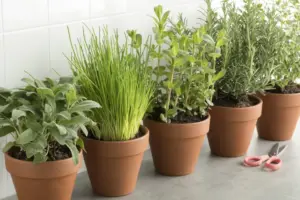
10 Houseplants That Will Thrive in Your Kitchen
Are you tired of your kitchen feeling dull and lifeless? Want to add a little [...]
Aug
Reviews
There are no reviews yet.