


50 Blue Elderberry Seeds – Sambucus Cerulea – Tree Shrub Fruit Berry
Original price was: 32.99 $.12.99 $Current price is: 12.99 $.
Cultivate your own blue elderberry seeds (Sambucus Cerulea) with this pack of 50 premium seeds. Known for its beautiful white flowers and edible bluish-black fruit, this resilient shrub thrives in USDA Zones 4-9, adding beauty and wildlife appeal to your garden. Ideal for planting in fall or after cold stratification.
Estimated arrival
Sep 19
Sep 24 - Sep 26
Sep 26 - Oct 01
See our Shipping Policy.
Get in touch with us via email, and our team will review your concerns.
Our Alive & Thrive Guarantee covers issues with your plants within the first 30 days. Read our Refund & Returns Policy.
-
USDA Hardiness Zone
4 - 9 -
Soil Type
Average - Moist, well-draining soil -
Sunlight Exposure
Sun - Part Shade -
Expected Planting Period
Fall (Outdoors) / Indoors weeks before last frost (after cold stratification)
Overview
Embark on a rewarding gardening journey with these premium blue elderberry seeds. The Blue Elderberry, scientifically known as Sambucus Cerulea, is a versatile and attractive deciduous shrub or small tree native to western North America. This species is often referred to by various common names such as Blue Elder, Blueberry Elder, Arizona Elderberry, New Mexico Elderberry, or Mexican Elder. Growing blue elderberry seeds allows you to cultivate a plant celebrated for its clusters of creamy white flowers in late spring to early summer, followed by abundant bluish-black berries in the fall. These berries are not only visually appealing but are also highly valued for their culinary and traditional medicinal uses. This seed pack provides 50 seeds, offering a generous start to establish these beautiful and beneficial plants in your landscape.
The Sambucus Cerulea seeds are an excellent choice for gardeners looking to introduce a native, low-maintenance, and wildlife-friendly plant to their outdoor spaces. Whether you’re aiming to create a naturalized area, attract pollinators and birds, or simply enjoy the beauty and bounty of its fruit, growing blue elderberry seeds is a fulfilling endeavor. With proper care, these seeds can develop into robust plants that provide seasonal interest and ecological benefits for years to come. Prepare to transform your garden with this resilient and attractive specimen.
Key Benefits
Planting blue elderberry seeds offers a multitude of advantages for your garden and local ecosystem. These seeds grow into plants that are both aesthetically pleasing and highly functional.
- Attracts Pollinators and Wildlife: The fragrant white flowers of the Blue Elderberry are a magnet for bees, butterflies, and other beneficial pollinators, supporting local biodiversity. The ripe bluish-black berries provide a vital food source for numerous bird species and small mammals, enhancing your garden’s wildlife appeal.
- Edible and Medicinal Fruit: The distinct bluish-black berries are not only beautiful but also edible when cooked, perfect for making jams, jellies, pies, and wines. Traditionally, elderberries have been used for their potential health benefits, making them a valuable addition to a home apothecary.
- Adaptable and Hardy Growth:Sambucus Cerulea seeds develop into robust plants that are highly adaptable to various soil conditions and can tolerate a range of light environments from full sun to part shade. They are remarkably hardy, thriving across USDA Zones 4-9, making them suitable for many climates.
- Attractive Ornamental Value: With its lush green foliage, profusion of white flower clusters, and striking bluish-black fruit, the Blue Elderberry offers significant ornamental value throughout multiple seasons. It can serve as a beautiful specimen plant, a natural hedge, or an integral part of a native plant landscape.
- Low Maintenance: Once established, Blue Elderberry plants require minimal care, making them an ideal choice for busy gardeners or those seeking an easy-to-grow, resilient shrub. Their drought tolerance and general disease resistance contribute to their low-maintenance nature.
- Erosion Control: The extensive root system of the elderberry plant can help stabilize soil on slopes and prevent erosion, making it a practical choice for challenging landscape areas.
Plant Care & Growing Tips
Successfully growing blue elderberry seeds requires a few specific steps to ensure good germination and healthy plant development. The first crucial step is cold stratification, as these seeds naturally require a period of cold and moisture to break dormancy. You can achieve this by mixing the seeds with an equal amount of moist peat moss or sand in a sealed plastic bag and refrigerating them for 60-90 days. Alternatively, you can plant the seeds outdoors in the fall, allowing nature to provide the necessary cold period over winter.
Once stratified, sow the Sambucus Cerulea seeds about 1/4 inch deep in well-draining soil. If starting indoors, use seed-starting mix in trays and keep the soil consistently moist but not waterlogged. Germination can be variable and may take several weeks to a few months. Provide plenty of light once seedlings emerge. For outdoor planting, choose a site with full sun to part shade; elderberry plant care is generally easier in locations with at least 6 hours of direct sunlight. The plant prefers average to moist soil conditions but can tolerate a range of soil types, provided there is good drainage. Ensure adequate spacing, as mature plants can reach 8-20 feet tall and 15 feet wide. Water regularly during the first growing season to help establish a strong root system. Fertilization is typically not essential in rich soils, but a balanced slow-release fertilizer can be applied in spring if growth appears slow. Pruning can be done in late winter or early spring to remove dead or weak branches and to maintain shape and size. Watch out for common pests like aphids, which can usually be managed with organic insecticidal soaps. Understanding how to grow elderberry from seed ensures a thriving, productive plant.
Size & Details
This product includes 50 blue elderberry seeds, providing a substantial quantity for starting a new planting or expanding an existing elderberry patch. These seeds are ready for cold stratification and subsequent planting. Once mature, the Blue Elderberry (Sambucus Cerulea) typically grows into a large shrub or small tree, reaching a height of 8 to 20 feet with a spread of approximately 15 feet. Growth rate is moderate to fast under ideal conditions, allowing you to establish a sizable plant within a few years. The plant produces white flower clusters from May to July, followed by bluish-black fruit in the fall, usually from August to September. It is hardy in USDA Zones 4 through 9, making it suitable for a wide range of climates across the United States. These seeds offer the opportunity to cultivate a robust and productive plant that will enhance your garden for many seasons.
Frequently Asked Questions
- Q: How do I prepare these blue elderberry seeds for planting? A: Your blue elderberry seeds require cold stratification before planting. Mix them with moist sand or peat moss in a sealed bag and refrigerate for 60-90 days, or plant them outdoors in the fall for natural stratification.
- Q: What is the best time to plant Sambucus Cerulea seeds? A: The best time to plant these seeds is in the fall if direct sowing outdoors, or in early spring after the cold stratification period if starting indoors. This timing allows for optimal germination once temperatures rise.
- Q: How much sun does a Blue Elderberry plant need? A: Blue Elderberry plants thrive in full sun to part shade. For the best fruit production, aim for at least 6 hours of direct sunlight per day. Too much shade can reduce flowering and fruiting.
- Q: How tall do Blue Elderberry trees grow? A: A mature Blue Elderberry can grow quite large, typically reaching a height of 8 to 20 feet and spreading about 15 feet wide. Proper spacing is important to accommodate its mature size.
- Q: Is the fruit of the Blue Elderberry edible? A: Yes, the bluish-black berries of the Blue Elderberry are edible but should only be consumed after cooking. They are commonly used in jams, jellies, pies, and wines, and are not typically eaten raw.
- Q: What kind of soil does this plant prefer? A: The Blue Elderberry is quite adaptable but prefers average to moist, well-draining soil. It can tolerate a variety of soil types, including clay, loam, and sand, as long as drainage is adequate.
- Q: What USDA Hardiness Zones are suitable for elderberry plant care? A: This plant is hardy in USDA Zones 4 through 9. This wide range makes it a versatile choice for many different climates across the United States.
- Q: How long does it take for elderberry seeds to germinate? A: Germination can be prolonged and irregular, often taking several weeks to a few months even after proper cold stratification. Patience is key when growing arizona blue elderberry from seed.
- Q: Can I grow Blue Elderberry in a container? A: While possible, Blue Elderberry is a large shrub or small tree and will eventually outgrow most containers. If grown in a container, it will require a very large pot and more frequent watering and feeding.
- Q: Do these plants attract wildlife? A: Yes, Blue Elderberry plants are excellent for attracting wildlife. The flowers attract pollinators like bees and butterflies, and the berries are a favorite food source for many bird species.
Be the first to review “50 Blue Elderberry Seeds – Sambucus Cerulea – Tree Shrub Fruit Berry”
Related products


Shrub Seeds
Golden Currant Shrub Seeds – 20 Count – Edible Black Fruit, Yellow Flowers, Ribes Aureum


You May Like
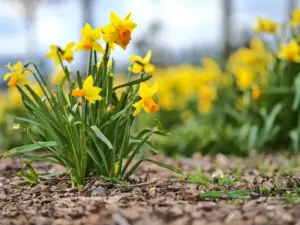
5 Best Bulbs for Fall Planting: Brighten Your Garden This Spring
Are you dreaming of a garden full of vibrant colors in the spring? The key [...]
Aug
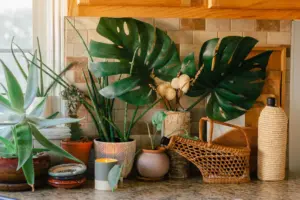
How to Repot Houseplants Like a Pro
Do your houseplants look like they’ve outgrown their pots? Are their roots popping out of [...]
Aug
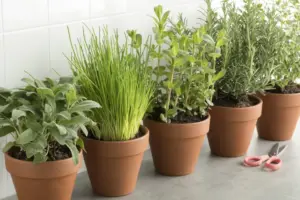
10 Houseplants That Will Thrive in Your Kitchen
Are you tired of your kitchen feeling dull and lifeless? Want to add a little [...]
Aug
Reviews
There are no reviews yet.