


Red Elderberry Seeds (Sambucus Racemosa) – 100 Seeds for Growing Fruit Trees
Original price was: 32.99 $.12.99 $Current price is: 12.99 $.
Cultivate the beautiful red elderberry seeds (Sambucus Racemosa) in your garden. This pack contains 100 premium seeds, perfect for growing vibrant shrubs with attractive red berries. Ideal for various climates, these seeds offer a rewarding gardening experience.
Estimated arrival
Sep 18
Sep 23 - Sep 25
Sep 25 - Sep 30
See our Shipping Policy.
Get in touch with us via email, and our team will review your concerns.
Our Alive & Thrive Guarantee covers issues with your plants within the first 30 days. Read our Refund & Returns Policy.
-
USDA Hardiness Zone
4-8 -
Soil Type
Average - Moist, well-draining -
Sunlight Exposure
Sun - Part Shade -
Expected Planting Period
Fall / Spring (after cold stratification)
Overview
Embark on a rewarding gardening journey with our premium red elderberry seeds. These red elderberry seeds, scientifically known as Sambucus Racemosa, offer a fantastic opportunity to grow a resilient and attractive shrub or small tree right in your own backyard. Known for its vibrant red berries and delicate white flowers, the Red Elderberry is a versatile plant that adds both ornamental beauty and ecological value to any landscape. Whether you’re an experienced gardener or just starting, growing elderberry from seed is a fulfilling project that connects you with nature. This species is often referred to by common names such as Red Elder, Red-Berried Elder, Mountain Red Elderberry, Scarlet Elder, Scarlet Elderberry, Racemed Elder, and Bunchberry Elder, highlighting its wide recognition and appeal.
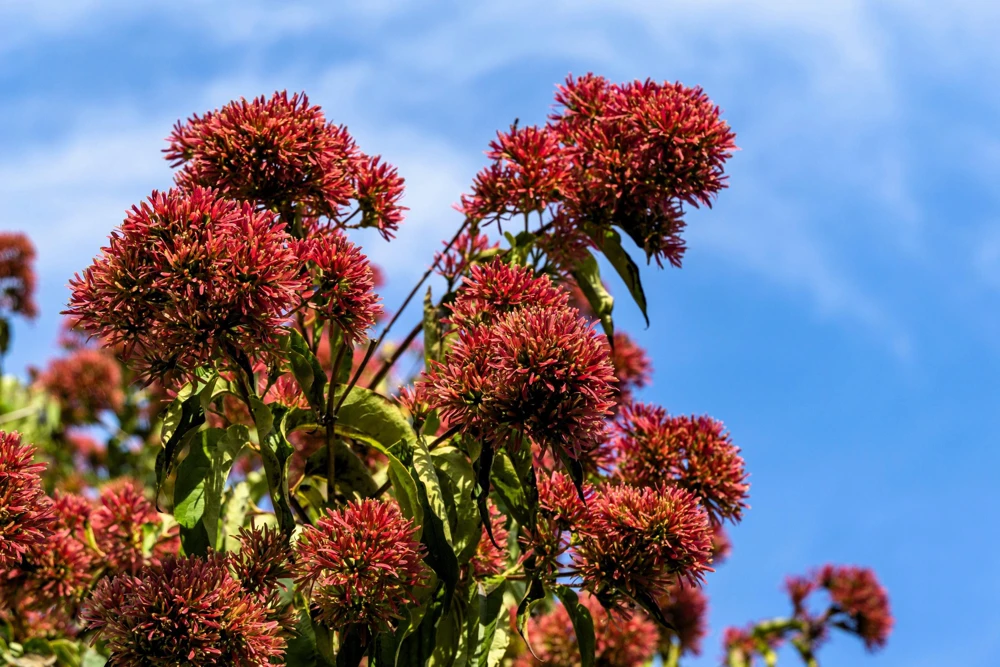
Our sambucus racemosa seeds are carefully selected to ensure high viability, providing you with the best possible start for your plants. The Red Elderberry is a deciduous shrub that can reach impressive heights, providing shade and structure in your garden. Its distinctive pink flower buds open into clusters of creamy white flowers in late spring to early summer, followed by brilliant red fruit in the fall. These berries are a favorite food source for many bird species, making the Red Elderberry an excellent choice for wildlife gardens. Beyond its aesthetic and ecological benefits, the process of growing elderberry from seed offers a deep sense of accomplishment as you watch your plants mature from tiny seedlings into robust shrubs.
Key Benefits
The Red Elderberry (Sambucus Racemosa) offers a wealth of benefits for both your garden and the local ecosystem. Cultivating red elderberry seeds provides a unique opportunity to enhance your outdoor space with a plant that is both beautiful and functional.
- Attractive Ornamental Value: The Red Elderberry boasts beautiful pink flower buds that transform into clusters of white flowers in late spring, followed by striking red berries in the fall. This provides multi-season interest and adds vibrant color to your landscape.
- Wildlife Attraction: The bright scarlet elderberry fruits are a significant food source for various bird species and other small wildlife, making it an excellent choice for creating a biodiverse and lively garden ecosystem.
- Hardy and Adaptable: These plants are remarkably resilient, thriving in a wide range of conditions and USDA Hardiness Zones 4-8. This makes red elderberry seeds a reliable choice for many different climates and soil types.
- Erosion Control: Due to its extensive root system, the Red Elderberry can be an effective plant for stabilizing soil and preventing erosion, particularly on slopes or along streambanks.
- Low Maintenance: Once established, Red Elderberry plants require minimal care, making them suitable for gardeners looking for a beautiful yet easy-to-manage shrub. They are generally resistant to most pests and diseases.
- Fast Growth Rate: Compared to many other shrubs and trees, the Red Elderberry has a relatively fast growth rate, allowing you to enjoy its benefits sooner after planting your elderberry fruit tree seeds.
- Ecological Contribution: Beyond attracting wildlife, these plants contribute to local ecosystems by providing shelter and supporting native flora and fauna, making your garden a valuable habitat.
Plant Care & Growing Tips
Successful cultivation of red elderberry seeds begins with proper planting and ongoing care. The Red Elderberry (Sambucus Racemosa) is a relatively forgiving plant, but understanding its specific needs will ensure robust growth and abundant fruit production. For best results, cold stratify your sambucus racemosa seeds first. This can be done by placing the seeds in a moist medium (like sand or peat moss) in a sealed bag and refrigerating them for 60-90 days before planting. This mimics natural winter conditions and encourages germination.
Once stratified, you can plant your red elderberry seeds outdoors in the fall or after the last frost in spring. If starting indoors, do so weeks before the last frost. Plant seeds about 1/4 inch deep in well-draining soil. The Red Elderberry thrives in locations with full sun to part shade. While it can tolerate some shade, more sunlight generally leads to better flowering and fruiting. Ensure the soil is average to moist, as elderberries prefer consistent moisture but do not like waterlogged conditions. Regular watering is crucial during the plant’s establishment phase, especially in its first year. Once established, it can tolerate drier periods, but supplemental watering during prolonged droughts will be beneficial.
Red Elderberry plants are hardy in USDA Zones 4-8, making them suitable for a wide range of climates. They typically grow to a height of 8-12 feet with a spread of 8-10 feet, so ensure adequate spacing between plants. Fertilization is generally not heavily required, especially in rich soils. However, an annual application of a balanced, slow-release fertilizer in early spring can promote vigorous growth. Pruning can be done in late winter or early spring to maintain shape, remove dead or damaged branches, and encourage new growth. Watch out for common issues like aphids or powdery mildew, which can usually be managed with organic pest control methods or proper air circulation. By following these guidelines, your elderberry fruit tree will flourish.
Size & Details
This offering includes 100 red elderberry seeds (Sambucus Racemosa), providing ample opportunity to establish multiple plants in your garden. Each seed holds the potential to grow into a robust Red Elderberry shrub, typically reaching a mature height of 8 to 12 feet with a spread of 8 to 10 feet. The plant’s growth rate is moderate, allowing you to see significant development within a few years. Flowers typically bloom from May to June, followed by the harvest of bright red berries in the fall, usually between August and September. These plants are well-suited for USDA Hardiness Zones 4 through 8, demonstrating their adaptability to various temperate climates.
The seeds require cold stratification for optimal germination, mimicking the natural winter cycle. Once germinated, the seedlings will develop into strong plants that prefer full sun to part shade conditions and average to moist, well-draining soil. These details ensure that you have all the necessary information to successfully grow your own scarlet elderberry plants from these high-quality seeds.
Frequently Asked Questions
- Q: How many red elderberry seeds are included in this pack? A: This pack contains 100 red elderberry seeds, providing a generous quantity for your planting projects. This allows for multiple plantings or sharing with other gardening enthusiasts.
- Q: What is the scientific name for these elderberry seeds? A: The scientific name for these seeds is Sambucus Racemosa. This species is commonly known as Red Elderberry, Scarlet Elder, or Mountain Red Elderberry.
- Q: What are the light requirements for growing Red Elderberry? A: Red Elderberry plants thrive in full sun to part shade conditions. While they can tolerate some shade, more sunlight generally leads to better flowering and fruit production.
- Q: What USDA Hardiness Zones are suitable for Red Elderberry? A: These plants are hardy in USDA Zones 4-8. This wide range makes them suitable for many different climates across the United States.
- Q: Do these red elderberry seeds require any special treatment before planting? A: Yes, sambucus racemosa seeds require cold stratification before planting. This typically involves refrigerating the seeds in a moist medium for 60-90 days to break dormancy and encourage germination.
- Q: How tall do Red Elderberry plants typically grow? A: A mature Red Elderberry plant can reach a height of 8 to 12 feet. It forms a dense, attractive shrub that provides excellent visual interest.
- Q: When is the best time to plant these elderberry fruit tree seeds? A: After cold stratification, you can plant the seeds outdoors in the fall or in spring after the last frost. If starting indoors, do so several weeks before the last expected frost.
- Q: Are the red berries safe for human consumption? A: While some elderberry species have edible berries when cooked, the berries of scarlet elderberry (Sambucus Racemosa) are generally considered mildly toxic if consumed raw and are primarily enjoyed by wildlife. Always research specific preparation methods if considering consumption.
- Q: What kind of soil do Red Elderberry plants prefer? A: Red Elderberry prefers average to moist, well-draining soil. They are adaptable but perform best in conditions where the soil retains some moisture without becoming waterlogged.
- Q: Is this plant good for attracting wildlife? A: Absolutely! The vibrant red berries are a significant food source for many bird species, making the Red Elderberry an excellent choice for attracting and supporting local wildlife in your garden.
Be the first to review “Red Elderberry Seeds (Sambucus Racemosa) – 100 Seeds for Growing Fruit Trees”
Related products


You May Like
5 Best Bulbs for Fall Planting: Brighten Your Garden This Spring
Are you dreaming of a garden full of vibrant colors in the spring? The key [...]
Aug
How to Repot Houseplants Like a Pro
Do your houseplants look like they’ve outgrown their pots? Are their roots popping out of [...]
Aug
10 Houseplants That Will Thrive in Your Kitchen
Are you tired of your kitchen feeling dull and lifeless? Want to add a little [...]
Aug
Reviews
There are no reviews yet.