


Western Mock Orange Shrub Seeds – Philadelphus Lewisii, 40 Count, White Flowers
Original price was: 32.99 $.12.99 $Current price is: 12.99 $.
Cultivate stunning western mock orange seeds (Philadelphus Lewisii) to add a fragrant, native touch to your garden. These robust shrub seeds produce beautiful white and yellow flowers, attracting pollinators and enhancing biodiversity.
- Produces fragrant white and yellow flowers
- Hardy shrub suitable for zones 4-9
- Attracts pollinators
Estimated arrival
Sep 18
Sep 23 - Sep 25
Sep 25 - Sep 30
See our Shipping Policy.
Get in touch with us via email, and our team will review your concerns.
Our Alive & Thrive Guarantee covers issues with your plants within the first 30 days. Read our Refund & Returns Policy.
-
USDA Hardiness Zone
4-9 -
Soil Type
Average, well-draining soil -
Sunlight Exposure
Full Sun - Part Shade -
Expected Planting Period
Fall / After Cold Stratification
Overview
Embark on a rewarding gardening journey with our premium western mock orange seeds. This offering includes 40 high-quality seeds of Philadelphus lewisii, commonly known as Western Mock Orange, Lewis’ Mock-Orange, Gordon’s Mockorange, Wild Mockorange, or Indian Arrowwood. This beloved native shrub is celebrated for its abundant, fragrant white and sometimes yellow-tinged flowers that bloom from May to July, bringing a burst of natural beauty and a delightful aroma to any landscape. Ideal for gardeners looking to introduce resilient, low-maintenance, and ecologically beneficial plants, these philadelphus lewisii seeds provide an authentic way to cultivate a piece of the American West in your own backyard. The Western Mock Orange is a robust plant, adapting well to various conditions and providing a stunning visual and olfactory experience throughout its bloom season. Its native status also means it’s perfectly suited to support local ecosystems, making it a responsible choice for environmentally conscious gardeners.
The western mock orange seeds are perfect for creating naturalized areas, hedges, or as an attractive specimen plant. With a mature height of 4-8 feet, this shrub provides excellent structure and visual interest. Its hardiness across USDA Zones 4-9 ensures it can thrive in a wide range of climates, from cooler northern regions to more temperate zones. Whether you’re a seasoned horticulturist or a beginner eager to try growing mock orange from seed, these seeds offer an accessible and fulfilling planting experience. Prepare to enjoy the sweet, citrusy scent and the pristine beauty of this remarkable plant right outside your door.
Key Benefits
Our western mock orange seeds offer numerous advantages for any garden. Cultivating this shrub from seed allows you to establish a robust and naturalized plant that will flourish for years. The benefits extend beyond its striking appearance, contributing significantly to your garden’s health and beauty.
- Fragrant Blooms: Enjoy the intoxicating, sweet aroma of white and yellow flowers throughout late spring and early summer, creating a sensory delight in your garden. The fragrant blossoms are a hallmark feature of the western mock orange seeds.
- Native and Hardy: As a native species (Philadelphus lewisii), it is exceptionally well-adapted to various climates and soil types, making it a resilient and low-maintenance choice for gardeners in USDA Zones 4-9.
- Pollinator Attraction: The abundant flowers are a magnet for bees, butterflies, and other beneficial pollinators, supporting local ecosystems and encouraging biodiversity in your outdoor space.
- Architectural Interest: Growing 4-8 feet tall, this shrub provides excellent vertical interest and can be used for hedges, natural screens, or as a standalone specimen plant, enhancing the overall design of your landscape.
- Drought Tolerance: Once established, the Western Mock Orange exhibits good drought tolerance, reducing the need for excessive watering and making it a sustainable choice for many regions.
- Erosion Control: Its extensive root system can help stabilize soil on slopes and prevent erosion, making it a practical choice for challenging garden areas.
- Wildlife Habitat: Provides shelter and nesting sites for small birds and other wildlife, further enriching the ecological value of your garden.
Plant Care & Growing Tips
Successfully cultivating western mock orange seeds requires understanding their specific needs, though they are generally quite forgiving. For optimal germination, these seeds typically benefit from cold stratification. This process mimics natural winter conditions, breaking dormancy and preparing the seeds for growth. You can achieve this by mixing the seeds with a moist substrate like sand or peat moss, placing them in a sealed bag, and refrigerating them for 60-90 days. After stratification, sow the seeds outdoors in fall or indoors several weeks before the last frost for an earlier start. When planting outdoors, choose a location with well-draining soil and ensure the seeds are lightly covered with soil, about 1/8 inch deep.
Once germinated, mock orange plant care is relatively straightforward. Western Mock Orange thrives in full sun to part shade, meaning it needs at least 4-6 hours of direct sunlight daily for the best flowering, though it can tolerate some afternoon shade in hotter climates. It prefers average, well-draining soil and is not particularly fussy about soil pH. Water regularly during its establishment period, especially during dry spells, but once mature, it becomes quite drought-tolerant. Fertilization is generally not necessary in rich soils, but a balanced slow-release fertilizer can be applied in early spring if your soil is poor. Pruning after flowering can help maintain its shape and encourage bushier growth. Watch out for common pests like aphids, which can be managed with insecticidal soap. Proper care ensures your philadelphus lewisii seeds grow into strong, beautiful shrubs.
Size & Details
Each packet contains 40 western mock orange seeds, providing ample opportunity to establish several robust plants in your garden. These seeds will grow into shrubs that typically reach a mature height of 4 to 8 feet, with a similar spread of 4 to 8 feet, creating a dense and attractive presence. The growth rate is moderate, allowing you to enjoy established plants within a few years. Flowers are pure white, sometimes with a subtle yellow tint at the base of the petals, and emit a delightful citrus-like fragrance. The plant’s hardiness spans USDA Zones 4 through 9, making it suitable for a wide range of climates. These seeds will arrive ready for planting, ideally in the fall or after cold stratification, to ensure successful germination for your native mock orange.
Expect blooms to appear from May to July, transforming your garden into a fragrant haven. The seeds are best planted at a spacing of 4-8 feet to allow for adequate growth and air circulation once mature. This generous size makes it suitable for various landscape applications, from informal hedges to striking specimen plants or to blend into a native plant garden. The ability to grow this beautiful shrub from seed offers a cost-effective and rewarding way to enhance your outdoor environment with a resilient and charming plant, allowing you to fully appreciate the life cycle of the western mock orange seeds.
Frequently Asked Questions
- Q: How big does a Western Mock Orange plant get? A: A mature western mock orange plant typically reaches a height of 4 to 8 feet and can spread equally wide, forming a substantial and attractive shrub in your garden.
- Q: Is this an indoor or outdoor plant? A: The western mock orange is primarily an outdoor shrub, well-suited for garden beds, hedges, and naturalized areas, thriving in various external conditions.
- Q: How much sunlight does it need? A: This plant prefers full sun to partial shade, ideally receiving at least 4-6 hours of direct sunlight daily for optimal growth and flowering.
- Q: Is this plant easy to care for? A: Yes, the Western Mock Orange is considered relatively easy to care for, especially once established, making it a good choice for gardeners of varying experience levels. Consistent mock orange plant care is quite simple.
- Q: What condition will the seeds arrive in? A: Your western mock orange seeds will arrive as dry, viable seeds, ready for proper stratification and planting according to the provided instructions.
- Q: When is the best time to plant Western Mock Orange seeds? A: The best time to plant philadelphus lewisii seeds is in the fall, allowing them to naturally cold stratify over winter, or indoors after a manual cold stratification period several weeks before the last frost.
- Q: Will it survive winter in my zone? A: The Western Mock Orange is hardy in USDA Zones 4 through 9, meaning it can withstand cold winter temperatures within these specified zones.
- Q: What are some common names for Philadelphus lewisii? A: Besides Western Mock Orange, it is also known as Lewis’ Mock-Orange, Gordon’s Mockorange, Wild Mockorange, and Indian Arrowwood.
- Q: Do these seeds need cold stratification? A: Yes, western mock orange seeds generally require a period of cold stratification to break dormancy and improve germination rates.
- Q: What kind of soil does it prefer? A: It thrives in average, well-draining soil. It is not overly particular about soil type but good drainage is key for healthy growth.
Be the first to review “Western Mock Orange Shrub Seeds – Philadelphus Lewisii, 40 Count, White Flowers”
Related products


You May Like
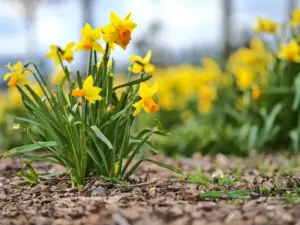
5 Best Bulbs for Fall Planting: Brighten Your Garden This Spring
Are you dreaming of a garden full of vibrant colors in the spring? The key [...]
Aug
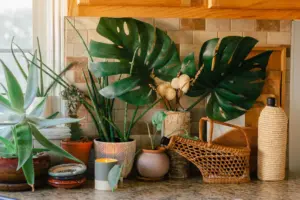
How to Repot Houseplants Like a Pro
Do your houseplants look like they’ve outgrown their pots? Are their roots popping out of [...]
Aug
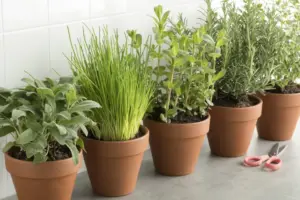
10 Houseplants That Will Thrive in Your Kitchen
Are you tired of your kitchen feeling dull and lifeless? Want to add a little [...]
Aug
Reviews
There are no reviews yet.