
1000 Blue Bachelor’s Button Cornflower Seeds – Tall, Vibrant Flowers
Original price was: 32.99 $.12.99 $Current price is: 12.99 $.
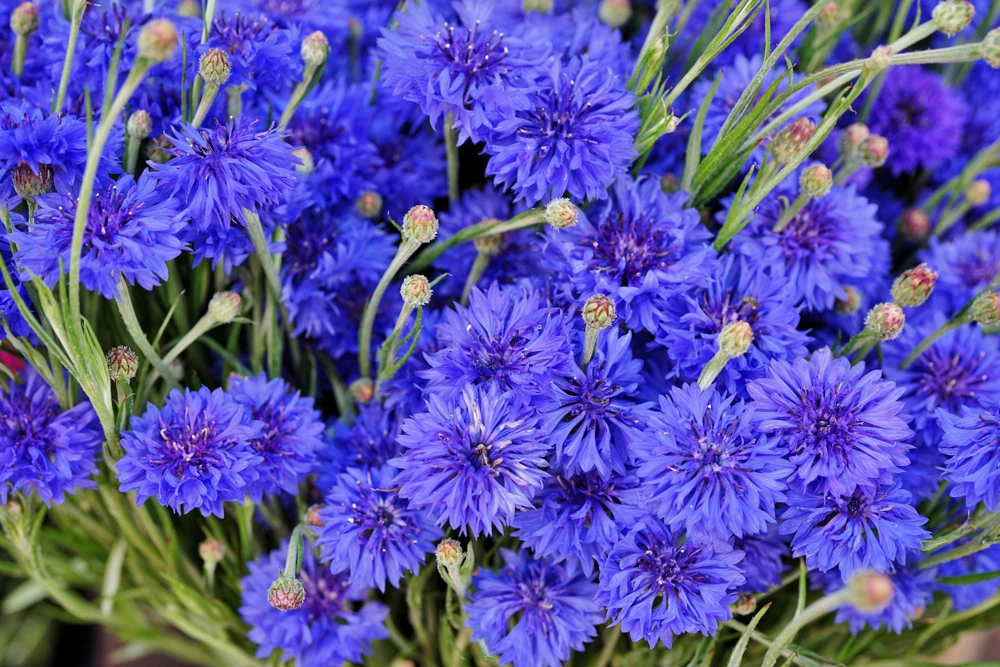
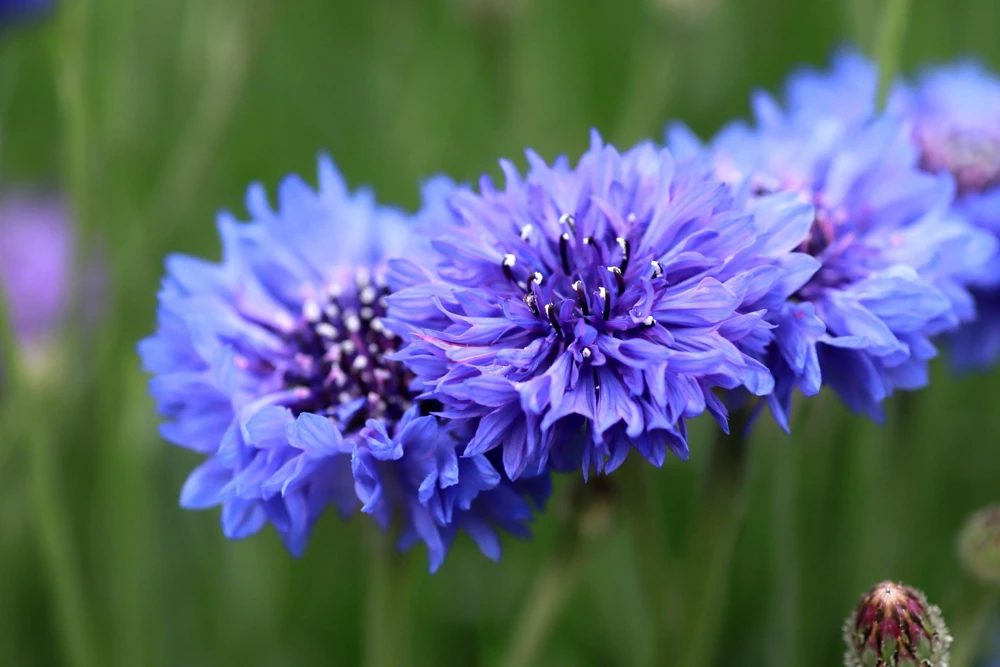
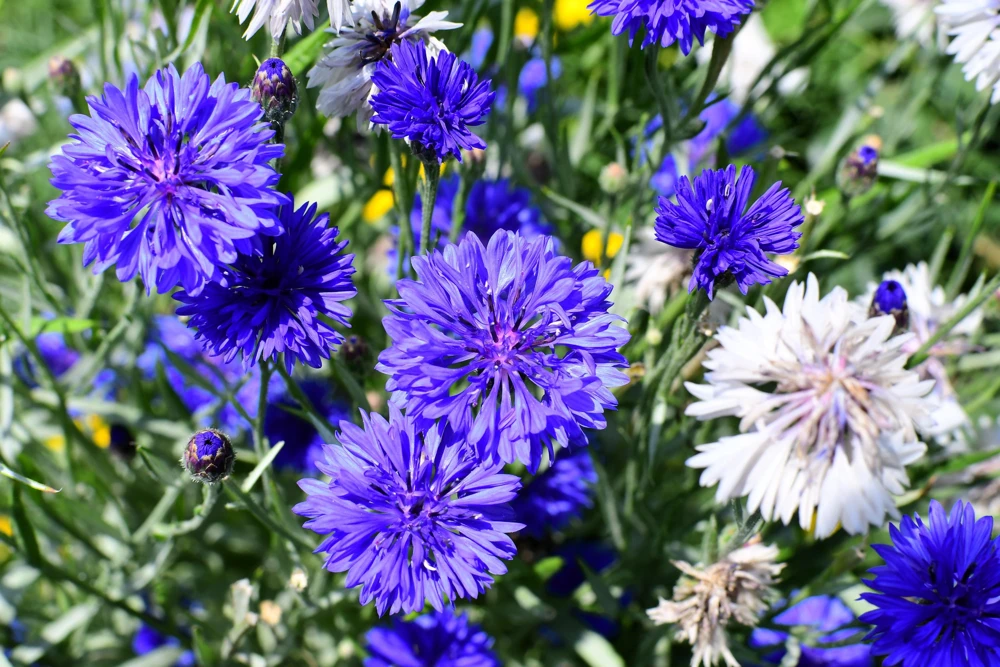
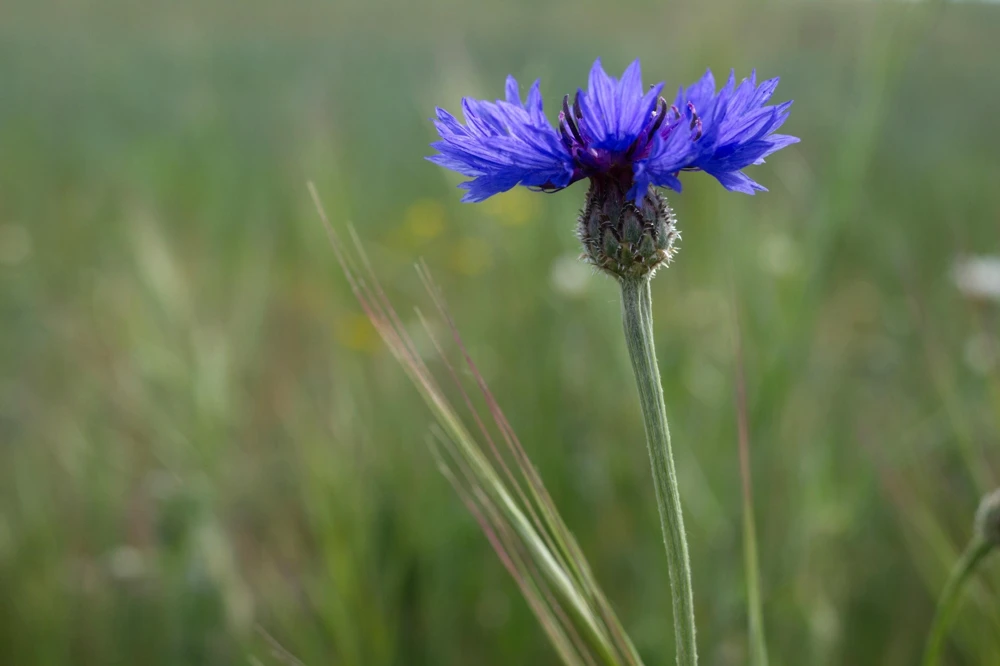
Cultivate stunning blue Bachelor’s Button cornflower seeds (Centaurea Cyanus) for an enchanting garden display. These tall, vibrant flowers are ideal for cutting or adding a splash of color to any landscape. Easy to grow and quick to bloom, they are a delightful addition for both novice and experienced gardeners.
Estimated arrival
Sep 18
Sep 23 - Sep 25
Sep 25 - Sep 30
See our Shipping Policy.
Get in touch with us via email, and our team will review your concerns.
Our Alive & Thrive Guarantee covers issues with your plants within the first 30 days. Read our Refund & Returns Policy.
-
USDA Hardiness Zone
N/A (acts as an annual, but reseeds easily in all zones) -
Soil Type
Average, well-draining soil -
Sunlight Exposure
Full sun - Partial shade -
Expected Planting Period
Outdoors after frost / Indoors weeks before last frost
Overview
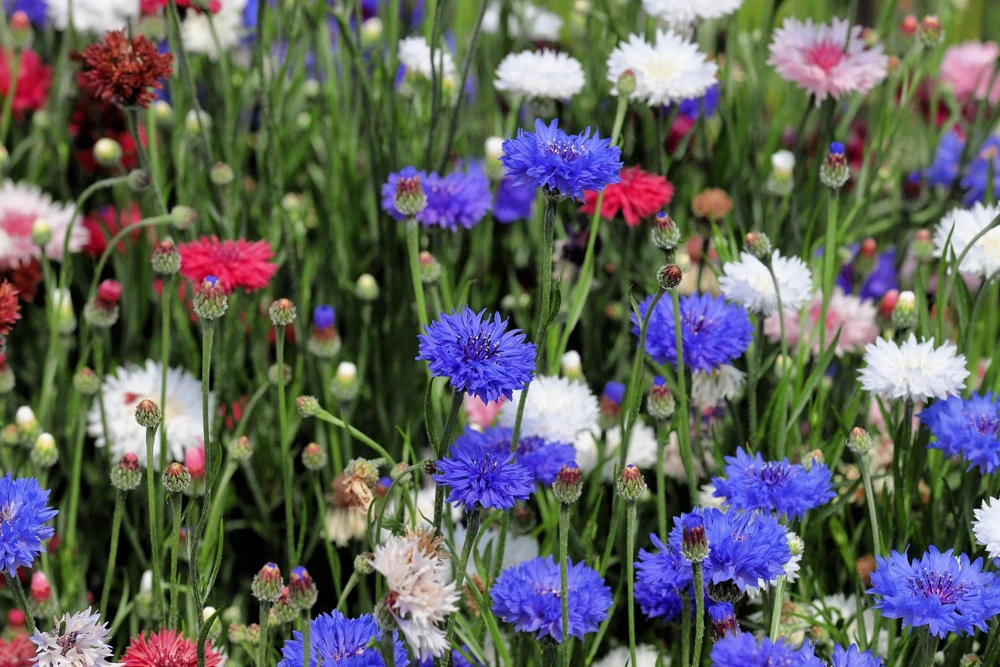
Transform your garden into a sea of captivating blue with these high-quality blue Bachelor’s Button cornflower seeds. Also known by their scientific name, Centaurea Cyanus, these classic annuals are cherished for their striking, fringed blooms and easy-to-grow nature. Each packet contains 1000 blue Bachelor’s Button cornflower seeds, providing an abundant supply for creating vibrant flower beds, borders, or meadows. These versatile flowers are not only beautiful but also attract beneficial pollinators like bees and butterflies, contributing to a healthier ecosystem. Perfect for gardeners seeking both aesthetic appeal and ecological benefits, these cornflower seeds promise a bountiful display of cheerful blue throughout the growing season.
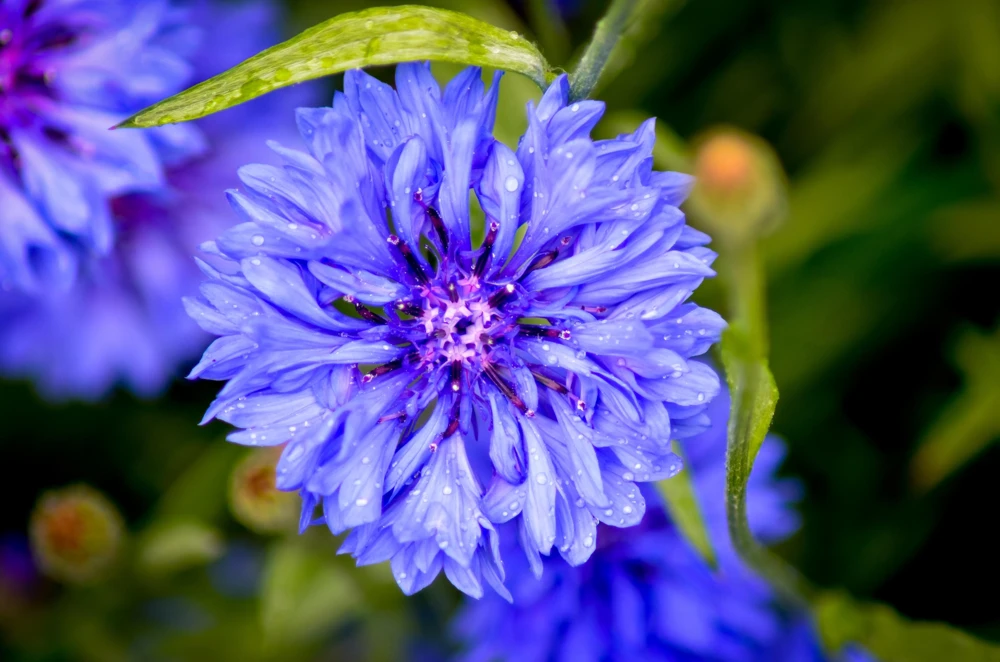
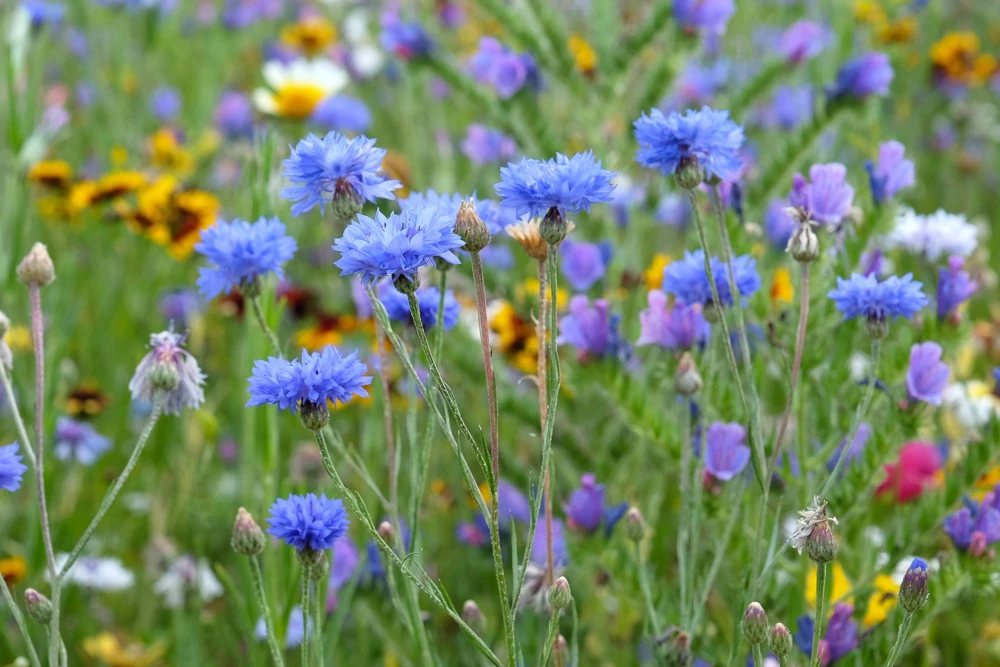
The charm of the Bachelor’s Button lies in its simple yet elegant beauty, making it a favorite for cottage gardens and naturalized areas. Their tall stature and bright blue hues create a stunning visual impact, whether planted en masse or interspersed among other flowering plants. Growing these centaurea cyanus seeds is a rewarding experience, as they quickly establish and produce a continuous flush of blooms from early summer until fall. Enthusiasts of vibrant garden flora will appreciate the robust growth and prolific flowering of these delightful annuals.
Key Benefits
Planting blue Bachelor’s Button cornflower seeds offers a multitude of advantages for your garden and home. These resilient flowers are celebrated for their ease of cultivation and their enduring beauty, making them a fantastic choice for a wide range of gardening projects. Discover the many reasons why these cornflower seeds are an excellent addition:
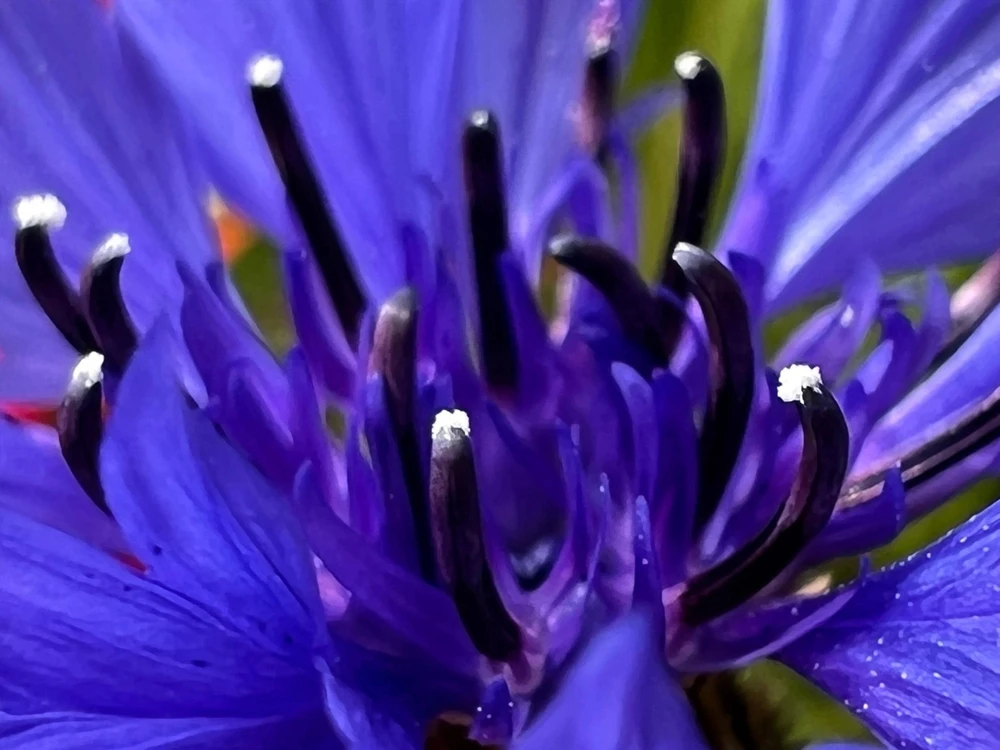
- Vibrant Blue Blooms: Enjoy a prolific display of intense blue flowers that add a bold and cheerful splash of color to any garden setting. The unique fringed petals create a delicate yet striking appearance.
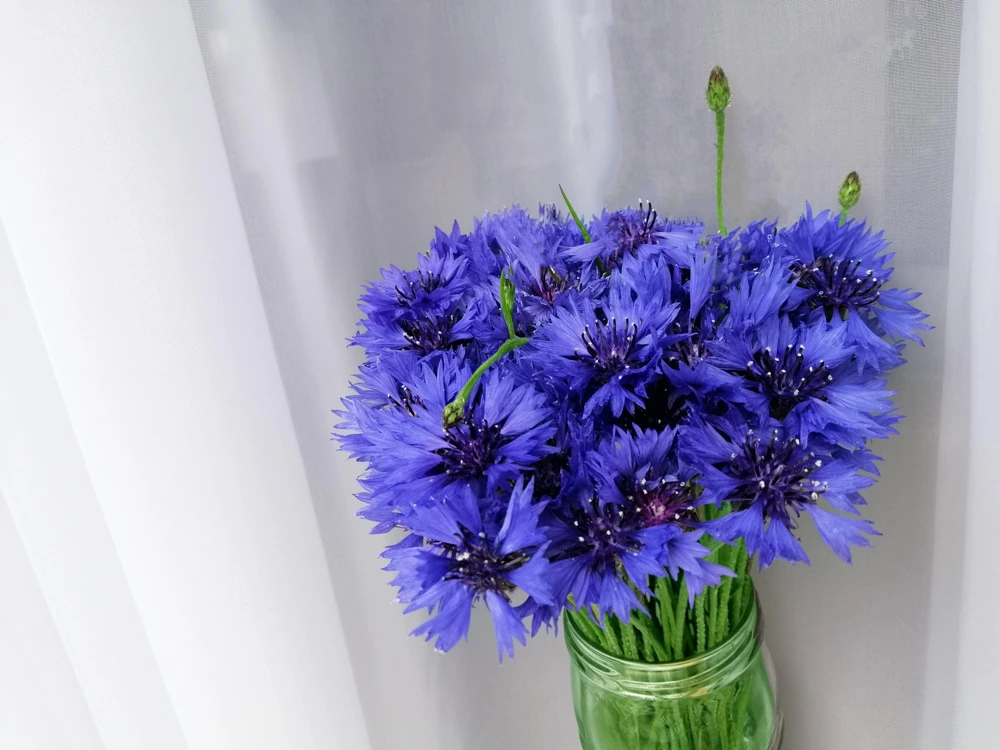
- Excellent Cut Flowers: These tall, sturdy stems make superb cut flower seeds. Their long vase life ensures you can bring the beauty of your garden indoors, creating stunning floral arrangements.
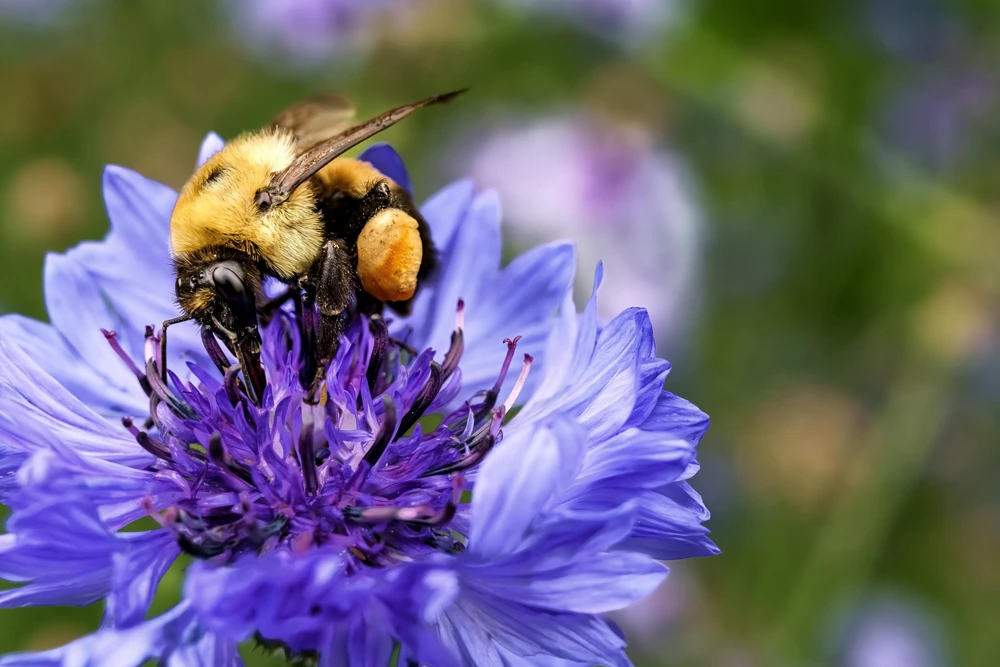
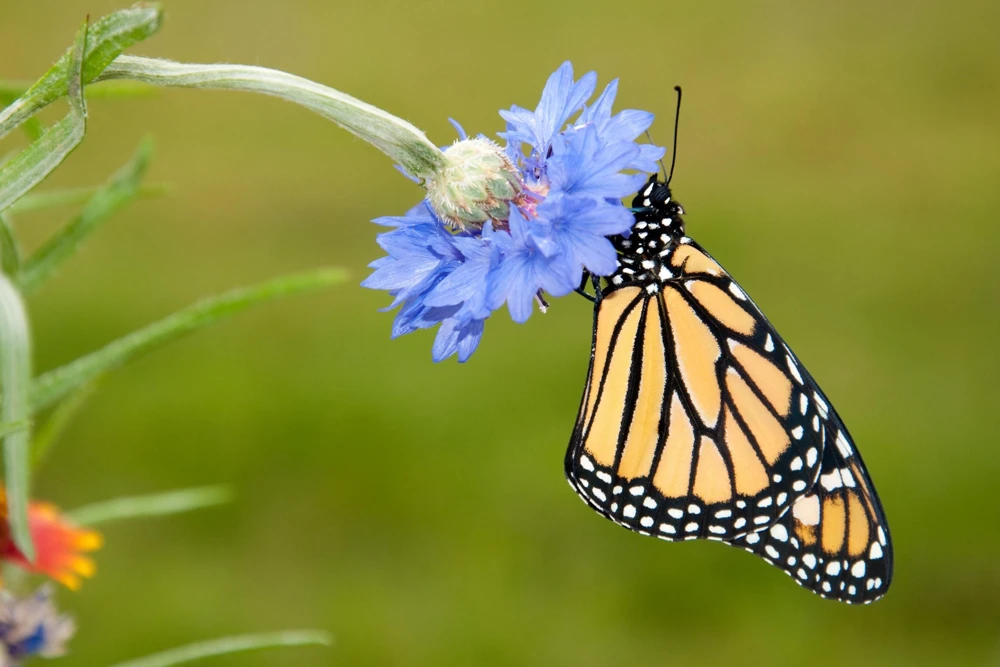
- Attracts Pollinators: The nectar-rich flowers are a magnet for bees, butterflies, and other beneficial insects, helping to support local pollinator populations and enhance garden biodiversity.
- Easy to Grow: Known for their hardiness and adaptability, Centaurea Cyanus seeds are very forgiving, thriving in various conditions and requiring minimal care once established, perfect for beginner gardeners.
- Long Bloom Period: From early summer through fall, these Bachelor’s Buttons provide continuous blooms, ensuring your garden remains colorful and lively for an extended season.
- Reseeds Easily: While technically an annual, these plants often self-seed readily, giving the impression of a perennial in many zones, reducing the need for replanting each year.
- Drought Tolerant: Once mature, Bachelor’s Buttons are quite tolerant of dry conditions, making them a good choice for water-wise gardening.
Plant Care & Growing Tips
Cultivating beautiful blue Bachelor’s Button cornflower seeds is straightforward, making them an excellent choice for gardeners of all skill levels. For optimal growth, sow your Centaurea Cyanus seeds directly outdoors after the danger of the last frost has passed. You can also start them indoors a few weeks before the last frost to get a head start on the blooming season. Plant seeds about 1/4 inch deep and space them approximately 15 to 18 inches apart to allow for proper air circulation and growth. Germination typically occurs within 7-14 days.
These flowers prefer a location with full sun to partial shade, meaning they need at least 6 hours of direct sunlight per day to produce the most abundant blooms. While they are adaptable, a sunny spot will yield the best results. The ideal soil for blue Bachelor’s Button cornflower seeds is average garden soil with good drainage. They are not particular about soil pH but will appreciate well-drained conditions to prevent root rot. Water regularly after planting until established, then reduce frequency as they become more drought-tolerant. Avoid overwatering, as this can lead to leggy growth and fewer flowers. Deadheading spent blooms will encourage a longer flowering period and prevent excessive self-seeding if desired.
Bachelor’s Buttons are generally low-maintenance and do not require heavy fertilization. An initial application of a balanced slow-release fertilizer at planting time is usually sufficient. Watch out for common garden pests like aphids, though these plants are generally quite resilient. Their vigorous growth and beautiful tall blue flowers make them a rewarding addition to any garden. With proper care, your cornflower seeds will flourish, providing a stunning display.
Size & Details
This product includes 1000 blue Bachelor’s Button cornflower seeds, providing a generous quantity for extensive planting. When mature, these plants typically reach a height of 24 to 36 inches, creating an impressive vertical element in your garden design. The recommended plant spacing is 15 to 18 inches, allowing each plant ample room to develop its full, bushy form and produce abundant blooms. Bachelor’s Buttons are known for their rapid growth, with flowers appearing just 10 to 12 weeks after the seeds are sown, offering quick gratification for eager gardeners. Their prolific flowering habit ensures a continuous show from early summer through fall, making them a reliable source of vibrant color.
These centaurea cyanus seeds are ideal for creating naturalized areas, mixed borders, or dedicated cutting gardens. The mature flowers are perfect for fresh arrangements or can be dried for everlasting bouquets, showcasing their versatility as cut flower seeds. While generally grown as annuals, their propensity to self-seed means they often return year after year, acting like a perennial in many climates. This natural reseeding ability ensures a continuous cycle of these beautiful tall blue flowers with minimal effort. The quantity of 1000 blue Bachelor’s Button cornflower seeds ensures you have enough to spread their beauty widely.
Frequently Asked Questions
- Q: How tall do these blue Bachelor’s Button cornflower seeds grow? A: These plants typically grow to a height of 24 to 36 inches, making them excellent for adding vertical interest to your garden beds and borders.
- Q: Is this an indoor or outdoor plant? A: Bachelor’s Buttons are primarily grown as outdoor plants, thriving in garden beds, containers, or naturalized areas. They require ample sunlight to flourish.
- Q: How much sunlight do these cornflower seeds need? A: They prefer a location with full sun to partial shade, ideally receiving at least 6 hours of direct sunlight per day for the best flowering performance.
- Q: Is this plant easy to care for? A: Yes, Bachelor’s Buttons are known for being very easy to grow and maintain, suitable for gardeners of all experience levels. They are quite hardy and adaptable.
- Q: When is the best time to plant these Centaurea Cyanus seeds? A: You can sow the seeds directly outdoors after the last frost, or start them indoors a few weeks before the last frost for an earlier bloom.
- Q: How long until these tall blue flowers bloom? A: Bachelor’s Buttons typically bloom within 10 to 12 weeks after the seeds are sown, providing a quick and rewarding display of color.
- Q: Do these plants attract pollinators? A: Absolutely! The vibrant blue flowers are very attractive to bees, butterflies, and other beneficial pollinators, making them a great choice for a pollinator garden.
- Q: Can I use these as cut flowers? A: Yes, these make excellent cut flower seeds. The tall, sturdy stems and long-lasting blooms are perfect for creating beautiful fresh or dried floral arrangements.
- Q: What type of soil do these blue Bachelor’s Button cornflower seeds prefer? A: They thrive in average, well-draining garden soil. Good drainage is key to preventing root issues and promoting healthy growth.
- Q: Will these plants come back next year? A: While technically an annual, Bachelor’s Buttons often readily self-seed, giving the appearance of a perennial in many climates and ensuring new plants emerge each spring.
Be the first to review “1000 Blue Bachelor’s Button Cornflower Seeds – Tall, Vibrant Flowers”
Related products


You May Like
5 Best Bulbs for Fall Planting: Brighten Your Garden This Spring
Are you dreaming of a garden full of vibrant colors in the spring? The key [...]
Aug
How to Repot Houseplants Like a Pro
Do your houseplants look like they’ve outgrown their pots? Are their roots popping out of [...]
Aug
10 Houseplants That Will Thrive in Your Kitchen
Are you tired of your kitchen feeling dull and lifeless? Want to add a little [...]
Aug
Reviews
There are no reviews yet.