


Nodding Bur Marigold Seeds – Bidens cernua Wildflower – 50 Seeds
Original price was: 32.99 $.12.99 $Current price is: 12.99 $.
Cultivate stunning nodding bur marigold seeds (Bidens cernua) with this pack of 50 high-quality seeds. These native wildflower seeds are ideal for naturalizing wetland areas, attracting pollinators, and adding vibrant yellow blooms to your garden.
Estimated arrival
Sep 19
Sep 24 - Sep 26
Sep 26 - Oct 01
See our Shipping Policy.
Get in touch with us via email, and our team will review your concerns.
Our Alive & Thrive Guarantee covers issues with your plants within the first 30 days. Read our Refund & Returns Policy.
-
USDA Hardiness Zone
USDA Zones 3-9 -
Soil Type
Moist to wet, organic-rich soil -
Sunlight Exposure
Full sun to partial shade -
Expected Planting Period
Spring or Fall
Overview
Discover the beauty of nature with our premium nodding bur marigold seeds. Each pack contains 50 viable seeds of Bidens cernua, a captivating native wildflower known for its nodding yellow flowers. This unique plant, also commonly referred to as Nodding Beggarticks, is an excellent choice for gardeners looking to enhance biodiversity and support local ecosystems. Growing from bidens cernua seeds is a rewarding experience, as these plants thrive in moist environments, making them perfect for rain gardens, pond edges, or naturalized wetland areas. Their distinctive blooms and easy-care nature make them a favorite among both novice and experienced gardeners.
The Nodding Bur Marigold is a fascinating annual that can bring a touch of wild elegance to any landscape. It’s not just about aesthetics; this plant plays a crucial role in providing nectar and pollen for various pollinators, including bees and butterflies. By planting these nodding bur marigold seeds, you are contributing to the health of your local environment and creating a vibrant habitat for beneficial insects. Embrace the charm of this resilient wildflower and watch your garden transform into a haven of natural beauty and ecological harmony.
Key Benefits
Choosing to plant nodding bur marigold seeds offers a multitude of advantages for your garden and the environment. These native plants are not only beautiful but also incredibly beneficial.
- Attracts Pollinators: The bright yellow flowers are a magnet for bees, butterflies, and other beneficial insects, enhancing the pollination of other plants in your garden and supporting local wildlife.
- Native Wildflower: As native wildflower seeds, Bidens cernua is well-adapted to local conditions, requiring less maintenance and resources compared to non-native species.
- Wetland Garden Specialist: Thrives in moist to wet soils, making it an excellent choice for rain gardens, bog gardens, pond margins, or other areas with consistent moisture, helping to manage water runoff.
- Easy to Grow: These bidens cernua seeds are relatively simple to germinate and grow, making them suitable for gardeners of all skill levels. They establish quickly and provide beautiful blooms.
- Ecological Restoration: Ideal for ecological restoration projects, helping to re-establish native plant communities and improve habitat quality in disturbed areas.
- Seasonal Interest: Provides vibrant yellow blooms from late summer to fall, extending the flowering season in your garden when many other plants have finished blooming.
- Low Maintenance: Once established, nodding bur marigold seeds grow into plants that require minimal care, making them a hassle-free addition to your landscape.
Plant Care & Growing Tips
Growing nodding bur marigold seeds is a straightforward process, especially if you provide the right conditions. These plants prefer full sun to partial shade, meaning they need at least 4-6 hours of direct sunlight per day to thrive and produce abundant blooms. When it comes to soil, Bidens cernua is not particularly picky about exact soil type, but it absolutely requires consistently moist to wet conditions. It will flourish in rich, organic soils that retain moisture well, such as loamy or clay soils, but can also adapt to sandy soils if kept adequately watered. Good drainage is less of a concern for this species, as it naturally inhabits areas with standing water or saturated ground.
Watering is critical for the Nodding Bur Marigold. Ensure the soil remains consistently damp, especially during dry spells. If planting in a container, frequent watering may be necessary. For outdoor planting, consider areas that naturally stay moist or irrigate regularly. Fertilization is generally not needed for native wildflower seeds like these, especially if planted in fertile soil. However, if your soil is poor, a light application of a balanced, slow-release fertilizer in early summer can promote stronger growth. Pests and diseases are rarely an issue, but keep an eye out for common garden pests and address them with organic solutions if necessary. These plants are quite hardy and resilient.
The ideal time to plant wetland plant seeds like Nodding Bur Marigold is in the spring after the last frost, or in the fall for natural stratification over winter. Sow seeds directly into prepared soil, lightly covering them. Germination typically occurs within 1-3 weeks. These plants are annuals but will readily self-seed, ensuring a continuous display in subsequent years if conditions remain favorable. They are hardy in USDA Zones 3-9, tolerating a wide range of climates as long as their moisture needs are met. For best results, ensure your planting site mimics their natural wetland habitat, providing ample moisture and sunlight for vibrant growth and a healthy population of pollinator friendly seeds.
Size & Details
The nodding bur marigold seeds will grow into robust annual plants that typically reach a height of 1 to 3 feet (30 to 90 cm), with a spread of about 1 to 2 feet (30 to 60 cm). The plants develop numerous branching stems, each adorned with bright yellow, daisy-like flowers that have a characteristic nodding habit. Each flower head measures approximately 1 to 2 inches (2.5 to 5 cm) in diameter. These 50 seeds are shipped in a protective seed packet, ensuring their viability upon arrival. Expect blooming from late summer through fall, providing an extended period of color in your garden. The growth rate is moderate to fast, allowing you to enjoy mature plants within a single growing season.
These bidens cernua seeds are perfect for creating naturalized areas, habitat gardens, or adding a wild touch to borders and moist landscape features. The seeds are ready for direct sowing and do not typically require extensive pre-treatment, though a period of cold stratification can sometimes improve germination rates, especially for fall planting. The plants are known for their ability to self-seed, meaning once established, you can often enjoy their presence year after year without replanting. They are an excellent choice for those seeking low-maintenance, ecologically beneficial plants that thrive in wet conditions.
Frequently Asked Questions
- Q: How big does the Nodding Bur Marigold plant get? A: Nodding Bur Marigold typically grows to a height of 1 to 3 feet (30 to 90 cm) and can spread about 1 to 2 feet (30 to 60 cm) wide. Its size can vary slightly depending on growing conditions and moisture availability.
- Q: Is this an indoor or outdoor plant? A: The nodding bur marigold seeds are intended for outdoor planting. This native wildflower thrives in natural outdoor environments, especially in moist or wet soil conditions.
- Q: How much sunlight does it need? A: Nodding Bur Marigold prefers full sun to partial shade, meaning it requires at least 4-6 hours of direct sunlight per day for optimal growth and flowering.
- Q: Is this plant easy to care for? A: Yes, Nodding Bur Marigold is considered an easy-to-care-for plant, especially once established. Its primary requirement is consistently moist to wet soil. As native wildflower seeds, they are adapted to local conditions.
- Q: What condition will the seeds arrive in? A: Your nodding bur marigold seeds will arrive as 50 high-quality, viable seeds packaged in a protective seed packet, ready for planting.
- Q: When is the best time to plant these seeds? A: The best time to plant bidens cernua seeds is in the spring after the last frost, or in the fall for natural cold stratification over winter, which can aid germination.
- Q: Will it survive winter in my zone? A: Nodding Bur Marigold is an annual plant, meaning it completes its life cycle in one season. However, it readily self-seeds, so new plants will often emerge in the spring in USDA Zones 3-9 if conditions are favorable for germination.
- Q: What kind of soil does it prefer? A: This plant thrives in consistently moist to wet soils, including loamy, clay, or even sandy soils, as long as they retain adequate moisture. It’s an ideal choice for wetland plant seeds.
- Q: Are these seeds good for attracting pollinators? A: Absolutely! Nodding Bur Marigold is an excellent choice for attracting a variety of pollinators, including bees and butterflies, making them highly effective pollinator friendly seeds.
- Q: Do I need to fertilize Nodding Bur Marigold? A: Generally, fertilization is not necessary, especially if planted in fertile soil. If your soil is poor, a light application of balanced fertilizer in early summer can be beneficial.
Be the first to review “Nodding Bur Marigold Seeds – Bidens cernua Wildflower – 50 Seeds”
Related products


You May Like
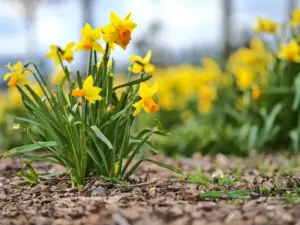
5 Best Bulbs for Fall Planting: Brighten Your Garden This Spring
Are you dreaming of a garden full of vibrant colors in the spring? The key [...]
Aug
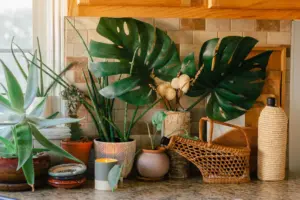
How to Repot Houseplants Like a Pro
Do your houseplants look like they’ve outgrown their pots? Are their roots popping out of [...]
Aug
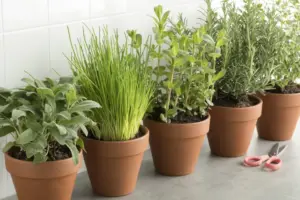
10 Houseplants That Will Thrive in Your Kitchen
Are you tired of your kitchen feeling dull and lifeless? Want to add a little [...]
Aug
Reviews
There are no reviews yet.