


Black Eyed Susan Seeds – Rudbeckia hirta Native Wildflower – 100 Seeds – Outdoor
Original price was: 32.99 $.12.99 $Current price is: 12.99 $.
Cultivate beautiful Black Eyed Susan seeds (Rudbeckia hirta) in your garden. These native wildflower seeds produce cheerful golden-yellow blooms with dark centers, perfect for adding vibrant color to sunny outdoor spaces. Easy to grow and drought tolerant flowers.
Estimated arrival
Sep 18
Sep 23 - Sep 25
Sep 25 - Sep 30
See our Shipping Policy.
Get in touch with us via email, and our team will review your concerns.
Our Alive & Thrive Guarantee covers issues with your plants within the first 30 days. Read our Refund & Returns Policy.
-
USDA Hardiness Zone
USDA Zones 3-9 -
Soil Type
Well-draining soil -
Sunlight Exposure
Full sun -
Expected Planting Period
Fall or Spring
Overview
Bring the cheerful beauty of American meadows to your garden with our premium Black Eyed Susan seeds. This offering includes 100 high-quality seeds of Rudbeckia hirta, the classic native wildflower admired for its bright golden-yellow petals surrounding rich dark centers. Blooming profusely from summer into fall, these daisy-like flowers create bold seasonal color in garden beds, meadow plantings, borders, and naturalized landscapes. The sturdy branching stems produce abundant blooms that add warmth and texture to sunny gardens throughout the season. Easy to grow and highly adaptable, Rudbeckia hirta seeds are a favorite for cottage gardens, prairie-style plantings, and long-lasting cut flower displays. These resilient plants are a cornerstone for any gardener looking to establish a vibrant, low-maintenance, and wildlife-friendly outdoor space.
Each packet contains 100 seeds, ensuring you have plenty to start a thriving patch of these iconic American flowers. Whether you’re an experienced gardener or just beginning, growing Black Eyed Susan seeds is a rewarding experience that yields spectacular results. Their robust nature and extended blooming period make them an excellent choice for adding continuous color and life to your landscape from mid-summer until the first frost.
Key Benefits
Planting Black Eyed Susan seeds offers numerous advantages, transforming your garden into a haven of natural beauty and ecological support. These native wildflower seeds are not only stunning but also incredibly beneficial.
- Vibrant Seasonal Color: Enjoy a long season of cheerful golden-yellow blooms from summer through fall, adding a striking visual impact to any garden setting. These flowers are known for their ability to brighten up landscapes with their bold hues.
- Attracts Pollinators: The rich, dark centers of the flowers are a magnet for bees, butterflies, and other beneficial insects, supporting local ecosystems and enhancing garden biodiversity. Planting these helps create a pollinator-friendly environment.
- Drought Tolerant Flowers: Once established, Black Eyed Susans are remarkably drought-tolerant, requiring minimal watering and making them an ideal choice for water-wise gardening and busy gardeners. This resilience reduces the need for constant care.
- Low Maintenance: These wildflowers are exceptionally easy to grow and care for, thriving in full sun and well-drained soil with little intervention. They are perfect for gardeners seeking beautiful results without extensive effort.
- Versatile Landscape Use: Excellent for meadow gardens, borders, cottage gardens, naturalized areas, and even as cut flowers, providing flexibility in how you choose to incorporate them into your landscape design.
- Deer Resistant: Generally unappealing to deer, making them a safe choice for gardens in areas where deer browsing is a concern. Enjoy your blooms without worrying about them being eaten.
- Supports Wildlife: Beyond pollinators, the seeds provide a food source for birds in the fall and winter, contributing to a healthy garden ecosystem.
Plant Care & Growing Tips
Growing Black Eyed Susan seeds to maturity is a straightforward and rewarding process, given their adaptable nature. For successful germination, sow seeds outdoors in fall for natural cold stratification, or sow in spring after the last frost. Lightly press the seeds into moist soil; do not deeply cover them, as light aids germination. Maintain consistently moist soil during the germination period, which typically takes 10–21 days under suitable conditions. Once seedlings emerge, thin them to be 12–18 inches apart to ensure healthy airflow and ample space for mature growth. This spacing is crucial for preventing disease and encouraging robust plant development.
Black Eyed Susan thrives in full sun, requiring at least 6 hours of direct sunlight per day to produce its abundant blooms. Well-drained soil is essential, though these plants are quite tolerant of various soil types, including sandy or clay soils, as long as drainage is adequate. Once established, they are relatively drought-tolerant and require minimal maintenance. Water occasionally during prolonged dry periods, but avoid overwatering, which can lead to root issues. Deadhead spent blooms regularly to encourage continued flowering and maintain a tidy appearance, extending the bloom season significantly. Fertilization is generally not necessary in average garden soils, but a light application of a balanced slow-release fertilizer in spring can encourage more vigorous growth in poor soils. These plants are hardy in USDA Zones 3-9, making them suitable for a wide range of climates. Knowing how to grow Black Eyed Susan successfully ensures a vibrant display.
Size & Details
This product includes 100 seeds of Black Eyed Susan (Rudbeckia hirta), providing ample opportunity to establish a beautiful wildflower patch. Once mature, these plants typically grow 2–4 feet tall with a spread of about 1–2 feet, producing masses of golden blooms from summer into fall. The plants develop sturdy, branching stems that support numerous flowers, creating a full and impactful display. The seeds are packaged to ensure viability and are ready for planting upon arrival. Expect vigorous growth and abundant flowering from these native wildflower seeds, which will quickly become a highlight of your garden. The germination period is generally 10–21 days, with flowering occurring in the first year if planted in spring, or the second year if cold stratified over winter. These drought tolerant flowers are an excellent investment for long-lasting garden beauty.
Frequently Asked Questions
- Q: How big does Black Eyed Susan get? A: Black Eyed Susan plants typically grow to a height of 2–4 feet tall with a spread of about 1–2 feet, forming a bushy clump of vibrant flowers. Their mature size makes them ideal for the middle or back of borders.
- Q: Is this an indoor or outdoor plant? A: Black Eyed Susan is an outdoor plant, thriving in full sun and open garden spaces. It is not generally grown as an indoor houseplant due to its light and space requirements.
- Q: How much sunlight do these seeds need to grow? A: To successfully grow Black Eyed Susan, the plants require full sun, meaning at least 6 hours of direct sunlight per day. Adequate sunlight is crucial for abundant flowering.
- Q: Is this plant easy to care for? A: Yes, Black Eyed Susan is considered very easy to care for. Once established, it is relatively drought-tolerant and requires minimal maintenance, making it suitable for beginners and experienced gardeners alike looking for drought tolerant flowers.
- Q: What condition will the seeds arrive in? A: The 100 seeds will arrive in a sealed packet, ensuring their freshness and viability for planting. They are ready to be sown according to the provided instructions.
- Q: How long until Black Eyed Susan blooms from seed? A: If planted in spring, Black Eyed Susans can often bloom in their first year. If sown in fall for cold stratification, they will typically bloom the following summer.
- Q: What is the best time to plant Black Eyed Susan seeds? A: You can sow Rudbeckia hirta seeds either in the fall for natural cold stratification over winter or in the spring after the last danger of frost has passed. Both methods are effective.
- Q: Will Black Eyed Susan survive winter in my zone? A: Black Eyed Susans are hardy in USDA Zones 3-9. In these zones, they are perennial and will return each year, though they are often grown as annuals or short-lived perennials in other regions.
- Q: What kind of soil does Black Eyed Susan prefer? A: Black Eyed Susans prefer well-drained soil but are adaptable to a variety of soil types, including clay and sandy soils. Good drainage is the most important factor.
- Q: Are these truly native wildflower seeds? A: Yes, Rudbeckia hirta, commonly known as Black Eyed Susan, is a true native North American wildflower, making these seeds an excellent choice for supporting local ecosystems.
Be the first to review “Black Eyed Susan Seeds – Rudbeckia hirta Native Wildflower – 100 Seeds – Outdoor”
Related products


Flower Seeds
Blue Stock Matthiola Incana Seeds – 50 Fragrant Gillyflower Seeds – Ten-Week Blue Stock
You May Like
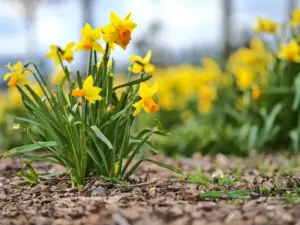
5 Best Bulbs for Fall Planting: Brighten Your Garden This Spring
Are you dreaming of a garden full of vibrant colors in the spring? The key [...]
Aug
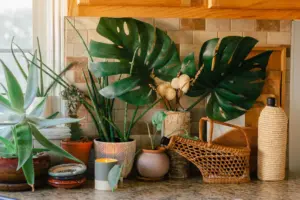
How to Repot Houseplants Like a Pro
Do your houseplants look like they’ve outgrown their pots? Are their roots popping out of [...]
Aug
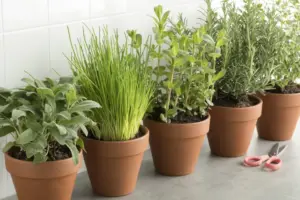
10 Houseplants That Will Thrive in Your Kitchen
Are you tired of your kitchen feeling dull and lifeless? Want to add a little [...]
Aug
Reviews
There are no reviews yet.