


Spotted Bee Balm Seeds – Monarda Punctata Wildflower – 50 Seeds Pollinator Attractor
Original price was: 32.99 $.12.99 $Current price is: 12.99 $.
Cultivate vibrant native gardens with spotted bee balm seeds, also known as Monarda punctata seeds. These wildflowers produce unique tiered pink-to-purple blooms, attracting bees, butterflies, and hummingbirds. Perfect for creating a thriving pollinator habitat and adding ecological value to your landscape. Heat and drought-tolerant once established.
Estimated arrival
Sep 18
Sep 23 - Sep 25
Sep 25 - Sep 30
See our Shipping Policy.
Get in touch with us via email, and our team will review your concerns.
Our Alive & Thrive Guarantee covers issues with your plants within the first 30 days. Read our Refund & Returns Policy.
-
USDA Hardiness Zone
USDA Zones 3-9 -
Soil Type
Well-draining, sandy or dry soil -
Sunlight Exposure
Full sun to partial shade -
Expected Planting Period
Late fall or early spring (outdoors), 6-8 weeks before last frost (indoors)
Overview
Introduce a touch of native beauty and ecological benefit to your garden with spotted bee balm seeds. Known botanically as Monarda punctata, this striking wildflower is also commonly referred to as Dotted Mint or Horsemint. It’s cherished for its distinctive tiered pink-to-purple bracts and charming spotted tubular blooms, which create an eye-catching display from mid-summer into fall. Beyond its visual appeal, spotted bee balm seeds are highly valued for their role in supporting local ecosystems. They are a magnet for essential pollinators, including bees, butterflies, and hummingbirds, making them an indispensable addition to any wildlife or pollinator garden. This plant’s robust nature, coupled with its aromatic foliage rich in essential oils, ensures it’s not just beautiful but also a functional and fragrant choice for a sustainable landscape.
Choosing to grow monarda punctata seeds means investing in a resilient and rewarding plant. Once established, Spotted Bee Balm is remarkably heat- and drought-tolerant, making it an excellent choice for regions with challenging growing conditions or for gardeners seeking low-maintenance options. It thrives in well-drained soils, mimicking its natural habitat in prairies, meadows, and dry, sandy areas. Whether you’re aiming to enhance biodiversity, create a xeriscape, or simply enjoy the unique beauty of native flora, these seeds offer an opportunity to cultivate a thriving and vibrant garden that provides both aesthetic pleasure and vital support for local wildlife.
Key Benefits
Growing spotted bee balm seeds offers a multitude of advantages for both the gardener and the environment. This native perennial is an exceptional choice for anyone looking to create a dynamic and eco-friendly garden space.
- Attracts Pollinators:Spotted bee balm seeds are renowned for producing plants that are highly attractive to a wide array of pollinators, including various bee species, butterflies, and hummingbirds. This helps support local ecosystems and promotes biodiversity in your garden.
- Drought and Heat Tolerance: Once established, Monarda punctata is incredibly resilient to dry conditions and high temperatures, making it a low-maintenance option for xeriscapes and water-wise gardens.
- Unique Ornamental Value: The striking tiered bracts and spotted tubular flowers provide a distinctive visual texture and color that stands out in any garden setting, offering a unique aesthetic appeal.
- Fragrant Foliage: The plant’s leaves are rich in aromatic essential oils, releasing a pleasant scent when brushed or crushed, adding another sensory dimension to your outdoor space.
- Native Plant Benefits: As a native wildflower, horsemint seeds contribute to the health of local ecosystems, providing food and habitat for native wildlife, and are well-adapted to regional climates.
- Deer Resistant: The strong aroma of Spotted Bee Balm often deters deer, making it a good choice for gardens prone to deer browsing.
- Versatile Garden Use: Ideal for native gardens, meadow plantings, pollinator habitats, and even as a unique cut flower, offering flexibility in garden design.
Plant Care & Growing Tips
Successful cultivation of spotted bee balm seeds begins with proper sowing and continues with thoughtful care. For optimal results, direct sowing outdoors in late fall or early spring is recommended. Lightly press the seeds onto the soil surface, ensuring they are not covered, as they require light for germination. Maintain consistent moisture in the soil until germination occurs, which typically takes between 14 and 21 days. If you prefer to start indoors, sow seeds 6–8 weeks before your region’s last expected frost date. Once seedlings are ready, either transplant them or thin them to a spacing of 12–18 inches apart. This adequate spacing is crucial for promoting good airflow and robust growth, helping to prevent fungal issues and encouraging a strong, healthy plant.
When it comes to ongoing care, Monarda punctata seeds will develop into plants that thrive in full sun to partial shade. They prefer well-drained soil, ideally sandy or dry compositions, mimicking their natural prairie habitats. While establishing, water moderately to support root development. Mature plants are highly drought-tolerant, significantly reducing the need for supplemental watering once settled. Deadheading spent flowers is beneficial as it can extend the blooming period, providing a longer season of color and pollinator activity. Alternatively, allowing some flowers to go to seed will facilitate natural reseeding, ensuring a continued presence of this beautiful wildflower in your garden for years to come. This hardy perennial is an excellent choice for low-maintenance gardening, bringing unique form, fragrance, and wildlife benefits to any landscape, especially those designed as pollinator habitats or xeriscapes. Understanding how to grow dotted mint seeds effectively will yield a rewarding and vibrant display.
Size & Details
This offering includes 50 spotted bee balm seeds, providing an ample quantity to establish a beautiful patch of Monarda punctata in your garden. Each seed promises to grow into a hardy perennial plant, typically reaching a mature height of 1 to 3 feet (30 to 90 cm) and spreading about 1 to 2 feet (30 to 60 cm) wide. The plant develops a clumping habit with upright stems, showcasing its unique tiered floral structures. From these pollinator wildflower seeds, you can expect blooms to appear from mid-summer through early fall, providing a long season of interest and a consistent food source for pollinators. The seeds are packaged to ensure viability and are ready for sowing directly outdoors or starting indoors, depending on your preferred method and local climate conditions. These seeds are a simple way to introduce this beneficial and beautiful native plant to your landscape.
Frequently Asked Questions
- Q: How big does Spotted Bee Balm get? A: Spotted Bee Balm typically grows to a height of 1 to 3 feet (30-90 cm) and spreads 1 to 2 feet (30-60 cm) wide. Its upright growth habit makes it a striking addition to the mid-ground of a garden bed.
- Q: How much sunlight do Monarda punctata seeds need to grow? A: Plants grown from Monarda punctata seeds thrive in full sun to partial shade. For the most abundant blooms and strongest growth, aim for at least 6 hours of direct sunlight per day.
- Q: Is Spotted Bee Balm easy to care for? A: Yes, Spotted Bee Balm is considered a low-maintenance plant once established. It’s heat- and drought-tolerant and generally resistant to pests and diseases, making it suitable for gardeners of all experience levels.
- Q: What condition will the spotted bee balm seeds arrive in? A: The spotted bee balm seeds will arrive as a packet of dry, viable seeds, ready for sowing. They are carefully packaged to ensure their quality and readiness for planting upon receipt.
- Q: When is the best time to plant horsemint seeds? A: For best results, sow horsemint seeds directly outdoors in late fall or early spring. If starting indoors, begin 6-8 weeks before the last expected frost.
- Q: What type of soil does Dotted Mint prefer? A: Dotted Mint prefers well-drained soil, especially sandy or dry soil types. It is adaptable but will not tolerate consistently wet or poorly draining conditions.
- Q: Will Spotted Bee Balm survive winter in my zone? A: Spotted Bee Balm is a hardy perennial and is typically suitable for USDA Hardiness Zones 3-9, meaning it will reliably return year after year in these climates.
Be the first to review “Spotted Bee Balm Seeds – Monarda Punctata Wildflower – 50 Seeds Pollinator Attractor”
Related products


You May Like
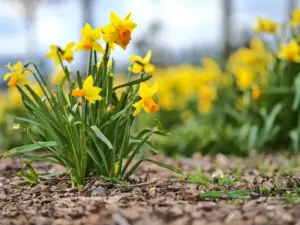
5 Best Bulbs for Fall Planting: Brighten Your Garden This Spring
Are you dreaming of a garden full of vibrant colors in the spring? The key [...]
Aug
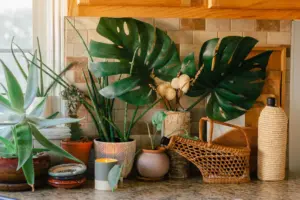
How to Repot Houseplants Like a Pro
Do your houseplants look like they’ve outgrown their pots? Are their roots popping out of [...]
Aug
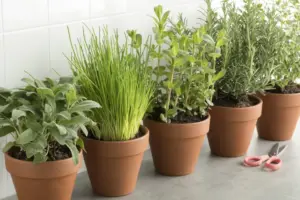
10 Houseplants That Will Thrive in Your Kitchen
Are you tired of your kitchen feeling dull and lifeless? Want to add a little [...]
Aug
Reviews
There are no reviews yet.