


Poached Egg Plant Seeds – Limnanthes douglasii – 60 Seeds – Annual Meadow Flower – Pollinator Friendly
Original price was: 32.99 $.12.99 $Current price is: 12.99 $.
Cultivate charming poached egg plant seeds (Limnanthes douglasii) to add cheerful white and yellow blooms to your garden. These annual meadow flower seeds are perfect for attracting bees and beneficial insects, creating a vibrant, pollinator friendly seeds space with ease.
Estimated arrival
Sep 18
Sep 23 - Sep 25
Sep 25 - Sep 30
See our Shipping Policy.
Get in touch with us via email, and our team will review your concerns.
Our Alive & Thrive Guarantee covers issues with your plants within the first 30 days. Read our Refund & Returns Policy.
-
USDA Hardiness Zone
unknown -
Soil Type
well-draining soil -
Sunlight Exposure
full sun to partial shade -
Expected Planting Period
spring to early summer
Overview
Introduce delightful charm to your garden with poached egg plant seeds. Known scientifically as Limnanthes douglasii, this enchanting annual meadow flower is celebrated for its distinctive blooms, which feature bright white petals encircling a golden-yellow center, strongly resembling a poached egg – hence its charming common name. These fast-growing and low-maintenance plants are an excellent choice for gardeners looking to effortlessly enhance their outdoor spaces. Ideal for wildflower gardens, borders, and various container plantings, Poached Egg Plants create a cheerful and inviting atmosphere. They are particularly valued for their ability to attract a wide array of pollinators, contributing significantly to local biodiversity and garden health.
Growing Limnanthes douglasii seeds is a rewarding experience, providing beautiful results with minimal effort. The abundant blooms offer continuous color throughout the growing season, making them a favorite for gardeners of all skill levels. Whether you aim to establish a vibrant meadow, line a garden path, or simply add a touch of whimsical beauty to your patio, these seeds offer a straightforward path to a flourishing display. Their adaptability and ease of care make them a standout choice among annuals.
Each packet contains 60 seeds, providing ample opportunity to cultivate a lush patch of these lovely flowers. The Poached Egg Plant is more than just a pretty face; it’s a hardworking addition to any ecological garden, actively supporting local insect populations. Embrace the beauty and benefits of this wonderful species in your home garden.
Key Benefits
Planting poached egg plant seeds offers a multitude of advantages for both your garden and the local ecosystem. These seeds grow into plants that are not only visually appealing but also ecologically valuable, making them a smart choice for any gardener.
- Abundant, Cheerful Blooms: Enjoy a continuous display of bright white and yellow flowers that bring a sunny disposition to any garden setting. The unique ‘poached egg’ appearance is a delightful conversation starter.
- Pollinator Magnet: The flowers are highly attractive to bees, butterflies, and other beneficial insects, making them an excellent choice for a pollinator friendly seeds garden. They help support local ecosystems and improve fruit and vegetable yields nearby.
- Low Maintenance & Easy to Grow: These annuals are remarkably easy to cultivate from Limnanthes douglasii seeds. They require minimal care once established, thriving with basic watering and sunlight, perfect for beginner gardeners.
- Versatile Garden Use: Ideal for wildflower meadows, garden borders, rockeries, container planting, or as a charming groundcover. Their compact size makes them suitable for various garden designs.
- Fast Growth Rate: Experience rapid germination and quick establishment, allowing you to enjoy vibrant blooms sooner in the growing season. This quick turnaround makes them a satisfying choice for annual color.
- Natural Pest Deterrent: By attracting beneficial insects, Poached Egg Plants can help manage garden pests naturally, reducing the need for chemical interventions.
- Enhances Biodiversity: Creating a diverse habitat for insects and other wildlife contributes to a healthier, more resilient garden environment. These annual meadow flower seeds are a step towards a more biodiverse space.
Plant Care & Growing Tips
Successfully growing poached egg plant seeds into thriving plants is straightforward with the right approach. These adaptable annuals prefer specific conditions to achieve their full blooming potential. Start by selecting a location that receives full sun to partial shade; while they can tolerate some shade, more sunlight generally leads to a more profuse flowering display. The soil should be consistently moist but well-draining. Avoid heavy, waterlogged soils, as this can lead to root rot. Amending clay soils with organic matter can improve drainage, while sandy soils might benefit from compost to retain moisture.
Sowing Limnanthes douglasii seeds directly into the garden is recommended in spring or early summer, once the danger of hard frost has passed. Prepare a fine seedbed by raking the soil smooth. Lightly press the seeds onto the soil surface; they require light for germination, so avoid covering them deeply. Maintain consistent moisture with a fine mist sprayer until seedlings emerge, which typically occurs within 10-21 days. Once seedlings are established, thin them to a spacing of about 6-8 inches apart to allow for proper air circulation and growth. Overcrowding can lead to reduced flowering and increased susceptibility to fungal diseases.
For ongoing care, water regularly, especially during dry spells, ensuring the soil remains evenly moist but never soggy. Deadheading spent flowers will encourage the plant to produce more blooms throughout the season and prevent self-seeding if undesired. Fertilization is generally not heavily required in rich garden soil, but a balanced liquid fertilizer applied sparingly during the peak growing season can boost flowering. Monitor for common garden pests, though the plant’s attractiveness to beneficial insects often helps keep pest populations in check. These annual meadow flower plants are generally quite hardy and resilient, making them a joy to grow for any gardener.
Size & Details
This product includes 60 high-quality poached egg plant seeds (Limnanthes douglasii), carefully selected for optimal germination. Each seed packet provides enough seeds to cultivate a substantial patch of these charming annuals. Once mature, Poached Egg Plants typically grow to a height of about 6-12 inches (15-30 cm) and spread approximately 6-12 inches wide, forming a dense, low-growing mound. Their compact size makes them ideal for various garden applications, from front borders to container arrangements.
These plants exhibit a relatively fast growth rate, with germination usually occurring within 10-21 days under optimal conditions. Blooms can be expected to appear approximately 8-10 weeks after sowing, providing a long season of cheerful, pollinator friendly seeds flowers. The seeds are packaged to ensure freshness and viability upon arrival, ready for immediate planting in your garden. The Poached Egg Plant thrives as an annual, completing its life cycle within one growing season but often self-seeds for future displays if conditions are favorable.
Frequently Asked Questions
- Q: How big do Poached Egg Plants get from these seeds? A: Poached Egg Plants typically grow to a compact size of 6-12 inches (15-30 cm) in both height and spread, forming a lovely groundcover or border plant. Their modest dimensions make them suitable for various garden settings.
- Q: Is this an indoor or outdoor plant? A: Poached Egg Plant (Limnanthes douglasii) is primarily grown as an outdoor annual. It thrives in garden beds, borders, and containers where it can receive adequate sunlight and fresh air.
- Q: How much sunlight does the Poached Egg Plant need? A: These plants perform best in full sun to partial shade. For the most abundant blooms from your poached egg plant seeds, aim for at least 6 hours of direct sunlight per day, especially in cooler climates.
- Q: Is this plant easy to care for? A: Yes, Poached Egg Plants are considered very easy to care for, making them an excellent choice for beginner gardeners. They are low-maintenance and generally resilient once established.
- Q: What condition will the seeds arrive in? A: The Limnanthes douglasii seeds will arrive in a protective packet, ensuring their freshness and viability for planting. They are ready to be sown directly into your garden.
- Q: How long until Poached Egg Plants bloom from seed? A: Under ideal growing conditions, you can typically expect your Poached Egg Plants to begin blooming approximately 8-10 weeks after sowing the annual meadow flower seeds.
- Q: When is the best time to plant Poached Egg Plant seeds? A: The best time to sow poached egg plant seeds is in spring or early summer, after all danger of frost has passed. They can also be fall-sown in mild winter climates for earlier spring blooms.
- Q: Will these plants attract pollinators? A: Absolutely! Poached Egg Plants are highly regarded as a pollinator friendly seeds option. Their bright, open flowers are very attractive to bees, butterflies, and other beneficial insects, making them a great addition to a wildlife garden.
- Q: What kind of soil do Poached Egg Plants prefer? A: They prefer consistently moist, well-draining soil. While adaptable, they do best in rich, loamy soil. Avoid heavy clay soils that can become waterlogged.
- Q: Can I grow Poached Egg Plants in containers? A: Yes, their compact size makes them an excellent choice for container planting. Ensure the container has drainage holes and use a good quality potting mix for optimal growth.
Be the first to review “Poached Egg Plant Seeds – Limnanthes douglasii – 60 Seeds – Annual Meadow Flower – Pollinator Friendly”
Related products


You May Like
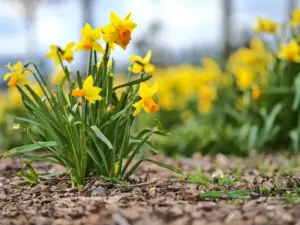
5 Best Bulbs for Fall Planting: Brighten Your Garden This Spring
Are you dreaming of a garden full of vibrant colors in the spring? The key [...]
Aug
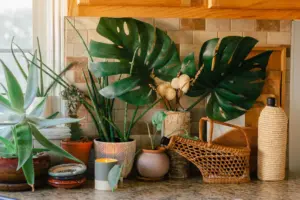
How to Repot Houseplants Like a Pro
Do your houseplants look like they’ve outgrown their pots? Are their roots popping out of [...]
Aug
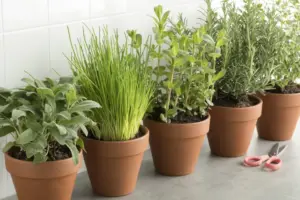
10 Houseplants That Will Thrive in Your Kitchen
Are you tired of your kitchen feeling dull and lifeless? Want to add a little [...]
Aug
Reviews
There are no reviews yet.