


Biennial Gaura Seeds – 25 Seeds, White & Pink Butterfly Flowers, Outdoor
Original price was: 32.99 $.12.99 $Current price is: 12.99 $.
Cultivate graceful Biennial Gaura seeds, also known as Oenothera lindheimeri, to bring delicate white and pink butterfly-like blooms to your garden. These elegant flowers are ideal for garden beds, borders, and attracting pollinators, offering a low-maintenance, charming display.
Estimated arrival
Sep 19
Sep 24 - Sep 26
Sep 26 - Oct 01
See our Shipping Policy.
Get in touch with us via email, and our team will review your concerns.
Our Alive & Thrive Guarantee covers issues with your plants within the first 30 days. Read our Refund & Returns Policy.
-
USDA Hardiness Zone
USDA zones 5-9 -
Soil Type
Well-draining soil -
Sunlight Exposure
Full sun -
Expected Planting Period
Spring (after last frost)
Overview
Transform your garden into a haven of delicate beauty with our premium Biennial Gaura seeds. Also known as Oenothera lindheimeri, this exquisite flowering plant is celebrated for its graceful, butterfly-like blooms that dance on tall, slender stems. Each packet contains 25 Biennial Gaura seeds, providing ample opportunity to cultivate a stunning display of white and pink flowers. These hardy biennials are perfect for adding an airy, naturalized charm to garden beds, borders, and wildflower meadows, creating a dynamic visual interest throughout their long growing season. Beyond their aesthetic appeal, Biennial Gaura plants are invaluable for attracting beneficial pollinators such as bees and butterflies, contributing to a vibrant and healthy ecosystem.
The soft, flowing appearance of these flowers adds a unique sense of movement and elegance to any landscape. Whether you are aiming for a classic cottage garden feel or a more wild, naturalized setting, Oenothera lindheimeri seeds are an excellent choice. They are known for their low-maintenance nature once established, making them a gardener’s delight. Enjoy the continuous flutter of their delicate white and pink petals, bringing a serene and captivating atmosphere to your outdoor spaces from late spring through fall.
Key Benefits
Our Biennial Gaura seeds offer a multitude of benefits for both the discerning gardener and the garden itself. These enchanting plants are not only beautiful but also remarkably resilient and easy to care for, making them a fantastic addition to various garden styles.
- Elegant, Long-Lasting Blooms: Enjoy a prolonged season of delicate white and pink butterfly-like flowers that add grace and movement to your garden from spring to autumn. Each bloom is a miniature work of art, creating a stunning visual impact.
- Attracts Pollinators: These flowers are a magnet for bees, butterflies, and other essential pollinators, supporting local ecosystems and encouraging biodiversity in your garden. Planting Biennial Gaura seeds helps create a thriving environment.
- Low-Maintenance & Drought-Tolerant: Once established, Gaura plants require minimal care and are highly drought-tolerant, making them an ideal choice for busy gardeners or those in drier climates. They thrive with little fuss.
- Versatile Garden Use: Perfect for garden beds, borders, rock gardens, wildflower meadows, and cottage garden designs. Their airy texture complements a wide range of other plants, enhancing overall garden aesthetics.
- Adds Movement & Texture: The slender stems and fluttering blooms of Biennial Gaura introduce a dynamic element to your landscape, creating a sense of natural beauty and gentle motion with every breeze.
- Deer Resistant: Gaura is generally not favored by deer, offering a beautiful flowering option for gardens where deer browse is a concern.
- Easy to Grow from Seed: Starting Oenothera lindheimeri seeds is a straightforward process, allowing you to cultivate a beautiful patch of these charming flowers with satisfying results.
Plant Care & Growing Tips
Growing Biennial Gaura from seed is a rewarding experience, and with proper care, these plants will flourish, gracing your garden with their exquisite blooms. For optimal germination, start your Biennial Gaura seeds indoors 6–8 weeks before the last expected frost. Alternatively, you can sow them directly outdoors once the danger of frost has passed and the soil has warmed. Choose a location with full sun exposure, meaning at least 6 hours of direct sunlight per day, as Gaura thrives in bright conditions.
The ideal soil for Gaura is well-drained and moderately fertile. When sowing, lightly press the seeds onto the surface of the soil; avoid covering them too deeply, as light is beneficial for germination. Maintain consistent moisture in the soil, keeping it damp but not waterlogged, especially during the germination period. A soil temperature of 65–70°F is optimal for successful sprouting, which typically occurs within 10–21 days. Once seedlings are established, thin them to 12–18 inches apart to ensure proper air circulation and growth. This spacing is crucial for healthy plant development and abundant flowering.
After establishment, Biennial Gaura becomes remarkably drought-tolerant, requiring less frequent watering. However, regular watering during prolonged dry spells will promote continuous blooming. Deadheading spent flowers is highly recommended to encourage the production of new blooms and extend the flowering season. While generally low-maintenance, a light application of a balanced fertilizer in spring can support vigorous growth. These plants are quite hardy and can tolerate a range of conditions, making them a resilient choice for various garden settings. Understanding how to grow Gaura from seed ensures a vibrant and healthy addition to your landscape.
Size & Details
Each packet contains 25 Biennial Gaura seeds, providing a generous quantity for planting. Once mature, Biennial Gaura plants typically reach a height of 2 to 4 feet and a spread of 1 to 2 feet, creating an airy and upright structure in the garden. The slender stems support numerous delicate white and pink butterfly-like flowers, which are about 1 inch in diameter. These plants are biennials, meaning they usually establish foliage in their first year and then flower profusely in their second year before setting seed and typically dying back. However, they readily self-seed, ensuring a continuous presence in your garden year after year. The vigorous growth habit and elegant form make them a striking feature, especially when planted in groups. Expect blooms from late spring through fall, providing a long season of interest.
Frequently Asked Questions
- Q: How big does this plant get? A: Biennial Gaura typically grows to a height of 2 to 4 feet and spreads about 1 to 2 feet wide, creating an elegant, airy presence in the garden. The slender stems allow for a graceful, upright habit without becoming overly dense.
- Q: What are the sunlight requirements for Biennial Gaura seeds? A: Gaura thrives in full sun, requiring at least 6 hours of direct sunlight per day for optimal growth and abundant flowering. While it can tolerate some partial shade, full sun promotes the best bloom production.
- Q: Is this plant easy to care for? A: Yes, Biennial Gaura is considered low-maintenance, especially once established. It is drought-tolerant and generally disease-resistant, making it a great choice for both beginner and experienced gardeners. Learning to grow Gaura from seed is also relatively simple.
- Q: When is the best time to plant Biennial Gaura seeds? A: You can start seeds indoors 6–8 weeks before the last frost or sow them directly outdoors after the last frost in spring. This timing allows the plants to establish well before the main growing season.
- Q: Will these flowers attract pollinators? A: Absolutely! The delicate white and pink butterfly-like blooms of Biennial Gaura are highly attractive to bees, butterflies, and other beneficial pollinators, enhancing the biodiversity of your garden.
- Q: What kind of soil does Gaura prefer? A: Gaura prefers well-drained soil. It is adaptable to various soil types but will not tolerate consistently wet or heavy clay soils. Good drainage is key to preventing root rot.
- Q: How long does it take for Biennial Gaura to bloom from seed? A: As a biennial, Oenothera lindheimeri seeds typically establish foliage in their first year and then produce their beautiful blooms in the second year. They will then self-seed to continue the cycle.
- Q: Can I grow pink Gaura flowers in containers? A: While Gaura prefers to spread in garden beds, it can be grown in large containers with adequate drainage. Ensure the container is spacious enough to accommodate its root system and provide consistent watering.
- Q: Is Gaura deer resistant? A: Yes, Gaura is generally considered deer resistant, making it a good choice for gardens in areas with deer populations. Deer tend to avoid browsing this plant.
- Q: How often should I water my Biennial Gaura? A: Water regularly until the plant is established. Once established, it is drought-tolerant and requires less frequent watering, especially in cooler climates. During hot, dry periods, occasional deep watering will be beneficial.
Be the first to review “Biennial Gaura Seeds – 25 Seeds, White & Pink Butterfly Flowers, Outdoor”
Related products


You May Like
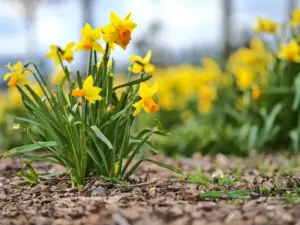
5 Best Bulbs for Fall Planting: Brighten Your Garden This Spring
Are you dreaming of a garden full of vibrant colors in the spring? The key [...]
Aug
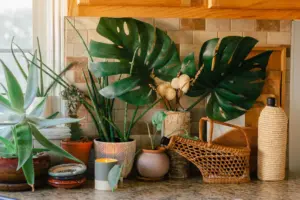
How to Repot Houseplants Like a Pro
Do your houseplants look like they’ve outgrown their pots? Are their roots popping out of [...]
Aug
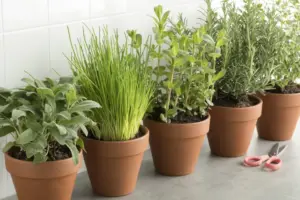
10 Houseplants That Will Thrive in Your Kitchen
Are you tired of your kitchen feeling dull and lifeless? Want to add a little [...]
Aug
Reviews
There are no reviews yet.