
Dwarf Red Plains Coreopsis Seeds – 200 Count – Native Wildflower for Pollinator Gardens
Original price was: 32.99 $.12.99 $Current price is: 12.99 $.
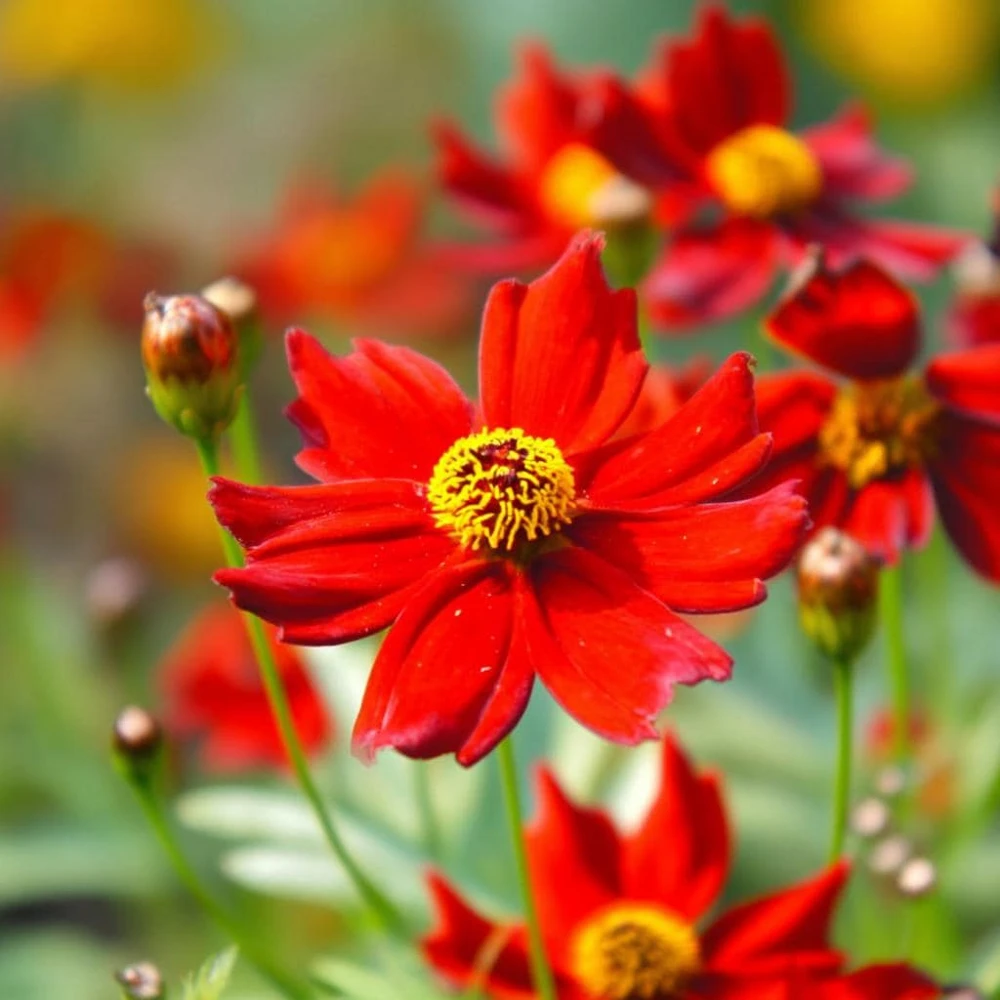
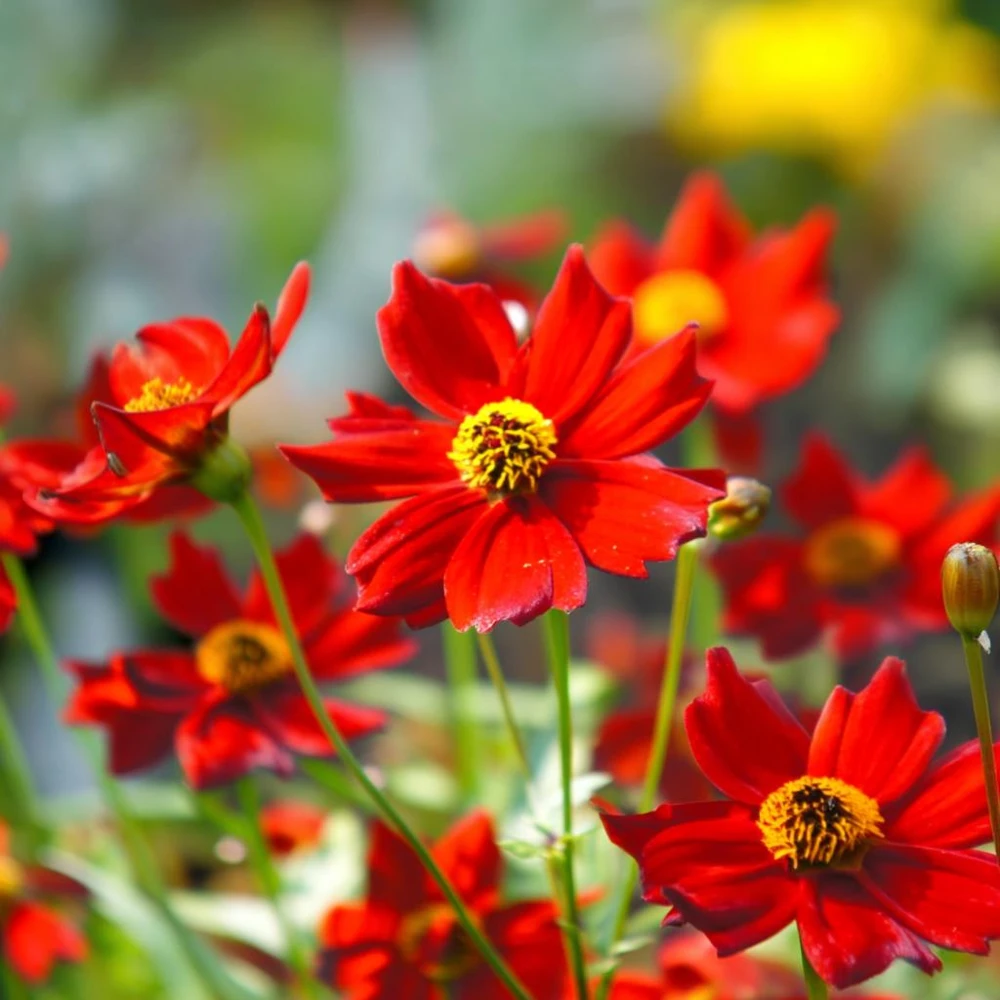
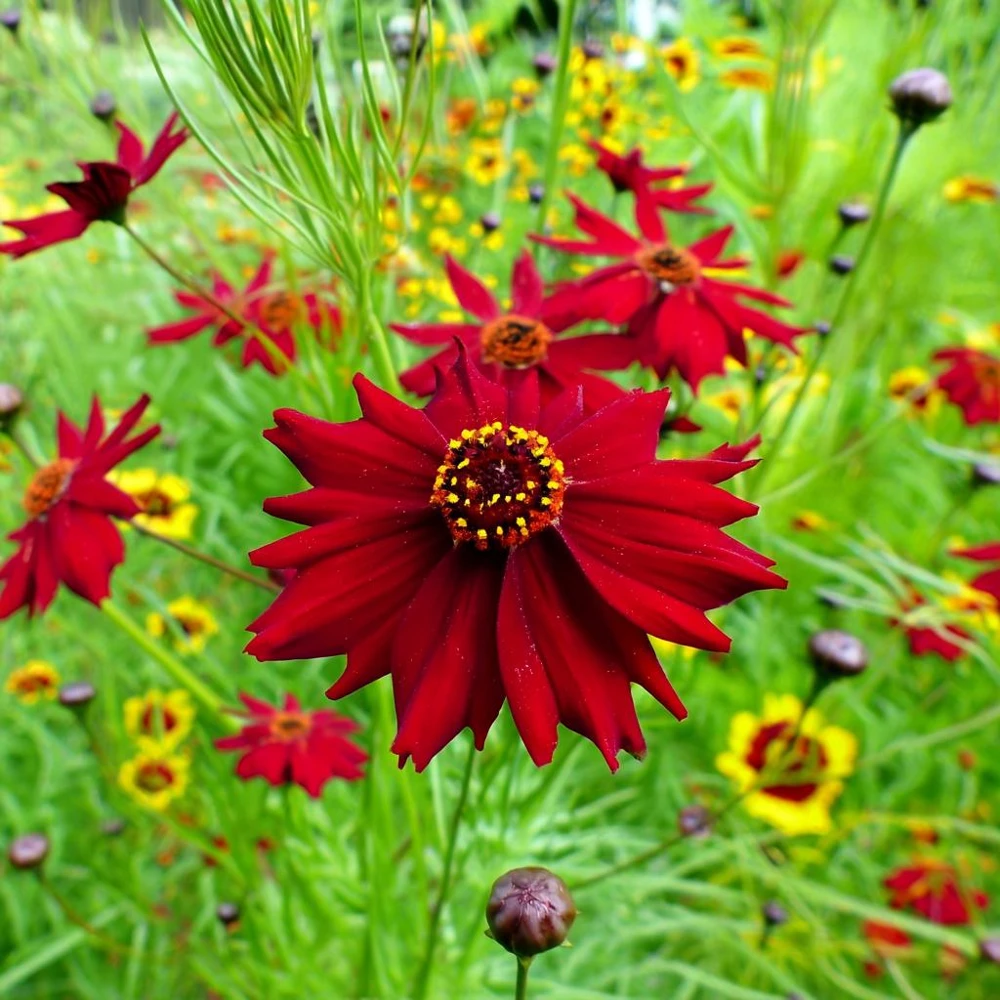
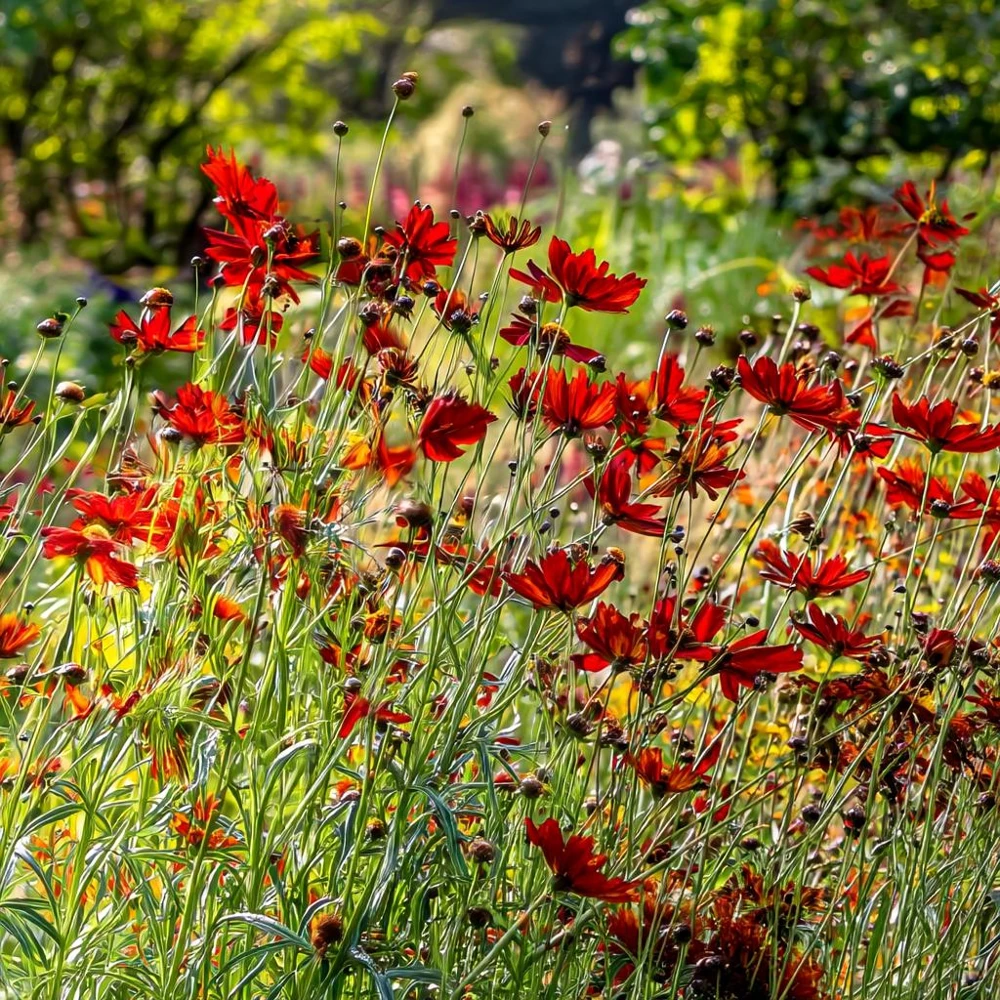
Grow vibrant dwarf red plains coreopsis seeds, a beautiful native wildflower (Coreopsis tinctoria) perfect for attracting bees and butterflies. These easy-to-grow annuals produce abundant red-gold daisy-like blooms, thriving in full sun and well-drained soil. Ideal for meadows, borders, and pollinator garden seeds.
Estimated arrival
Sep 18
Sep 23 - Sep 25
Sep 25 - Sep 30
See our Shipping Policy.
Get in touch with us via email, and our team will review your concerns.
Our Alive & Thrive Guarantee covers issues with your plants within the first 30 days. Read our Refund & Returns Policy.
-
USDA Hardiness Zone
Annual, suitable for all zones during growing season -
Soil Type
Well-draining soil, tolerant of poor or sandy soils -
Sunlight Exposure
Full sun -
Expected Planting Period
Early spring after last frost or fall in warm climates
Overview
Introduce a burst of vibrant color and ecological benefit to your garden with dwarf red plains coreopsis seeds. This compact native annual wildflower, scientifically known as Coreopsis tinctoria, is celebrated for its stunning red to red-gold daisy-like blooms that create a spectacular display. Perfect for those seeking to enhance their outdoor spaces with natural beauty, these coreopsis tinctoria seeds grow into petite plants that produce masses of cheerful flowers. They are an excellent choice for meadows, borders, containers, and especially for creating a thriving habitat for beneficial insects. Easy to establish and maintain, these seeds promise a rewarding gardening experience for both novice and experienced gardeners alike.
The dwarf red plains coreopsis seeds are an ideal solution for gardeners looking for a low-maintenance, high-impact flower. These wildflowers are not only visually appealing but also play a crucial role in supporting local ecosystems by attracting a wide range of pollinators. Their adaptability to various soil conditions, including poor or sandy soils, and their natural drought tolerance once established make them a resilient addition to any landscape. Cultivating these seeds means contributing to biodiversity while enjoying months of brilliant, long-lasting color in your garden.
Key Benefits
Planting dwarf red plains coreopsis seeds offers a multitude of advantages for your garden and the local environment. These versatile wildflowers provide continuous beauty and ecological support throughout their growing season.
- Attracts Pollinators: The vibrant blooms are highly attractive to bees, butterflies, and other beneficial insects, making them an essential component for any pollinator garden seeds project.
- Vibrant, Long-Lasting Color: Enjoy months of cheerful red to red-gold daisy-like flowers that brighten up any landscape from late spring through fall.
- Drought-Tolerant: Once established, these plants are remarkably drought-tolerant, requiring minimal watering and thriving in drier conditions. This makes them a perfect choice for sustainable gardening.
- Low Maintenance: These wildflowers are incredibly easy to care for, performing well even in poor or sandy soils and requiring little attention beyond initial establishment.
- Versatile Landscaping Use: Ideal for a variety of settings, including meadows, naturalized areas, garden borders, rock gardens, and container plantings.
- Native Wildflower: As a native species, Coreopsis tinctoria is well-adapted to local climates and contributes to the health of native ecosystems. Growing native wildflower seeds helps preserve local flora and fauna.
- Supports Wildlife: Leaving spent seed heads provides a food source for birds and other small wildlife, extending their ecological benefit beyond the flowering season.
Plant Care & Growing Tips
Growing dwarf red plains coreopsis seeds is a straightforward process, making them suitable for gardeners of all skill levels. For optimal growth and abundant flowering, understanding their basic needs is key. These wildflowers thrive in full sun, meaning they require at least 6-8 hours of direct sunlight per day. Well-drained soil is crucial to prevent root rot; while they tolerate poor and sandy soils, ensuring good drainage will lead to healthier plants. Avoid heavy, waterlogged soils. In terms of temperature, these annuals are generally hardy in most USDA zones during their growing season, typically blooming from late spring into fall.
When sowing your coreopsis tinctoria seeds, it’s best to sow them directly outdoors in early spring after the last frost has passed, or in the fall in warmer climates. Lightly press the seeds onto the soil surface; do not cover them with soil as they require light for germination. Germination usually occurs within 7–14 days. Once seedlings emerge, thin them to 6–12 inches apart to ensure proper air circulation and space for growth, which will encourage more prolific flowering. Watering should be consistent during establishment, keeping the soil lightly moist. Once established, reduce watering as they are quite drought-tolerant. Deadheading spent blooms will encourage prolonged flowering, providing you with continuous color. Alternatively, you can leave some seed heads to self-sow for next year’s blooms or to provide food for birds, contributing to your pollinator garden seeds efforts.
Size & Details
The dwarf red plains coreopsis seeds will grow into compact annual plants, typically reaching a height of 12 to 24 inches (30-60 cm) and spreading about 12 to 18 inches (30-45 cm) wide. These petite dimensions make them excellent for filling in gaps in borders, mass plantings, or for adding splashes of color to containers. Each packet contains approximately 200 seeds, providing ample opportunity to establish a beautiful display. The plants exhibit a fast growth rate, quickly developing into mature flowering specimens after germination. Expect blooms to appear from late spring and continue through the summer and into early fall, offering a long season of vibrant color. These plants are shipped as dried seeds, ready for direct sowing into your garden or preferred planting medium.
Frequently Asked Questions
- Q: How big do these Dwarf Red Plains Coreopsis plants get? A: These plants typically grow to a height of 12 to 24 inches and spread about 12 to 18 inches wide, making them a compact and manageable addition to most garden spaces.
- Q: Is this an indoor or outdoor plant? A: Dwarf red plains coreopsis seeds are best grown outdoors as a garden annual. They thrive in full sun and are primarily used for landscaping, meadows, and pollinator gardens.
- Q: How much sunlight do Dwarf Red Plains Coreopsis need? A: These wildflowers require full sun, meaning at least 6-8 hours of direct sunlight per day, to produce the most abundant and vibrant blooms.
- Q: Are these plants easy to care for? A: Yes, Dwarf Red Plains Coreopsis is considered very easy to care for. They are drought-tolerant once established and perform well in poor soils, requiring minimal maintenance.
- Q: What condition will the seeds arrive in? A: You will receive a packet of dried dwarf red plains coreopsis seeds, ready for planting according to the instructions provided.
- Q: When is the best time to plant Coreopsis tinctoria seeds? A: The best time to plant coreopsis tinctoria seeds is in early spring after the last frost, or in the fall in warmer climates.
- Q: Will these native wildflower seeds attract pollinators? A: Absolutely! Dwarf Red Plains Coreopsis is a fantastic choice for pollinator garden seeds, highly attractive to bees, butterflies, and other beneficial insects.
- Q: What kind of soil is best for Dwarf Red Plains Coreopsis? A: These plants prefer well-drained soil and can even thrive in poor or sandy conditions. Avoid heavy, waterlogged soils.
- Q: Do I need to cover the seeds when planting? A: No, these seeds require light to germinate, so lightly press them onto the soil surface without covering them.
- Q: How long until the seeds germinate? A: Germination typically occurs within 7–14 days after sowing, provided optimal conditions of light and moisture.
Be the first to review “Dwarf Red Plains Coreopsis Seeds – 200 Count – Native Wildflower for Pollinator Gardens”
Related products


Flower Seeds

Flower Seeds
Blue Stock Matthiola Incana Seeds – 50 Fragrant Gillyflower Seeds – Ten-Week Blue Stock


You May Like
5 Best Bulbs for Fall Planting: Brighten Your Garden This Spring
Are you dreaming of a garden full of vibrant colors in the spring? The key [...]
Aug
How to Repot Houseplants Like a Pro
Do your houseplants look like they’ve outgrown their pots? Are their roots popping out of [...]
Aug
10 Houseplants That Will Thrive in Your Kitchen
Are you tired of your kitchen feeling dull and lifeless? Want to add a little [...]
Aug
Reviews
There are no reviews yet.