


Swamp Marigold Seeds – Bidens aristosa mutica Native Wildflower – 200 Count
Original price was: 32.99 $.12.99 $Current price is: 12.99 $.
Cultivate stunning swamp marigold seeds (Bidens aristosa mutica) to create a vibrant native wetland wildflower display. These wildflower seeds for wetlands produce abundant golden-yellow daisy-like blooms, attracting pollinators and thriving in moist environments. Perfect for rain gardens, pond edges, or naturalized landscapes.
Estimated arrival
Sep 19
Sep 24 - Sep 26
Sep 26 - Oct 01
See our Shipping Policy.
Get in touch with us via email, and our team will review your concerns.
Our Alive & Thrive Guarantee covers issues with your plants within the first 30 days. Read our Refund & Returns Policy.
-
USDA Hardiness Zone
USDA Zones 3-9 -
Soil Type
Moist to wet soil, adaptable to various types -
Sunlight Exposure
Full sun to partial shade -
Expected Planting Period
Spring or Fall
Overview
Bring the beauty of native wetlands to your garden with swamp marigold seeds. Also known by its botanical name, Bidens aristosa mutica, this vibrant native wildflower is celebrated for its cheerful golden-yellow daisy-like blooms that appear from late summer into fall. These easy-to-grow seeds will transform moist areas of your landscape into a haven for pollinators, attracting butterflies, bees, and other beneficial insects. Swamp marigold seeds are an excellent choice for ecological restoration projects, rain gardens, pond edges, and naturalized areas where they can thrive in consistently moist to wet soil conditions. Its tall, upright growth habit and profusion of nectar-rich flowers add significant ecological value and long-lasting color to any native plant garden.
The bidens aristosa mutica is a resilient and adaptable plant, perfectly suited for gardeners looking to support local ecosystems. Growing from these seeds offers a rewarding experience, culminating in a spectacular late-season floral display. Whether you’re an experienced native plant enthusiast or a beginner looking to contribute to local biodiversity, cultivating this native wetland wildflower is a fantastic choice.
Key Benefits
Planting swamp marigold seeds offers a multitude of benefits for both your garden and the local environment. These native wildflowers are not only beautiful but also highly functional in various landscape settings.
- Pollinator Magnet: The bright golden-yellow flowers are a rich source of nectar and pollen, highly attractive to butterflies, bees, and other beneficial insects, making it an essential plant for supporting local pollinator populations. Growing swamp marigold seeds directly contributes to biodiversity.
- Thrives in Wet Conditions: Unlike many garden plants, Swamp Marigold excels in moist to wet soils, making it ideal for rain gardens, boggy areas, pond margins, and other poorly drained locations where other plants struggle.
- Late Season Color: Provides a spectacular display of vibrant golden-yellow daisy blooms from late summer through fall, extending the gardening season and offering crucial nectar resources when many other flowers have faded.
- Low Maintenance: Once established, this native wildflower requires minimal care, making it a perfect choice for gardeners seeking a beautiful yet undemanding plant. It’s an excellent example of a wildflower seeds for wetlands type that requires little intervention.
- Native Ecosystem Support: As a native wetland wildflower, it contributes to the health and resilience of local ecosystems, providing food and habitat for native wildlife.
- Erosion Control: Its robust root system can help stabilize soil in wet areas, preventing erosion along pond banks and stream edges.
- Versatile Landscape Use: Excellent for naturalized areas, meadows, cottage gardens, and anywhere a splash of vibrant, natural color is desired, especially in moist settings. The golden-yellow daisy blooms add a cheerful touch.
Plant Care & Growing Tips
Growing swamp marigold seeds is a straightforward process, especially when you understand their preferred conditions. These plants are remarkably adaptable to their native wetland habitats, but a little guidance ensures robust growth and abundant blooms. Begin by sowing seeds outdoors in spring or fall. Light is crucial for germination, so lightly press the seeds into moist soil without covering them deeply. Maintain consistent moisture in the soil throughout the germination period, which typically takes 10–21 days under suitable conditions. Once seedlings are established, thin or space them 12–18 inches apart to allow for mature growth and good air circulation.
Swamp Marigold thrives in full sun to partial shade, with full sun generally encouraging the most prolific flowering. It is imperative that the soil remains moist to wet; this plant truly excels near ponds, streams, rain gardens, and other low-lying areas that naturally retain moisture. If you are growing it in an area that isn’t naturally wet, regular watering will be necessary to mimic its preferred habitat. This native wetland wildflower is not particular about soil type as long as it is consistently moist. Deadheading spent flowers is not strictly necessary but can encourage a longer blooming period and prevent excessive self-seeding. This low-maintenance plant is generally pest and disease resistant, making it an easy addition to any garden focused on native species and pollinator support. Understanding how to care for bidens aristosa mutica ensures a thriving display.
Size & Details
These swamp marigold seeds will grow into robust plants that typically reach a mature height of 3–6 feet, with a spread of approximately 1–2 feet. The plants produce an abundance of vibrant golden-yellow flowers throughout late summer and into the fall, creating a significant visual impact. Each packet contains 200 seeds, providing ample opportunity to establish a substantial patch of this beautiful native wetland wildflower. The seeds are suitable for direct sowing outdoors, offering a natural and cost-effective way to enhance your garden’s biodiversity. Expect germination within 10-21 days under optimal conditions, with flowering occurring in the first year if sown early enough in spring, or in subsequent years for fall sowings. The vigorous growth habit and profusion of golden-yellow daisy blooms make it a standout in any landscape.
Frequently Asked Questions
- Q: How tall do Swamp Marigold plants get? A: Swamp Marigold plants typically grow to a height of 3–6 feet, creating a significant presence in the garden with their upright growth and abundant blooms.
- Q: What are the sunlight requirements for these seeds? A: Swamp marigold seeds will grow best in full sun to partial shade. Full sun usually results in the most prolific flowering, making your garden vibrant with golden-yellow daisy blooms.
- Q: Is Swamp Marigold easy to care for? A: Yes, once established, Swamp Marigold is a low-maintenance native wildflower. Its primary requirement is consistently moist to wet soil conditions.
- Q: When is the best time to plant Swamp Marigold seeds? A: The best times to sow swamp marigold seeds are either in the spring after the last frost or in the fall, allowing them to establish before winter.
- Q: What kind of soil does Bidens aristosa mutica prefer? A: Bidens aristosa mutica thrives in moist to wet soil conditions and is adaptable to various soil types, as long as moisture is consistently available.
- Q: Will these seeds attract pollinators? A: Absolutely! The vibrant golden-yellow flowers of this native wetland wildflower are highly attractive to butterflies, bees, and other beneficial pollinators, providing a crucial food source.
- Q: Can I grow Swamp Marigold in a rain garden? A: Yes, Swamp Marigold is an excellent choice for rain gardens, pond edges, and other areas with consistently moist to wet soil due to its natural preference for such environments.
- Q: How many seeds are included in this packet? A: This packet contains 200 swamp marigold seeds, providing a generous quantity for planting a significant area or for multiple growing seasons.
- Q: How long does it take for Swamp Marigold seeds to germinate? A: Under suitable conditions, swamp marigold seeds typically germinate within 10–21 days after sowing.
- Q: Is this plant suitable for wetland restoration projects? A: Yes, as a native wetland wildflower, it is perfectly suited for wetland restoration projects, contributing to ecological health and biodiversity.
Be the first to review “Swamp Marigold Seeds – Bidens aristosa mutica Native Wildflower – 200 Count”
Related products


You May Like
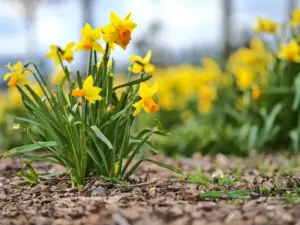
5 Best Bulbs for Fall Planting: Brighten Your Garden This Spring
Are you dreaming of a garden full of vibrant colors in the spring? The key [...]
Aug
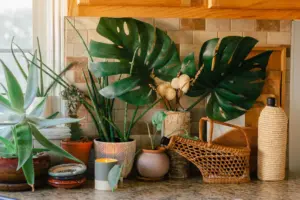
How to Repot Houseplants Like a Pro
Do your houseplants look like they’ve outgrown their pots? Are their roots popping out of [...]
Aug
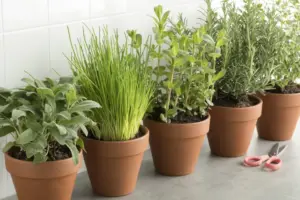
10 Houseplants That Will Thrive in Your Kitchen
Are you tired of your kitchen feeling dull and lifeless? Want to add a little [...]
Aug
Reviews
There are no reviews yet.