


Cream Wild Indigo Seeds – Baptisia bracteata Native Prairie Perennial – 10 Seeds
Original price was: 32.99 $.12.99 $Current price is: 12.99 $.
Cultivate stunning native beauty with these cream wild indigo seeds. Baptisia bracteata, also known as Cream Wild Indigo, is a resilient prairie perennial featuring graceful cream to pale yellow flower spikes. Ideal for pollinator gardens and low-maintenance landscapes, these baptisia bracteata seeds grow into drought-tolerant plants, providing continuous interest with blue-green foliage and decorative seed pods. Enhance your garden with this elegant native prairie perennial seeds.
Estimated arrival
Sep 18
Sep 23 - Sep 25
Sep 25 - Sep 30
See our Shipping Policy.
Get in touch with us via email, and our team will review your concerns.
Our Alive & Thrive Guarantee covers issues with your plants within the first 30 days. Read our Refund & Returns Policy.
-
USDA Hardiness Zone
USDA zones 3-9 -
Soil Type
Well-drained soil -
Sunlight Exposure
Full sun -
Expected Planting Period
Fall or spring (after stratification)
Overview
Embark on a rewarding gardening journey with these high-quality cream wild indigo seeds. Baptisia bracteata, commonly known as Cream Wild Indigo, is a captivating native prairie perennial celebrated for its elegant soft cream to pale yellow flower spikes and attractive, clumping growth habit. Blooming vibrantly in late spring, this resilient plant produces arching racemes of pea-like flowers that are a magnet for bees and a variety of other beneficial pollinators. Beyond its stunning blooms, the cream wild indigo plant features distinctive blue-green foliage, adding texture and visual appeal to your garden throughout the growing season, culminating in decorative seed pods in the fall. Once established, this plant is remarkably drought-tolerant, making it an excellent choice for native gardens, prairie plantings, and any landscape seeking a low-maintenance yet impactful perennial.
These baptisia bracteata seeds offer the opportunity to cultivate a robust and long-lived addition to your outdoor space. Known for its adaptability, the Cream Wild Indigo thrives in various conditions and contributes significantly to local ecosystems by supporting pollinator populations. Its hardy nature and minimal care requirements make it a favorite among both novice and experienced gardeners looking to create beautiful, sustainable landscapes. Growing cream wild indigo seeds allows you to witness the full life cycle of this remarkable plant, from germination to its mature, majestic form.
Key Benefits
Integrating cream wild indigo seeds into your garden offers a multitude of advantages, enhancing both aesthetic appeal and ecological value. This native perennial is a powerhouse for biodiversity and a joy to behold.
- Attracts Pollinators: The elegant, pea-like flowers of the cream wild indigo plant are a vital food source for bees and other beneficial insects, making it an excellent choice for supporting local ecosystems and creating a vibrant pollinator garden.
- Drought Tolerant: Once established, Baptisia bracteata is highly drought-tolerant, requiring minimal watering and making it perfect for water-wise gardening and low-maintenance landscapes.
- Native Beauty: As a native prairie perennial seeds, Cream Wild Indigo is perfectly adapted to local conditions, contributing to the authenticity and sustainability of your garden design.
- Extended Interest: Enjoy soft cream to pale yellow blooms in late spring, followed by attractive blue-green foliage throughout the summer, and decorative seed pods in the fall, ensuring year-round visual appeal.
- Low Maintenance: This robust perennial requires very little care once established, thriving with minimal intervention and allowing you more time to enjoy your garden.
- Soil Improvement: As a legume, Baptisia can fix nitrogen in the soil, naturally improving soil fertility over time.
- Deer Resistant: Generally not favored by deer, offering a reliable option for gardens in areas with deer populations.
Plant Care & Growing Tips
Cultivating cream wild indigo seeds into thriving plants is a straightforward process when following a few key guidelines. For optimal results, scarify the seeds lightly or soak them in warm water for 12–24 hours before planting. This helps to break seed dormancy and encourage germination. Cold stratify seeds for 30–60 days in a refrigerator or sow them outdoors in late fall for natural stratification, which mimics winter conditions and prepares the seeds for spring growth. Plant the seeds about 1/4 inch deep in well-drained soil, ensuring they have good contact with the soil. During germination, keep the soil lightly moist but not waterlogged. Seeds typically germinate within 14–28 days under suitable conditions, revealing the first signs of your future cream wild indigo plant.
Once established, Cream Wild Indigo is remarkably low-maintenance. This plant thrives in full sun, meaning at least six hours of direct sunlight per day, and prefers well-drained soil. It is highly adaptable and can tolerate various soil conditions, including sandy or rocky terrains. During the first growing season, water occasionally to help the young plants establish a deep root system. After establishment, reduce watering significantly, as the plant becomes highly drought-tolerant. Avoid transplanting mature plants due to their deep taproots, which can be easily damaged. Understanding proper wild indigo plant care will ensure your plants flourish for many years.
For gardeners interested in fostering a robust ecosystem, these baptisia bracteata seeds are an excellent choice. The mature plants typically grow 2–3 feet tall with a spread of 2–3 feet, forming sturdy, long-lived clumps. They are ideal for prairie gardens, pollinator habitats, and naturalized landscapes where their beauty and resilience can be fully appreciated. Minimal fertilization is needed, especially if planted in fertile soil, as legumes naturally enrich the ground. Monitor for pests, though Cream Wild Indigo is generally quite resistant. Regular deadheading is not necessary but can be done if you prefer to prevent seed formation or encourage a tidier appearance.
Size & Details
This offering includes 10 cream wild indigo seeds (Baptisia bracteata), allowing you to start several plants. When mature, plants typically reach a height of 2–3 feet with a spread of approximately 2–3 feet, forming attractive, sturdy, and long-lived clumps. These seeds will grow into plants that bloom in late spring, showcasing soft cream to pale yellow flower spikes. The plant’s blue-green foliage provides continuous interest throughout the growing season, followed by unique seed pods in the fall. These seeds are ready for scarification and stratification before planting, ensuring a successful start for your new cream wild indigo plant.
The mature size and robust nature of this plant make it an excellent focal point or backdrop in a perennial border. Its deep taproot contributes to its drought tolerance and longevity. Expect to see initial germination within 2-4 weeks after proper treatment and planting. While the plants are long-lived, they generally take a couple of seasons to reach their full mature size and flowering potential, making the cultivation of baptisia bracteata seeds a patient and rewarding endeavor.
Frequently Asked Questions
- Q: How big does the Cream Wild Indigo plant get? A: The cream wild indigo plant typically grows to a mature size of 2–3 feet tall with a similar spread of 2–3 feet, forming dense, attractive clumps.
- Q: Is this an indoor or outdoor plant? A: Cream Wild Indigo (Baptisia bracteata) is an outdoor native prairie perennial, thriving in garden beds, prairie plantings, and naturalized landscapes.
- Q: How much sunlight does the Cream Wild Indigo need? A: This plant thrives in full sun, requiring at least 6 hours of direct sunlight per day for optimal growth and flowering.
- Q: Is the Cream Wild Indigo easy to care for? A: Yes, once established, the cream wild indigo plant is remarkably low-maintenance and highly drought-tolerant, making it an excellent choice for both beginner and experienced gardeners. Proper wild indigo plant care involves minimal watering after the first year.
- Q: What condition will the cream wild indigo seeds arrive in? A: The seeds will arrive in a packet, ready for scarification, stratification, and planting. You will receive 10 high-quality seeds.
- Q: How long until the Cream Wild Indigo blooms? A: After planting these baptisia bracteata seeds, the plant typically takes 2-3 years to establish and begin flowering, with blooms appearing in late spring.
- Q: Will the Cream Wild Indigo survive winter in my zone? A: Cream Wild Indigo is a hardy perennial. It is generally hardy in USDA zones 3-9, meaning it can withstand cold winter temperatures and return each spring.
- Q: What kind of soil does the cream wild indigo plant prefer? A: It prefers well-drained soil, including sandy or rocky conditions. Good drainage is crucial for its health and establishment.
- Q: Are these native prairie perennial seeds? A: Yes, these are seeds for Baptisia bracteata, which is a true native prairie perennial, excellent for restoring native habitats and supporting local wildlife.
Be the first to review “Cream Wild Indigo Seeds – Baptisia bracteata Native Prairie Perennial – 10 Seeds”
Related products


Flower Seeds


You May Like
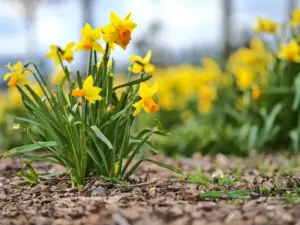
5 Best Bulbs for Fall Planting: Brighten Your Garden This Spring
Are you dreaming of a garden full of vibrant colors in the spring? The key [...]
Aug
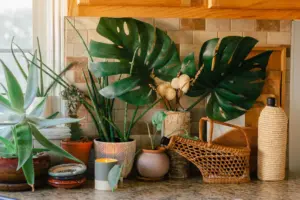
How to Repot Houseplants Like a Pro
Do your houseplants look like they’ve outgrown their pots? Are their roots popping out of [...]
Aug
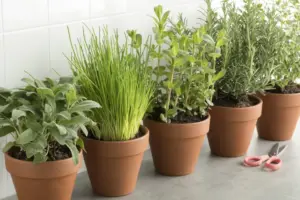
10 Houseplants That Will Thrive in Your Kitchen
Are you tired of your kitchen feeling dull and lifeless? Want to add a little [...]
Aug
Reviews
There are no reviews yet.