


Organic Mango Tree Live Plant – Alphonso or Palmer Variety – Tropical Fruit Tree
Original price was: 84.99 $.71.99 $Current price is: 71.99 $.
Cultivate your own delicious mangoes with an organic mango tree live plant. Select either the highly prized alphonso mango tree or the flavorful palmer mango tree, perfect for home orchards and tropical gardens.
Estimated arrival
Sep 19
Sep 24 - Sep 26
Sep 26 - Oct 01
See our Shipping Policy.
Get in touch with us via email, and our team will review your concerns.
Our Alive & Thrive Guarantee covers issues with your plants within the first 30 days. Read our Refund & Returns Policy.
-
USDA Hardiness Zone
USDA zones 9–11 (outdoor); can be grown indoors in all zones -
Soil Type
Well-draining, slightly acidic to neutral soil -
Sunlight Exposure
Full sun (6-8+ hours direct sunlight) -
Expected Planting Period
Year-round indoors; spring to early summer outdoors
Overview
Bring the taste of the tropics to your backyard or greenhouse with an organic mango tree live plant. These magnificent trees are renowned for their luscious, sweet fruit, and with our selection, you can choose between two exceptional varieties: the world-famous Alphonso or the robust Palmer. An organic mango tree live plant offers a rewarding gardening experience, providing fresh, homegrown mangoes that are far superior to store-bought options. Growing your own mangoes ensures you enjoy fruit free from pesticides and chemicals, straight from the branch to your table. Whether you’re an experienced gardener or just starting, a tropical fruit tree like this is a fantastic addition to any edible landscape.
Mango trees are not only producers of delectable fruit but also beautiful ornamental plants, providing lush green foliage and a touch of exotic charm. These live plants are carefully cultivated to ensure a strong, healthy start, ready to thrive in your care. Imagine the satisfaction of harvesting your own sweet, juicy mangoes, knowing they were grown organically. This is an investment in both your garden and your palate, promising years of delicious harvests and vibrant greenery.
Key Benefits
Investing in an organic mango tree live plant brings a multitude of benefits beyond just fresh fruit. These trees contribute significantly to a healthy, sustainable lifestyle and enhance the beauty of your outdoor or indoor space.
- Fresh, Organic Fruit: Enjoy sweet, juicy mangoes directly from your garden, grown without synthetic pesticides or fertilizers. This ensures a healthier, more flavorful harvest than commercially available options.
- Two Premium Varieties: Choose between the exquisite alphonso mango tree, celebrated for its rich, non-fibrous pulp and intense sweetness, or the palmer mango tree, known for its large, colorful fruit and excellent flavor, offering versatility for your taste preferences.
- Beautiful Landscape Addition: Mango trees are attractive evergreen trees with dense, glossy foliage, making them a stunning feature in any garden or as a large potted specimen. They provide shade and a tropical ambiance.
- Sustainable Gardening: Growing your own fruit reduces your carbon footprint and promotes self-sufficiency. An organic mango tree live plant is a step towards a more eco-friendly lifestyle.
- Nutrient-Rich Harvest: Mangoes are packed with vitamins, minerals, and antioxidants, contributing to a healthy diet. Having them readily available encourages better eating habits.
- Educational Experience: For families, growing a mango tree can be a wonderful educational experience, teaching about plant life cycles, sustainable agriculture, and healthy eating.
- Long-Term Yields: With proper care, a mango tree can produce fruit for many years, providing a consistent supply of delicious, homegrown mangoes.
Plant Care & Growing Tips
Caring for your organic mango tree live plant requires attention to specific environmental conditions to ensure healthy growth and abundant fruit production. Mango trees thrive in warm, tropical, and subtropical climates. They prefer a location with at least 6-8 hours of direct sunlight each day. If growing indoors or in a cooler climate, ensure it receives ample light from a south-facing window or with the aid of grow lights. Protection from strong winds is also beneficial, especially for young trees.
Watering is crucial, particularly during the establishment phase and while the tree is fruiting. Aim for consistent moisture, allowing the top few inches of soil to dry out slightly between waterings. Overwatering can lead to root rot, so good drainage is essential. For soil, a well-draining, slightly acidic to neutral soil (pH 6.0-7.0) is ideal. Amending heavy clay soils with organic matter can improve drainage. Fertilize your organic mango tree live plant with a balanced, slow-release organic fertilizer specifically formulated for fruit trees, typically 2-3 times during the growing season. Reduce fertilization in fall and winter. Pruning should be done to maintain shape, remove dead or diseased branches, and encourage air circulation, which can help prevent fungal issues. Keep an eye out for common pests like scale insects or mealybugs and treat them with organic pest control methods.
Consider the specific needs of your chosen variety. For instance, an alphonso mango tree might have slightly different cold hardiness or bloom times compared to a palmer mango tree. Generally, mango trees are sensitive to frost, so if you live in a region with cold winters, growing them in large containers that can be moved indoors is a great option. A tropical fruit tree like the mango requires consistent warmth to flower and set fruit successfully. Providing adequate care will ensure your tree flourishes and produces delicious fruit for years to come, making growing a mango tree at home a truly rewarding experience.
Size & Details
Your organic mango tree live plant will arrive as a healthy, established specimen, ready for planting. The exact size will vary based on the growth stage and variety, but typically they are shipped in a nursery pot, ensuring the root system is intact and protected. Mango trees have a moderate to fast growth rate, and with optimal conditions, they can reach significant sizes. In their natural habitat, they can grow up to 30-60 feet tall, but they can be kept smaller through regular pruning, especially when grown in containers. Expect your tree to begin producing fruit within 3-5 years under ideal conditions. The alphonso mango tree is known for its relatively compact growth habit compared to some other varieties, while the palmer mango tree can be quite vigorous. These trees are generally shipped in a way that minimizes stress, ensuring a smooth transition to your garden or patio.
Frequently Asked Questions
- Q: How big does this organic mango tree live plant get? A: While mango trees can grow very large in the ground (30-60 feet), they can be maintained at a more manageable size (10-20 feet) with regular pruning. When grown in containers, their size is naturally restricted, making them suitable for patios or indoor spaces.
- Q: Is this an indoor or outdoor plant? A: Mango trees are tropical plants that thrive outdoors in USDA zones 9-11. In colder climates, they can be grown in large pots and moved indoors during winter, or grown permanently indoors in a sunny location with adequate light and humidity.
- Q: How much sunlight does my alphonso mango tree or palmer mango tree need? A: Both varieties of mango trees require a minimum of 6-8 hours of direct sunlight per day to produce fruit and grow healthily. Full sun exposure is ideal for optimal fruiting.
- Q: Is this plant easy to care for? A: Mango trees require moderate care. They need consistent watering, good drainage, and protection from frost. While not strictly for beginners, with attention to their specific needs, growing a tropical fruit tree like this can be a very rewarding experience.
- Q: What condition will the organic mango tree live plant arrive in? A: Your mango tree will arrive as a healthy, live plant, typically in a nursery pot with its root ball intact. It will be carefully packaged to minimize stress during transit, ensuring it’s ready for planting upon arrival.
- Q: How long until my mango tree at home starts producing fruit? A: Under ideal growing conditions and with proper care, a young mango tree typically begins to produce fruit within 3-5 years after planting. Some varieties may fruit sooner or later.
- Q: What type of soil is best for growing a mango tree? A: Mango trees prefer well-draining soil that is slightly acidic to neutral (pH 6.0-7.0). A sandy loam soil with good organic content is ideal. Avoid heavy clay soils that retain too much moisture.
- Q: Will it survive winter in my zone? A: Mango trees are sensitive to frost and thrive in warm climates (USDA zones 9-11). If you live in a colder zone, you will need to provide winter protection or grow the tree in a container that can be brought indoors.
- Q: How often should I water my palmer mango tree? A: Water regularly, especially during dry periods and when the tree is young. Allow the top few inches of soil to dry out between waterings. Reduce watering during cooler, dormant periods.
- Q: Can I grow an alphonso mango tree in a container? A: Yes, both Alphonso and Palmer varieties can be successfully grown in large containers. This is an excellent option for those in colder climates, allowing the tree to be moved indoors during winter.
Be the first to review “Organic Mango Tree Live Plant – Alphonso or Palmer Variety – Tropical Fruit Tree”
Related products


Trees
Guava Tree Live Plant Pink Tropical Fruit 4-10in Tall Well Rooted for Gardening USDA Zones 9-11


You May Like
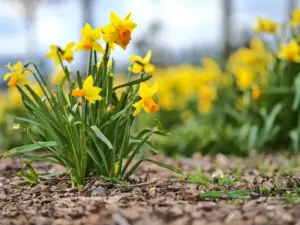
5 Best Bulbs for Fall Planting: Brighten Your Garden This Spring
Are you dreaming of a garden full of vibrant colors in the spring? The key [...]
Aug
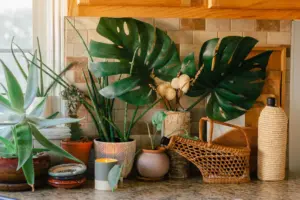
How to Repot Houseplants Like a Pro
Do your houseplants look like they’ve outgrown their pots? Are their roots popping out of [...]
Aug
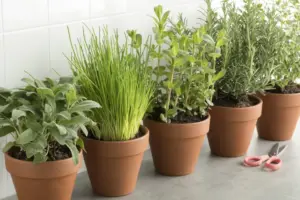
10 Houseplants That Will Thrive in Your Kitchen
Are you tired of your kitchen feeling dull and lifeless? Want to add a little [...]
Aug
Reviews
There are no reviews yet.