


Pink Manuka Tea Plant Live – Leptospermum, 4-6 Inch Tall, Set of 2
Original price was: 53.99 $.28.99 $Current price is: 28.99 $.
Cultivate stunning pink manuka tea plant (Leptospermum scoparium) in your garden. This set of two 4-6 inch tall live plants features delicate pink flowers, perfect for creating a vibrant shrub. Ideal for USDA Zones 9–11.
Estimated arrival
Sep 19
Sep 24 - Sep 26
Sep 26 - Oct 01
See our Shipping Policy.
Get in touch with us via email, and our team will review your concerns.
Our Alive & Thrive Guarantee covers issues with your plants within the first 30 days. Read our Refund & Returns Policy.
-
USDA Hardiness Zone
USDA zones 9–11 -
Soil Type
Well-draining soil -
Sunlight Exposure
Full sun -
Expected Planting Period
Spring to early summer
Overview
Transform your garden into a haven of delicate beauty with the exquisite pink manuka tea plant. This offering includes a set of two live plants, each standing 4-6 inches tall, ready for planting. Scientifically known as Leptospermum scoparium, this charming shrub is celebrated for its profusion of delicate pink flowers that bloom from spring to early summer. Originating from New Zealand and Australia, the pink manuka tea plant is a resilient and attractive addition to various garden styles, from cottage gardens to more formal landscapes. These young plants provide an excellent opportunity to establish a beautiful, flowering bush that will enhance your outdoor space for years to come. Whether you’re an experienced gardener or just starting, growing manuka tea plants can be a rewarding experience.
The Manuka bush, often referred to as a leptospermum live plant, is not only visually appealing but also a source of the famed Manuka honey nectar. While these plants are young, with proper care, they will mature into robust shrubs, offering a delightful display of color. Their moderate size and attractive foliage make them versatile for planting in borders, as specimen plants, or even in larger containers. Embrace the opportunity to cultivate these unique and charming plants, bringing a touch of natural elegance and ecological benefit to your garden environment. The pink manuka tea plant is a fantastic choice for those seeking a low-maintenance yet high-impact flowering shrub.
Key Benefits
The pink manuka tea plant offers a multitude of benefits that make it a highly desirable addition to any garden. Its striking visual appeal combined with its ecological advantages makes it a standout choice for gardeners seeking both beauty and functionality.
- Vibrant Floral Display: Enjoy a breathtaking show of delicate pink flowers from spring through early summer. These blossoms provide continuous color and a charming aesthetic, significantly enhancing the visual appeal of your garden. The abundant bloom makes the pink manuka tea plant a focal point.
- Attracts Pollinators: The nectar-rich flowers are a magnet for bees, butterflies, and other beneficial pollinators. By planting a leptospermum live plant, you contribute to local biodiversity and support the health of your garden ecosystem.
- Low Maintenance & Drought Tolerant: Once established, these Manuka bushes are remarkably resilient and require minimal care. They are tolerant of various conditions and can withstand periods of drought, making them an excellent choice for water-wise gardening. This makes growing manuka tea a relatively easy endeavor.
- Versatile Landscaping Use: Perfect for a variety of garden applications, including hedges, borders, mass plantings, or as a striking stand-alone specimen. Their moderate size allows for flexibility in garden design. A manuka bush for garden can serve many roles.
- Suitable for USDA Zones 9–11: These plants thrive in warmer climates, making them a reliable choice for gardeners in these specific hardiness zones, ensuring successful growth and abundant flowering.
- Year-Round Interest: Beyond their spectacular blooms, the fine-textured foliage of the pink manuka tea plant provides evergreen interest, ensuring your garden remains attractive even when not in flower.
Plant Care & Growing Tips
Caring for your pink manuka tea plant is relatively straightforward, especially once it has established itself in your garden. These resilient shrubs prefer a location that receives full sun, meaning at least 6 hours of direct sunlight per day. Adequate sunlight is crucial for promoting vigorous growth and an abundance of those beautiful pink flowers. Ensure your chosen planting site offers good air circulation to prevent fungal issues. The ideal temperatures for this plant range between 50 degrees Fahrenheit and 85 degrees Fahrenheit, aligning well with its natural habitat and making it suitable for USDA Zones 9–11.
When it comes to soil, the leptospermum live plant thrives in well-draining soil. Avoid heavy, waterlogged conditions, as this can lead to root rot. If your soil is clay-heavy, consider amending it with organic matter like compost or sand to improve drainage. During the establishment phase, which typically lasts for the first year after planting, water regularly to keep the soil consistently moist but not saturated. Once established, the Manuka bush is quite drought-tolerant and requires only moderate watering. Allow the top inch or two of soil to dry out between waterings. Fertilization is generally not heavily required; a light application of a balanced, slow-release fertilizer in early spring can support healthy growth, particularly for a manuka bush for garden that is actively blooming.
Pruning is beneficial for maintaining the shape and promoting denser growth and more flowers. Light pruning after the main flowering season can help encourage new growth and a tidier appearance. Watch out for common pests like scale insects or mealybugs, and treat them with appropriate organic solutions if they appear. With these care tips, your pink manuka tea plant will flourish and provide many seasons of beauty. Understanding how to support growing manuka tea plants will ensure their longevity and vibrant display.
Size & Details
This offering includes a set of two live pink manuka tea plant specimens, each carefully nurtured to a height of 4-6 inches tall. These young plants are ideal for immediate planting into your garden or larger containers, providing a head start on establishing a beautiful flowering shrub. While currently small, with proper care and ideal growing conditions, these Leptospermum plants will mature into dense, attractive bushes, typically reaching heights of 6-10 feet and a similar spread, depending on the variety and growing environment. They ship as bare root plants, meaning they arrive without a pot or soil around their roots, which helps reduce shipping stress and allows for easier transplanting.
The blooming season for these Manuka bushes is from spring to early summer, promising a delightful display of pink flowers during these months. They are suited for USDA Zones 9–11, indicating their preference for warmer climates. The growth rate is moderate, meaning you can expect noticeable development within a few seasons. Establishing these leptospermum live plant specimens from their 4-6 inch height into a mature manuka bush for garden will be a rewarding process, offering a long-lasting ornamental feature and an attractive magnet for pollinators.
Frequently Asked Questions
- Q: How big will the pink manuka tea plant get? A: With proper care, these plants typically grow to a mature height of 6-10 feet and can have a similar spread, forming a dense, attractive shrub. Their ultimate size can depend on growing conditions and pruning.
- Q: Is this an indoor or outdoor plant? A: The pink manuka tea plant is primarily an outdoor shrub. It thrives in full sun and is best suited for planting directly in the garden in USDA Zones 9–11. It can be grown in large containers outdoors.
- Q: How much sunlight does the leptospermum live plant need? A: This plant requires full sun exposure, meaning at least 6 hours of direct sunlight per day, to ensure vigorous growth and abundant flowering.
- Q: Is this plant easy to care for? A: Yes, once established, the Manuka bush is considered relatively low-maintenance. It requires well-draining soil and moderate watering, becoming quite drought-tolerant. This makes growing manuka tea accessible for many gardeners.
- Q: What condition will the plants arrive in? A: The plants are shipped as bare root, meaning they arrive without soil or a pot. This method minimizes transplant shock and allows for efficient shipping.
- Q: When is the best time to plant this manuka bush for garden? A: The best time to plant is typically in spring or early summer, after the last frost, allowing the plant ample time to establish its root system before extreme weather.
- Q: What’s the minimum temperature this plant can tolerate? A: The pink manuka tea plant thrives in temperatures between 50 degrees Fahrenheit and 85 degrees Fahrenheit and is hardy in USDA Zones 9–11, meaning it can tolerate mild winters down to about 20-25 degrees Fahrenheit once mature and established.
- Q: Can I grow this plant in a pot? A: Yes, you can grow the pink manuka tea plant in a large container, especially in cooler zones where it can be moved indoors during winter. Ensure the pot has excellent drainage.
- Q: What type of soil is best for a leptospermum live plant? A: Well-draining soil is crucial. A sandy loam mix or amending heavy soils with organic matter will provide the best growing medium for this shrub.
- Q: Will these plants attract bees? A: Absolutely! The beautiful pink flowers are rich in nectar and are very attractive to bees and other pollinators, making them a great choice for supporting local wildlife.
Be the first to review “Pink Manuka Tea Plant Live – Leptospermum, 4-6 Inch Tall, Set of 2”
Related products


You May Like
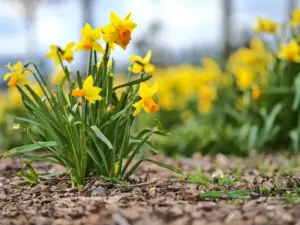
5 Best Bulbs for Fall Planting: Brighten Your Garden This Spring
Are you dreaming of a garden full of vibrant colors in the spring? The key [...]
Aug
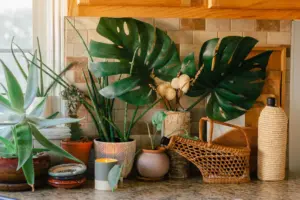
How to Repot Houseplants Like a Pro
Do your houseplants look like they’ve outgrown their pots? Are their roots popping out of [...]
Aug
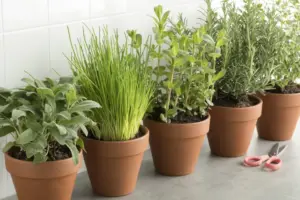
10 Houseplants That Will Thrive in Your Kitchen
Are you tired of your kitchen feeling dull and lifeless? Want to add a little [...]
Aug
Reviews
There are no reviews yet.