
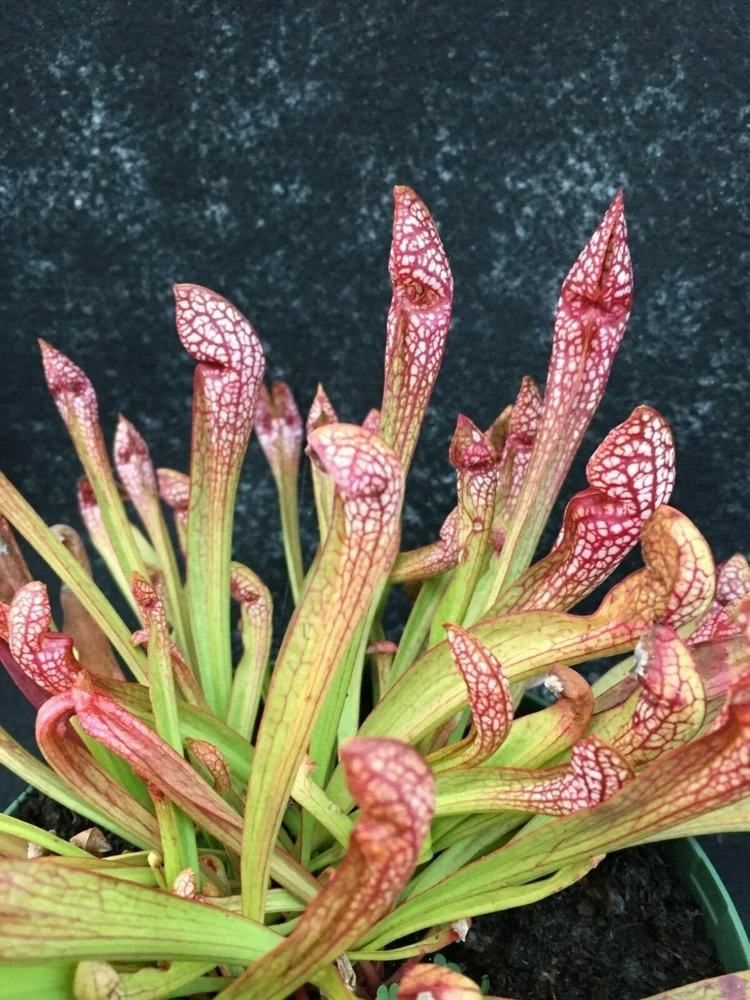
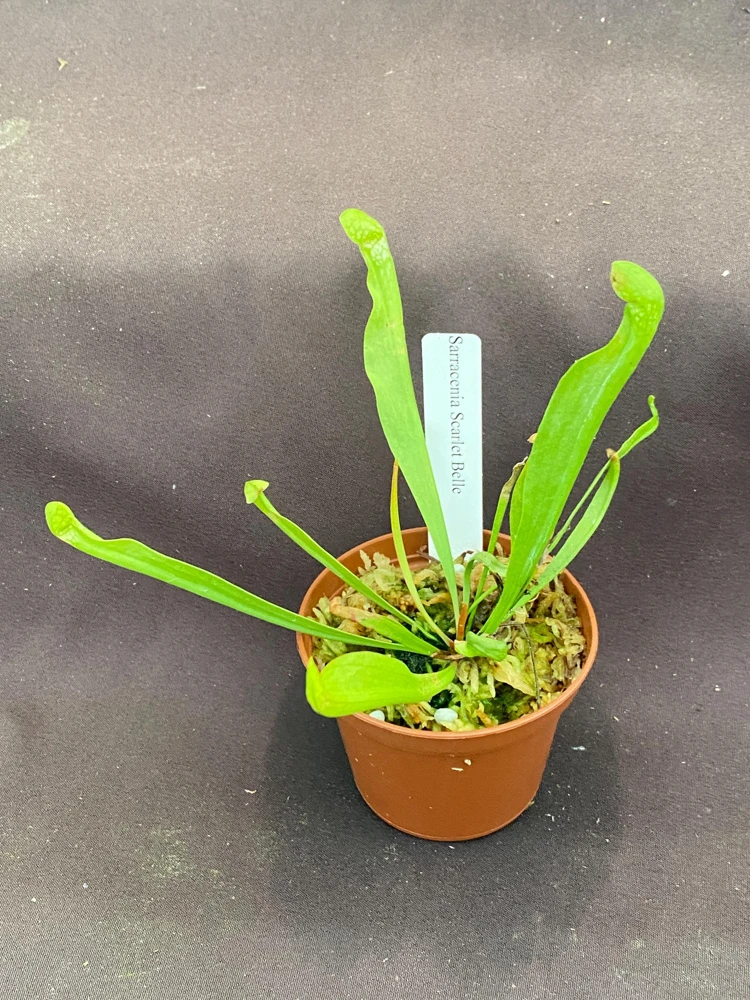
Sarracenia Scarlet Belle Carnivorous Pitcher Plant Live 2.5″ Pot
Original price was: 59.99 $.39.99 $Current price is: 39.99 $.
Bring a unique touch to your garden with the Sarracenia Scarlet Belle, a captivating carnivorous pitcher plant. This hybrid boasts striking white pitchers with vibrant red veins, effectively trapping insects. Perfect for bog gardens or as a fascinating conversation starter, it thrives outdoors in suitable climates. Shipped as a healthy live plant in a 2.5-inch pot, ready to grow and display its remarkable beauty.
Estimated arrival
Sep 18
Sep 23 - Sep 25
Sep 25 - Sep 30
See our Shipping Policy.
Get in touch with us via email, and our team will review your concerns.
Our Alive & Thrive Guarantee covers issues with your plants within the first 30 days. Read our Refund & Returns Policy.
-
USDA Hardiness Zone
7-9 -
Soil Type
Acidic, nutrient-poor peat/perlite mix -
Sunlight Exposure
Full sun (6-8+ hours direct light) -
Expected Planting Period
Year-round (outdoors in spring/summer, with winter dormancy)
Overview
Introduce an extraordinary botanical specimen to your collection with the Sarracenia Scarlet Belle. This fascinating carnivorous pitcher plant is a hybrid of Sarracenia leucophylla and Sarracenia psittacina, renowned for its stunning visual appeal and natural insect control capabilities. Each plant features intricate, parrot-head shaped pitchers, predominantly white with dramatic red venation, creating a truly eye-catching display. These unique structures are not just ornamental; they are highly effective traps, luring and capturing insects to supplement the plant’s nutrient intake. Ideal for enthusiasts and beginners alike, the Sarracenia Scarlet Belle offers both beauty and functionality, making it a standout addition to any bog garden, patio, or outdoor collection in appropriate climates. This live plant arrives ready to thrive, bringing a piece of the wild into your home or garden.
The Sarracenia Scarlet Belle is known for its vigorous growth and ability to produce numerous pitchers, often reaching up to 15 inches wide. Its striking coloration and unique form make it a popular choice among carnivorous plant collectors. As a low-maintenance plant, it primarily feeds on insects it traps, reducing the need for traditional fertilization. This makes it an excellent choice for those seeking an unusual yet easy-to-care-for specimen. Its robust nature and captivating appearance ensure it will be a focal point wherever it is grown.
Key Benefits
The Sarracenia Scarlet Belle offers a multitude of benefits, combining aesthetic appeal with practical advantages for any plant enthusiast:
- Natural Insect Control: This carnivorous pitcher plant is an expert at attracting and trapping insects such as flies, wasps, and ants, providing a natural and chemical-free method of pest management in your garden or patio area.
- Striking Ornamental Value: With its vibrant white and red-veined pitchers, the Scarlet Belle creates an exotic and dramatic focal point, adding a unique texture and color contrast to bog gardens, container arrangements, or specialized carnivorous plant displays.
- Low Maintenance: Once established in the correct conditions, the Sarracenia Scarlet Belle requires minimal intervention. It thrives on natural insect prey for nutrients, significantly reducing the need for external fertilization.
- Educational and Engaging: Observing the plant’s carnivorous habits can be a fascinating and educational experience for all ages, making it an excellent choice for school projects or for sparking curiosity in nature.
- Hardy and Resilient: Suited for USDA Zones 7-9, this Sarracenia hybrid demonstrates good cold tolerance, allowing it to overwinter successfully in many regions with proper care.
- Unique Hybrid Vigor: As a hybrid, the Sarracenia Scarlet Belle often exhibits enhanced growth and adaptability compared to its parent species, ensuring a robust and healthy specimen.
- Conversation Starter: Its unusual appearance and insect-eating abilities are sure to intrigue guests and spark conversations, making it a memorable addition to any plant collection.
Plant Care & Growing Tips
Caring for your Sarracenia Scarlet Belle is straightforward, especially when you understand its specific needs as a carnivorous plant. These plants thrive in conditions that mimic their natural bog habitats. Sunlight is paramount; provide at least 6-8 hours of direct sunlight daily. An outdoor location is ideal, such as a sunny spot in a bog garden or on a patio. If growing indoors, a very bright south-facing window or supplemental grow lights will be necessary to ensure vibrant pitcher coloration and robust growth. Insufficient light can lead to weak, leggy growth and dull pitchers.
Watering is critical for this carnivorous pitcher plant. Always use distilled water, rainwater, or reverse osmosis water, as tap water often contains minerals and salts that can harm the plant. Keep the soil consistently moist, never allowing it to dry out completely. The pot can sit in a tray of about 1-2 inches of water, especially during warm weather, to maintain high humidity and soil moisture. During the dormant winter period, reduce watering but do not let the plant dry out. The ideal soil for Sarracenia is a nutrient-poor, acidic mix, typically a blend of peat moss and perlite or horticultural sand, ensuring excellent drainage while retaining moisture.
The Sarracenia Scarlet Belle is hardy in USDA Zones 7-9 and requires a winter dormancy period. During this time (late fall to early spring), temperatures should drop, and growth will slow significantly. Protect the plant from extreme freezes by mulching or moving potted plants to an unheated garage or shed if temperatures consistently fall below 20°F. Do not fertilize your Sarracenia; it obtains all necessary nutrients from the insects it traps. Over-fertilization can quickly kill the plant. Prune away dead or browning pitchers in late winter or early spring before new growth emerges to maintain plant health and appearance. Understanding these specific needs will help your Sarracenia hybrid flourish.
Size & Details
The Sarracenia Scarlet Belle live plant is shipped in a 2.5-inch nursery pot, perfectly sized for safe transit and easy transplanting into its permanent home. Upon arrival, the plant will have established roots and developing pitchers, ready to continue its growth. This hybrid is known for its vigorous growth habit, with mature pitchers capable of reaching up to 15 inches in width, creating an impressive display. The plant can produce a high number of pitchers under optimal conditions, contributing to its effectiveness as an insect trap and its dense, attractive form.
Expect a moderate to fast growth rate when provided with sufficient sunlight and proper watering. While the plant arrives in a compact size, it will quickly establish itself and begin to produce larger, more vibrant pitchers. It is a perennial plant, returning year after year in suitable climates, and will gradually form a larger clump over time. The striking white and red coloration becomes more pronounced with ample sunlight, showcasing the unique beauty of this carnivorous pitcher plant.
Frequently Asked Questions
- Q: How big does the Sarracenia Scarlet Belle typically get? A: This Sarracenia Scarlet Belle can grow quite large, with individual pitchers reaching up to 15 inches wide. The overall clump size will increase over time as the plant matures and produces more rhizomes.
- Q: Is this an indoor or outdoor plant? A: The Sarracenia Scarlet Belle thrives outdoors in full sun, especially in bog garden settings or on sunny patios. While it can be grown indoors with extremely bright light and high humidity, outdoor cultivation is generally recommended for optimal growth and coloration.
- Q: How much sunlight does the Sarracenia Scarlet Belle need? A: This carnivorous pitcher plant requires a minimum of 6-8 hours of direct sunlight per day. More sun will result in more vibrant pitcher coloration and stronger growth.
- Q: What kind of water should I use for my pitcher plant? A: Always use distilled water, rainwater, or reverse osmosis water. Tap water contains minerals that can harm the sensitive roots of the Sarracenia Scarlet Belle over time.
- Q: How often should I water my Sarracenia hybrid? A: Keep the soil consistently moist. The pot can sit in a tray of 1-2 inches of water during the growing season. Reduce watering slightly during winter dormancy, but never let the soil dry out completely.
- Q: Does the Sarracenia Scarlet Belle require fertilization? A: No, this carnivorous pitcher plant obtains its nutrients by trapping insects. Fertilizing it can be detrimental and is generally not recommended.
- Q: What condition will the plant arrive in? A: Your Sarracenia Scarlet Belle will arrive as a healthy, live plant actively growing in a 2.5-inch nursery pot, with established roots and developing pitchers.
- Q: Is the Sarracenia Scarlet Belle difficult to care for? A: Once its specific needs for sunlight, water, and soil are met, the Sarracenia Scarlet Belle is relatively easy to care for and can be a rewarding plant for both beginners and experienced growers.
- Q: What USDA hardiness zones is this plant suitable for? A: The Sarracenia Scarlet Belle is suitable for USDA hardiness zones 7-9, meaning it can tolerate winter temperatures in these regions with some protection.
- Q: When is the best time to repot my pitcher plant? A: The best time to repot your carnivorous pitcher plant is during its dormancy period, typically in late winter or early spring, before new growth begins.
Be the first to review “Sarracenia Scarlet Belle Carnivorous Pitcher Plant Live 2.5″ Pot”
Related products




You May Like

5 Best Bulbs for Fall Planting: Brighten Your Garden This Spring
Are you dreaming of a garden full of vibrant colors in the spring? The key [...]
Aug
How to Repot Houseplants Like a Pro
Do your houseplants look like they’ve outgrown their pots? Are their roots popping out of [...]
Aug
10 Houseplants That Will Thrive in Your Kitchen
Are you tired of your kitchen feeling dull and lifeless? Want to add a little [...]
Aug
Reviews
There are no reviews yet.