
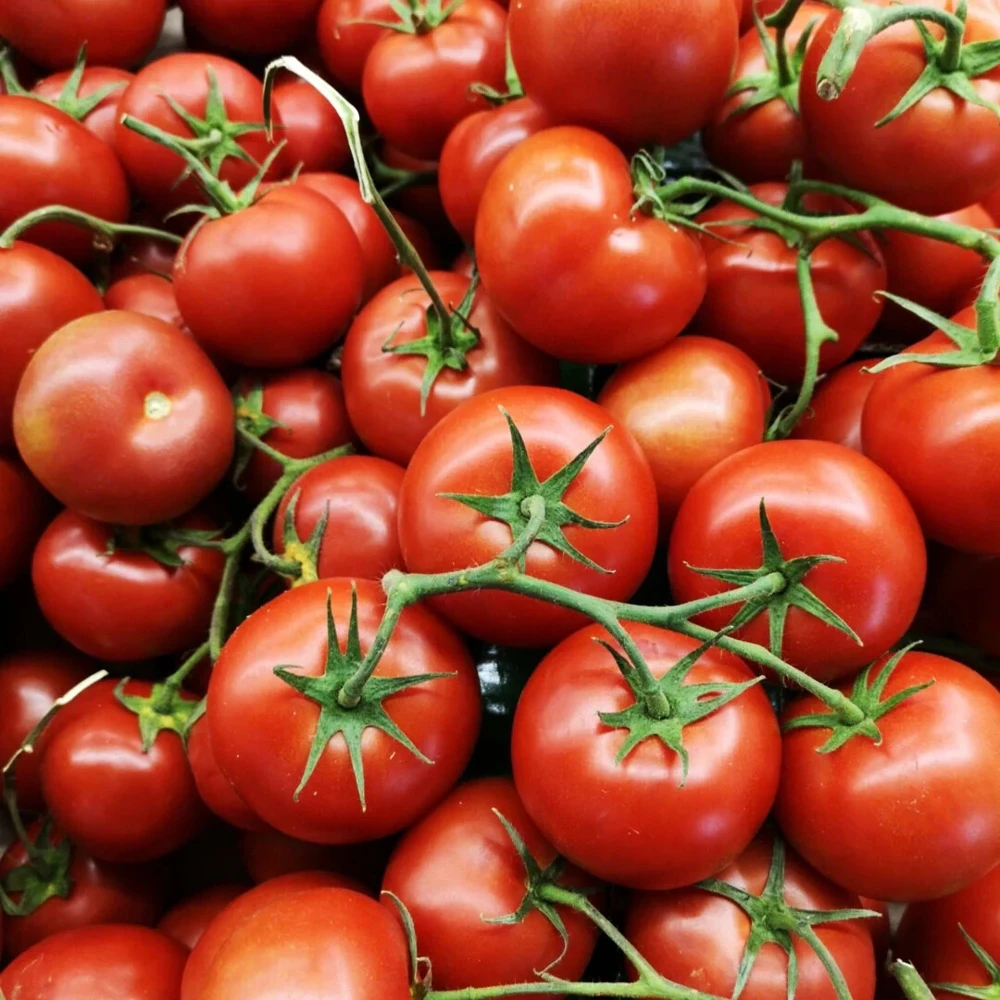
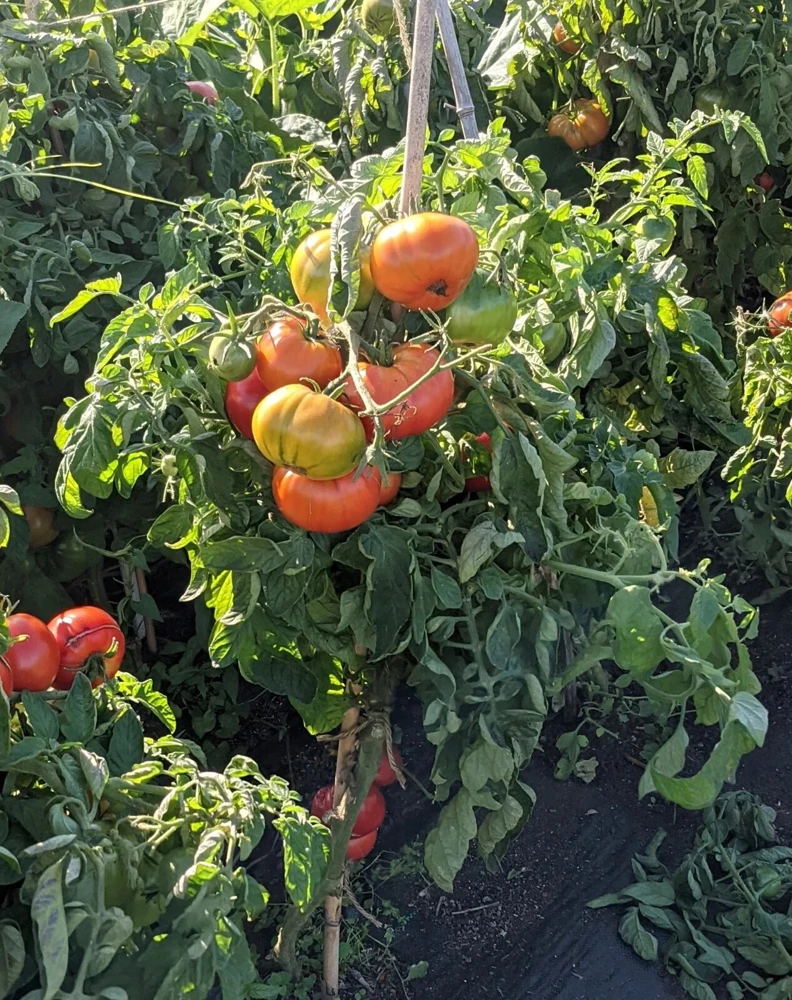
Oregon Spring Tomato Seeds – Heirloom Cool Climate Red Tomato Seeds
From 10.77 $
Cultivate robust oregon spring tomato seeds, an ideal choice for gardeners in cooler climates. These heirloom tomato seeds produce flavorful, red, climbing tomatoes with an easy cultivating difficulty. Enjoy a bountiful harvest from these open-pollinating seeds.
Estimated arrival
Sep 18
Sep 23 - Sep 25
Sep 25 - Sep 30
See our Shipping Policy.
Get in touch with us via email, and our team will review your concerns.
Our Alive & Thrive Guarantee covers issues with your plants within the first 30 days. Read our Refund & Returns Policy.
-
USDA Hardiness Zone
Zones 3-12 -
Soil Type
Well-draining, Clay, Loam, Peat, Sand (pH 5.0 - 6.0) -
Sunlight Exposure
Full Sun -
Expected Planting Period
Spring
Overview
Embark on a rewarding gardening journey with oregon spring tomato seeds, specifically selected for their resilience and productivity in cooler climates. These premium heirloom tomato seeds are a fantastic choice for home gardeners seeking to grow delicious, reliable tomatoes without the struggle often associated with warmer-weather varieties. The Oregon Spring tomato (Solanum lycopersicon ‘Oregon Spring’) is renowned for its ability to set fruit even in less-than-ideal cool conditions, making it a standout for regions with shorter growing seasons or unpredictable summers. These seeds promise a harvest of medium-sized, firm, red tomatoes, perfect for slicing, sauces, or fresh eating. As an open-pollinating variety, these seeds ensure that you can save seeds from your most successful plants year after year, preserving the genetic integrity of this exceptional cool-climate tomato.
The Oregon Spring tomato is a determinate variety, meaning it produces its crop over a relatively short period, making it excellent for canning or freezing large batches. Its robust growth habit and delicious fruit make it a staple for any vegetable garden. If you’re looking for dependable cool climate tomato seeds that deliver on flavor and yield, look no further than the Oregon Spring. These seeds are a testament to gardening success, offering a straightforward path to homegrown goodness.
Key Benefits
Choosing oregon spring tomato seeds for your garden offers a multitude of advantages, especially if you’re navigating a cooler growing environment. These benefits contribute to a successful and satisfying gardening experience:
- Cool Climate Performance: The primary benefit of these cool climate tomato seeds is their exceptional ability to thrive and produce fruit in regions where other tomato varieties might struggle. This resilience ensures a harvest even when temperatures are not consistently high.
- Heirloom Quality & Flavor: As a true heirloom, the Oregon Spring tomato offers a rich, classic tomato flavor that often surpasses that of modern hybrids. Enjoy the authentic taste of garden-fresh tomatoes.
- Open-Pollinating: These seeds are open-pollinating, meaning you can save seeds from your best plants each year to grow the same beloved variety again. This feature supports sustainable gardening practices and genetic preservation.
- Versatile Red Fruit: The medium-sized, firm red tomato seeds yield fruits that are incredibly versatile. They are perfect for fresh eating, salads, sandwiches, and also hold up well for canning, sauces, and freezing.
- Easy Cultivation: With an ‘Easy’ cultivating difficulty, these seeds are suitable for gardeners of all experience levels, from beginners to seasoned enthusiasts.
- Determinate Growth Habit: The determinate nature of Oregon Spring tomatoes means they produce their fruit over a concentrated period, simplifying harvesting and making them ideal for gardeners who want to process a large batch of tomatoes at once.
- Bountiful Harvest: Despite their cool-climate tolerance, these plants are known for their generous yields, providing plenty of fresh tomatoes for your family and friends.
Plant Care & Growing Tips
Successful cultivation of oregon spring tomato seeds begins with proper planting and attentive care. These tomatoes are relatively easy to grow, but understanding their specific needs will maximize your harvest. Start your seeds indoors about 6-8 weeks before the last expected frost date. Plant seeds about 1/4 inch deep in sterile seed-starting mix. Provide warmth (70-80°F) for germination and bright light once seedlings emerge to prevent legginess. Once seedlings have developed a few true leaves, transplant them into larger pots to continue growing until outdoor conditions are suitable. Harden off seedlings gradually over 7-10 days before transplanting outdoors.
Outdoors, choose a location with at least 6-8 hours of full sun daily. The Oregon Spring tomato prefers well-draining soil with a pH between 5.0 and 6.0. Amending clay, loam, peat, or sand soils with compost will improve structure and fertility. Space plants 2-3 feet apart to allow for adequate air circulation. While Oregon Spring is a determinate variety, providing support like stakes or cages will help keep the fruit off the ground and improve air circulation, reducing disease risk. Water regularly, especially during dry spells and when fruits are developing, aiming for consistent soil moisture. Avoid overhead watering to prevent fungal diseases. Fertilize with a balanced organic fertilizer at planting and again when fruits begin to set. Monitor for common pests like aphids and hornworms, and treat organically if necessary. The robust nature of these cool climate tomato seeds makes them quite forgiving, ensuring a good yield even with minor fluctuations in care.
Size & Details
These oregon spring tomato seeds will grow into robust determinate plants that typically reach a height of 3-4 feet, making them manageable for various garden sizes. The plants produce medium-sized, firm, red tomatoes, usually weighing 4-6 ounces each. The fruit ripens approximately 60-70 days after transplanting, offering a relatively early harvest for a tomato variety. These seeds are best planted in spring, leading to a season of interest throughout the summer. They are annuals, completing their life cycle within one growing season. The plants exhibit a climbing growth habit, benefiting from staking or caging for optimal support and fruit development. They are open-pollinating, making them an excellent choice for seed saving and ensuring the continuation of your favorite heirloom tomato seeds. Expect a consistent and flavorful yield, perfect for fresh eating or preserving.
Frequently Asked Questions
- Q: How big does the Oregon Spring tomato plant get? A: The Oregon Spring tomato is a determinate variety that typically grows to about 3-4 feet tall. While it’s not a sprawling vine, providing some support like stakes or cages is beneficial for fruit production and plant health.
- Q: Is this an indoor or outdoor plant? A: The Oregon Spring tomato is primarily an outdoor plant, requiring full sun and space to grow. You can start the oregon spring tomato seeds indoors to get a head start on the growing season before transplanting them outside after the last frost.
- Q: How much sunlight does it need? A: These tomatoes thrive in full sun, meaning they need at least 6-8 hours of direct sunlight per day to produce the best fruit and ensure a bountiful harvest from your cool climate tomato seeds.
- Q: Is this plant easy to care for? A: Yes, the Oregon Spring tomato is considered to have an ‘Easy’ cultivating difficulty. It’s a forgiving variety, especially suited for gardeners in cooler climates who might find other tomatoes more challenging.
- Q: What condition will the seeds arrive in? A: You will receive high-quality heirloom tomato seeds in a protective packet, ready for planting. They are carefully packaged to ensure viability and proper germination.
- Q: How long until it produces fruit? A: From the time you transplant your seedlings outdoors, you can expect to harvest ripe Oregon Spring tomatoes in approximately 60-70 days. This makes it one of the earlier-producing tomato varieties.
- Q: Will it survive winter in my zone? A: Oregon Spring tomatoes are annual plants, meaning they complete their life cycle in one growing season and will not survive winter temperatures. They are best grown within USDA Hardiness Zones 3-12 during their active growing season.
- Q: What is the ideal soil for growing Oregon Spring tomatoes? A: These tomatoes prefer well-draining soil with a pH between 5.0 and 6.0. They can grow in various soil types including clay, loam, peat, and sand, provided they are amended with organic matter for improved fertility and drainage.
- Q: Are these red tomato seeds open-pollinating? A: Yes, the Oregon Spring tomato is an open-pollinating heirloom variety. This means you can save seeds from your harvest to plant in subsequent years, and they will grow true to type.
- Q: How often should I water my Oregon Spring tomato plants? A: Regular and consistent watering is key. Aim for medium watering, ensuring the soil remains consistently moist but not waterlogged, especially during dry periods and when the fruits are developing.
| Seed Quantity | 10K Seeds Or 1 Oz, 125 Seeds, 1250 Seeds Or 1/8 Oz, 250 Seeds, 2500 Seeds Or 1/4 Oz, 30 Seeds, 500 Seeds, 5000 Seeds Or 1/2 Oz, 60 Seeds |
|---|
Be the first to review “Oregon Spring Tomato Seeds – Heirloom Cool Climate Red Tomato Seeds”
Related products


You May Like

5 Best Bulbs for Fall Planting: Brighten Your Garden This Spring
Are you dreaming of a garden full of vibrant colors in the spring? The key [...]
Aug

How to Repot Houseplants Like a Pro
Do your houseplants look like they’ve outgrown their pots? Are their roots popping out of [...]
Aug
10 Houseplants That Will Thrive in Your Kitchen
Are you tired of your kitchen feeling dull and lifeless? Want to add a little [...]
Aug
Reviews
There are no reviews yet.