
White Albino Beet Seeds – Heirloom Vegetable Seeds – Annual Outdoor Planting
From 10.77 $
Cultivate distinctive white albino beet seeds in your garden. These heirloom beet seeds offer a unique, mild flavor and striking appearance, perfect for a variety of culinary uses. Enjoy an easy-to-grow vegetable that thrives outdoors.
Estimated arrival
Sep 18
Sep 23 - Sep 25
Sep 25 - Sep 30
See our Shipping Policy.
Get in touch with us via email, and our team will review your concerns.
Our Alive & Thrive Guarantee covers issues with your plants within the first 30 days. Read our Refund & Returns Policy.
-
USDA Hardiness Zone
Zones 3-12 -
Soil Type
Clay, Loam, Peat, Sand (well-draining) -
Sunlight Exposure
Partial Shade, Full Sun -
Expected Planting Period
Spring to Summer
Overview
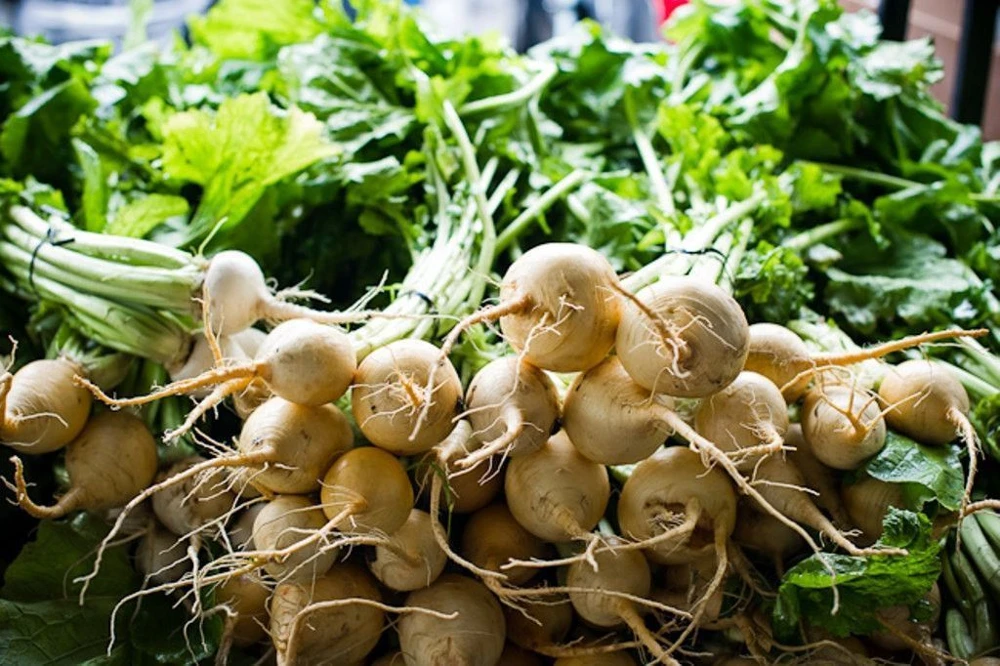
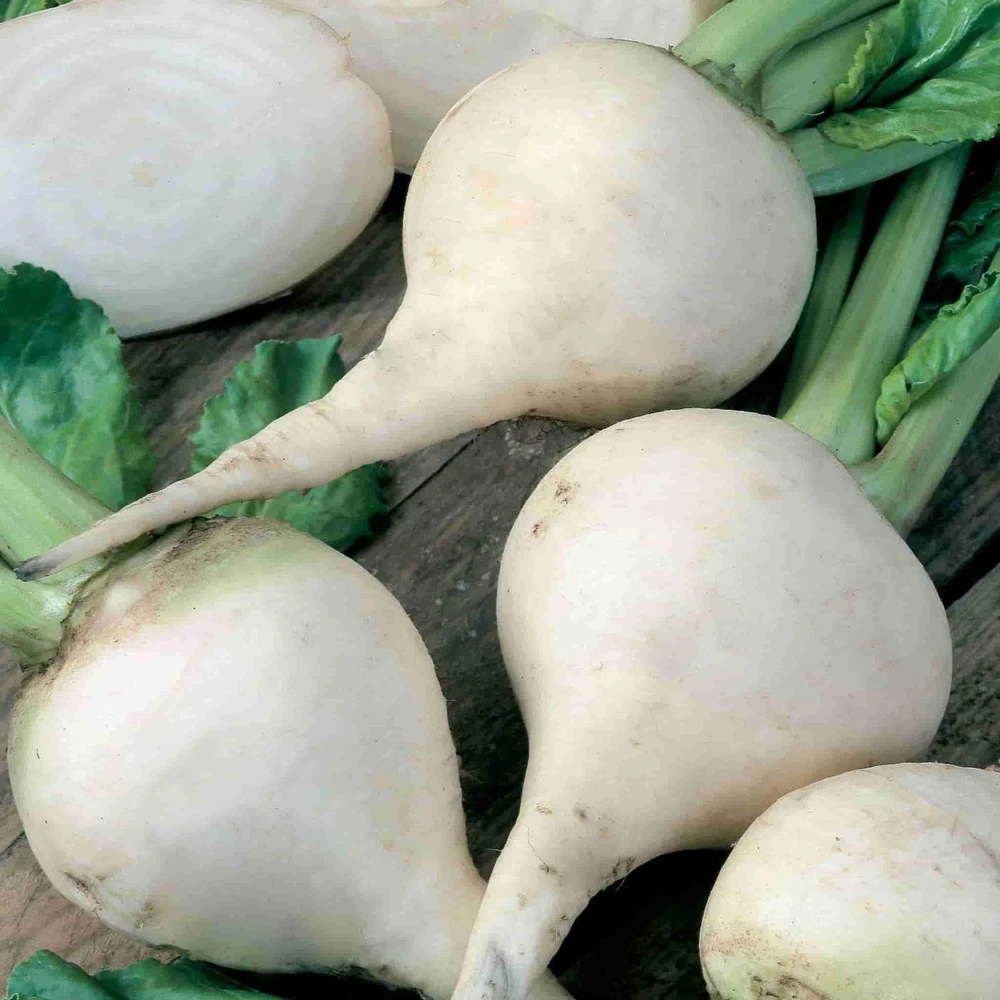
Discover the delightful world of gardening with our exceptional white albino beet seeds. These heirloom seeds promise to bring a touch of uniqueness to your vegetable patch, offering a stark contrast to traditional red beets. Known for their mild, sweet flavor and beautiful white flesh, these beets are a fantastic choice for both novice and experienced gardeners. Unlike their red counterparts, white albino beet seeds produce roots that won’t bleed, making them ideal for dishes where color integrity is important. This annual vegetable, scientifically known as Beta vulgaris, is a versatile and rewarding crop to grow, providing fresh produce throughout the summer and fall seasons. Embrace the joy of growing your own food with these easy-to-cultivate seeds.
Our heirloom beet seeds are carefully selected to ensure high germination rates and robust plant growth. The White Albino variety is celebrated not just for its unusual color, but also for its tender texture and delicious taste. Whether you’re planning a vibrant salad, a roasted vegetable medley, or simply want to add an intriguing element to your plate, these beets are an excellent choice. Get started on your gardening journey today and experience the satisfaction of harvesting these beautiful white beets right from your backyard.
Key Benefits
Planting white albino beet seeds in your garden offers a range of benefits, from culinary versatility to ease of care. These seeds are a great way to introduce a unique vegetable into your diet and gardening routine.
- Unique Culinary Experience: Enjoy the mild, sweet flavor of white beets that won’t stain your hands or other ingredients. Perfect for fresh salads, roasting, pickling, or juicing, offering a different taste profile than red beets.
- Visual Appeal: Add an intriguing and elegant touch to your garden and plate with the pure white roots of these albino beets. They stand out beautifully in mixed vegetable beds and on dinner tables.
- Easy to Grow: These heirloom beet seeds are known for their resilience and straightforward cultivation, making them an excellent option for beginners or those looking for low-maintenance garden vegetables.
- Adaptable to Various Climates: Thriving in USDA Hardiness Zones 3-12, these beets are suitable for a wide range of growing conditions, tolerating both cold and temperate climates.
- Nutritional Value: While white, these beets still offer good nutritional benefits, including vitamins and minerals, contributing to a healthy diet.
- Versatile Soil Preferences: Adaptable to various soil types including clay, loam, peat, and sand, as long as it’s well-draining. This makes growing white beets accessible in many garden settings.
- Harvest Throughout Seasons: With a planting time of approximately 7 weeks, you can enjoy multiple harvests from spring through summer and into fall, ensuring a continuous supply of fresh beets.
Plant Care & Growing Tips
Successful albino beet cultivation begins with understanding their basic needs. These hardy vegetables are relatively forgiving, making them a great choice for gardeners of all experience levels. Beet seeds prefer a sunny location with at least 6 hours of direct sunlight per day, though they can tolerate partial shade, especially in hotter climates. Ensure your chosen site has well-draining soil to prevent waterlogging, which can lead to root rot. A soil pH between 6.5 and 7.0 is ideal for optimal growth.
When planting your white albino beet seeds, sow them directly into the garden bed about 1/2 inch deep and 1-2 inches apart in rows. Once seedlings emerge and are a few inches tall, thin them to 3-4 inches apart to allow the roots to develop fully. Consistent watering is crucial, especially during dry spells. Aim for medium watering, keeping the soil consistently moist but not waterlogged. Beets are annual plants, completing their life cycle in one growing season, providing a bountiful harvest before the first hard frost. For those interested in growing white beets, regular weeding around young plants will reduce competition for nutrients and water.
Fertilization can be beneficial, especially if your soil is poor. Use a balanced organic fertilizer about midway through the growing season. Keep an eye out for common garden pests like leaf miners or aphids; addressing them early with organic pest control methods can prevent significant damage. The easy garden vegetables like these beets are generally quite resistant to diseases, further simplifying their care. With proper attention to sunlight, water, and soil, you’ll be enjoying a delicious harvest of white beets in no time.
Size & Details
Our white albino beet seeds are a fantastic addition to any home garden. These seeds will produce mature beetroots that typically grow to a diameter of 2-3 inches, with some reaching up to 4 inches under ideal conditions. The foliage can reach heights of 10-12 inches, providing a lush green canopy. The growth habit of these beets is clumping, with the roots developing neatly beneath the soil surface. You can expect to begin harvesting your white beets approximately 7 weeks after planting, with the option to harvest earlier for smaller, more tender roots or allow them to grow larger for a more substantial yield.
These heirloom beet seeds are shipped as individual seeds, ready for direct sowing. They are annual plants, meaning they complete their life cycle within one growing season, providing fresh produce from spring through fall. The White Albino variety is known for its consistent performance and reliable growth, making it a favorite among gardeners seeking dependable and delicious vegetables. The versatility of these seeds allows for staggered planting, ensuring a continuous supply of fresh beets throughout your growing season. Consider these easy garden vegetables for a rewarding and productive planting experience.
Frequently Asked Questions
- Q: How big do these white beets get? A: The white albino beet seeds typically produce roots that are 2-3 inches in diameter, though they can grow larger, up to 4 inches, with optimal growing conditions and sufficient spacing.
- Q: Is this an indoor or outdoor plant? A: These beet seeds are best suited for outdoor cultivation. They thrive in garden beds, raised beds, or large outdoor containers where they can receive adequate sunlight and space for root development.
- Q: How much sunlight does this beet variety need? A: For best results, growing white beets requires full sun, meaning at least 6 hours of direct sunlight per day. They can tolerate partial shade, especially in regions with very hot summers.
- Q: Is this plant easy to care for? A: Yes, these are considered easy garden vegetables. They are quite forgiving and straightforward to grow, making them an excellent choice for gardeners of all experience levels, including beginners in albino beet cultivation.
- Q: What condition will the seeds arrive in? A: The product consists of high-quality beet seeds, packaged to ensure their viability and readiness for planting upon arrival. They are not live plants but dormant seeds.
- Q: How long until I can harvest the white beets? A: You can typically begin harvesting your white beets approximately 7 weeks after planting. For continuous harvests, consider staggered planting every few weeks.
- Q: Will these beets survive winter in my zone? A: White beets are annual plants, meaning they complete their life cycle in one growing season. They are not typically overwintered, but can tolerate some cold and temperate climates, especially when protected from hard frosts.
- Q: What soil type is best for white beet seeds? A: Heirloom beet seeds are adaptable and will grow well in various soil types including clay, loam, peat, and sand, provided the soil is well-draining and has a pH between 6.5 and 7.0.
- Q: Can I use the leaves of the white albino beet? A: Yes, both the roots and the greens of the white albino beet seeds are edible. The leaves can be harvested young for salads or cooked like spinach.
- Q: Do these beets taste different from red beets? A: Yes, white albino beets are known for a milder, sweeter flavor compared to red beets. They also lack the earthy taste that some find in red varieties and do not bleed color during cooking.
| Seed Quantity | 125 Seeds, 1500 Seeds Or 1 Oz, 30 Seeds, 60 Seeds, 750 Seeds Or 1/2 Oz |
|---|
Be the first to review “White Albino Beet Seeds – Heirloom Vegetable Seeds – Annual Outdoor Planting”
Related products


Vegetable Seeds
Hanover Salad Kale Seeds – 1000 Smooth Siberian Vegetable Seeds


Vegetable Seeds
Yellow Cheese Pimento Pepper Seeds – 50 Count – Sweet & Mild

You May Like

5 Best Bulbs for Fall Planting: Brighten Your Garden This Spring
Are you dreaming of a garden full of vibrant colors in the spring? The key [...]
Aug
How to Repot Houseplants Like a Pro
Do your houseplants look like they’ve outgrown their pots? Are their roots popping out of [...]
Aug
10 Houseplants That Will Thrive in Your Kitchen
Are you tired of your kitchen feeling dull and lifeless? Want to add a little [...]
Aug
Reviews
There are no reviews yet.