
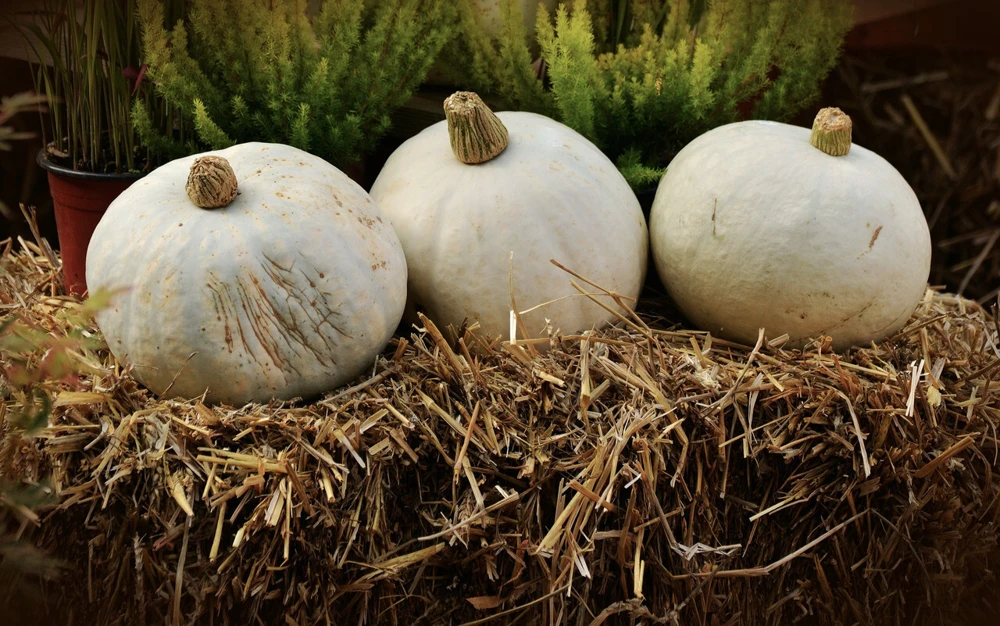
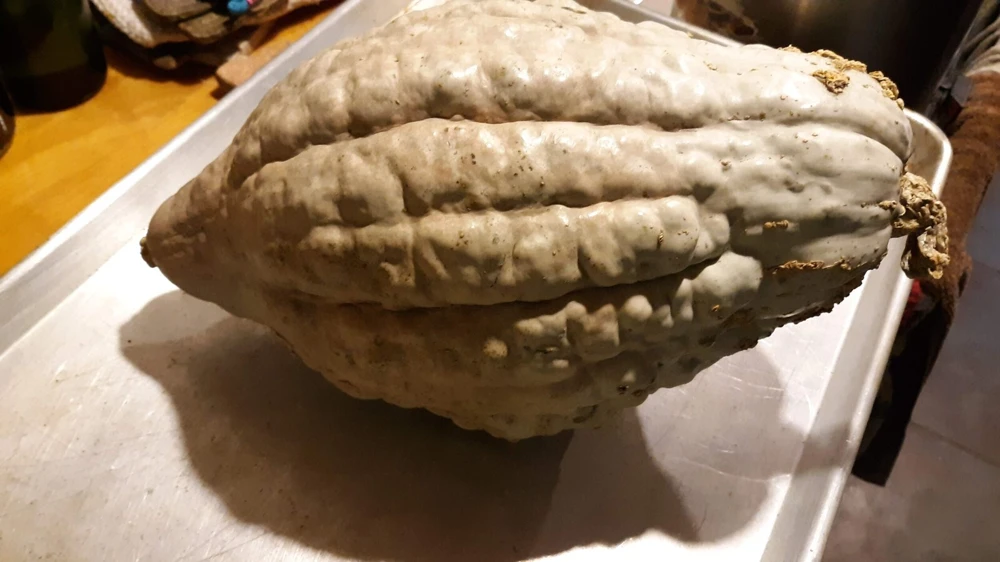
Amish Pie Winter Squash Seeds – Open-Pollinated, Easy to Grow, Annual
From 11.13 $
Cultivate robust Amish Pie Winter Squash seeds in your home garden. These open-pollinated squash seeds are perfect for delicious, large winter squash harvests. Enjoy easy growing with this annual variety.
Estimated arrival
Sep 19
Sep 24 - Sep 26
Sep 26 - Oct 01
See our Shipping Policy.
Get in touch with us via email, and our team will review your concerns.
Our Alive & Thrive Guarantee covers issues with your plants within the first 30 days. Read our Refund & Returns Policy.
-
USDA Hardiness Zone
Zones 3-12 -
Soil Type
Loam, Peat, Sand (well-draining, fertile) -
Sunlight Exposure
Full Sun/Partial Shade -
Expected Planting Period
Spring to Summer (after last frost)
Overview
Embark on a rewarding gardening journey with our premium Amish Pie Winter Squash seeds. This beloved heirloom variety, scientifically known as Cucurbita maxima, is renowned for producing exceptionally large, flavorful squash that are perfect for baking, roasting, and making delicious pies. Originating from the Amish communities, this winter squash offers a rich, sweet, and nutty flavor profile, making it a favorite for culinary enthusiasts. Each seed promises the potential for bountiful harvests, bringing the taste of tradition right to your table. Growing Amish Pie Winter Squash seeds is a satisfying experience for both novice and experienced gardeners.
Our seeds are open-pollinated squash seeds, ensuring that you can save seeds from your harvest to plant for future seasons, maintaining the genetic integrity of this cherished variety. The vigorous vining growth habit of this squash means it will require ample space or a sturdy trellis, but the generous yield of large, pale green to white squash is well worth the effort. Prepare to enjoy the fruits of your labor with this easy-to-grow annual plant, perfect for fall and winter interest.
Key Benefits
Amish Pie Winter Squash seeds offer numerous advantages for the home gardener and cook alike. Cultivating this variety provides a unique blend of aesthetic appeal, culinary versatility, and gardening satisfaction:
- Exceptional Flavor: Enjoy the sweet, nutty, and rich taste that makes Amish Pie Winter Squash a culinary favorite, ideal for pies, soups, and roasting.
- Generous Yields: These vigorous plants are known for producing a prolific amount of large squash, ensuring a bountiful harvest for fresh consumption and storage.
- Open-Pollinated: As open-pollinated squash seeds, you can save seeds from your harvest year after year, preserving the genetic characteristics and ensuring a continuous supply of this heirloom variety.
- Long Storage Life: Winter squash varieties like Amish Pie are excellent for long-term storage, allowing you to enjoy your harvest throughout the colder months.
- Easy to Grow: Despite their large size, these squash are relatively easy to cultivate, making them suitable for gardeners of various skill levels, especially those interested in growing winter squash.
- Versatile Culinary Use: Beyond pies, this squash is excellent in stews, casseroles, baked dishes, and even as a healthy side dish, offering great flexibility in the kitchen.
- Beautiful Garden Addition: The large, pale green fruits add a unique visual element to your garden, making it a conversation starter among gardening enthusiasts.
Plant Care & Growing Tips
Cultivating Amish Pie Winter Squash seeds successfully requires attention to a few key environmental factors to ensure optimal growth and a plentiful harvest. These plants thrive in full sun, meaning they need at least 6-8 hours of direct sunlight per day. Choose a location in your garden that receives abundant light throughout the growing season. While they can tolerate partial shade, full sun will lead to better fruit production and sweeter squash. Ensure good air circulation to prevent fungal diseases, especially in humid climates.
For soil, Amish Pie Winter Squash seeds prefer well-draining, fertile soil rich in organic matter. A soil pH between 6.0 and 6.5 is ideal. Amend heavy clay soils with compost or well-rotted manure to improve drainage and fertility. Sandy soils will benefit from added organic matter to help retain moisture and nutrients. Consistent watering is crucial, especially during flowering and fruit development. Aim for medium watering, ensuring the soil remains consistently moist but not waterlogged. Deep watering encourages deep root growth, making the plants more resilient. Avoid overhead watering to minimize leaf diseases.
These plants are annuals and perform best in USDA Hardiness Zones 3-12, given adequate frost protection in cooler zones. Planting time is typically after the last frost in spring, once soil temperatures have warmed. Fertilize every 3-4 weeks with a balanced organic fertilizer, reducing nitrogen once fruits begin to set to encourage fruit development over leaf growth. Providing a sturdy trellis or ample ground space for their vining habit is essential. Keep an eye out for common pests like squash bugs and vine borers, and address them promptly with organic pest control methods. Proper care will lead to a successful harvest of large winter squash.
Size & Details
Our Amish Pie Winter Squash seeds are supplied as high-quality, viable seeds, ready for planting. Once established, these vigorous annual plants exhibit a strong vining growth habit, capable of spreading several feet. The mature fruits are quite substantial, typically weighing between 15-30 pounds, though some specimens can grow even larger. They feature a distinctive pale green to white rind that ripens to a creamy buff color in storage. The flesh is a vibrant orange, dense, and exceptionally sweet.
Expect a growing season of approximately 90-100 days from planting to harvest. These heirloom winter squash are best harvested when the rind is hard and the stem begins to dry. They store exceptionally well in a cool, dry place, often lasting for several months, making them a fantastic option for winter consumption. Each packet contains a generous quantity of seeds, providing ample opportunity to cultivate a thriving crop of this delicious and impressive large winter squash.
Frequently Asked Questions
- Q: How big do the Amish Pie Winter Squash get? A: These squash are known for their impressive size, typically weighing between 15 to 30 pounds, with some individual fruits growing even larger. They are truly a spectacle in the garden and on the dinner table.
- Q: When is the best time to plant Amish Pie Winter Squash seeds? A: The best time to plant these seeds is in spring, after all danger of frost has passed and the soil temperature has warmed consistently, usually above 65°F (18°C).
- Q: Is this variety open-pollinated? A: Yes, these are open-pollinated squash seeds, meaning you can save seeds from your mature squash to plant in subsequent years while maintaining the true characteristics of the variety.
- Q: How much sunlight does growing winter squash require? A: Amish Pie Winter Squash needs full sun, which translates to at least 6-8 hours of direct sunlight per day, for optimal growth and fruit development.
- Q: What kind of soil is best for these squash? A: They thrive in well-draining, fertile soil rich in organic matter, with a slightly acidic to neutral pH (6.0-6.5). Amending with compost is highly beneficial.
- Q: How often should I water my Amish Pie Winter Squash plants? A: Water consistently and deeply, especially during flowering and fruiting. The soil should remain moist but never waterlogged. Aim for medium watering frequency.
- Q: Are these squash good for storage? A: Absolutely! Amish Pie Winter Squash is an excellent storage variety. When properly cured and stored in a cool, dry place, they can last for several months into winter.
- Q: What is the typical growing season for this heirloom winter squash? A: From planting to harvest, you can expect a growing season of approximately 90-100 days. Harvest when the rind is hard and the stem starts to dry.
- Q: Can I grow large winter squash if I have limited space? A: While they are vining plants, you can grow them in smaller spaces by providing a sturdy trellis or support system to encourage vertical growth.
- Q: Are these seeds suitable for beginners? A: Yes, Amish Pie Winter Squash seeds are considered relatively easy to grow, making them suitable for gardeners of all experience levels who are looking to try growing winter squash.
| Seed Quantity | 100 Seeds Or 1 Oz, 12 Seeds Or 1/8 Oz, 25 Seeds Or 1/4 Oz, 4 Seeds Or 1 Gram, 50 Seeds Or 1/2 Oz, 8 Seeds Or 2 Gram |
|---|
Be the first to review “Amish Pie Winter Squash Seeds – Open-Pollinated, Easy to Grow, Annual”
Related products


You May Like
5 Best Bulbs for Fall Planting: Brighten Your Garden This Spring
Are you dreaming of a garden full of vibrant colors in the spring? The key [...]
Aug

How to Repot Houseplants Like a Pro
Do your houseplants look like they’ve outgrown their pots? Are their roots popping out of [...]
Aug
10 Houseplants That Will Thrive in Your Kitchen
Are you tired of your kitchen feeling dull and lifeless? Want to add a little [...]
Aug
Reviews
There are no reviews yet.