
All American Parsnip Seeds – Sweet, Rich Flavor, Easy to Grow Vegetable Seeds
From 10.77 $
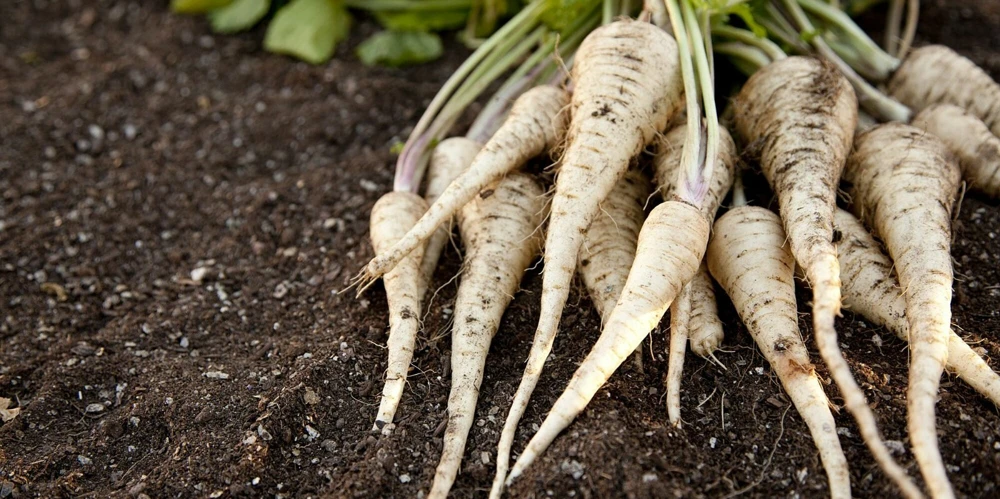
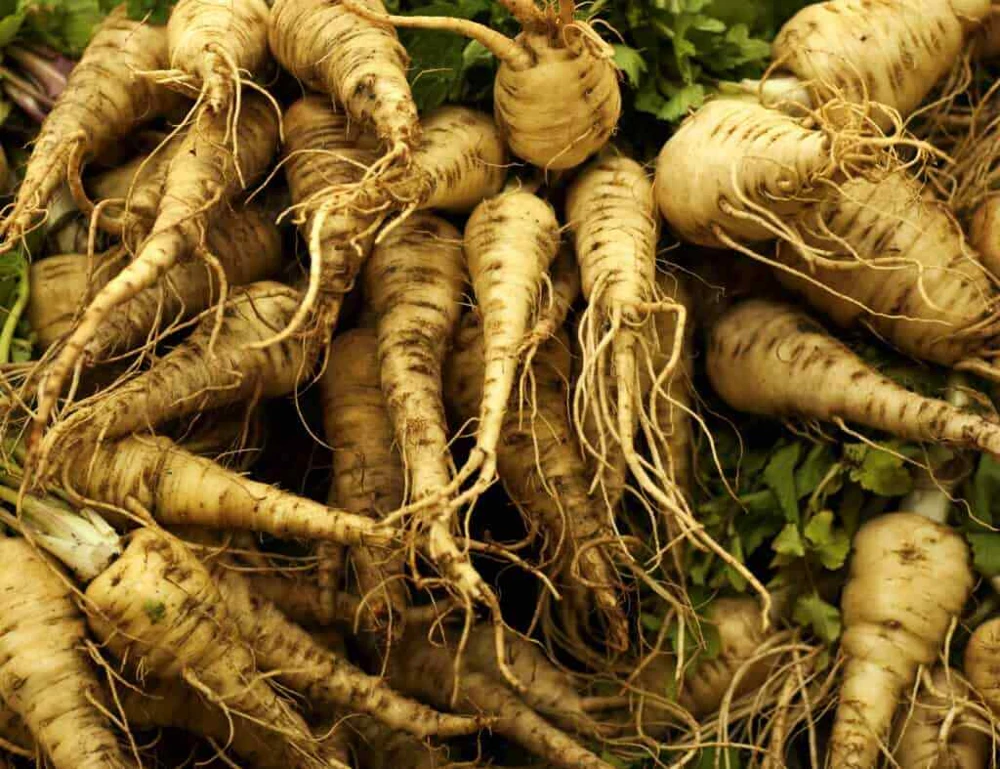
Cultivate your own delicious root vegetables with All American Parsnip Seeds. This variety produces parsnips with a sweet, rich flavor and an upright growth habit, ideal for outdoor gardens. Enjoy fresh parsnips from your backyard with these easy to grow parsnips.
Estimated arrival
Sep 19
Sep 24 - Sep 26
Sep 26 - Oct 01
See our Shipping Policy.
Get in touch with us via email, and our team will review your concerns.
Our Alive & Thrive Guarantee covers issues with your plants within the first 30 days. Read our Refund & Returns Policy.
-
USDA Hardiness Zone
USDA zones 3-9 -
Soil Type
Loam, Sand, well-draining soil -
Sunlight Exposure
Full Sun, Light Shade -
Expected Planting Period
Early Spring, Late Summer
Overview
Discover the joy of growing your own root vegetables with All American Parsnip Seeds. This premium variety, known for its exceptional sweetness and rich flavor, is a must-have for any home gardener looking to cultivate high-quality parsnips. Parsnips, scientifically known as Pastinaca sativa, are biennial plants typically grown as annuals for their edible taproots. These particular parsnip seeds for planting are specifically chosen for their robust growth and delicious results, making them an excellent addition to your vegetable patch. With an upright foliage and deep taproots, these parsnips are both visually appealing and highly productive, promising a bountiful harvest of pale ivory roots.
Whether you are an experienced gardener or just starting, these All American Parsnip Seeds offer a straightforward and rewarding growing experience. The resulting parsnips are perfect for roasting, soups, stews, or even enjoyed raw. Their distinctive taste and texture make them a versatile ingredient in many culinary applications. Embrace the satisfaction of harvesting fresh, flavorful parsnips directly from your garden, ensuring you have the freshest ingredients at your fingertips.
Key Benefits
Planting All American Parsnip Seeds offers a multitude of benefits for both the gardener and the culinary enthusiast. These seeds are designed to produce a superior crop with ease.
- Exceptional Flavor Profile: Enjoy parsnips renowned for their naturally sweet and rich flavor, far surpassing store-bought varieties. The delicate sweetness develops further after a frost, making late-season harvests particularly rewarding.
- Easy Cultivation: Rated as ‘Easy’ in cultivating difficulty, these parsnip seeds for planting are forgiving and suitable for gardeners of all skill levels. Simple instructions and robust plant genetics contribute to a successful yield.
- Versatile Culinary Use: The harvested parsnips are incredibly versatile in the kitchen. They can be roasted to caramelize their sugars, added to hearty stews, pureed into creamy soups, or even thinly sliced and fried for a unique snack.
- Healthy Garden Addition: Growing your own parsnips ensures a fresh, organic supply of this nutritious root vegetable. They are a good source of fiber, vitamins, and minerals, contributing to a healthy diet.
- Biennial Life Cycle for Flavor Enhancement: While typically grown as annuals, their biennial nature allows for the taproots to develop deeply, enhancing their flavor and texture, especially when exposed to cool temperatures.
- Adaptable to Various Climates: These All American Parsnip Seeds are suitable for a wide range of climates, thriving in Fall, Spring, and Summer seasons of interest, allowing for flexible planting schedules.
- Attractive Garden Feature: The upright foliage and strong growth habit of the parsnip plants add an attractive element to your vegetable garden throughout their growing season.
Plant Care & Growing Tips
Successful cultivation of All American Parsnip Seeds requires attention to a few key environmental factors. Parsnips thrive in well-prepared soil and consistent moisture. For optimal growth, ensure your planting site receives Full Sun to Light Shade. At least 6-8 hours of direct sunlight per day is ideal, though some afternoon shade can be beneficial in hotter climates to prevent wilting. The soil should be loose, deep, and free of rocks to allow the long taproots to develop without obstruction. A mix of Loam and Sand is excellent, providing both nutrients and good drainage. The ideal soil pH for parsnips ranges from 6.0 – 7.0.
Watering is crucial, especially during dry spells. Parsnips require Medium watering, meaning the soil should be kept consistently moist but not waterlogged. Deep watering encourages deep root growth. Avoid erratic watering, which can lead to splitting roots. Fertilize with a balanced, all-purpose fertilizer if your soil is poor, but avoid high-nitrogen fertilizers which can promote leafy growth at the expense of root development. Planting time is approximately 16 weeks until harvest. Sow seeds directly into the garden in early spring, as parsnips do not transplant well. Thin seedlings to 3-6 inches apart once they are a few inches tall. These easy to grow parsnips are generally hardy, but keep an eye out for common garden pests and diseases, addressing them promptly with organic solutions if possible.
For the sweetest flavor, leave parsnips in the ground until after the first few frosts in the fall or even into early winter. The cold temperatures convert starches into sugars, enhancing their taste. Harvesting can be done by carefully loosening the soil around the taproot before gently pulling them out to avoid breakage. These All American Parsnip Seeds are designed for outdoor cultivation, making them a perfect choice for your garden beds.
Size & Details
These All American Parsnip Seeds are provided in standard variety size packets, ensuring you have enough seeds to establish a healthy crop. Each seed is designed to produce a robust parsnip plant with an upright foliage and deep, pale ivory taproots that develop excellent flavor. The growth habit focuses on developing substantial roots, which are the primary harvest. Parsnips typically grow to a mature length of 8-12 inches, depending on soil conditions and cultivation practices. They are an outdoor vegetable seed, meant for direct sowing into your garden beds.
Once planted, these seeds will germinate and grow into mature plants that are ready for harvest after approximately 16 weeks. The sweet parsnip variety is known for its consistent growth and reliable yield. The plants are biennials, but for culinary purposes, they are typically harvested in their first year. Expect a satisfying yield of flavorful parsnips perfect for a range of dishes.
Frequently Asked Questions
- Q: How big do these parsnip plants get? A: The foliage of the parsnip plant can reach heights of 18-24 inches, while the edible taproots typically grow 8-12 inches long and 2-3 inches in diameter, depending on growing conditions and soil depth.
- Q: Is this an indoor or outdoor plant? A: These All American Parsnip Seeds are specifically for outdoor cultivation. Parsnips require ample space for their taproots to develop and prefer direct sunlight, making them unsuitable for indoor growing environments.
- Q: How much sunlight do parsnips need? A: Parsnips thrive in areas that receive full sun, meaning at least 6-8 hours of direct sunlight per day. They can tolerate light shade, especially in warmer climates, but consistent sun promotes better root development and flavor.
- Q: Are these parsnip seeds easy to care for? A: Yes, these easy to grow parsnips are rated as having ‘Easy’ cultivating difficulty. They primarily require well-draining soil, consistent moisture, and adequate sunlight for successful growth.
- Q: When is the best time to plant All American Parsnip Seeds? A: The best time to plant All American Parsnip Seeds is in early spring, as soon as the soil can be worked. They can also be sown in late summer for a fall harvest in some regions.
- Q: What kind of soil is best for growing parsnips? A: Parsnips prefer deep, loose, well-draining soil that is free of rocks and debris. A loamy or sandy soil with a pH between 6.0 and 7.0 is ideal to allow the taproots to grow straight and long.
- Q: How long does it take for parsnips to mature from seed? A: Parsnips generally take about 16 weeks (approximately 110-120 days) from planting the seeds to reach maturity and be ready for harvest.
- Q: Can I leave parsnips in the ground over winter? A: Yes, leaving parsnips in the ground until after the first few frosts, or even into early winter, can enhance their flavor. The cold temperatures convert starches into sugars, making them sweeter.
- Q: What makes this a ‘sweet parsnip variety’? A: This variety is specifically bred and selected for its naturally higher sugar content and milder, less earthy flavor compared to other parsnip types, resulting in a truly delicious root vegetable.
- Q: Do these parsnips have a rich flavor? A: Absolutely! These All American Parsnip Seeds are celebrated for producing parsnips with a distinctly sweet, rich flavor, making them a gourmet choice for home gardeners.
| Seed Quantity | 110K Seeds Or 1 Lb, 125 Seeds Or 1/2 Gram, 13.5K Seeds Or 2 Oz, 250 Seeds Or 1 Gram, 27K Seeds Or 1/4 Lb, 55K Seeds Or 1/2 Lb, 6800 Seeds Or 1 Oz, 850 Seeds Or 1/8 Oz |
|---|
Be the first to review “All American Parsnip Seeds – Sweet, Rich Flavor, Easy to Grow Vegetable Seeds”
Related products


Vegetable Seeds
Yellow Cheese Pimento Pepper Seeds – 50 Count – Sweet & Mild


Vegetable Seeds
3000 White Boston Lettuce Seeds – Green Butterhead Vegetable, Lactuca Sativa, 6-12″ Tall


You May Like
5 Best Bulbs for Fall Planting: Brighten Your Garden This Spring
Are you dreaming of a garden full of vibrant colors in the spring? The key [...]
Aug
How to Repot Houseplants Like a Pro
Do your houseplants look like they’ve outgrown their pots? Are their roots popping out of [...]
Aug
10 Houseplants That Will Thrive in Your Kitchen
Are you tired of your kitchen feeling dull and lifeless? Want to add a little [...]
Aug
Reviews
There are no reviews yet.