
Connecticut Field Pumpkin Seeds – Traditional Halloween & Pie, Annual Vegetable Seeds
From 11.13 $
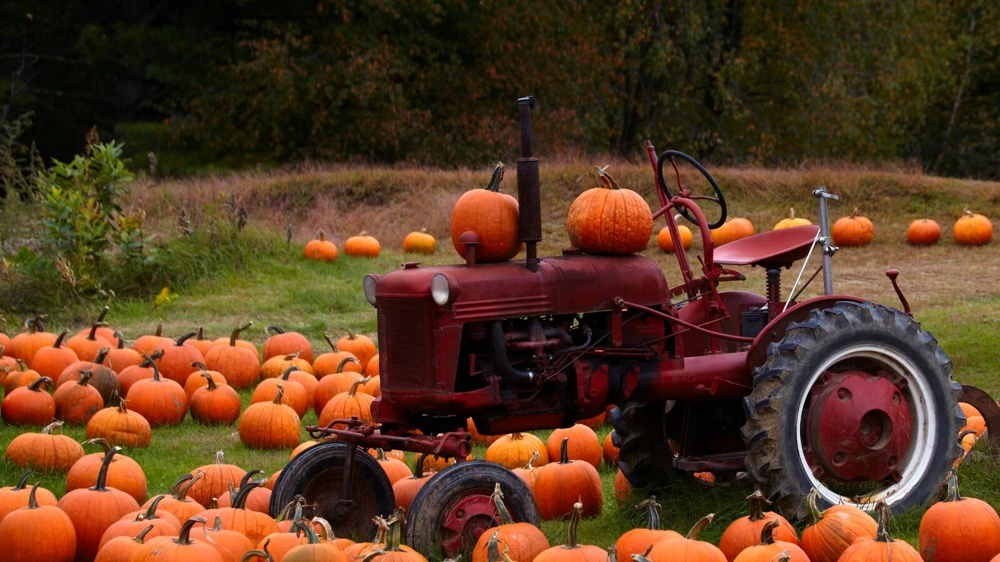
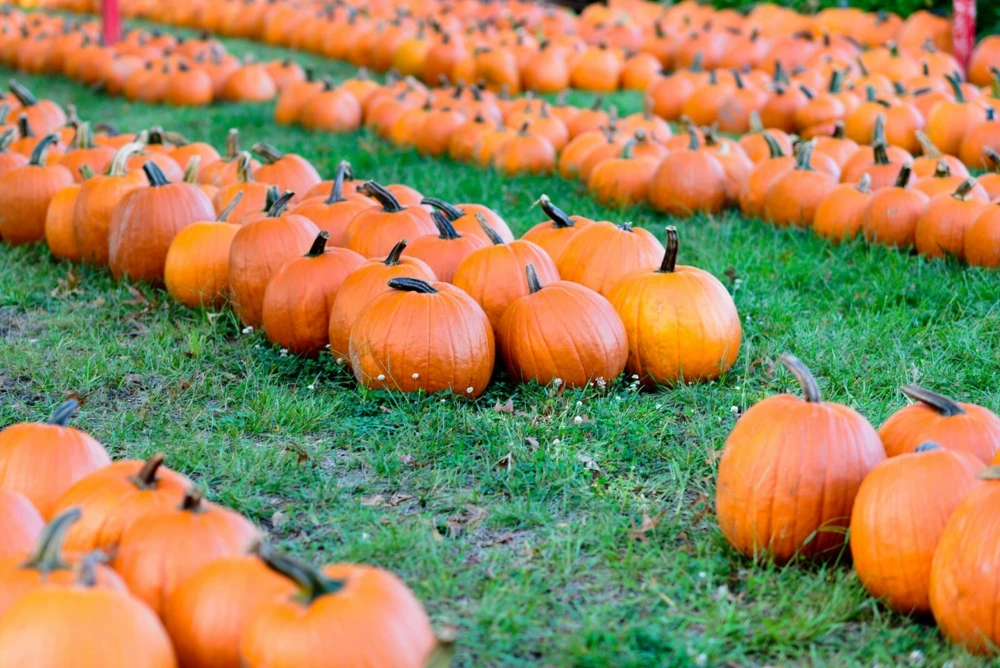
Cultivate classic Connecticut Field Pumpkin seeds for your garden. These annual traditional pumpkin seeds are ideal for festive Halloween carving, baking homemade pumpkin pies, and adding rustic charm to your autumn decorations. Enjoy a rewarding growing experience with these versatile Halloween pumpkin seeds.
Estimated arrival
Sep 19
Sep 24 - Sep 26
Sep 26 - Oct 01
See our Shipping Policy.
Get in touch with us via email, and our team will review your concerns.
Our Alive & Thrive Guarantee covers issues with your plants within the first 30 days. Read our Refund & Returns Policy.
-
USDA Hardiness Zone
Zones 3-12 (Annual) -
Soil Type
Loam, Peat, Sand (well-draining, rich in organic matter) -
Sunlight Exposure
Full Sun/Partial Shade -
Expected Planting Period
Spring to Early Summer
Overview
Bring the charm of a classic autumn harvest to your garden with Connecticut Field Pumpkin seeds. These highly sought-after traditional pumpkin seeds are renowned for producing large, sturdy pumpkins perfect for a variety of uses. Whether you’re planning to carve a spooky jack-o’-lantern for Halloween, bake a delicious homemade pumpkin pie, or simply adorn your home with beautiful fall decorations, these seeds offer a rewarding gardening experience. The Connecticut Field Pumpkin, scientifically known as Cucurbita pepo, is an annual vegetable that thrives in temperate climates and is relatively easy to cultivate, making it an excellent choice for both novice and experienced gardeners.
Our Connecticut Field Pumpkin seeds promise robust growth, yielding vibrant orange pumpkins that embody the spirit of the season. These pumpkins typically feature a classic, slightly flattened round shape and a rich, deep orange color, making them visually appealing. They are known for their firm flesh, which is excellent for cooking and processing, ensuring your homemade pies and other culinary creations are full of authentic pumpkin flavor. Growing your own pumpkins from these traditional pumpkin seeds allows you to enjoy fresh, organic produce right from your backyard, connecting you directly to the harvest.
Key Benefits
Choosing to plant Connecticut Field Pumpkin seeds offers a multitude of benefits for your garden and home. These seeds provide a sustainable way to enjoy fresh, homegrown pumpkins, adding both aesthetic and culinary value to your life. The resulting pumpkins are incredibly versatile, serving multiple purposes throughout the fall season.
- Versatile Use: These traditional pumpkin seeds grow into pumpkins perfect for carving, baking, and decorative displays. Their classic shape and size make them ideal for all your Halloween and Thanksgiving needs.
- Easy to Grow: With moderate cultivating difficulty, these seeds are suitable for a wide range of gardeners. Following simple care instructions will lead to a bountiful harvest of beautiful pumpkins.
- Delicious Culinary Ingredient: The flesh of the Connecticut Field Pumpkin is sweet and flavorful, making it excellent for pies, soups, roasted vegetables, and other fall recipes. Enjoy fresh, homemade pumpkin dishes.
- Festive Decor: The vibrant orange color and classic shape of these pumpkins make them an essential element for autumn and Halloween decorations, adding a warm, inviting touch to your home and garden.
- High Yield Potential: Given proper care and conditions, these Halloween pumpkin seeds can produce a generous number of pumpkins, ensuring you have plenty for all your seasonal activities.
- Supports Biodiversity: Growing your own pumpkins helps support local ecosystems and provides a food source for beneficial insects and wildlife, contributing to a healthier garden environment.
- Educational Fun: Planting and nurturing Cucurbita pepo seeds is a fantastic educational activity for families, teaching children about plant life cycles, food origins, and the joys of gardening.
Plant Care & Growing Tips
To ensure a successful harvest from your Connecticut Field Pumpkin seeds, understanding their specific care requirements is crucial. Pumpkins are annual plants that thrive in warm weather and require ample space to grow. Start your seeds indoors 3-4 weeks before the last frost date or direct sow outdoors after all danger of frost has passed and soil temperatures have warmed to at least 65°F (18°C). Plant seeds about 1 inch deep and 3-5 feet apart in rows that are 6-10 feet apart, as these are running plants that require significant space. Ensure good air circulation to prevent fungal diseases.
Sunlight:Connecticut Field Pumpkin seeds require full sun to partial shade, meaning at least 6-8 hours of direct sunlight per day for optimal growth and fruit development. A location with abundant sunlight will lead to larger, healthier pumpkins. Watering: Pumpkins are heavy water drinkers, especially during fruiting. Water deeply and regularly, ensuring the soil remains consistently moist but not waterlogged. Avoid overhead watering to reduce the risk of powdery mildew; instead, water at the base of the plant. Soil Type & pH: These plants prefer well-draining, fertile soil rich in organic matter. A soil pH between 6.0 and 6.5 is ideal. Amend heavy clay soils with compost or sand to improve drainage, and sandy soils with compost to improve water retention and fertility. Fertilization: Incorporate a balanced fertilizer into the soil before planting. Once vines begin to run and flowers appear, a high-phosphorus fertilizer can encourage fruit set. After fruits begin to develop, a high-potassium fertilizer can promote larger, healthier pumpkins. USDA Hardiness Zone: These pumpkins are annuals and can be grown in USDA Hardiness Zones 3-12 during their growing season. Pest & Disease Management: Monitor for common pests like squash bugs and cucumber beetles, and diseases such as powdery mildew. Prompt treatment with organic pest control methods and ensuring good air circulation can help maintain plant health. Proper care of your Cucurbita pepo seeds will lead to a bountiful harvest.
Size & Details
The Connecticut Field Pumpkin seeds produce pumpkins that are typically medium to large in size, often weighing between 15-25 pounds, though some can grow even larger under ideal conditions. The plants exhibit a running growth habit, meaning their vines can spread significantly across the garden, sometimes reaching lengths of 10-20 feet. Each seed packet contains high-quality seeds, ready for planting. The time from planting to harvest is approximately 100-120 days, allowing for a late summer to early fall harvest when planted in spring. These plants are annuals, completing their life cycle within one growing season. Expect vibrant orange fruits with a classic pumpkin shape, perfect for various seasonal uses. Growing these pie pumpkin seeds will ensure a delicious and decorative outcome.
The seeds are harvested from healthy, mature plants, ensuring good germination rates and vigorous growth. The resulting pumpkins are known for their thick walls and firm flesh, making them excellent for carving and baking. When planning your garden, ensure you allocate enough space for these enthusiastic growers. The moderate cultivating difficulty means that with consistent care, even those new to gardening can achieve impressive results from these Halloween pumpkin seeds.
Frequently Asked Questions
- Q: How big do Connecticut Field Pumpkins get? A: Connecticut Field Pumpkin seeds typically produce pumpkins weighing between 15-25 pounds, but with optimal growing conditions, they can often exceed this size, making them great for carving and display.
- Q: Is this an indoor or outdoor plant? A: These pumpkins are outdoor annuals. They require ample space and full sun to partial shade to thrive and produce fruit in your garden. They are not suitable for indoor cultivation.
- Q: How much sunlight does it need? A: Connecticut Field Pumpkins need at least 6-8 hours of direct sunlight daily to grow healthy vines and produce robust fruits. Full sun exposure is highly recommended for best results.
- Q: Is this plant easy to care for? A: Growing Connecticut Field Pumpkins is considered moderately difficult. While they require consistent watering and feeding, they are generally forgiving and rewarding for gardeners of various skill levels.
- Q: When is the best time to plant Connecticut Field Pumpkin seeds? A: The best time to plant traditional pumpkin seeds is after the last danger of frost has passed in your region, typically in late spring or early summer, when soil temperatures are consistently warm.
- Q: Can I use these pumpkins for baking? A: Yes, Connecticut Field Pumpkins have excellent firm flesh with a good flavor, making them ideal for baking pies, roasting, and other culinary applications. Many gardeners use these as their primary pie pumpkin seeds.
- Q: Will these pumpkins survive winter in my zone? A: No, Connecticut Field Pumpkins are annual plants. They complete their life cycle in one growing season and will not survive winter. You will need to replant Cucurbita pepo seeds each year for a new crop.
- Q: What type of soil do these pumpkin seeds prefer? A: These pumpkins thrive in well-draining, fertile soil rich in organic matter. A slightly acidic to neutral pH (6.0-6.5) is ideal for optimal growth.
- Q: How much water do pumpkin plants need? A: Pumpkin plants, especially those grown from Halloween pumpkin seeds, are heavy drinkers and require consistent, deep watering. Ensure the soil stays moist but not waterlogged, particularly during fruit development.
- Q: What is the typical growth habit of this pumpkin? A: Connecticut Field Pumpkins have a running growth habit, meaning their vines spread extensively across the ground. Ensure adequate spacing in your garden for these vigorous growers.
| Seed Quantity | 10 Seeds, 1250 Seeds Or 1/2 Lb, 160 Seeds Or 1 Oz, 20 Seeds Or 1/8 Oz, 2500 Seeds Or 1 Lb, 320 Seeds Or 2 Oz, 40 Seeds Or 1/4 Oz, 640 Seeds Or 1/4 Lb |
|---|
Be the first to review “Connecticut Field Pumpkin Seeds – Traditional Halloween & Pie, Annual Vegetable Seeds”
Related products


Vegetable Seeds
Job’s Tears Seeds – Coix Lacryma Vegetable Seeds – 20 Count for Edible & Decorative Use


Vegetable Seeds
Hanover Salad Kale Seeds – 1000 Smooth Siberian Vegetable Seeds
You May Like
5 Best Bulbs for Fall Planting: Brighten Your Garden This Spring
Are you dreaming of a garden full of vibrant colors in the spring? The key [...]
Aug
How to Repot Houseplants Like a Pro
Do your houseplants look like they’ve outgrown their pots? Are their roots popping out of [...]
Aug
10 Houseplants That Will Thrive in Your Kitchen
Are you tired of your kitchen feeling dull and lifeless? Want to add a little [...]
Aug
Reviews
There are no reviews yet.