
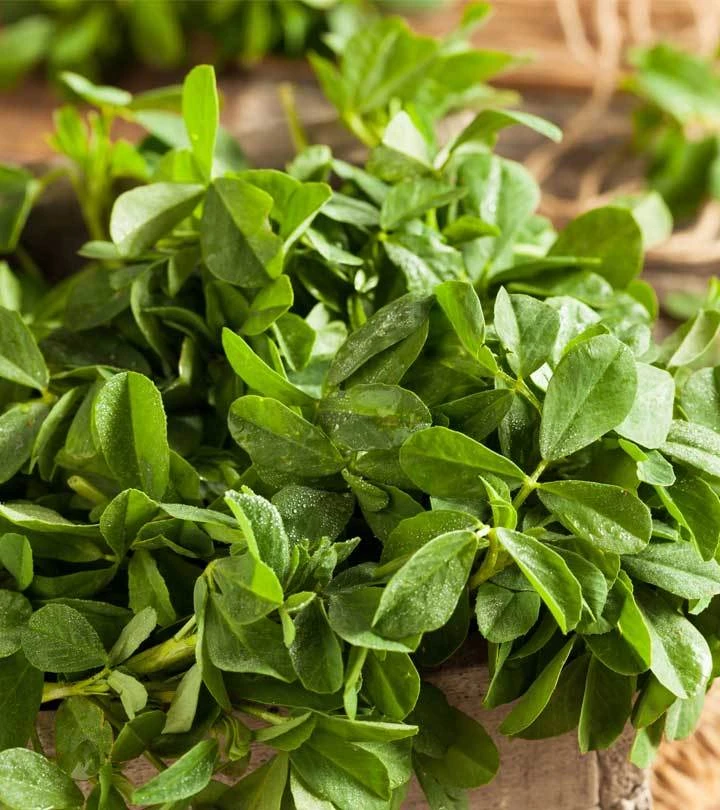
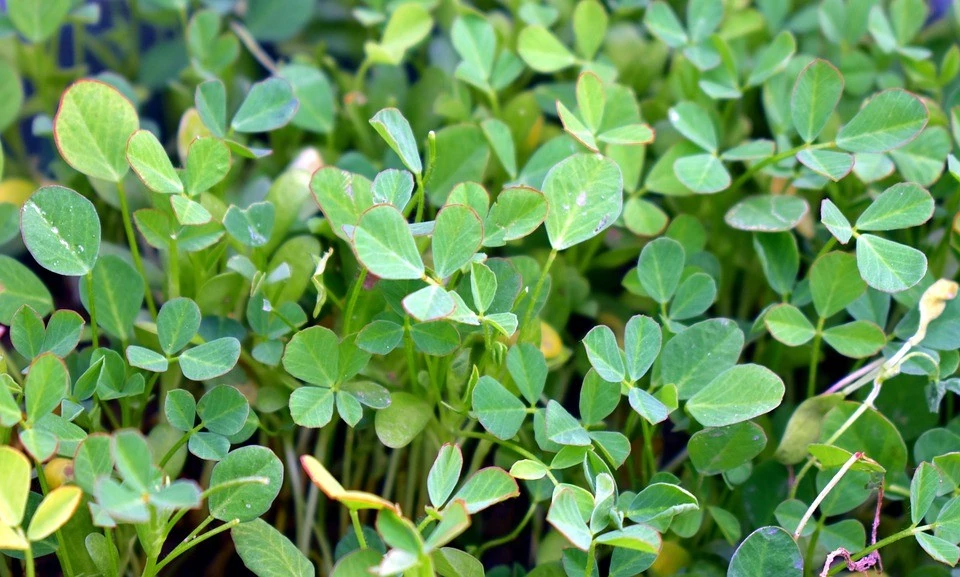
Fenugreek Seeds – Heirloom Herb Seeds – Variety Sizes for Planting
From 10.77 $
Cultivate your own aromatic fenugreek seeds with our heirloom variety. These versatile herb seeds are perfect for adding a distinctive flavor to culinary dishes like curry, or for use in traditional wellness practices. Easy to grow in full sun, they are suitable for a wide range of climates and soil types.
Estimated arrival
Sep 18
Sep 23 - Sep 25
Sep 25 - Sep 30
See our Shipping Policy.
Get in touch with us via email, and our team will review your concerns.
Our Alive & Thrive Guarantee covers issues with your plants within the first 30 days. Read our Refund & Returns Policy.
-
USDA Hardiness Zone
3-12 -
Soil Type
Loam, Peat, well-draining -
Sunlight Exposure
Full Sun -
Expected Planting Period
Spring to early summer
Overview
Discover the joy of growing your own aromatic herbs with our premium fenugreek seeds. Sourced from heirloom varieties, these seeds promise robust growth and a rich flavor profile, making them an essential addition to any herb garden. Fenugreek, scientifically known as Trigonella foenum-graecum, is a highly valued annual herb, celebrated for its culinary versatility and traditional wellness benefits. Often associated with the distinctive taste of curry powder, the leaves and seeds are both edible and possess a unique, slightly bitter yet sweet aroma. Our heirloom fenugreek seeds offer gardeners the opportunity to cultivate a plant with a long history of use, ensuring genetic purity and superior characteristics for your home garden. Whether you’re an experienced gardener or just starting out, these seeds provide a rewarding planting experience, yielding a bountiful harvest for your kitchen and beyond.
This offering is specifically for high-quality fenugreek seeds, ready for planting. You will receive a variety of sizes, allowing flexibility for different planting needs and garden scales. Fenugreek is a relatively fast-growing plant, quickly establishing itself to provide fresh leaves for cooking or to mature for seed collection. Its adaptability to various climates and soil conditions makes it a popular choice for gardeners across the United States. Embrace the satisfaction of harvesting your own fresh fenugreek, a staple in many global cuisines and a powerhouse of natural goodness.
Key Benefits
Growing fenugreek seeds offers a multitude of benefits, from enhancing your culinary creations to contributing to a vibrant, healthy garden. This versatile herb is not only easy to cultivate but also provides a continuous supply of fresh ingredients. Here are some of the primary advantages of incorporating fenugreek into your garden:
- Culinary Excellence: Fenugreek leaves and seeds are indispensable in many cuisines, especially Indian, Middle Eastern, and North African dishes. The fresh leaves add a unique, slightly bitter, and aromatic flavor to curries, stews, and vegetable dishes, while the seeds are a key ingredient in spice blends like curry powder. Growing your own ensures a fresh supply for authentic flavors.
- Traditional Wellness Uses: For centuries, fenugreek has been valued for its potential health benefits in traditional medicine systems. It’s often associated with digestive health, blood sugar management, and lactation support, making it a popular choice for those seeking natural remedies.
- Easy to Grow:Fenugreek seeds are known for their relatively straightforward cultivation. They thrive in full sun and well-draining soil, making them suitable for both beginner and experienced gardeners. Minimal fuss is required once established, allowing you to enjoy a productive harvest with ease.
- Soil Improvement: As a legume, fenugreek has the ability to fix nitrogen in the soil. This natural process enriches the soil, benefiting other plants grown nearby or in subsequent seasons, making it an excellent cover crop or companion plant.
- Attractive Foliage: Beyond its practical uses, the delicate green foliage of the fenugreek plant adds a pleasant aesthetic to herb gardens or mixed beds. The small, clover-like leaves create a lush appearance, contributing to the overall beauty of your outdoor space.
- Versatile Harvest: You can harvest fenugreek at different stages. Young leaves can be picked for fresh use, or the plants can be allowed to mature to produce seeds, offering flexibility in how you utilize your crop.
- Heirloom Quality: Our heirloom fenugreek ensures you are growing a variety with stable genetic traits, often associated with superior flavor and resilience compared to modern hybrids. This preserves biodiversity and allows for seed saving for future seasons.
Plant Care & Growing Tips
Successfully growing fenugreek seeds requires attention to a few key environmental factors, ensuring a healthy and productive plant. Fenugreek thrives in conditions that mimic its native Mediterranean and Asian environments, making it a relatively robust herb for many gardeners. The ideal soil pH for fenugreek ranges from 6.0 to 7.0, indicating a preference for neutral to slightly acidic conditions. Soil types like loam and peat are highly suitable, as they offer good drainage while retaining essential moisture and nutrients. Ensure your soil is well-draining to prevent waterlogging, which can be detrimental to fenugreek roots.
Sunlight: Fenugreek requires abundant sunlight to flourish. Plant your fenugreek seeds in a location that receives full sun, meaning at least 6-8 hours of direct sunlight per day. This ensures strong growth and optimal seed production. In extremely hot climates, some afternoon shade can be beneficial to prevent scorching of leaves, but generally, more sun is better. Fenugreek is adaptable to both sub-tropical and temperate climates, making it a versatile choice for many regions.
Watering: Maintain consistent moisture in the soil, especially during germination and early growth stages. Fenugreek prefers medium watering; the soil should be kept moist but not waterlogged. Allow the top inch of soil to dry out slightly between waterings. Reduce watering as the plants mature and approach seed production to encourage the seeds to dry out naturally on the plant. Overwatering can lead to root rot, so good drainage is crucial.
Temperature and Hardiness: Fenugreek is typically grown as an annual. It is quite resilient and can tolerate a wide range of temperatures, thriving in USDA Hardiness Zones 3-12 during its growing season. It prefers warm weather for optimal growth and seed development. While it can handle some cooler temperatures, it is not frost-hardy and will die back with the first hard frost. For continuous harvesting, successive plantings every few weeks can be beneficial.
Fertilization: Fenugreek is a legume and can fix its own nitrogen, so heavy fertilization is usually not required. If your soil is particularly poor, a balanced, all-purpose organic fertilizer can be applied at half strength during the early growth phase. Avoid excessive nitrogen, as this can encourage leafy growth at the expense of seed production. Composted organic matter mixed into the soil before planting provides a slow-release nutrient source.
Size & Details
Our fenugreek seeds are provided in various sizes, offering flexibility for gardeners planning different scales of cultivation. Each seed packet contains high-quality, viable heirloom seeds ready for planting. The plants themselves typically reach a height of 1 to 2 feet (30-60 cm) at maturity, forming an upright, bushy habit with delicate, clover-like leaves. The growth rate is relatively fast, with leaves often ready for harvest within 3-4 weeks after germination, and seeds maturing in approximately 90-120 days depending on climate and growing conditions. These seeds are shipped in a protective packet, ensuring their integrity upon arrival and making them easy to store until planting time. Fenugreek is an annual plant, completing its life cycle within one growing season, but it readily self-seeds if conditions are favorable, allowing for natural propagation in subsequent years.
The variety of sizes available ensures that whether you’re planning a small herb patch or a larger garden bed, you’ll have sufficient seeds to meet your needs. Once established, the plants will produce small, pale yellow-white flowers, which then develop into elongated pods containing the aromatic fenugreek seeds. The seeds are best harvested when the pods turn yellow and begin to dry. This heirloom variety has been selected for its robust growth and strong flavor, providing an authentic gardening and culinary experience. Understanding how to grow fenugreek successfully begins with good quality seeds, and ours are chosen to give you the best start.
Frequently Asked Questions
- Q: How big does the fenugreek plant get? A: Fenugreek plants typically grow to a height of 1 to 2 feet (30-60 cm) at maturity, forming a bushy, upright plant. Its size makes it suitable for both garden beds and larger containers.
- Q: Is this an indoor or outdoor plant? A: Fenugreek is primarily grown outdoors as an annual herb, thriving in full sun. While it can be started indoors and transplanted, or grown in a sunny window, it generally performs best in an outdoor garden setting.
- Q: How much sunlight do fenugreek seeds need? A: Fenugreek requires full sun, meaning at least 6-8 hours of direct sunlight per day, for optimal growth and seed production. Insufficient light can lead to leggy growth and reduced yield.
- Q: Is this plant easy to care for? A: Yes, fenugreek is considered an easy-to-grow herb, making it suitable for beginners. It requires well-draining soil, full sun, and consistent (medium) watering, with minimal fertilization needed.
- Q: What condition will the fenugreek seeds arrive in? A: Your fenugreek seeds will arrive in a protective packet, ensuring they are dry and viable, ready for planting. We take care to ensure optimal condition for germination.
- Q: Can I use fenugreek in cooking? A: Absolutely! Both the leaves and the seeds of fenugreek are widely used in cooking. The fresh leaves are excellent in curries, salads, and vegetable dishes, while the dried seeds are a staple in spice blends and for tempering dishes.
- Q: How long until fenugreek is ready to harvest? A: Fenugreek leaves can often be harvested as early as 3-4 weeks after germination. If you’re growing for seeds, the plants will mature and produce seeds in approximately 90-120 days, depending on your climate.
- Q: What’s the best time to plant heirloom fenugreek? A: The best time to plant fenugreek is in the spring after the last frost, or in late summer/early fall in warmer climates. It prefers warm soil for germination and growth.
- Q: Will it survive winter in my zone? A: Fenugreek is an annual plant and is not frost-hardy. It will not survive winter in zones with freezing temperatures. In warmer, frost-free climates (USDA Zones 9-12), it can have a longer growing season.
- Q: What type of soil does fenugreek prefer? A: Fenugreek thrives in well-draining soil with a pH between 6.0 and 7.0. Loam and peat-based soils are ideal as they offer good drainage and nutrient retention.
| Seed Quantity | 100 Seeds, 14.4K Seeds Or 1/2 Lb, 1800 Seeds Or 1 Oz, 225 Seeds Or 1/8 Oz, 3600 Seeds Or 2 Oz, 450 Seeds Or 1/4 Oz, 7200 Seeds Or 1/4 Lb |
|---|
Be the first to review “Fenugreek Seeds – Heirloom Herb Seeds – Variety Sizes for Planting”
Related products


You May Like
5 Best Bulbs for Fall Planting: Brighten Your Garden This Spring
Are you dreaming of a garden full of vibrant colors in the spring? The key [...]
Aug
How to Repot Houseplants Like a Pro
Do your houseplants look like they’ve outgrown their pots? Are their roots popping out of [...]
Aug
10 Houseplants That Will Thrive in Your Kitchen
Are you tired of your kitchen feeling dull and lifeless? Want to add a little [...]
Aug
Reviews
There are no reviews yet.