
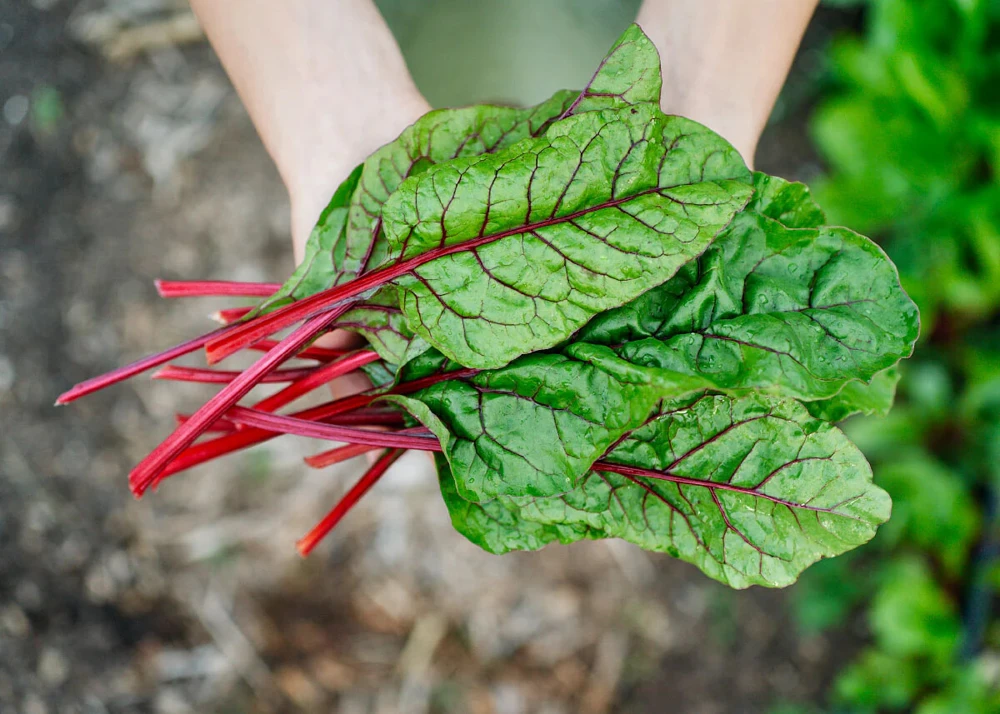
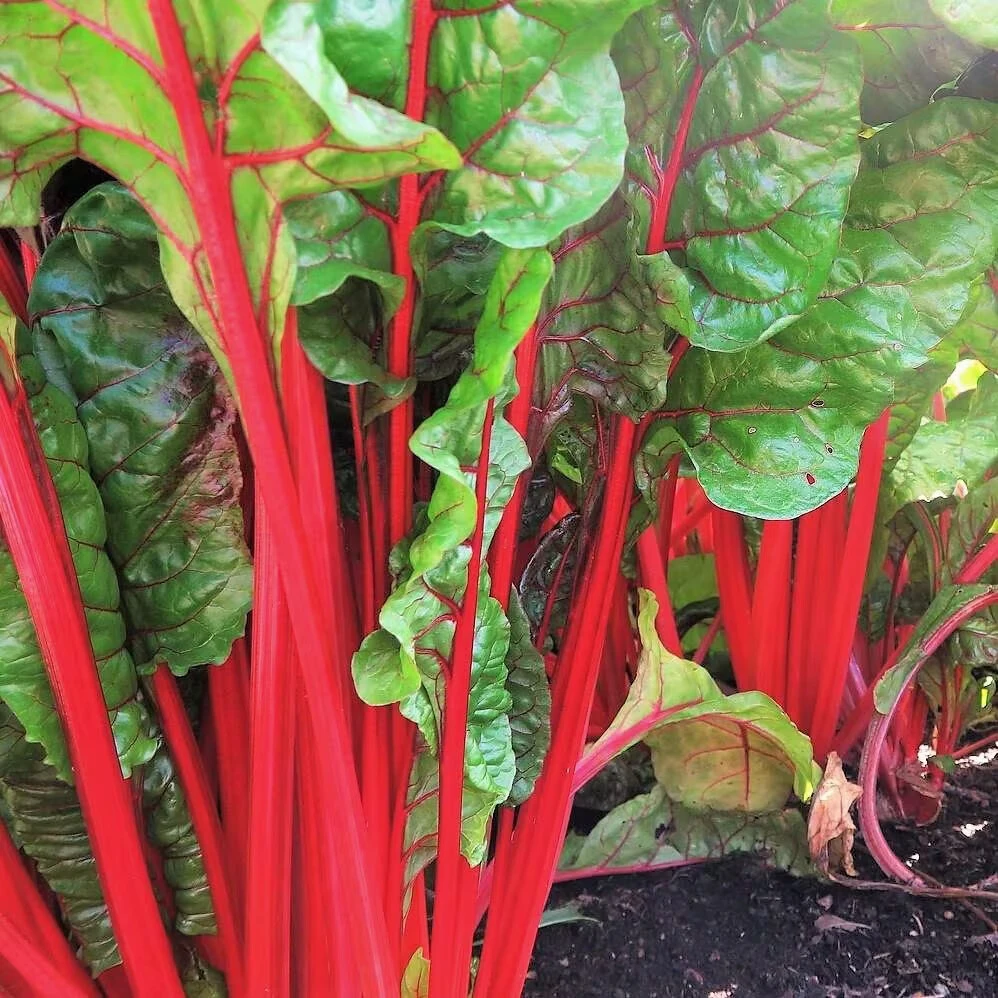
Rhubarb Swiss Chard Seeds – Heirloom Vegetable Seeds for Outdoor Growing
From 10.77 $
Cultivate delicious and colorful rhubarb swiss chard seeds in your home garden. This heirloom variety features striking bright red stems and lush green leaves, ideal for fresh salads or cooked dishes. Easy to grow outdoors, offering a continuous harvest from spring through fall.
Estimated arrival
Sep 18
Sep 23 - Sep 25
Sep 25 - Sep 30
See our Shipping Policy.
Get in touch with us via email, and our team will review your concerns.
Our Alive & Thrive Guarantee covers issues with your plants within the first 30 days. Read our Refund & Returns Policy.
-
USDA Hardiness Zone
Zones 3-12 -
Soil Type
Clay, Loam -
Sunlight Exposure
Full Sun -
Expected Planting Period
Spring, Summer, Fall
Overview
Discover the joy of growing your own vibrant vegetables with our premium rhubarb swiss chard seeds. This heirloom variety, scientifically known as Beta vulgaris cicla, is celebrated for its stunning appearance and delicious flavor. Unlike traditional chard, this type boasts beautiful bright red stalks that resemble rhubarb, providing an attractive addition to any garden bed or container. The lush green leaves offer a mild, earthy taste, making them a versatile ingredient for a wide range of culinary applications. Whether you’re an experienced gardener or just starting out, these heirloom chard seeds promise a rewarding and bountiful harvest.
Our rhubarb swiss chard seeds are perfect for those looking to add both beauty and nutrition to their garden. This robust plant is known for its ability to thrive in various climates, from cold to sub-tropical and temperate zones, making it a reliable choice for many regions. Enjoy fresh, homegrown chard throughout the spring, summer, and fall seasons, enriching your meals with vibrant color and essential nutrients. Experience the satisfaction of cultivating this easy-to-grow, clumping vegetable that adds both visual appeal and a healthy harvest to your outdoor space.
Key Benefits
Growing rhubarb swiss chard seeds offers numerous advantages for both your garden and your plate:
- Vibrant Visual Appeal: The striking bright red stems provide a beautiful contrast against the green leaves, making it an attractive edible ornamental for your garden beds or containers. This visual appeal makes it a standout among other garden greens.
- Nutrient-Rich Harvest: Swiss Chard is packed with vitamins A, C, and K, as well as essential minerals like magnesium, potassium, and iron. Incorporating this vegetable into your diet supports overall health and well-being.
- Versatile Culinary Use: Both the leaves and the stems are edible. The tender leaves are excellent in salads, stir-fries, or sautéed, while the slightly tougher stems can be cooked like asparagus or celery, offering a unique texture and flavor.
- Continuous Harvest: Once established, bright red swiss chard can be harvested repeatedly by picking the outer leaves, allowing the plant to continue producing new growth for an extended period throughout the growing season.
- Easy to Grow: Rated as ‘Easy’ in cultivating difficulty, these seeds are suitable for gardeners of all experience levels. They are forgiving and require minimal fuss, making gardening enjoyable and accessible.
- Adaptable to Various Climates: Thrives in a range of climates including cold, sub-tropical, and temperate zones, making it a reliable choice for diverse gardening environments across USDA Zones 3-12.
- Space-Efficient Growth: With its clumping growth habit, it makes efficient use of garden space, perfect for small gardens or container planting.
Plant Care & Growing Tips
To successfully grow swiss chard from seed, proper care is essential. Swiss Chard prefers a location with full sun, meaning it should receive at least 6 hours of direct sunlight per day. While it can tolerate partial shade, full sun promotes stronger growth and more vibrant stem coloration. For optimal growth, plant your rhubarb swiss chard seeds in well-draining soil. A soil type consisting of clay or loam is suitable, with a preferred pH range of 6.1 – 7.5. Good drainage is crucial to prevent root rot, so consider amending heavy clay soils with organic matter to improve aeration.
Watering should be consistent and medium, ensuring the soil remains evenly moist but not waterlogged. Deep watering is better than frequent shallow watering, as it encourages deeper root development. Swiss Chard is a relatively hungry plant, so regular feeding with a balanced organic fertilizer can promote vigorous growth and a continuous harvest. Planting time is estimated at 7 weeks, and it can be planted from early spring to late summer for successive harvests. This annual vegetable thrives in a variety of conditions, making it a dependable choice for many gardeners. Monitor for common pests like aphids and leaf miners, and address them promptly with organic pest control methods.
The beta vulgaris cicla seeds are hardy and can withstand cooler temperatures, but they also perform well in warmer conditions, especially if provided with consistent moisture. They are suitable for outdoor cultivation and are known for their easy cultivating difficulty. Ensure good air circulation around the plants to prevent fungal diseases. With proper care, your bright red swiss chard plants will provide you with a continuous supply of fresh, healthy greens throughout the growing season.
Size & Details
These rhubarb swiss chard seeds will mature into clumping plants with an upright growth habit, producing broad green leaves and distinctive bright red stems. While exact dimensions vary based on growing conditions, mature plants typically reach a height of 12-18 inches and a spread of 8-12 inches. The seeds are intended for outdoor cultivation and are known for their ease of growth. Expect to begin harvesting approximately 50-60 days after planting. This heirloom variety maintains its vibrant color and robust flavor throughout its life cycle, which is annual. The seeds are ideal for planting in USDA Hardiness Zones 3-12, demonstrating excellent adaptability. Each seed packet contains a generous quantity of high-quality seeds, ensuring a successful planting experience for your garden.
Frequently Asked Questions
- Q: How big does this plant get? A: Rhubarb swiss chard typically grows to a height of 12-18 inches with a spread of 8-12 inches. Its clumping growth habit makes it suitable for various garden sizes and containers.
- Q: Is this an indoor or outdoor plant? A: This Swiss Chard variety is best suited for outdoor cultivation. It thrives in garden beds and outdoor containers, preferring full sun exposure for optimal growth and color.
- Q: How much sunlight does it need? A: For best results, bright red swiss chard requires full sun, meaning at least 6 hours of direct sunlight per day. It can tolerate partial shade, but growth may be less vigorous.
- Q: Is this plant easy to care for? A: Yes, this variety of Swiss Chard is rated as having ‘Easy’ cultivating difficulty. It’s a forgiving plant, making it an excellent choice for beginner gardeners looking to grow swiss chard from seed.
- Q: What condition will the seeds arrive in? A: Your heirloom chard seeds will arrive in a protective packet, ensuring their viability and readiness for planting. They are carefully packaged to maintain quality during transit.
- Q: When is the best time to plant? A: The best time to plant these beta vulgaris cicla seeds is in early spring for a summer harvest, or late summer for a fall harvest. It can be planted about 7 weeks before the last frost.
- Q: Will it survive winter in my zone? A: Swiss Chard is an annual, meaning it completes its life cycle in one growing season. While it can tolerate light frosts, it typically does not survive harsh winters. It is suitable for USDA Zones 3-12 during its growing season.
- Q: Can I grow this in a container? A: Yes, its clumping growth habit makes rhubarb swiss chard an excellent candidate for container gardening. Ensure the container has good drainage and is large enough to accommodate the mature plant.
- Q: What kind of soil does it prefer? A: It prefers well-draining soil, ideally a mix of clay and loam, with a pH between 6.1 and 7.5. Good soil preparation is key for healthy growth.
- Q: How often should I water it? A: Water regularly to keep the soil consistently moist, especially during dry periods. Aim for medium watering, avoiding both drought and waterlogging.
| Seed Quantity | 10K Seeds Or 1/2 Lb, 1250 Seeds Or 1 Oz, 150 Seeds Or 1/8 Oz, 20K Seeds Or 1 Lb, 2500 Seeds Or 2 Oz, 35 Seeds, 5000 Seeds Or 1/4 Lb, 75 Seeds |
|---|
Be the first to review “Rhubarb Swiss Chard Seeds – Heirloom Vegetable Seeds for Outdoor Growing”
Related products

Vegetable Seeds
3000 White Boston Lettuce Seeds – Green Butterhead Vegetable, Lactuca Sativa, 6-12″ Tall

Vegetable Seeds
Tendersweet Carrot Seeds – 1500 Count, Deep Orange Red Vegetable


Vegetable Seeds
250 Barese Swiss Chard Seeds – Perpetual Spinach Beta Vulgaris Vegetable Seeds for Garden

Vegetable Seeds
Tendercrisp Celery Seeds – 1000 Count Vegetable Seeds for Garden

You May Like
5 Best Bulbs for Fall Planting: Brighten Your Garden This Spring
Are you dreaming of a garden full of vibrant colors in the spring? The key [...]
Aug
How to Repot Houseplants Like a Pro
Do your houseplants look like they’ve outgrown their pots? Are their roots popping out of [...]
Aug
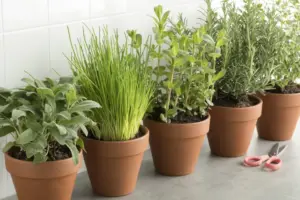
10 Houseplants That Will Thrive in Your Kitchen
Are you tired of your kitchen feeling dull and lifeless? Want to add a little [...]
Aug
Reviews
There are no reviews yet.