
Yellow Lupine Seeds – Whitewhorl Wildflower – Annual Flower Seeds
From 10.77 $
Cultivate stunning yellow lupine seeds to bring vibrant color and a touch of wild beauty to your garden. These annual wildflower seeds are easy to grow outdoors, attracting beneficial pollinators and thriving in various climates.
Estimated arrival
Sep 19
Sep 24 - Sep 26
Sep 26 - Oct 01
See our Shipping Policy.
Get in touch with us via email, and our team will review your concerns.
Our Alive & Thrive Guarantee covers issues with your plants within the first 30 days. Read our Refund & Returns Policy.
-
USDA Hardiness Zone
Zones 2-12 -
Soil Type
Peat, Sand, well-draining soil -
Sunlight Exposure
Full Sun -
Expected Planting Period
Fall, Spring, Summer
Overview
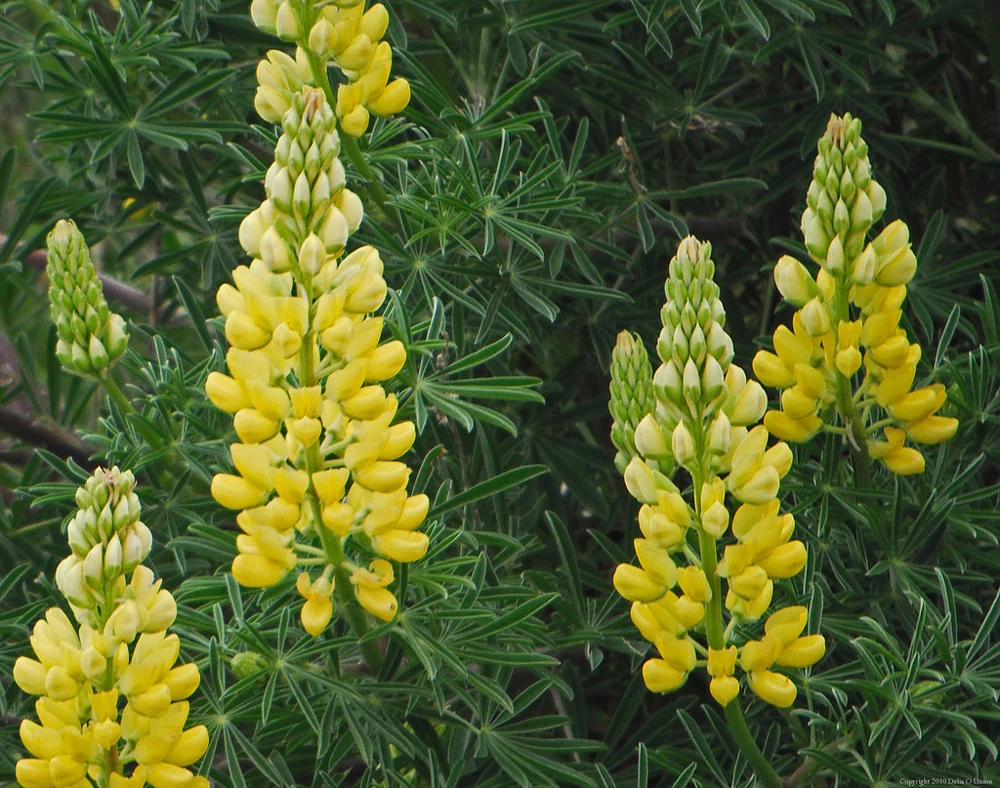
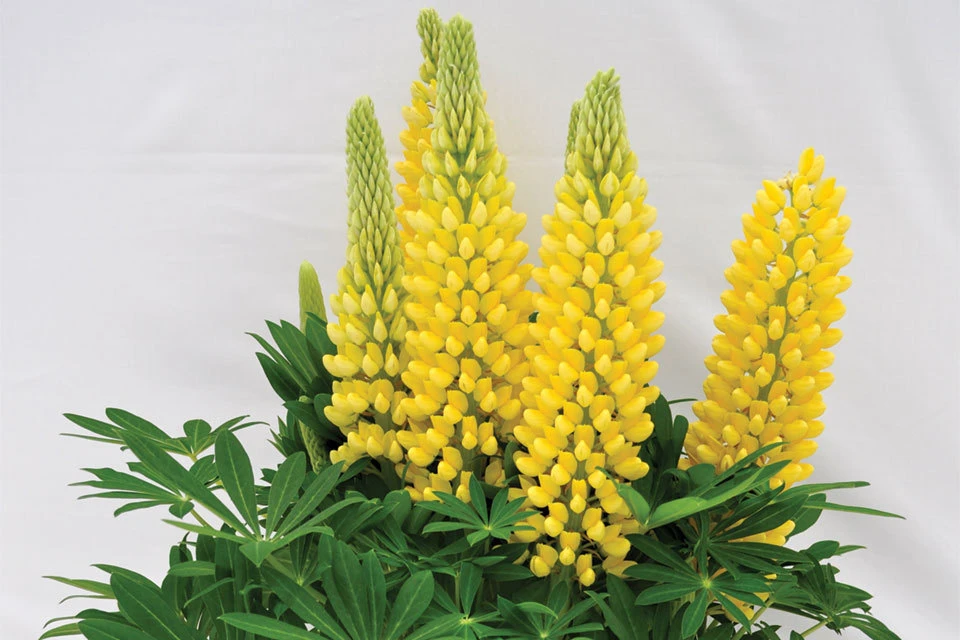
Transform your garden into a vibrant haven with these exquisite yellow lupine seeds. Known botanically as Lupinus densiflorus aureus, this beautiful annual wildflower, also commonly referred to as whitewhorl lupine, offers a spectacular display of bright yellow blooms. These easy-to-grow seeds are perfect for gardeners looking to add a splash of cheerful color and attract beneficial pollinators like bees and butterflies. Each seed promises the potential for a robust plant that will enhance your outdoor space with its distinctive flower spikes. Ideal for meadows, borders, or cottage gardens, the yellow lupine seeds provide a stunning visual impact throughout the growing season.
Our lupinus densiflorus aureus seeds are sourced to ensure high germination rates and vigorous growth. Whether you’re an experienced gardener or just starting, these seeds offer a rewarding cultivation experience. The natural beauty of these lupines makes them a fantastic choice for creating a naturalized look or for adding structure and height to your floral arrangements. Embrace the charm of wildflowers with these delightful yellow lupine varieties.
Key Benefits
Growing yellow lupine seeds offers numerous advantages for your garden and local ecosystem. These beautiful plants are not only aesthetically pleasing but also contribute to a healthier environment.
- Vibrant Yellow Blooms: Enjoy a spectacular display of bright yellow flowers that add cheerful color and visual interest to any garden setting. The tall, spiky inflorescences create a dramatic focal point.
- Attracts Pollinators: These lupines are a magnet for bees, butterflies, and other beneficial pollinators, helping to support local ecosystems and improve garden biodiversity. They provide a valuable nectar source.
- Easy to Grow: Known for their ease of cultivation, these annual wildflower seeds are an excellent choice for both beginner and experienced gardeners. They require minimal fuss once established, making gardening enjoyable.
- Native Wildflower: As a native wildflower, whitewhorl lupine adapts well to various conditions and contributes to the natural landscape. It’s a sustainable choice for ecological gardening.
- Soil Improvement: Like other legumes, lupines can help fix nitrogen in the soil, improving its fertility naturally over time. This makes them beneficial for crop rotation or enhancing garden beds.
- Versatile Garden Use: Perfect for wildflower meadows, garden borders, rock gardens, or container planting. Their upright growth habit makes them suitable for adding vertical appeal.
- Long Blooming Season: With proper care, these lupinus densiflorus aureus plants offer a prolonged blooming period, providing continuous color from spring through summer and into fall.
Plant Care & Growing Tips
Cultivating yellow lupine seeds successfully involves understanding their basic needs for sunlight, soil, and water. These annuals are generally low-maintenance but thrive with a little attention. For optimal growth, choose a location that receives full sun, meaning at least 6-8 hours of direct sunlight per day. Adequate sunlight is crucial for prolific flowering and strong plant development. While they can tolerate some partial shade, flowering may be less abundant.
When it comes to soil, whitewhorl lupine prefers well-draining conditions. A sandy or peaty soil type with a pH range of 5.6 to 7.5 is ideal. Good drainage is essential to prevent root rot, which lupines are susceptible to in overly wet conditions. Amend heavy clay soils with organic matter and sand to improve drainage. These plants are adaptable to a wide range of USDA Hardiness Zones, from 2 to 12, showcasing their resilience in various climates, from sub-tropical to temperate regions.
Watering should be medium, meaning the soil should be kept consistently moist but not waterlogged, especially during dry spells and while the plants are establishing. Once mature, lupines become more drought-tolerant. Fertilization is generally not heavily required, as lupines are nitrogen-fixers, but a light application of a balanced fertilizer in poor soils can encourage robust growth. Watch for common pests like aphids, and treat with organic insecticidal soap if necessary. Deadheading spent blooms will encourage more flowering throughout the season and prevent self-seeding if desired, ensuring your easy grow lupine continues to flourish.
Size & Details
These yellow lupine seeds will develop into annual plants that typically reach a height of 1-3 feet, with a similar spread, creating an impressive vertical display in your garden. The flowering spikes can be quite tall, adding significant architectural interest. Each seed packet contains a generous quantity of high-quality seeds, ensuring a good chance of successful germination and a vibrant planting. The plants have an annual life cycle, completing their growth, flowering, and seed production within one season, making them ideal for seasonal garden refreshes.
The seeds are best planted in the fall, spring, or summer, depending on your climate, to ensure a good growing season. Expect to see the beautiful yellow blooms appear throughout these seasons, providing continuous color and attracting pollinators. These lupinus densiflorus aureus are known for their relatively easy cultivating difficulty, making them accessible to gardeners of all skill levels. They are shipped as dry seeds, ready for planting upon arrival, offering a convenient way to start your wildflower garden.
Frequently Asked Questions
- Q: How big does this lupine plant get? A: These yellow lupine seeds will grow into plants that typically reach 1 to 3 feet in height, with a similar spread, creating a substantial presence in your garden.
- Q: Is this an indoor or outdoor plant? A: This whitewhorl lupine is an outdoor plant, best suited for garden beds, borders, and naturalized areas where it can receive ample sunlight and space to grow.
- Q: How much sunlight does it need? A: These lupines thrive in full sun, requiring at least 6-8 hours of direct sunlight per day for the best flowering performance and healthy growth.
- Q: Is this plant easy to care for? A: Yes, these easy grow lupine seeds are considered to have an easy cultivating difficulty, making them suitable for beginners and experienced gardeners alike. They are relatively low-maintenance once established.
- Q: What condition will the seeds arrive in? A: The product consists of dry yellow lupine seeds, carefully packaged to ensure freshness and viability upon arrival, ready for planting.
- Q: How long until it blooms? A: After planting, you can expect these annual lupines to begin blooming in the spring, summer, or fall, depending on your planting time, typically within a few months of germination.
- Q: What’s the best time to plant these seeds? A: The best seasons for planting these annual wildflower seeds are fall, spring, or summer. Fall planting allows for natural stratification, while spring and summer planting offers quicker germination.
- Q: What USDA Hardiness Zones are suitable for these lupines? A: These lupines are adaptable and can thrive across a broad range of USDA Hardiness Zones, specifically from Zone 2 to Zone 12, making them suitable for many different climates.
- Q: What kind of soil does this plant prefer? A: Lupinus densiflorus aureus prefers well-draining soil, ideally a mix of peat and sand, with a soil pH between 5.6 and 7.5. Good drainage is crucial to prevent root issues.
- Q: Do these lupines attract pollinators? A: Absolutely! These yellow lupine seeds produce flowers that are highly attractive to beneficial pollinators such as bees and butterflies, contributing to garden biodiversity.
| Seed Quantity | 1000 Seeds Or 1 Oz, 125 Seeds Or 1/8 Oz, 20 Seeds, 2000 Seeds Or 2 Oz, 250 Seeds Or 1/4 Oz, 4000 Seeds Or 1/4 Lb, 50 Seeds |
|---|
Be the first to review “Yellow Lupine Seeds – Whitewhorl Wildflower – Annual Flower Seeds”
Related products


Flower Seeds
Blue Stock Matthiola Incana Seeds – 50 Fragrant Gillyflower Seeds – Ten-Week Blue Stock


You May Like
5 Best Bulbs for Fall Planting: Brighten Your Garden This Spring
Are you dreaming of a garden full of vibrant colors in the spring? The key [...]
Aug
How to Repot Houseplants Like a Pro
Do your houseplants look like they’ve outgrown their pots? Are their roots popping out of [...]
Aug
10 Houseplants That Will Thrive in Your Kitchen
Are you tired of your kitchen feeling dull and lifeless? Want to add a little [...]
Aug
Reviews
There are no reviews yet.