
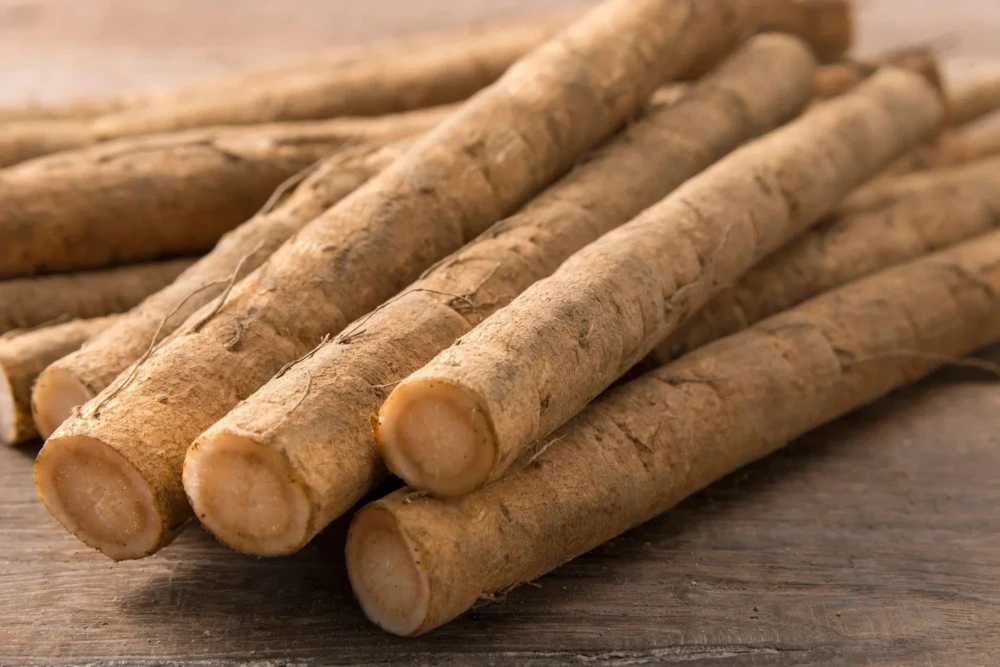
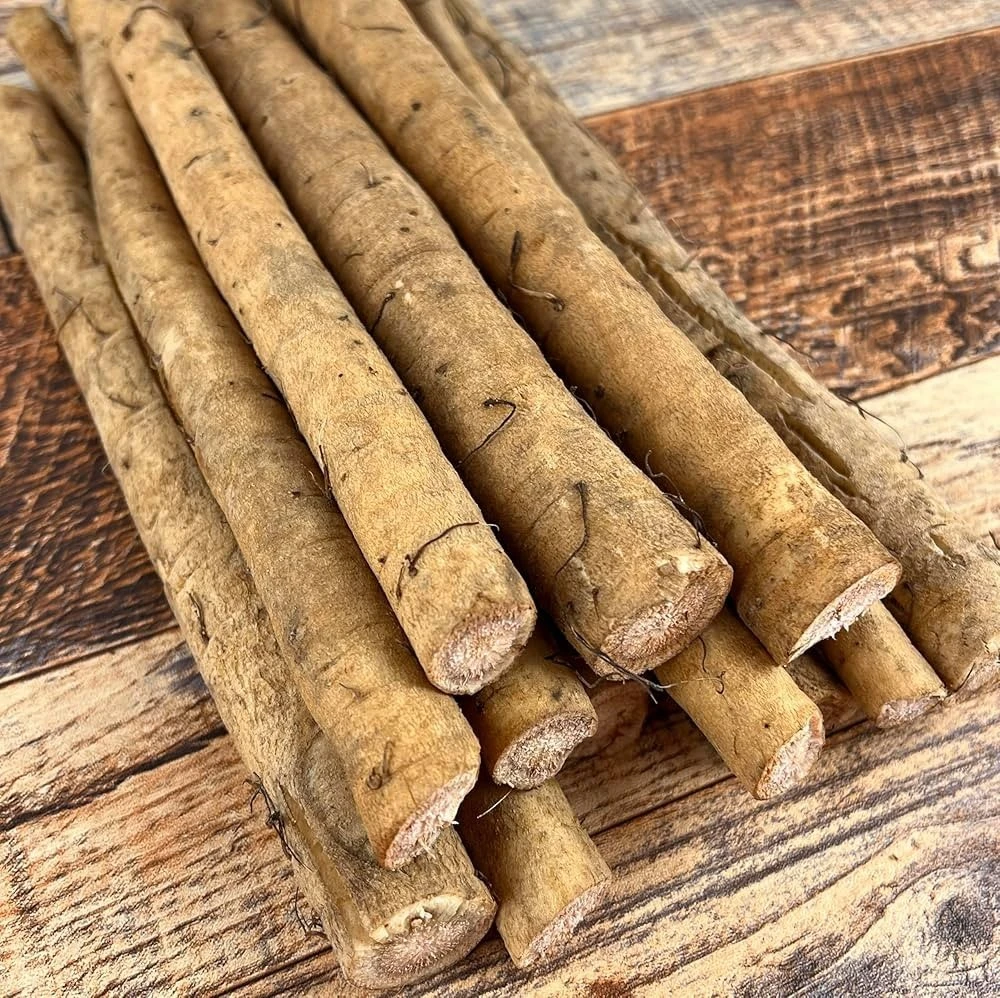
Burdock Seeds – Gobo Takinogawa Root Vegetable Seeds – Easy to Grow Biennial
From 11.49 $
Cultivate delicious and nutritious burdock seeds with our premium Gobo Takinogawa seeds. This biennial root vegetable, also known as Arctium lappa seeds, is renowned for its long taproots, perfect for culinary dishes and traditional uses. Enjoy an easy to grow seeds experience in your home garden.
Estimated arrival
Sep 19
Sep 24 - Sep 26
Sep 26 - Oct 01
See our Shipping Policy.
Get in touch with us via email, and our team will review your concerns.
Our Alive & Thrive Guarantee covers issues with your plants within the first 30 days. Read our Refund & Returns Policy.
-
USDA Hardiness Zone
Zones 4-10 -
Soil Type
Loose, Deep, Well-Drained Soil, Loam or Sandy Loam -
Sunlight Exposure
Full Sun -
Expected Planting Period
Spring, Summer, Fall
Overview
Discover the versatility and robust flavor of burdock seeds with our high-quality Gobo Takinogawa variety. These seeds promise to grow into impressive biennial plants, scientifically known as Arctium lappa ‘Gobo Takinogawa’, revered for their long, slender taproots. Often called ‘Beggar’s Buttons’ due to its unique burrs, Burdock is a popular root vegetable, especially in Asian cuisine, where the roots are known as Gobo. Growing your own gobo takinogawa seeds allows you to harvest fresh, tender roots directly from your garden, ensuring maximum freshness and nutritional value. This plant is well-suited for outdoor cultivation, thriving in a range of climates from cold to sub-tropical and temperate zones. Prepare to enrich your culinary adventures with this distinctive and rewarding root vegetable.
The burdock root vegetable is a staple for those seeking to incorporate unique textures and flavors into their diet. Its deep green leaves and branching stalks contribute to an attractive garden presence, culminating in the prized tan to light brown roots. With an easy cultivating difficulty, even novice gardeners can achieve success with these burdock seeds. Plant them in loose, deep, well-drained soil, such as loam or sandy loam, with a pH between 6.0 and 7.0 for optimal growth. The long, lengthy taproot is the star of the show, offering a satisfying harvest.
Key Benefits
Growing burdock seeds offers a multitude of benefits, from culinary delights to enriching your garden’s biodiversity. These seeds provide an opportunity to cultivate a unique and healthy vegetable right at home, making them an excellent choice for any gardener.
- Culinary Versatility: The Gobo Takinogawa root is a prized ingredient in many dishes, particularly stir-fries, soups, and stews. Its earthy flavor and crisp texture add a gourmet touch to your meals, making it a favorite for those who enjoy exploring diverse cuisines.
- Nutritional Value: Burdock root is known for being rich in dietary fiber, vitamins, and minerals. Incorporating this root into your diet can contribute to a healthy lifestyle, providing essential nutrients directly from your garden.
- Easy Cultivation: These burdock seeds are surprisingly easy to grow, making them suitable for gardeners of all experience levels. With proper soil and sunlight, you can expect a rewarding harvest from your gobo takinogawa seeds.
- Adaptable to Various Climates: Thriving in USDA Hardiness Zones 4-10, Burdock is resilient and can adapt to cold, sub-tropical, and temperate climates. This broad adaptability ensures that many gardeners across the US can successfully grow this root vegetable.
- Soil Improvement: The deep taproot of the Burdock plant helps to break up compacted soil, improving aeration and drainage. This natural process can benefit other plants in your garden by creating a healthier soil environment.
- Biennial Life Cycle: As a biennial, Burdock provides a harvest in its first year and then flowers and produces seeds in its second, offering a prolonged growing experience and the potential for seed saving.
- Unique Garden Addition: Beyond its edible roots, the Burdock plant with its deep green leaves and branching stalks adds an interesting textural element to your outdoor garden space, attracting beneficial insects.
Plant Care & Growing Tips
Successful cultivation of burdock seeds, particularly the Gobo Takinogawa variety, hinges on providing the right conditions. This biennial plant thrives outdoors and requires specific care to develop its prized long taproots. For best results, consider the climate and soil preparation carefully before planting your gobo takinogawa seeds. The ideal planting time is typically in the spring or fall, allowing the roots to develop fully before harvest.
Sunlight and Watering: Burdock prefers full sun exposure, meaning it needs at least 6-8 hours of direct sunlight daily to flourish. Consistent watering is crucial, especially during dry spells, to encourage deep root development. The soil should be kept consistently moist but not waterlogged, as good drainage is essential. Medium watering is generally recommended. Soil Requirements: The quality of your soil is paramount for growing long, straight Burdock roots. Loose, deep, well-drained soil, ideally loam or sandy loam, is necessary. The soil pH should be between 6.0 and 7.0. Before planting, amend heavy clay soils with organic matter to improve texture and drainage. Temperature and Hardiness: Burdock is hardy in USDA Zones 4-10, making it suitable for a wide range of climates. It can tolerate cold, sub-tropical, and temperate conditions. While the roots are harvested in the first year, the plant will overwinter and flower in its second year. Fertilization: A balanced, all-purpose fertilizer can be applied during the growing season, particularly if your soil is poor. However, too much nitrogen can lead to excessive leaf growth at the expense of root development. Pest and Disease Management: Burdock is generally robust and not prone to many pests or diseases. Good air circulation and proper watering practices can help prevent common fungal issues. Monitor for common garden pests and address them promptly with organic solutions if needed. These easy to grow seeds are quite resilient.
Size & Details
Our burdock seeds are specifically the ‘Gobo Takinogawa’ variety, known for producing exceptionally long and straight taproots. These biennial plants typically develop deep green leaves and branching stalks in their second year. The roots themselves will mature to a tan to light brown color. This variety is celebrated for its ‘Long, Lengthy Taproot’ feature, making it a desirable choice for culinary enthusiasts. The expected planting time to harvest is approximately 15-17 weeks for optimal root development. Burdock is an outdoor plant that thrives in full sun conditions.
The plant’s life cycle is biennial, meaning it grows foliage and roots in the first year and flowers and seeds in the second. It is classified as a root type vegetable, with the primary harvest being the underground taproot. The cultivating difficulty is rated as easy, making these burdock seeds accessible for most gardeners. It is hardy in USDA Hardiness Zones 4-10, showcasing its adaptability to various climates. The roots are best harvested when they reach a good size, providing ample material for cooking. This product provides the means to grow your own fresh burdock root vegetable.
Frequently Asked Questions
- Q: How big does this plant get? A: The Burdock plant (Gobo Takinogawa) typically grows deep green leaves and branching stalks. The main harvest is the taproot, which can grow quite long and slender, often reaching significant lengths when grown in ideal soil conditions.
- Q: What size pot does it come in? A: This product consists of burdock seeds, not a potted plant. You will receive a packet of seeds to start your own plants in your garden or preferred containers.
- Q: Is this an indoor or outdoor plant? A: Burdock (Gobo Takinogawa) is primarily an outdoor plant. It requires full sun exposure and ample space for its taproot to develop properly, making it unsuitable for most indoor growing environments.
- Q: How much sunlight does it need? A: For optimal growth and root development, Burdock requires full sun, meaning at least 6-8 hours of direct sunlight per day. Adequate sunlight is crucial for a healthy harvest of the burdock root vegetable.
- Q: Is this plant easy to care for? A: Yes, the cultivating difficulty for Burdock is rated as easy. With proper soil preparation, sunlight, and consistent watering, even beginner gardeners can successfully grow these easy to grow seeds.
- Q: Is it good for beginners? A: Absolutely! The relatively low maintenance and robust nature of Burdock make it an excellent choice for beginners looking to try growing root vegetables from burdock seeds.
- Q: What condition will it arrive in? A: Your purchase will arrive as a packet of high-quality gobo takinogawa seeds, ready for planting. They are carefully packaged to ensure their viability and freshness upon arrival.
- Q: When is the best time to plant? A: The best time to plant Burdock seeds is typically in the spring after the last frost, or in late summer/early fall in warmer climates. This allows the roots to grow steadily.
- Q: How long until it blooms? A: Burdock is a biennial plant. It will grow its roots and foliage in the first year. If left in the ground, it will flower and produce seeds in its second year, typically in the summer.
- Q: Will it survive winter in my zone? A: Burdock is hardy in USDA Hardiness Zones 4-10. In these zones, the roots can typically overwinter in the ground, especially with some mulch for protection in colder areas.
- Q: What’s the minimum temperature? A: While mature plants can tolerate some cold, newly germinated seedlings are more sensitive. Generally, Burdock thrives in a range of temperatures associated with zones 4-10, from cold to temperate.
| Seed Quantity | 30 Seeds Or 1/2 Gram, 65 Seeds Or 1 Gram |
|---|
Be the first to review “Burdock Seeds – Gobo Takinogawa Root Vegetable Seeds – Easy to Grow Biennial”
Related products


Vegetable Seeds
Tendersweet Carrot Seeds – 1500 Count, Deep Orange Red Vegetable


Vegetable Seeds
250 Barese Swiss Chard Seeds – Perpetual Spinach Beta Vulgaris Vegetable Seeds for Garden

You May Like
5 Best Bulbs for Fall Planting: Brighten Your Garden This Spring
Are you dreaming of a garden full of vibrant colors in the spring? The key [...]
Aug
How to Repot Houseplants Like a Pro
Do your houseplants look like they’ve outgrown their pots? Are their roots popping out of [...]
Aug
10 Houseplants That Will Thrive in Your Kitchen
Are you tired of your kitchen feeling dull and lifeless? Want to add a little [...]
Aug
Reviews
There are no reviews yet.