
Cardoon Seeds – Artichoke Thistle Seeds – Variety Packets – Outdoor
From 10.77 $
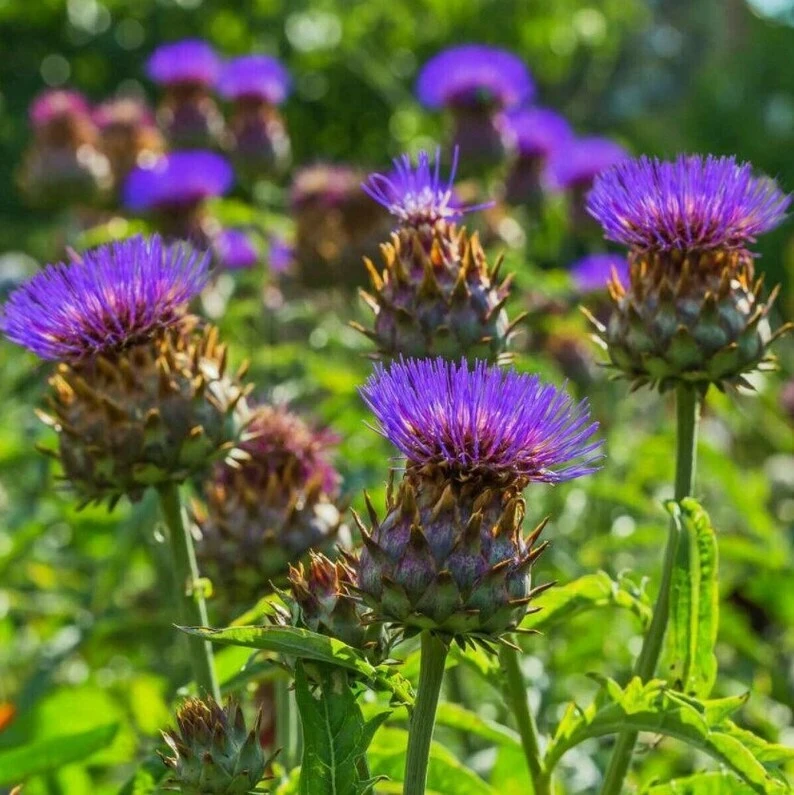
Cultivate your own gourmet cardoon seeds with these premium artichoke thistle seeds. Ideal for outdoor gardens, these seeds produce beautiful, clumping plants with a unique artichoke flavor in their stalks. Perfect for gardeners looking to grow cardoon for culinary use and ornamental appeal.
Estimated arrival
Sep 18
Sep 23 - Sep 25
Sep 25 - Sep 30
See our Shipping Policy.
Get in touch with us via email, and our team will review your concerns.
Our Alive & Thrive Guarantee covers issues with your plants within the first 30 days. Read our Refund & Returns Policy.
-
USDA Hardiness Zone
Zones 6-12 (Perennial in 7-11, Annual in cooler zones) -
Soil Type
Moist, well-drained sandy to clay loam -
Sunlight Exposure
Full Sun -
Expected Planting Period
Spring, Summer, Fall
Overview
Embark on a delightful gardening journey with our premium cardoon seeds. These exceptional seeds allow you to cultivate the majestic Cynara cardunculus, commonly known as cardoon or globe artichoke thistle, directly in your garden. Renowned for its striking architectural presence and distinctive culinary stalks, cardoon is a fantastic addition to both edible landscapes and ornamental borders. Our artichoke thistle seeds are carefully selected to ensure high germination rates, providing you with a robust start to growing this fascinating plant. Whether you’re an experienced gardener or just beginning to grow cardoon, these seeds offer an opportunity to enjoy a truly unique vegetable with a rich history and a flavorful future.
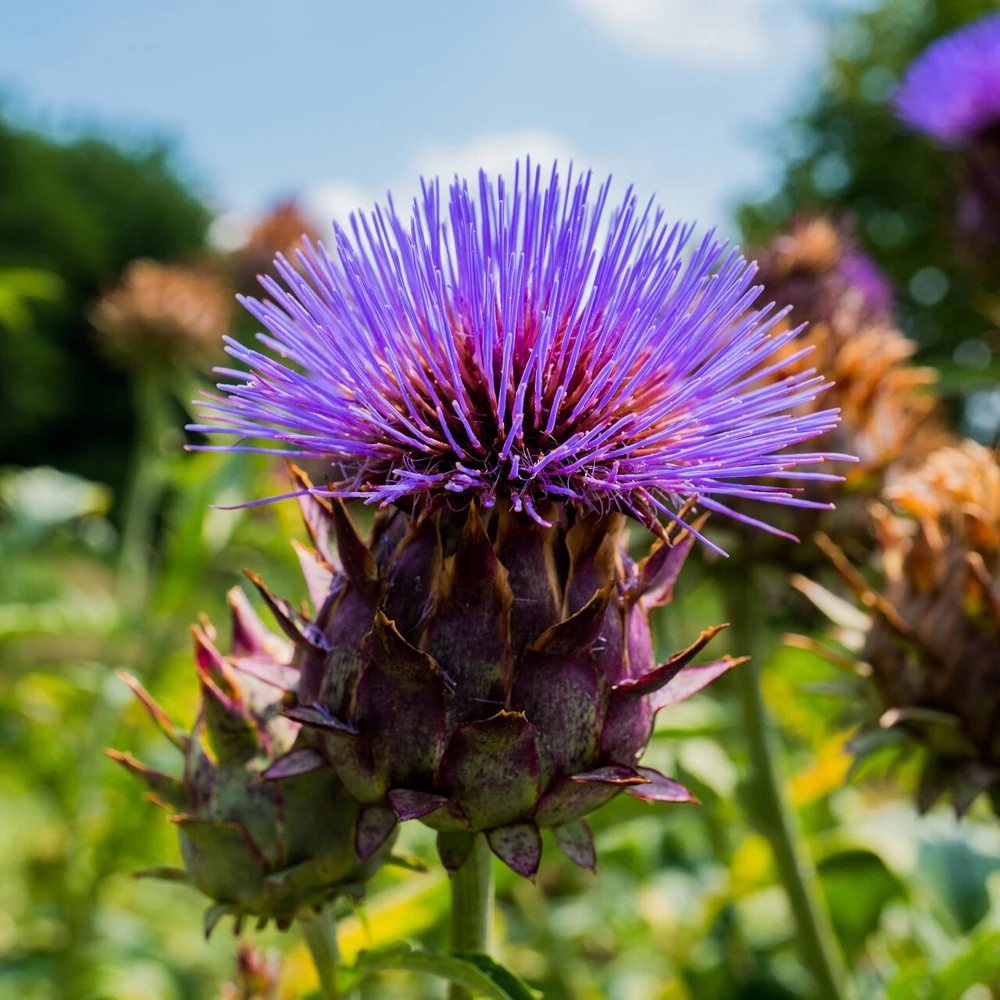
Cardoon is a close relative of the artichoke, prized not for its flower buds, but for its thick, edible leaf stalks. These stalks offer a unique, slightly bitter, and nutty flavor that is highly valued in Mediterranean cuisine. Beyond its culinary applications, the cardoon plant presents a dramatic visual appeal with its silvery-green, deeply lobed leaves and thistle-like violet-blue flowers, making it a focal point in any garden setting. With our cardoon seeds, you can easily introduce this versatile and beautiful plant into your home garden.
Key Benefits
Growing cardoon from seed offers numerous advantages for the home gardener. These seeds promise a rewarding experience, yielding both a gourmet vegetable and a stunning ornamental plant. Discover the many benefits of cultivating cardoon seeds in your outdoor space:
-
Unique Culinary Delicacy: Enjoy the distinctive, slightly bitter, and nutty flavor of cardoon stalks, a prized ingredient in many Mediterranean dishes. Blanched cardoon stalks can be fried, braised, or added to stews, offering a unique taste profile not found in common vegetables.
-
Striking Ornamental Value: The large, silvery-green, deeply cut leaves and tall, thistle-like violet-blue flowers provide a dramatic architectural element to any garden. Cardoon makes an excellent backdrop or specimen plant, adding texture and height.
-
Attracts Pollinators: The beautiful violet-blue flowers are highly attractive to bees and other beneficial pollinators, contributing to a healthy garden ecosystem and supporting biodiversity.
-
Relatively Low Maintenance: Once established, cardoon plants are quite resilient and require minimal ongoing care, especially in suitable climates. This makes them a great choice for gardeners seeking impactful plants without constant attention.
-
Adaptable Growth: While often grown as an annual in cooler climates, cardoon can be a perennial in warmer USDA Zones 7-11, offering years of harvest and beauty from a single planting of artichoke thistle seeds.
-
Health Benefits: Like its artichoke cousin, cardoon is rich in dietary fiber, vitamins, and minerals, making it a healthy addition to your diet.
-
Sustainable Gardening: Growing your own edible thistle seeds reduces your carbon footprint and provides fresh, organic produce right from your backyard.
Plant Care & Growing Tips
To successfully grow cardoon, understanding its specific care requirements is key. These plants thrive with proper attention to sunlight, soil, and watering. Cardoon prefers a location that receives full sun, meaning at least 6-8 hours of direct sunlight per day. Adequate sunlight is crucial for healthy growth and stalk development. In terms of climate, cardoon can be grown as an annual in cooler regions or as a perennial in USDA Hardiness Zones 7-11, where it can return year after year. The plant exhibits a clumping growth habit, so ensure ample space for its mature size.
The ideal soil for cardoon is moist, well-drained sandy to clay loam with a pH between 6.5 and 8.0. Good drainage is paramount to prevent root rot. Before planting your cardoon seeds, amend heavy clay soils with organic matter to improve aeration and drainage. Regular watering is necessary, especially during dry spells, to keep the soil consistently moist but not waterlogged. Medium watering is generally sufficient. Fertilize with a balanced organic fertilizer every 4-6 weeks during the growing season to support vigorous growth. Blaching the stalks, which involves wrapping them to exclude light, is a traditional practice to tenderize them and reduce bitterness before harvest.
Watch out for common garden pests like aphids and slugs, and address them with organic pest control methods if necessary. Ensure good air circulation around the plants to prevent fungal diseases. With these guidelines, you’ll be well on your way to a bountiful harvest of delicious cardoon stalks. Proper cardoon plant care ensures a healthy, productive plant that will be a highlight in your garden.
Size & Details
These cardoon seeds are supplied in variety size packets, providing a flexible quantity to suit your gardening needs. The mature cardoon plant typically reaches an impressive height of 3-5 feet and can spread 2-3 feet wide, forming a substantial clumping habit. While grown as an annual in cooler climates, it can be a perennial in USDA Hardiness Zones 7-11, returning each year from its rootstock. The unique artichoke flavor is found in the blanched stalks, which are ready for harvest in the fall, spring, or summer depending on planting time and climate. Expect to see germination within 7-14 days under optimal conditions, with plants maturing for harvest in approximately 120-150 days.
The seeds are ready for planting in spring after the last frost or in late summer for an overwintering crop in milder regions. Each packet contains high-quality artichoke thistle seeds, ensuring you have a good start to cultivating this distinctive plant. The violet-blue flowers add a splash of color to the garden, enhancing its aesthetic appeal. With appropriate cardoon plant care, you can enjoy multiple harvests throughout the growing season, making it a truly rewarding plant for the home gardener.
Frequently Asked Questions
-
Q: How big does the cardoon plant get? A: A: Cardoon typically grows to an impressive height of 3-5 feet and can spread about 2-3 feet wide, forming a substantial clumping plant. It makes a great architectural statement in the garden.
-
Q: Is this an indoor or outdoor plant? A: Cardoon is an outdoor plant that thrives in full sun conditions. While it can be started indoors, it needs to be transplanted outside to reach its full potential and produce edible stalks.
-
Q: How much sunlight does cardoon need? A: Cardoon requires full sun, which means at least 6-8 hours of direct sunlight per day, for optimal growth and stalk development. Plenty of light is essential for healthy cardoon seeds to grow into robust plants.
-
Q: Is this plant easy to care for? A: Cardoon is considered moderately easy to care for. Once established, it is quite resilient, but it does require consistent watering, good drainage, and proper blanching if you intend to harvest the stalks for culinary use. Following good cardoon plant care practices will ensure success.
-
Q: What condition will the seeds arrive in? A: The cardoon seeds will arrive as dry, viable seeds, carefully packaged to ensure their quality and readiness for planting. They are not pre-germinated or potted.
-
Q: When is the best time to plant cardoon seeds? A: The best time to plant artichoke thistle seeds is in early spring after the last frost for a summer/fall harvest, or in late summer in mild climates for an overwintering crop. This allows the plants to establish before extreme temperatures.
-
Q: Can I use cardoon in cooking? A: Absolutely! Cardoon stalks are a gourmet vegetable. They have a unique, slightly bitter, and nutty flavor, similar to artichokes. They are delicious when blanched, then braised, fried, or added to soups and stews. This is why many gardeners choose to grow cardoon.
-
Q: What USDA Hardiness Zones are suitable for cardoon? A: Cardoon can be grown as an annual in cooler climates. As a perennial, it thrives in USDA Hardiness Zones 7-11. In colder zones, it can be grown as an annual or protected during winter.
-
Q: What kind of soil does cardoon prefer? A: Cardoon prefers moist, well-drained soil with a sandy to clay loam texture. A soil pH between 6.5 and 8.0 is ideal for healthy growth. Good drainage is crucial to prevent root issues when you grow cardoon.
-
Q: What are the benefits of growing edible thistle seeds? A: Growing edible thistle seeds like cardoon allows you to enjoy a unique, gourmet vegetable with a distinctive flavor, adds a striking ornamental plant to your garden, attracts pollinators, and provides a rewarding gardening experience. It’s a versatile plant with both culinary and aesthetic appeal.
| Seed Amount | 11K Seeds Or 1 Lb, 1400 Seeds Or 2 Oz, 175 Seeds Or 1/4 Oz, 25 Seeds Or 1 Gram, 2800 Seeds Or 1/4 Lb, 350 Seeds Or 1/2 Oz, 50 Seeds Or 2 Grams, 5500 Seeds Or 1/2 Lb, 700 Seeds Or 1 Oz, 90 Seeds Or 1/8 Oz |
|---|
Be the first to review “Cardoon Seeds – Artichoke Thistle Seeds – Variety Packets – Outdoor”
Related products


Vegetable Seeds
Hanover Salad Kale Seeds – 1000 Smooth Siberian Vegetable Seeds


You May Like
5 Best Bulbs for Fall Planting: Brighten Your Garden This Spring
Are you dreaming of a garden full of vibrant colors in the spring? The key [...]
Aug
How to Repot Houseplants Like a Pro
Do your houseplants look like they’ve outgrown their pots? Are their roots popping out of [...]
Aug
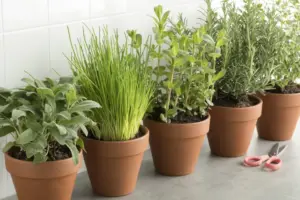
10 Houseplants That Will Thrive in Your Kitchen
Are you tired of your kitchen feeling dull and lifeless? Want to add a little [...]
Aug
Reviews
There are no reviews yet.