
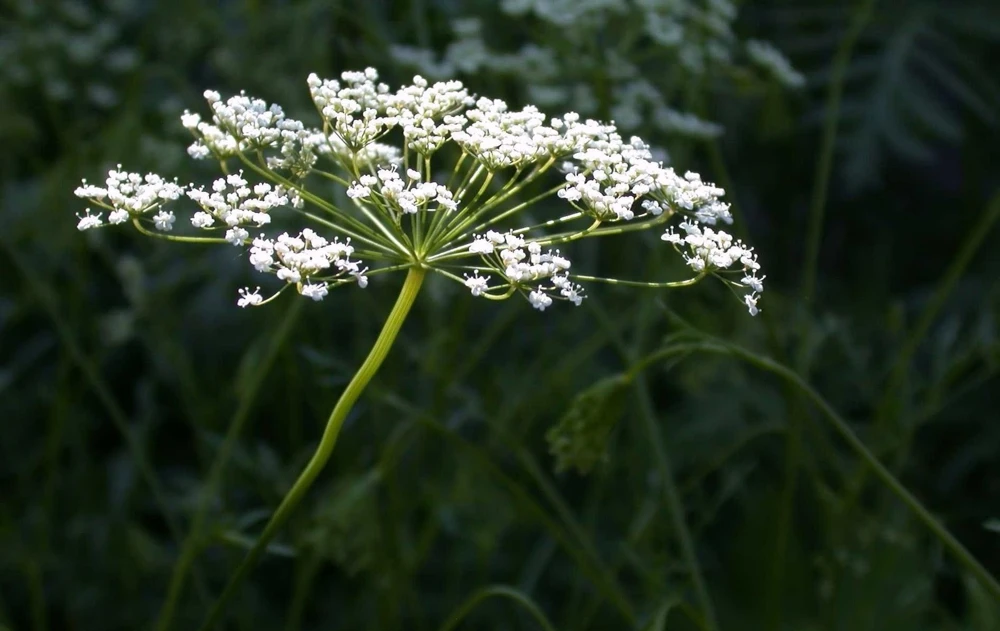
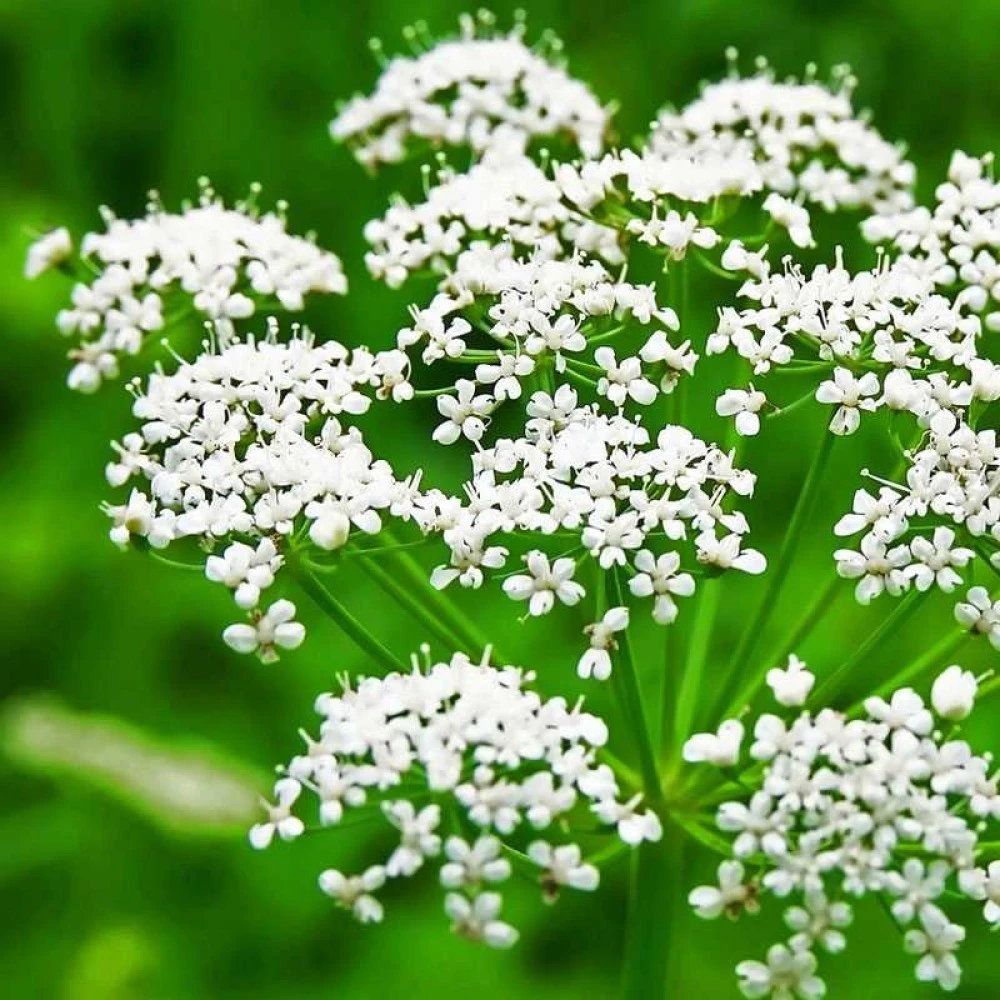
Anise Herb Seeds – Heirloom Licorice Herb Seeds – Grow Pimpinella anisum
From 10.77 $
Cultivate your own aromatic and flavorful anise herb seeds with these high-quality heirloom seeds. Perfect for culinary applications, these seeds will produce plants with a delightful licorice-like taste. Easy to grow in various climates, adding a unique touch to your garden.
Estimated arrival
Sep 19
Sep 24 - Sep 26
Sep 26 - Oct 01
See our Shipping Policy.
Get in touch with us via email, and our team will review your concerns.
Our Alive & Thrive Guarantee covers issues with your plants within the first 30 days. Read our Refund & Returns Policy.
-
USDA Hardiness Zone
Zones 4-12 -
Soil Type
Loam, Sand (well-draining) -
Sunlight Exposure
Full Sun, Partial Shade -
Expected Planting Period
Spring after last frost
Overview
Discover the joy of growing your own aromatic herbs with our premium anise herb seeds. These heirloom seeds promise to bring the distinctive, sweet licorice flavor of Anise (Pimpinella anisum) directly to your garden. Known by various common names such as Anniseed, Sweet Cumin, Anise Burnet, and Saxifrage, Anise is a versatile herb cherished for both its culinary and aromatic properties. Whether you’re an experienced gardener or just starting out, cultivating anise herb seeds is a rewarding experience, providing fresh ingredients for cooking, teas, and even natural remedies. Our seeds are selected for their viability and genetic purity, ensuring a robust and healthy crop in your home garden.
Anise has been cultivated for centuries, valued for its unique taste profile that resembles licorice. The delicate leaves, flavorful seeds, and even the roots can be used in a variety of dishes, from baked goods and desserts to savory stews and liqueurs. Growing anise herb seeds allows you to enjoy this ancient spice in its freshest form, free from additives or artificial flavors. This particular variety is an heirloom, meaning it has been passed down through generations for its superior characteristics and consistent performance. Prepare to transform your garden into a fragrant haven with these exceptional seeds.
Key Benefits
Growing Anise from seed offers a multitude of benefits, enhancing both your garden and your kitchen. These anise herb seeds are an excellent choice for anyone looking to add a unique and flavorful herb to their collection.
- Distinctive Flavor and Aroma: Anise plants are celebrated for their strong, sweet licorice-like flavor and aroma. This makes them an indispensable ingredient in various cuisines, perfect for adding a unique twist to bread, cookies, liqueurs, and even savory dishes.
- Culinary Versatility: From seasoning meats and vegetables to flavoring candies and beverages, the seeds and leaves of Anise are incredibly versatile. Having fresh Anise from your garden means you always have access to this delightful spice.
- Heirloom Quality: Our heirloom anise herb seeds ensure genetic stability and true-to-type plants, allowing you to save seeds for future plantings and preserve this cherished variety.
- Attracts Pollinators: The delicate white flowers of the Anise plant are attractive to beneficial insects like bees and butterflies, contributing to a healthy and vibrant garden ecosystem.
- Ease of Cultivation: Anise is relatively easy to grow, making it suitable for gardeners of all skill levels. With proper care, these seeds will germinate and grow into thriving plants.
- Aesthetic Appeal: Beyond its culinary uses, Anise also adds a graceful, feathery texture to garden beds or herb containers, making it a beautiful addition to your outdoor space.
Plant Care & Growing Tips
Successful cultivation of anise herb seeds begins with understanding their specific needs. Anise thrives in a warm, sunny environment and well-drained soil. When planting, choose a site that receives at least 6-8 hours of full sun daily. While Anise can tolerate partial shade, abundant sunlight encourages stronger growth and more flavorful seeds. For optimal germination, sow seeds directly into the garden after the last frost, as Anise dislikes transplanting. Lightly cover the seeds with about 1/4 inch of fine soil and keep consistently moist until germination, which typically occurs within 7-14 days.
The ideal soil for Anise is a well-draining loam or sandy soil with a pH between 5.5 and 7.6. Good drainage is crucial to prevent root rot. If your soil is heavy clay, amend it with organic matter like compost or sand to improve its structure. Anise is a light waterer, preferring consistently moist but not waterlogged soil. Water deeply when the top inch of soil feels dry to the touch, and reduce watering as the plants mature, especially when seeds are forming. Anise is generally low-maintenance regarding fertilization; a balanced, all-purpose fertilizer can be applied sparingly if soil nutrients are poor. For those wondering how to grow anise from seed, these guidelines provide a solid foundation for a successful harvest. These plants are hardy in USDA Zones 4-12, thriving in sub-tropical and temperate climates.
Protect young plants from strong winds, as their delicate stems can be prone to breakage. Pests are rarely a major issue for Anise, but keep an eye out for aphids or spider mites, treating them with insecticidal soap if necessary. Harvesting the leaves can begin as soon as the plant is established, but for the seeds, wait until the flower heads turn brown and dry. Cut the entire stalk and hang it upside down in a paper bag to catch the falling seeds. This ensures you get the best yield from your heirloom anise seeds.
Size & Details
These anise herb seeds will grow into plants typically reaching a height of 18-24 inches (45-60 cm) tall with a spread of about 12 inches (30 cm). The plant produces delicate, feathery green foliage and small, white, umbrella-like flower clusters that eventually develop into the prized Anise seeds. The growth rate is moderate, with plants typically maturing and producing seeds within 90-120 days from planting. Each packet contains a generous quantity of seeds, ensuring ample opportunity for successful germination and a bountiful harvest. You can expect to grow anise from seed that will provide a continuous supply of fresh herbs throughout the growing season.
The seeds are small, oblong, and grayish-brown, possessing the characteristic licorice scent even before planting. They are ideal for direct sowing in your garden or in containers large enough to accommodate the mature plant’s root system. Anise is an annual herb, completing its life cycle within one growing season. However, it can self-seed in favorable conditions, allowing for continuous harvests in subsequent years. This makes it an excellent choice for a productive and self-sustaining herb garden, and a perfect addition for anyone looking for licorice herb seeds.
Frequently Asked Questions
- Q: How big does the Anise plant get? A: Anise plants typically grow to a height of 18-24 inches (45-60 cm) tall and have a spread of about 12 inches (30 cm). The size can vary slightly depending on growing conditions and climate.
- Q: Is Anise an indoor or outdoor plant? A: Anise is primarily grown as an outdoor plant in garden beds or containers, as it requires full sun for optimal growth and seed production. It can be started indoors and transplanted, but direct sowing outdoors is often preferred.
- Q: How much sunlight does Anise need? A: Anise thrives in full sun, requiring at least 6-8 hours of direct sunlight per day. While it can tolerate partial shade, more sun generally leads to healthier plants and a better seed yield.
- Q: Is growing Anise from seed easy for beginners? A: Yes, growing anise herb seeds is considered relatively easy for beginners. Its main requirements are full sun, well-draining soil, and consistent moisture, making it a forgiving herb to cultivate.
- Q: What condition will the seeds arrive in? A: Your anise herb seeds will arrive securely packaged, ensuring their viability and readiness for planting. They are carefully selected to provide you with the best chance of successful germination.
- Q: When is the best time to plant Anise seeds? A: The best time to plant Anise seeds is in the spring, after the danger of the last frost has passed. This allows the plants to establish themselves in warm soil and mature before the end of the growing season.
- Q: What’s the minimum temperature Anise can tolerate? A: Anise is an annual and thrives in warm temperatures. It is generally hardy in USDA Zones 4-12, but as an annual, it will complete its life cycle before cold weather sets in. It is not frost-tolerant.
- Q: Can I use pimpinella anisum seeds in cooking? A: Absolutely! The seeds of Pimpinella anisum are widely used in cooking and baking for their distinctive licorice-like flavor. They are excellent in pastries, bread, curries, and various beverages.
- Q: Do Anise plants attract pollinators? A: Yes, the small, white flowers of the Anise plant are known to attract beneficial pollinators such as bees and butterflies to your garden, contributing to biodiversity.
- Q: How do I harvest licorice herb seeds? A: Harvest Anise seeds when the flower heads turn brown and dry. Cut the entire stalk and hang it upside down in a paper bag in a cool, dry place to collect the mature seeds as they fall.
| Seed Amount | 12K Seeds Or 1 Oz, 1500 Seeds Or 1/8 Oz, 192K Seeds Or 1 Lb, 200 Seeds, 24K Seeds Or 2 Oz, 3000 Seeds Or 1/4 Oz, 400 Seeds, 48K Seeds Or 1/4 Lb, 96K Seeds Or 1/2 Lb |
|---|
Be the first to review “Anise Herb Seeds – Heirloom Licorice Herb Seeds – Grow Pimpinella anisum”
Related products


You May Like
5 Best Bulbs for Fall Planting: Brighten Your Garden This Spring
Are you dreaming of a garden full of vibrant colors in the spring? The key [...]
Aug
How to Repot Houseplants Like a Pro
Do your houseplants look like they’ve outgrown their pots? Are their roots popping out of [...]
Aug
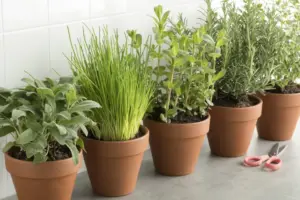
10 Houseplants That Will Thrive in Your Kitchen
Are you tired of your kitchen feeling dull and lifeless? Want to add a little [...]
Aug
Reviews
There are no reviews yet.