
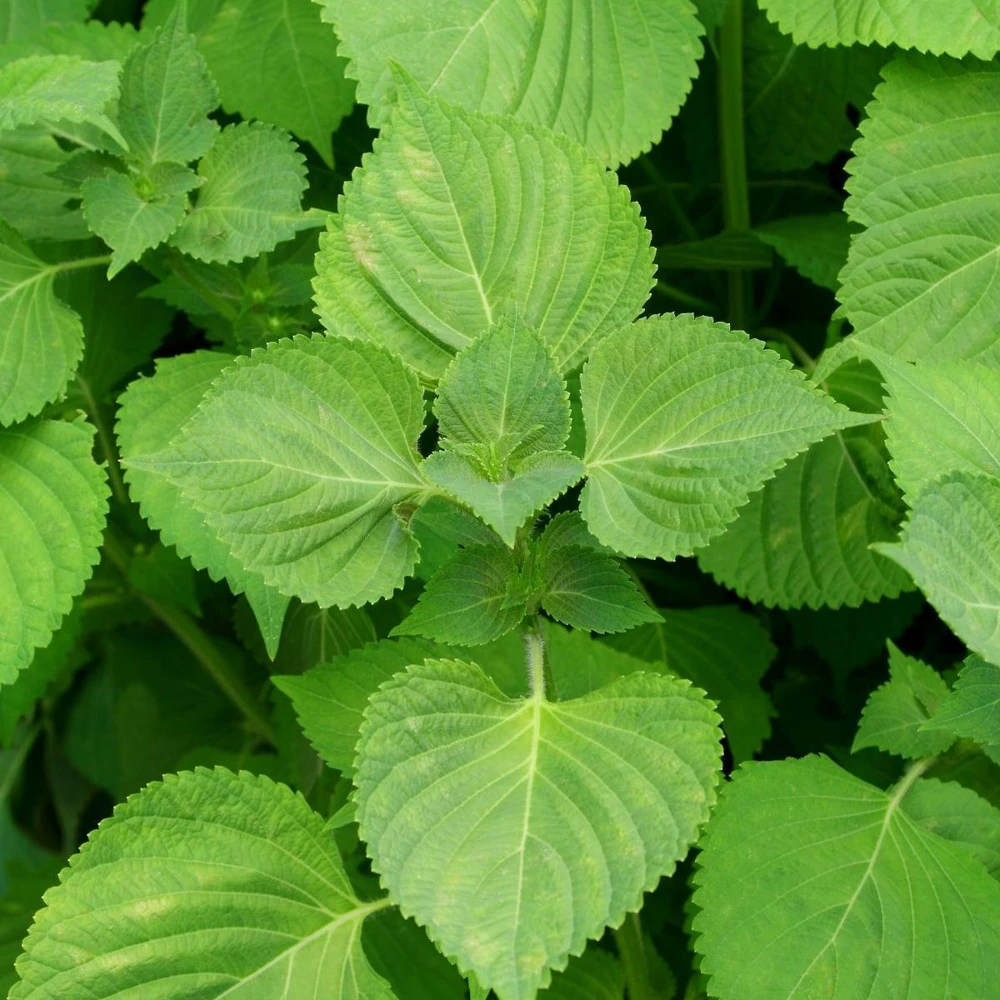
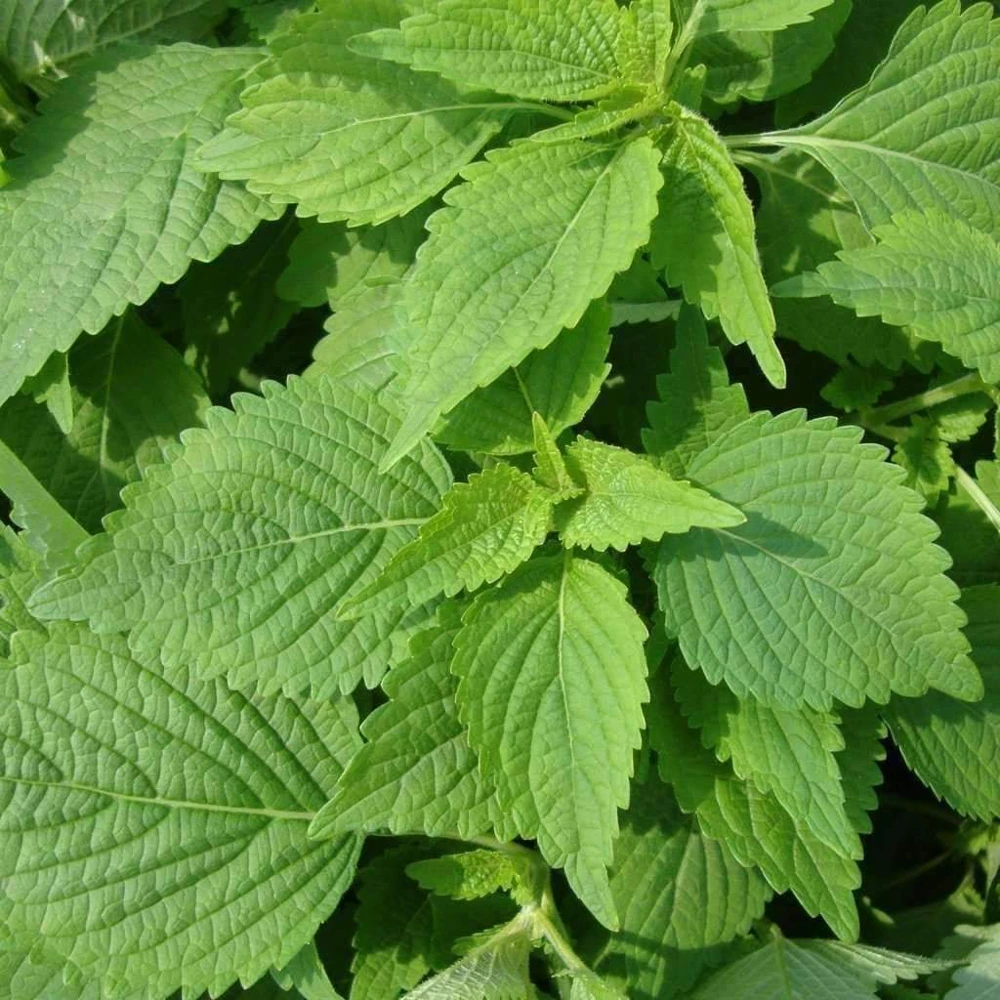
Green Shiso Seeds – Perilla, Beefsteak Plant, Korean Basil – Aromatic Herb
From 11.13 $
Cultivate your own flavorful green shiso seeds, also known as perilla seeds or Korean Basil. These aromatic herb seeds are perfect for adding unique flavor to various cuisines, thriving both indoors and outdoors with easy care.
Estimated arrival
Sep 19
Sep 24 - Sep 26
Sep 26 - Oct 01
See our Shipping Policy.
Get in touch with us via email, and our team will review your concerns.
Our Alive & Thrive Guarantee covers issues with your plants within the first 30 days. Read our Refund & Returns Policy.
-
USDA Hardiness Zone
Zones 3-12 (Annual) -
Soil Type
Well-Draining, Loamy -
Sunlight Exposure
Full Sun, Partial Shade -
Expected Planting Period
Spring to Summer
Overview
Discover the joy of cultivating your own aromatic herbs with these premium green shiso seeds. Also known by several common names such as Perilla, Beefsteak Plant, and Korean Basil, this versatile herb (Perilla frutescens) is a must-have for any culinary enthusiast or home gardener. Native to East Asia, shiso is celebrated for its distinctive flavor profile, often described as a blend of mint, basil, cumin, and cilantro, with a slightly peppery finish. Whether you’re a seasoned gardener or just starting out, growing shiso from seed is a rewarding experience, providing you with fresh, flavorful leaves for a variety of dishes. These seeds promise vigorous growth, producing lush green foliage perfect for garnishing, cooking, and adding a unique touch to your garden.
Our perilla seeds are selected for their viability and quality, ensuring a high success rate when planted correctly. This herb is not only a culinary delight but also adds an attractive texture to garden beds or indoor containers. Its clumping growth habit and serrated leaves make it an interesting ornamental plant as well. Experience the satisfaction of harvesting your own fresh shiso leaves, knowing exactly where your food comes from.
Key Benefits
Cultivating green shiso seeds offers a multitude of benefits, from enhancing your culinary creations to enriching your garden space. These seeds provide an opportunity to grow a unique and versatile herb right at home.
- Culinary Versatility: Shiso leaves are a staple in Japanese, Korean, and other Asian cuisines. Use them to wrap sushi, flavor salads, garnish dishes, or even make refreshing drinks. The distinct flavor of korean basil seeds grown into mature plants will elevate your cooking to new heights.
- Aromatic & Flavorful: The strong, aromatic scent and complex flavor of shiso make it a standout herb. The leaves are rich in essential oils, providing a fresh, herbaceous, and slightly spicy taste that is truly unique.
- Easy to Grow: These seeds are rated as ‘Easy’ for cultivating difficulty, making them suitable for beginners and experienced gardeners alike. With basic care, you can expect a bountiful harvest of fresh leaves. This makes growing shiso accessible to everyone.
- Attractive Foliage: Beyond its culinary uses, the vibrant green, serrated leaves of the Beefsteak Plant are highly ornamental. It adds visual interest to herb gardens, raised beds, or even as a potted plant indoors.
- Adaptable to Various Climates: While thriving in subtropical and temperate climates, shiso can be grown as an annual in many USDA zones, making it a flexible choice for diverse gardening environments.
- Indoor & Outdoor Growth: Whether you have a spacious garden or just a sunny windowsill, green shiso seeds can be successfully grown both indoors and outdoors, providing fresh herbs year-round.
- Year-Round Interest: With proper care, shiso can provide fresh leaves from spring through summer and into fall, ensuring a continuous supply of this delightful herb for your kitchen.
Plant Care & Growing Tips
To ensure your green shiso seeds flourish into healthy, productive plants, follow these essential care and growing tips. Shiso is relatively easy to care for, but providing the right conditions will maximize your harvest.
Sunlight Requirements: Shiso prefers a location with full sun to partial shade. In hotter climates, partial shade during the hottest part of the day can prevent leaf scorch. Aim for at least 4-6 hours of direct sunlight daily for optimal growth and flavor development. If growing indoors, place your pots near a south-facing window or under grow lights to ensure adequate light exposure for your perilla seeds.
Watering & Soil: Maintain consistently moist soil, but avoid waterlogging. Water thoroughly when the top inch of soil feels dry to the touch. Well-draining, loamy soil with a pH between 5.0 and 6.5 is ideal. Good drainage is crucial to prevent root rot. If planting in containers, use a high-quality potting mix. Regular watering is key, especially during dry spells, to keep your beefsteak plant seeds developing into vibrant plants.
Temperature & Hardiness: Shiso is an annual plant in most climates, typically thriving in USDA Hardiness Zones 3-12 during its growing season. It prefers warm temperatures and is sensitive to frost. Plant seeds after the last spring frost when soil temperatures have warmed. For continuous harvest, succession planting every few weeks is recommended. This ensures you always have fresh korean basil seeds maturing throughout the season.
Fertilization & Pests: Shiso generally doesn’t require heavy fertilization. A balanced, organic liquid fertilizer applied every 4-6 weeks during the growing season can promote lush growth. Watch out for common garden pests like aphids or spider mites; treat with organic insecticidal soap if necessary. Good air circulation also helps prevent fungal diseases. Consistent care will ensure successful growing shiso and a healthy harvest.
Size & Details
These green shiso seeds will grow into robust plants with a clumping growth habit, typically reaching a mature height of 18-36 inches (45-90 cm) and a similar spread, depending on growing conditions and cultivation. The plants are annuals, completing their life cycle within one growing season, but will readily self-seed if left to flower, providing new plants for the following year. Each seed packet contains a generous quantity of viable perilla seeds, allowing for multiple plantings or a large harvest.
The leaves are medium green with distinctive serrated edges, providing a beautiful texture in the garden. Expect to begin harvesting leaves approximately 60-70 days after planting. The seeds are suitable for direct sowing outdoors after the last frost or can be started indoors 4-6 weeks before the last frost for an earlier harvest. This flexibility makes beefsteak plant seeds a great choice for various gardening schedules.
Frequently Asked Questions
- Q: How big does this plant get? A: Your green shiso seeds will grow into plants that typically reach 18-36 inches tall and wide, forming a nice clumping habit. The size can vary slightly based on growing conditions and care.
- Q: Is this an indoor or outdoor plant? A: Shiso is versatile and can be grown successfully both indoors and outdoors. For outdoor cultivation, ensure it’s planted after the last frost. Indoors, provide a sunny location.
- Q: How much sunlight does it need? A: For best results, shiso requires full sun to partial shade, ideally receiving at least 4-6 hours of direct sunlight per day. In very hot climates, partial afternoon shade is beneficial.
- Q: Is this plant easy to care for? A: Yes, these perilla seeds are rated as ‘Easy’ to cultivate. They require consistent moisture, good drainage, and adequate sunlight, making them suitable for gardeners of all experience levels.
- Q: What condition will the seeds arrive in? A: Your order will contain high-quality, viable green shiso seeds packaged to ensure their freshness and readiness for planting. We ensure careful handling for optimal germination.
- Q: Can I use shiso in cooking? A: Absolutely! Shiso, also known as korean basil seeds, is a popular culinary herb. Its leaves are excellent in salads, sushi, stir-fries, and as a garnish, offering a unique, aromatic flavor.
- Q: When is the best time to plant these seeds? A: For outdoor planting, sow the seeds after the last spring frost. For an earlier start, you can begin germinating your beefsteak plant seeds indoors 4-6 weeks before the last expected frost date.
- Q: What USDA Hardiness Zones are suitable for growing shiso? A: Shiso is typically grown as an annual in USDA Hardiness Zones 3-12. It thrives in warm weather and is sensitive to frost, so ensure planting occurs when temperatures are consistently above freezing.
- Q: What kind of soil does shiso prefer? A: Shiso thrives in well-draining, loamy soil with a slightly acidic to neutral pH (5.0-6.5). Good drainage is essential to prevent waterlogged roots.
- Q: How long until I can harvest the leaves after planting? A: You can typically begin harvesting the first tender leaves from your green shiso seeds approximately 60-70 days after planting, allowing the plant to establish itself well.
| Seed Amount | 14K Seeds Or 1 Oz, 175 Seeds, 1750 Seeds Or 1/8 Oz, 28K Seeds Or 2 Oz, 350 Seeds, 3500 Seeds Or 1/4 Oz, 700 Seeds, 7000 Seeds Or 1/2 Oz |
|---|
Be the first to review “Green Shiso Seeds – Perilla, Beefsteak Plant, Korean Basil – Aromatic Herb”
Related products


Herb Seeds
500 English Lavender Vera Seeds – Lavandula Angustifolia – Fragrant Purple Flower Herb – Outdoor


You May Like
5 Best Bulbs for Fall Planting: Brighten Your Garden This Spring
Are you dreaming of a garden full of vibrant colors in the spring? The key [...]
Aug
How to Repot Houseplants Like a Pro
Do your houseplants look like they’ve outgrown their pots? Are their roots popping out of [...]
Aug
10 Houseplants That Will Thrive in Your Kitchen
Are you tired of your kitchen feeling dull and lifeless? Want to add a little [...]
Aug
Reviews
There are no reviews yet.