
Crosby’s Egyptian Beet Seeds – German Heirloom Flat Red Beet Seeds
From 10.77 $
Cultivate your garden with Crosby’s Egyptian Beet Seeds, a prized German heirloom beet seeds variety. These flat beet seeds produce sweet, tender, deep red beet seeds perfect for a variety of culinary uses. Known for being easy to grow beet seeds, they thrive in most garden settings, offering a bountiful harvest for both roots and greens.
Estimated arrival
Sep 19
Sep 24 - Sep 26
Sep 26 - Oct 01
See our Shipping Policy.
Get in touch with us via email, and our team will review your concerns.
Our Alive & Thrive Guarantee covers issues with your plants within the first 30 days. Read our Refund & Returns Policy.
-
USDA Hardiness Zone
Zones 2-12 -
Soil Type
Clay, Loam, Peat, Sand (well-draining) -
Sunlight Exposure
Full Sun, Partial Shade -
Expected Planting Period
Spring, Summer, Fall (depending on climate)
Overview
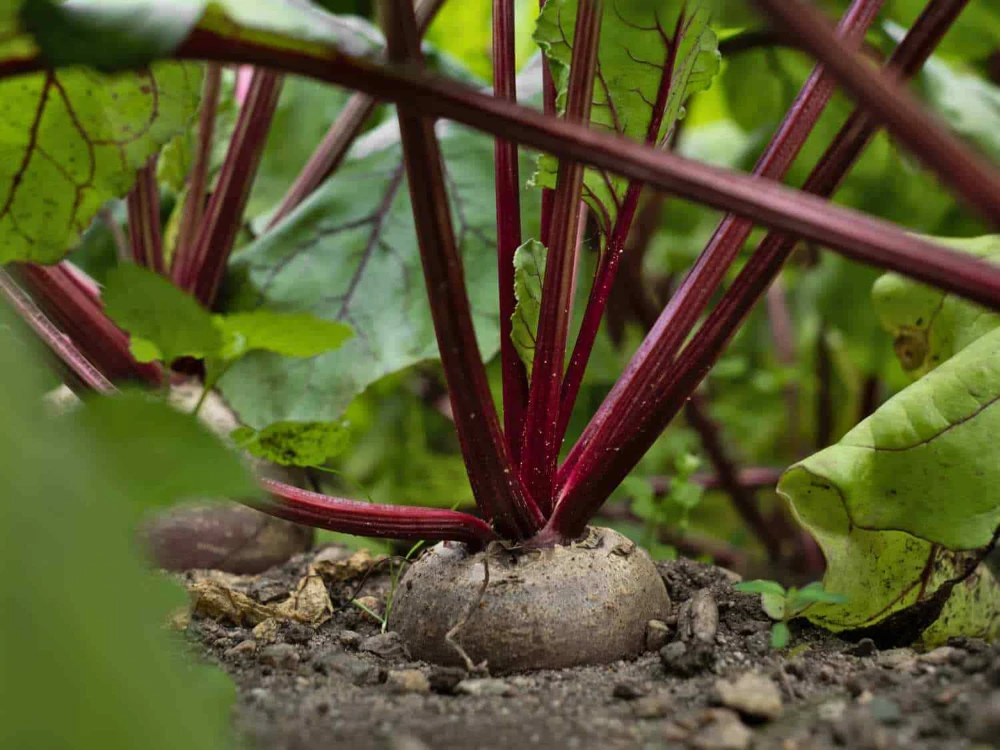
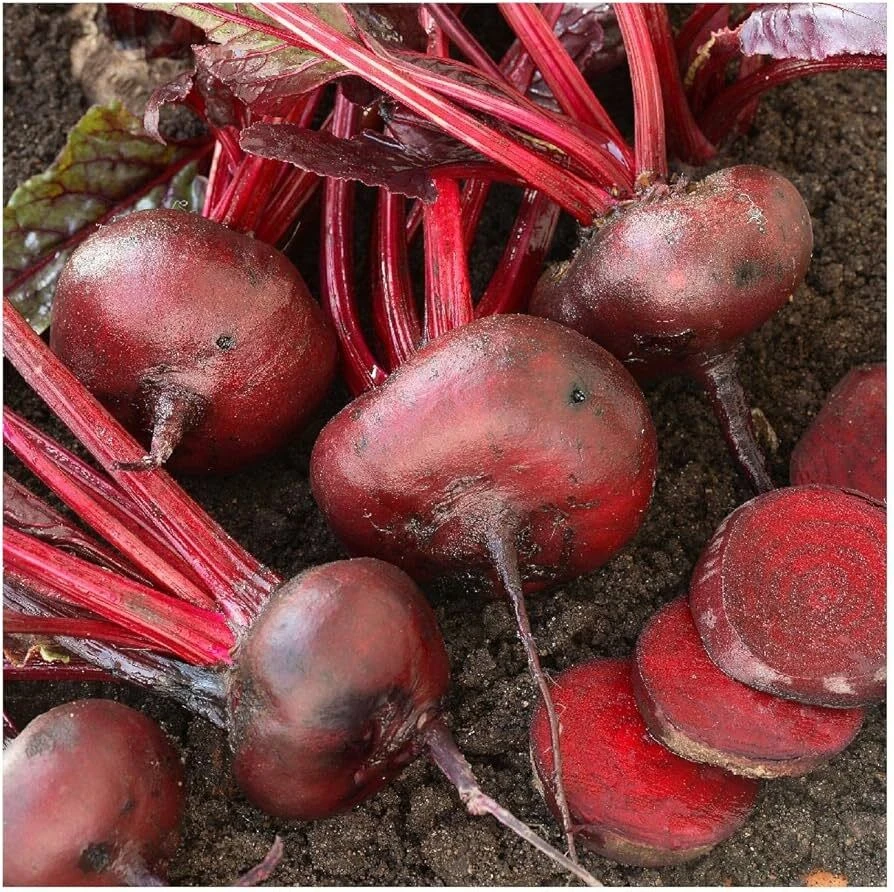
Discover the rich heritage and exceptional flavor of Crosby’s Egyptian Beet Seeds. This classic German heirloom beet seeds variety is renowned for its unique flat-globe shape and deep red color, making it a standout in any garden. Originating from the late 19th century, these beets are celebrated not only for their striking appearance but also for their sweet, tender flesh, which is perfect for roasting, boiling, pickling, or enjoying fresh in salads. Whether you’re a seasoned gardener or just starting out, these flat beet seeds offer a rewarding growing experience, yielding both delicious roots and nutritious beet greens. The Beta vulgaris species is known for its versatility and health benefits, and this particular heirloom variety brings a touch of gardening history to your home.
Cultivating Crosby’s Egyptian Beet Seeds means embracing a tradition of quality and flavor. These seeds are an excellent choice for home gardeners looking to grow a reliable and productive beet crop. The plants are vigorous and relatively quick to mature, ensuring you won’t have to wait long to enjoy your harvest. Their adaptability to various climates and soil types makes them a resilient option, providing a consistent yield of beautiful, flavorful beets. Enjoy the satisfaction of growing your own food with these dependable and delicious heirloom seeds.
Key Benefits
Choosing Crosby’s Egyptian Beet Seeds for your garden brings a multitude of benefits, from their delightful taste to their ease of cultivation. These red beet seeds are a fantastic addition to any vegetable patch.
- Exceptional Flavor and Texture: These beets are prized for their sweet, earthy flavor and tender, non-fibrous texture, even when mature. They are less prone to developing woody cores than some other varieties, ensuring a pleasant eating experience.
- Unique Flat-Globe Shape: The distinctive flat-globe shape of the Crosby’s Egyptian beet makes them easy to slice and prepare, adding an interesting visual element to your dishes. This unique form is a hallmark of this particular German heirloom beet seeds.
- Versatile Culinary Use: Perfect for a wide range of culinary applications, from roasting and pickling to juicing and fresh salads. Both the roots and the young leaves (beet greens) are edible and highly nutritious.
- High Yielding and Reliable: Known for their vigorous growth and consistent production, these easy to grow beet seeds offer a generous harvest, providing plenty of beets for your family throughout the growing season.
- Nutrient-Rich: Beets are packed with essential vitamins and minerals, including folate, manganese, potassium, and Vitamin C, contributing to a healthy diet. Growing your own ensures the freshest, most nutrient-dense produce.
- Adaptable to Various Climates: This robust variety can thrive in a broad range of USDA hardiness zones, making it a suitable choice for many gardeners across the United States.
Plant Care & Growing Tips
Growing Crosby’s Egyptian Beet Seeds is a straightforward and rewarding process, especially given their reputation as easy to grow beet seeds. To ensure a successful harvest, proper care and attention to their specific needs are important. Beets prefer a location with full sun to partial shade, meaning at least 6 hours of direct sunlight per day, but they can tolerate some afternoon shade, especially in hotter climates. This helps prevent bolting and keeps the roots tender. For optimal growth, plant your Crosby’s Egyptian Beet Seeds in well-draining soil that is rich in organic matter. A soil pH between 6.5 and 7.0 is ideal. Amend heavy clay soils with compost or sand to improve drainage, and add organic material to sandy soils to improve water retention and nutrient availability.
Sow seeds directly into the garden about 1/2 inch deep and 1-2 inches apart in rows 12-18 inches apart. Once seedlings emerge, thin them to 3-4 inches apart to allow the roots ample space to develop. Consistent watering is crucial for tender, sweet beets; aim for medium watering, keeping the soil consistently moist but not waterlogged. Avoid allowing the soil to dry out completely, as this can lead to tough, woody roots. Fertilize lightly with a balanced, organic fertilizer if your soil is poor, but avoid excessive nitrogen, which can promote leafy growth at the expense of root development. Protect young plants from pests like flea beetles and leaf miners, and harvest when roots reach your desired size, typically 2-3 inches in diameter. The leaves can also be harvested as greens when young and tender.
Size & Details
Our Crosby’s Egyptian Beet Seeds are packaged to provide a generous start to your garden. These flat beet seeds are an annual crop, meaning they complete their life cycle within one growing season. The plants typically grow to a height of about 12-18 inches, with roots maturing to a diameter of 2-3 inches. The leaves can be harvested at any stage for delicious beet greens. Expect to begin harvesting young roots and greens approximately 7-10 weeks after planting. This variety is known for its early maturity, allowing for successive plantings throughout the growing season in many regions. The roots are best harvested when young and tender for optimal flavor and texture. This heirloom variety, Beta vulgaris, thrives in USDA Hardiness Zones 2-12, demonstrating its wide adaptability across various climates.
Frequently Asked Questions
- Q: How big do Crosby’s Egyptian beets get? A: Crosby’s Egyptian Beet Seeds typically produce roots that mature to about 2-3 inches in diameter. You can harvest them smaller for very tender baby beets or allow them to grow to their full size, maintaining good texture and flavor.
- Q: Is this an indoor or outdoor plant? A: This variety is primarily grown outdoors in garden beds. While you could start seedlings indoors, the beets themselves require outdoor space to develop their roots properly. They are well-suited for traditional garden plots and raised beds.
- Q: How much sunlight do Crosby’s Egyptian beets need? A: These red beet seeds perform best with full sun, meaning at least 6 hours of direct sunlight per day. They can tolerate partial shade, especially in hotter climates, which can help prevent them from bolting too early.
- Q: Is this plant easy to care for? A: Yes, Crosby’s Egyptian Beet Seeds are considered very easy to cultivate. They are a great choice for beginner gardeners due to their robust nature and forgiving growth habits, making them truly easy to grow beet seeds.
- Q: When is the best time to plant Crosby’s Egyptian Beet Seeds? A: The best time to plant these seeds is in early spring for a summer harvest, or in late summer/early fall for a fall/winter harvest in regions with mild winters. Successive plantings every 2-3 weeks can ensure a continuous supply.
- Q: What soil type do these beets prefer? A: They prefer well-draining soil rich in organic matter. Clay, loam, peat, and sand are all suitable if amended to ensure good drainage and fertility. A soil pH between 6.5 and 7.0 is ideal.
- Q: Will Crosby’s Egyptian beets survive winter in my zone? A: While beets are generally annuals, in very mild climates (USDA Zones 9-12), they might be grown as a fall/winter crop. In colder zones, they will not survive hard freezes and should be harvested before winter.
- Q: Can I eat the leaves of these beets? A: Absolutely! The young leaves of Crosby’s Egyptian Beet Seeds are delicious and highly nutritious beet greens. They can be harvested and cooked like spinach or Swiss chard, or added fresh to salads.
- Q: How long until I can harvest the beets? A: You can typically start harvesting young beets and greens from your Crosby’s Egyptian Beet Seeds in about 7-10 weeks after planting. The exact timing depends on growing conditions and desired size.
- Q: What is the watering requirement for these beets? A: Beets require medium watering. It’s important to keep the soil consistently moist, but not waterlogged, to ensure tender roots. Irregular watering can lead to tough or cracked beets.
| Seed Amount | 125 Seeds, 13.5K Seeds Or 1/2 Lb, 1700 Seeds Or 1 Oz, 27K Seeds Or 1 Lb, 30 Seeds, 3400 Seeds Or 2 Oz, 60 Seeds, 6800 Seeds Or 1/4 Lb |
|---|
Be the first to review “Crosby’s Egyptian Beet Seeds – German Heirloom Flat Red Beet Seeds”
Related products


Vegetable Seeds
Tendersweet Carrot Seeds – 1500 Count, Deep Orange Red Vegetable


Vegetable Seeds
250 Barese Swiss Chard Seeds – Perpetual Spinach Beta Vulgaris Vegetable Seeds for Garden


Vegetable Seeds
Job’s Tears Seeds – Coix Lacryma Vegetable Seeds – 20 Count for Edible & Decorative Use


You May Like

5 Best Bulbs for Fall Planting: Brighten Your Garden This Spring
Are you dreaming of a garden full of vibrant colors in the spring? The key [...]
Aug
How to Repot Houseplants Like a Pro
Do your houseplants look like they’ve outgrown their pots? Are their roots popping out of [...]
Aug
10 Houseplants That Will Thrive in Your Kitchen
Are you tired of your kitchen feeling dull and lifeless? Want to add a little [...]
Aug
Reviews
There are no reviews yet.