
Blood Flower Seeds – Tropical Milkweed (Asclepias curassavica) – Orange/Red, Pollinator Magnet, Easy Grow
From 10.77 $
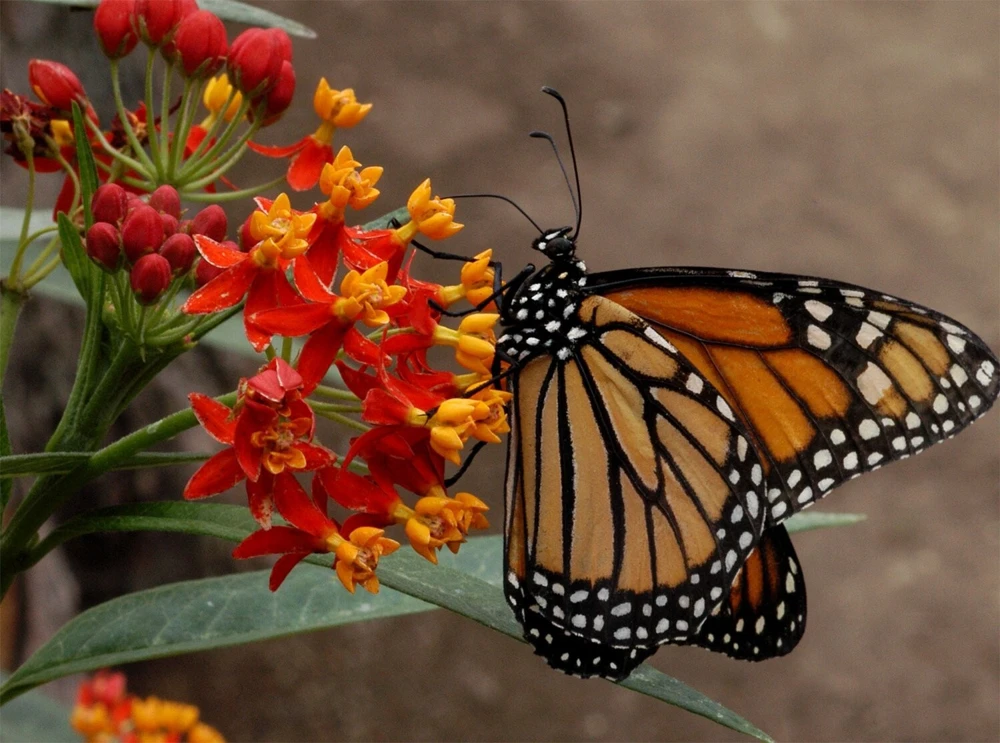
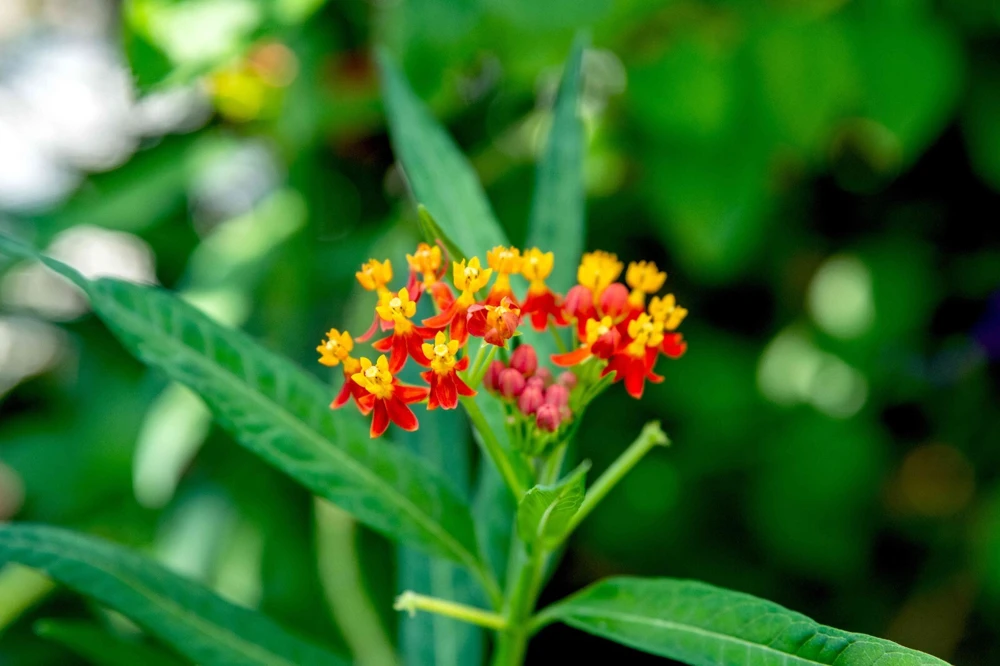
Cultivate beautiful and beneficial blood flower seeds (Asclepias curassavica), also known as tropical milkweed seeds. These vibrant orange and red flowers are a powerful pollinator magnet seeds, especially for monarch butterflies. Perfect for outdoor gardens, offering an easy grow flower seeds experience with an upright, bushy habit.
Estimated arrival
Sep 19
Sep 24 - Sep 26
Sep 26 - Oct 01
See our Shipping Policy.
Get in touch with us via email, and our team will review your concerns.
Our Alive & Thrive Guarantee covers issues with your plants within the first 30 days. Read our Refund & Returns Policy.
-
USDA Hardiness Zone
Zones 1-12 (perennial in 9-12, annual elsewhere) -
Soil Type
Loamy, Sandy, well-draining soil -
Sunlight Exposure
Full Sun -
Expected Planting Period
Spring to Summer
Overview
Transform your garden into a vibrant haven for pollinators with these premium blood flower seeds. Also widely known as tropical milkweed seeds or Mexican Butterfly Weed, these seeds will grow into stunning Asclepias curassavica plants, boasting brilliant orange and red blooms. This particular species, Indian Root, is renowned for its vigorous growth and ability to attract a wide array of beneficial insects, making it a must-have for any eco-conscious gardener. Whether you’re looking to support monarch butterflies, enhance your garden’s biodiversity, or simply enjoy a splash of tropical color, these seeds offer an exciting and rewarding gardening project. The plants typically exhibit an upright and bushy growth habit, providing continuous color and life throughout the growing seasons.
Originating from tropical and subtropical regions, Asclepias curassavica thrives in warm climates but can also be grown as an annual in cooler zones, making it a versatile choice for many gardeners. Its common name, Silkweed, hints at the silky texture of its seed pods. These tropical milkweed seeds are an excellent choice for creating a dynamic and visually appealing landscape that actively contributes to local ecosystems. Embrace the joy of gardening and the beauty of nature with these easy-to-cultivate seeds.
Key Benefits
Growing blood flower seeds offers a multitude of benefits, from ecological support to aesthetic enhancement, making them a valuable addition to any garden. These plants are incredibly versatile and bring life and color to outdoor spaces.
- Pollinator Attraction: As a strong pollinator magnet seeds, these flowers are particularly irresistible to monarch butterflies, providing essential nectar for their migration. They also attract other butterflies, bees, and hummingbirds, boosting your garden’s biodiversity.
- Vibrant & Long-Lasting Blooms: The striking orange and red flowers provide continuous color from spring through fall, ensuring your garden remains lively and appealing for extended periods. Their bright hues stand out beautifully against green foliage.
- Easy to Grow: Classified as ‘Easy’ in cultivating difficulty, these easy grow flower seeds are perfect for both novice and experienced gardeners. They require minimal fuss once established, allowing you to enjoy their beauty without extensive effort.
- Drought Tolerant: Once mature, Blood Flower plants show good resilience to periods of dryness, making them suitable for water-wise gardening. This reduces the need for frequent watering, saving time and resources.
- Versatile Landscaping: With an upright, bushy growth habit, these plants are ideal for borders, mass plantings, cottage gardens, and container gardening. They add structural interest and a tropical flair to any outdoor setting.
- Educational Value: Observing the lifecycle of monarch butterflies and other pollinators drawn to your asclepias curassavica seeds can be a fascinating and educational experience for families and children.
- Adaptable to Various Climates: While native to tropical regions, these plants adapt well to temperate and even arid/semiarid climates, growing as annuals where winters are too cold, extending their reach across many USDA Hardiness Zones.
Plant Care & Growing Tips
Successfully growing blood flower seeds into flourishing plants requires attention to a few key environmental factors. These plants thrive in conditions that mimic their native tropical habitat, but they are also quite adaptable. For optimal growth, ensure they receive ample sunlight. Asclepias curassavica seeds prefer full sun, meaning at least 6-8 hours of direct sunlight per day. In extremely hot climates, some afternoon shade can be beneficial to prevent scorching, but generally, the more sun, the better for abundant blooms and strong stems. Positioning them in a south-facing garden bed or an open area will yield the best results.
When it comes to watering, tropical milkweed seeds require medium watering. The soil should be kept consistently moist but not waterlogged during the germination and establishment phases. Once mature, these plants are moderately drought-tolerant, but regular watering during dry spells will encourage more prolific flowering. Allow the top inch or two of soil to dry out between waterings. Good drainage is crucial; they do not tolerate soggy feet. For soil type, a well-draining mix is essential. They prefer loamy or sandy soils with a pH between 6.0 and 7.5. Amending heavy clay soils with organic matter can improve drainage and aeration, creating an ideal environment for your pollinator magnet seeds to thrive. Fertilization is generally not heavily required, especially in rich soils. A balanced, slow-release fertilizer applied in spring can support vigorous growth and blooming.
The USDA Hardiness Zone for these plants ranges from 1-12, indicating their broad adaptability, though they are perennial in warmer zones (9-12) and typically grown as annuals elsewhere. Planting time is flexible, often taking 14-18 weeks from seed to bloom. They are quite robust, but monitoring for common garden pests like aphids can help maintain plant health. If you notice any issues, use organic pest control methods to protect the pollinators that will visit your easy grow flower seeds.
Size & Details
These blood flower seeds will mature into robust plants with an upright, bushy growth habit. The exact mature size can vary based on growing conditions and climate, but they typically reach heights of 2-3 feet and a similar spread, forming a dense and attractive clump. The vibrant orange and red flowers are produced continuously, providing a long season of interest from spring through fall. The seeds are ideal for direct sowing outdoors or starting indoors for an earlier bloom. Each packet contains a generous quantity of high-quality seeds, ensuring a successful planting experience. The plants are known for their medium watering needs and easy cultivating difficulty, making them accessible to gardeners of all skill levels. They are annuals in most climates, completing their life cycle in one season, but self-seed readily to return year after year.
The asclepias curassavica seeds are sourced from the United States, ensuring regional suitability and quality. They are best suited for outdoor cultivation, thriving in full sun exposures. These plants are a vital addition to any pollinator garden, especially for those interested in supporting monarch butterfly populations. Expect to see significant growth and flowering within 14-18 weeks after planting, transforming your garden into a colorful and bustling ecosystem.
Frequently Asked Questions
- Q: How big does this plant get? A: The blood flower seeds typically grow into plants that reach an upright, bushy height of 2-3 feet with a similar spread. Their mature size can depend on your local growing conditions and care.
- Q: Is this an indoor or outdoor plant? A: These are primarily outdoor plants, thriving in full sun. While they can be started indoors, they are best suited for garden beds, containers, or naturalized areas outside.
- Q: How much sunlight does it need? A: Tropical milkweed seeds require full sun, meaning at least 6-8 hours of direct sunlight daily, to produce the most abundant and vibrant blooms.
- Q: Is this plant easy to care for? A: Yes, the cultivating difficulty for these flowers is rated as ‘Easy’. They are relatively low-maintenance once established, making them a great choice for beginners and busy gardeners alike.
- Q: What condition will the seeds arrive in? A: You will receive a packet of high-quality, viable asclepias curassavica seeds ready for planting. They are carefully packaged to ensure their integrity during transit.
- Q: How long until it blooms? A: From the time of planting, you can typically expect your pollinator magnet seeds to begin flowering within 14-18 weeks, providing a beautiful display throughout the warmer months.
- Q: When is the best time to plant? A: The best time to plant is generally in the spring after the last frost, or in regions with long growing seasons, they can be planted through early summer.
- Q: Will it survive winter in my zone? A: In USDA Hardiness Zones 9-12, this plant is perennial. In colder zones (1-8), it is typically grown as an annual, completing its life cycle in one season but often self-seeding for the following year.
- Q: What’s the minimum temperature it can tolerate? A: As a tropical plant, it prefers warmer temperatures. It will not survive hard freezes, which is why it’s grown as an annual in cooler climates.
- Q: What type of soil do these easy grow flower seeds prefer? A: They thrive in well-draining soil, with loamy or sandy textures being ideal. A soil pH between 6.0 and 7.5 is also preferred for optimal growth.
| Seed Quantity | 10.5K Seeds Or 1 Oz, 1300 Seeds Or 1/8 Oz, 175 Seeds Or 1/2 Gram, 2650 Seeds Or 1/4 Oz, 375 Seeds Or 1 Gram, 5300 Seeds Or 1/2 Oz |
|---|
Be the first to review “Blood Flower Seeds – Tropical Milkweed (Asclepias curassavica) – Orange/Red, Pollinator Magnet, Easy Grow”
Related products


You May Like
5 Best Bulbs for Fall Planting: Brighten Your Garden This Spring
Are you dreaming of a garden full of vibrant colors in the spring? The key [...]
Aug
How to Repot Houseplants Like a Pro
Do your houseplants look like they’ve outgrown their pots? Are their roots popping out of [...]
Aug
10 Houseplants That Will Thrive in Your Kitchen
Are you tired of your kitchen feeling dull and lifeless? Want to add a little [...]
Aug
Reviews
There are no reviews yet.