
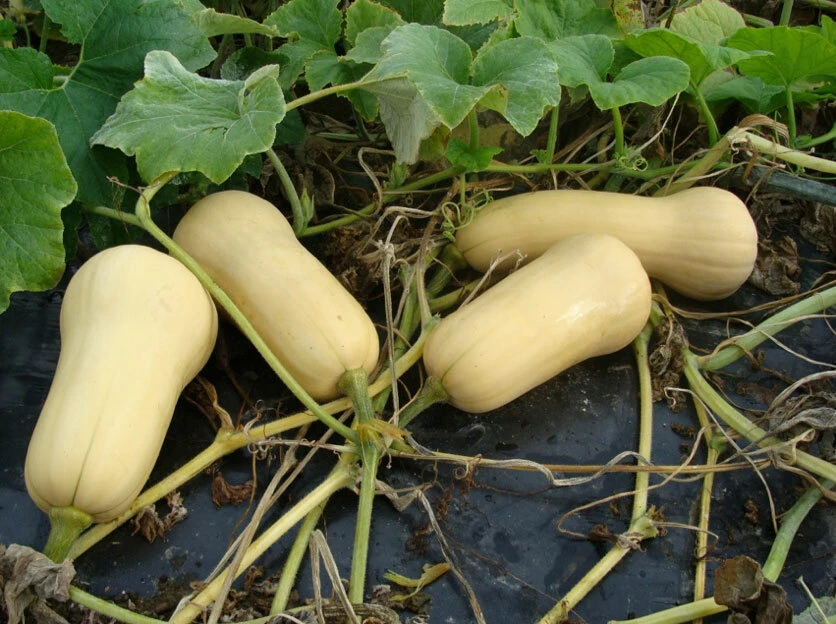
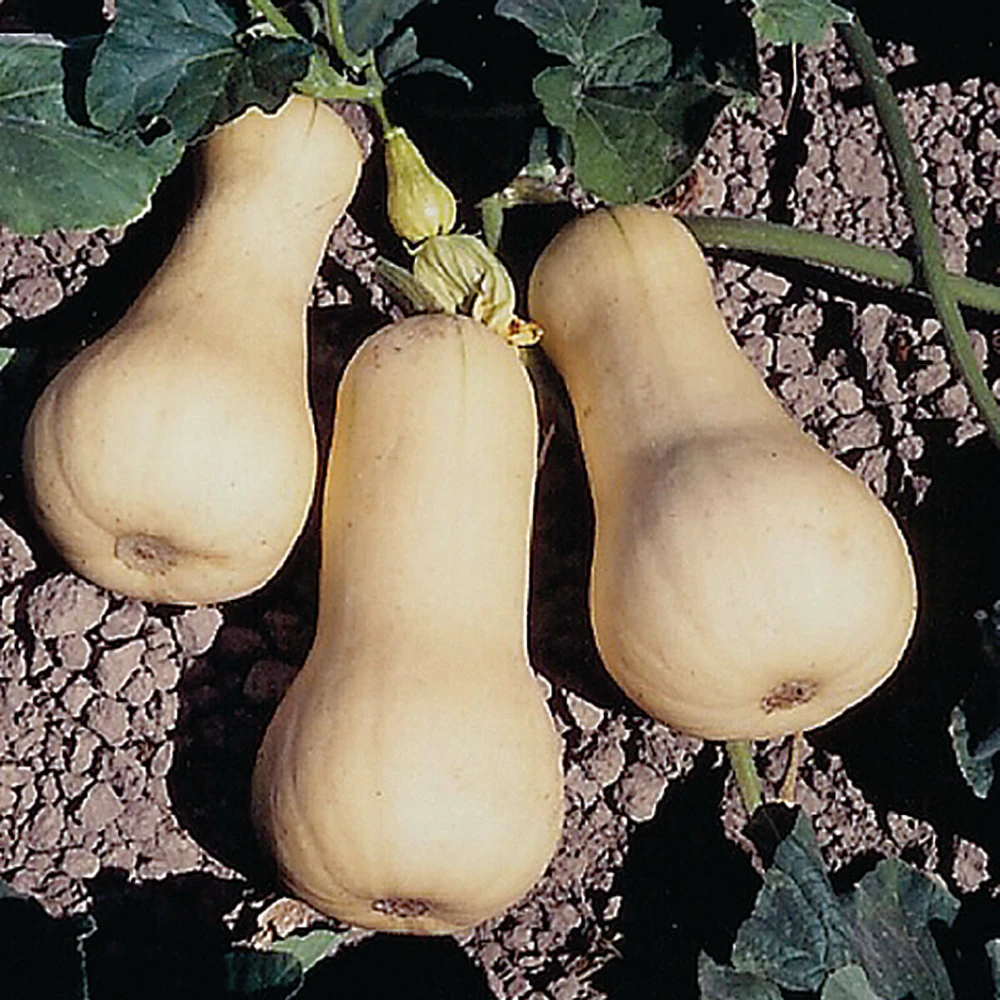
Waltham Butternut Winter Squash Seeds – Prolific, Pear Shaped, Outdoor
From 11.13 $
Cultivate your own savory winter squash with waltham butternut winter squash seeds. These pear-shaped, prolific seeds are ideal for outdoor gardens, offering an easy growing experience and delicious harvests. Enjoy the rich, sweet flavor of homegrown butternut squash.
Estimated arrival
Sep 19
Sep 24 - Sep 26
Sep 26 - Oct 01
See our Shipping Policy.
Get in touch with us via email, and our team will review your concerns.
Our Alive & Thrive Guarantee covers issues with your plants within the first 30 days. Read our Refund & Returns Policy.
-
USDA Hardiness Zone
Zones 3-12 -
Soil Type
Loam, Sand -
Sunlight Exposure
Full Sun -
Expected Planting Period
Late spring to early summer
Overview
Embark on a rewarding gardening journey with waltham butternut winter squash seeds. This classic, open-pollinated variety is renowned for its delicious, pear-shaped fruits with tan skin and vibrant orange flesh. Known for its excellent flavor and prolific yields, the Waltham Butternut is a favorite among home gardeners and culinary enthusiasts alike. These seeds promise a bountiful harvest of versatile squash, perfect for roasting, soups, purees, and more. Growing your own winter squash from seed offers the satisfaction of nurturing a plant from its very beginning, culminating in fresh, healthy produce right from your garden.
The Waltham Butternut squash, botanically classified as Cucurbita moschata, is a robust and vigorous climber, making it an excellent choice for gardens with vertical support or ample space for sprawling. Its adaptability to various climates, particularly sub-tropical and temperate zones, ensures a successful growing season for many. These waltham butternut winter squash seeds are an investment in future meals, providing a reliable and tasty crop that stores well through the colder months, extending your garden’s bounty.
Key Benefits
Choosing to grow waltham butternut winter squash seeds brings a multitude of advantages to your garden and kitchen. This variety is celebrated for its exceptional qualities that make it a standout choice:
- Superior Flavor and Texture: Waltham Butternut squash boasts a rich, sweet, and nutty flavor with a smooth, creamy texture when cooked, making it a culinary delight. Its versatility allows for a wide range of dishes, from savory to sweet.
- Prolific Yields: Gardeners can expect a generous harvest from these plants. The term ‘prolific’ truly applies here, ensuring you’ll have plenty of squash for fresh consumption, canning, or freezing. This makes growing butternut squash a highly efficient use of garden space.
- Excellent Storage Capabilities: One of the greatest benefits of winter squash is its ability to store for long periods. Waltham Butternut can be kept in a cool, dry place for several months, providing fresh produce well into winter.
- Easy to Cultivate: These seeds are known for their ‘Easy’ cultivating difficulty, making them suitable for both novice and experienced gardeners. With basic care, you can achieve a successful crop, proving that easy to grow squash seeds are within reach.
- Nutritional Value: Butternut squash is packed with vitamins, minerals, and fiber, particularly high in Vitamin A, making it a healthy addition to any diet. Enjoy nutritious meals straight from your garden.
- Adaptable to Various Climates: Thriving in USDA Hardiness Zones 3-12, this squash is remarkably adaptable, performing well in a broad range of sub-tropical and temperate conditions.
- Pest and Disease Resistance: While not entirely immune, Waltham Butternut tends to be more resilient to common squash pests and diseases compared to some other varieties, simplifying garden management.
Plant Care & Growing Tips
Successfully cultivating waltham butternut winter squash seeds requires attention to a few key growing conditions. These plants are annuals and thrive outdoors, preferring a long, warm growing season. Proper preparation and consistent care will lead to a successful harvest of delicious squash.
Sunlight and Soil: Waltham Butternut squash demands Full Sun, meaning at least 6-8 hours of direct sunlight per day. Choose a location in your garden that receives ample sun throughout the day. The ideal soil type is well-draining loam or sand, enriched with organic matter. A soil pH between 6.0 and 7.5 is optimal for healthy growth. Before planting, amend heavy clay soils with compost to improve drainage and aeration. Good drainage is crucial to prevent root rot.
Planting and Watering: The best time for planting winter squash seeds is after all danger of frost has passed and the soil has warmed, typically in late spring or early summer. Plant seeds directly into the garden about 1 inch deep and 3-4 feet apart in rows, or in ‘hills’ of 3-5 seeds spaced 4-6 feet apart. Once seedlings emerge, thin them to the strongest 2-3 plants per hill. Watering should be ‘Medium’, providing consistent moisture, especially during flowering and fruit development. Aim for about 1 inch of water per week, either from rainfall or irrigation. Avoid overhead watering to reduce the risk of fungal diseases; instead, water at the base of the plant.
Fertilization and Support: Butternut squash plants are heavy feeders. Incorporate a balanced slow-release fertilizer into the soil at planting time, or side-dress with compost once the plants begin to vine. Additional feeding with a balanced liquid fertilizer every 2-3 weeks can support vigorous growth and fruit production. As a ‘Climbing’ growth habit, these plants benefit greatly from trellises, fences, or other sturdy supports. Providing vertical support saves space, keeps the fruits off the ground, and can improve air circulation, reducing disease pressure. Regularly inspect your plants for common pests and diseases, addressing any issues promptly to ensure a healthy crop. This proactive approach is key to nurturing prolific squash varieties.
Size & Details
The Waltham Butternut Winter Squash plant is a vigorous climber, often producing vines that can reach 10-15 feet in length if left unsupported. Each plant yields multiple pear-shaped fruits, typically weighing between 2-5 pounds each. The mature squash will have a smooth, hard, tan rind and bright orange, sweet flesh. These waltham butternut winter squash seeds are shipped in a protective packet, ready for planting. From planting, it generally takes about 85-100 days for the squash to reach maturity, with harvesting usually occurring in late summer to fall before the first hard frost.
The squash is best harvested when the skin is hard and a uniform tan color. A good indicator of ripeness is when the stem begins to dry and turn brown. Once harvested, Waltham Butternut squash can be cured in a warm, sunny spot for about 10-14 days to further harden the skin and improve storage quality. They store exceptionally well in a cool, dry place, providing delicious sustenance throughout the colder months. This makes growing butternut squash a great way to extend your fresh produce supply.
Frequently Asked Questions
- Q: How big does Waltham Butternut squash get? A: Waltham Butternut squash typically grows to be pear-shaped and weighs between 2 to 5 pounds. The vines themselves can spread extensively, often reaching 10-15 feet in length, so plan for ample space or provide vertical support for these prolific squash varieties.
- Q: Is Waltham Butternut an indoor or outdoor plant? A: Waltham Butternut squash is an outdoor plant. It requires full sun and a long, warm growing season to produce fruit successfully. It is not suitable for indoor cultivation.
- Q: How much sunlight does Waltham Butternut squash need? A: This squash variety thrives in full sun, meaning it needs at least 6-8 hours of direct sunlight per day. Adequate sunlight is crucial for fruit development and flavor.
- Q: Is this plant easy to care for? A: Yes, Waltham Butternut squash is considered easy to cultivate, making it a great choice for gardeners of all experience levels. With proper sunlight, soil, and consistent watering, you’ll find planting winter squash seeds straightforward and rewarding.
- Q: How long until Waltham Butternut squash is ready for harvest? A: From the time of planting, Waltham Butternut squash typically takes about 85-100 days to reach maturity. Harvest usually occurs in late summer or early fall before the first hard frost.
- Q: What condition will the waltham butternut winter squash seeds arrive in? A: The seeds will arrive in a sealed packet, ensuring they are fresh and ready for planting. They are carefully packaged to maintain viability during transit.
- Q: When is the best time to plant Waltham Butternut squash seeds? A: The best time to plant these seeds is in late spring or early summer, after all danger of frost has passed and the soil temperature has warmed consistently. This allows for optimal germination and growth.
- Q: Will Waltham Butternut squash survive winter in my zone? A: Waltham Butternut squash is an annual plant, meaning it completes its life cycle in one growing season and will not survive winter. It is hardy in USDA Zones 3-12 during its growing season but dies back with frost.
- Q: What type of soil is best for growing butternut squash? A: Well-draining loam or sandy soil enriched with organic matter is ideal for Waltham Butternut squash. A soil pH between 6.0 and 7.5 is preferred for healthy plant development.
- Q: Can I save seeds from my Waltham Butternut squash? A: Yes, as an open-pollinated variety, you can save seeds from your Waltham Butternut squash for planting in subsequent seasons, provided they are not cross-pollinated with other squash varieties. This contributes to the sustainability of your garden and ensures you always have easy to grow squash seeds.
| Seed Quantity | 1200 Seeds Or 1/4 Lb, 20 Seeds, 2400 Seeds Or 1/2 Lb, 300 Seeds Or 1 Oz, 35 Seeds Or 1/8 Oz, 4800 Seeds Or 1 Lb, 600 Seeds Or 2 Oz, 75 Seeds Or 1/4 Oz |
|---|
Be the first to review “Waltham Butternut Winter Squash Seeds – Prolific, Pear Shaped, Outdoor”
Related products


Vegetable Seeds
Job’s Tears Seeds – Coix Lacryma Vegetable Seeds – 20 Count for Edible & Decorative Use


Vegetable Seeds
Tendercrisp Celery Seeds – 1000 Count Vegetable Seeds for Garden


You May Like
5 Best Bulbs for Fall Planting: Brighten Your Garden This Spring
Are you dreaming of a garden full of vibrant colors in the spring? The key [...]
Aug

How to Repot Houseplants Like a Pro
Do your houseplants look like they’ve outgrown their pots? Are their roots popping out of [...]
Aug
10 Houseplants That Will Thrive in Your Kitchen
Are you tired of your kitchen feeling dull and lifeless? Want to add a little [...]
Aug
Reviews
There are no reviews yet.