
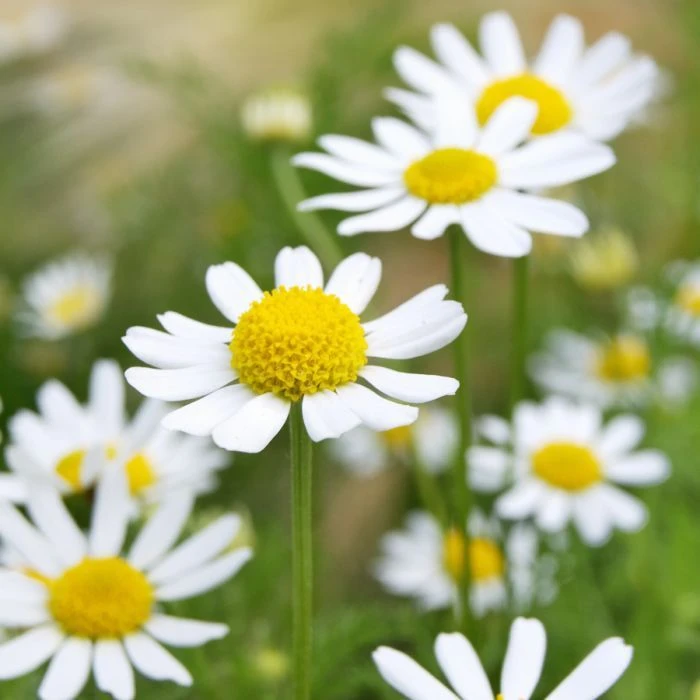
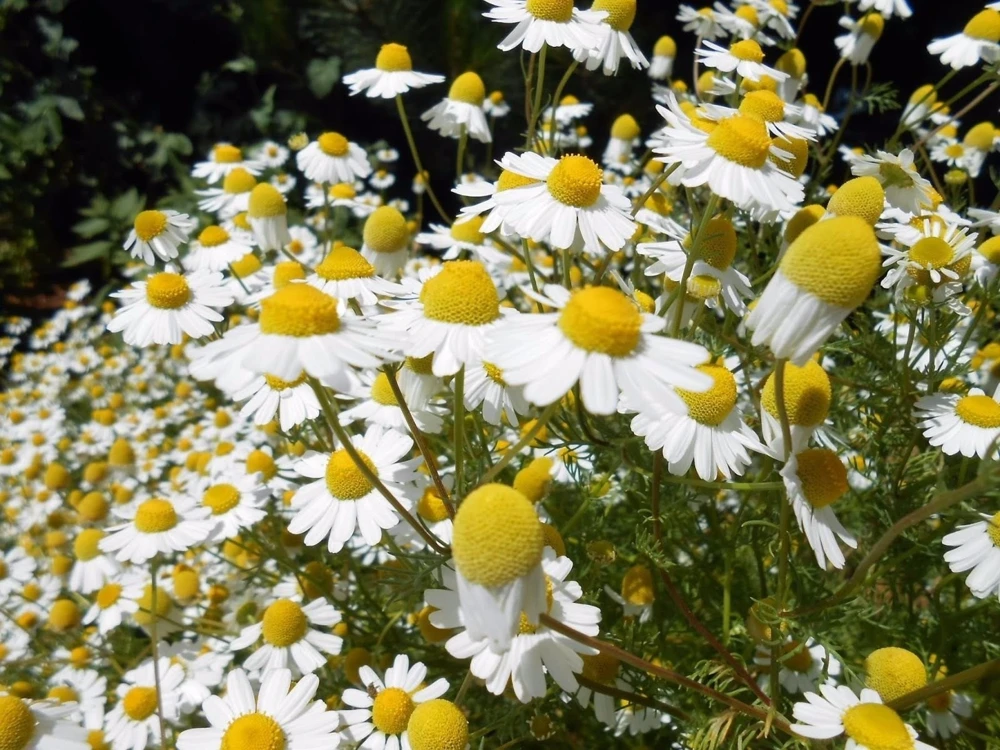
German Chamomile Seeds – Herbal Tea, Scented Mayweed – Outdoor
From 10.77 $
Cultivate your own relaxing herbal tea garden with german chamomile seeds. These easy-to-grow seeds produce fragrant white and yellow flowers, perfect for making calming chamomile tea. Ideal for outdoor planting and suitable for various climates.
Estimated arrival
Sep 18
Sep 23 - Sep 25
Sep 25 - Sep 30
See our Shipping Policy.
Get in touch with us via email, and our team will review your concerns.
Our Alive & Thrive Guarantee covers issues with your plants within the first 30 days. Read our Refund & Returns Policy.
-
USDA Hardiness Zone
Zones 3-12 -
Soil Type
Loam, Peat, Sand, Silt (Well-draining) -
Sunlight Exposure
Partial Shade, Full Sun -
Expected Planting Period
Spring to Early Summer
Overview
Embark on a rewarding gardening journey with our premium german chamomile seeds. Known scientifically as Matricaria recutita, German Chamomile is cherished for its delicate, apple-scented flowers, which are widely used to make a soothing herbal tea. These seeds offer an excellent opportunity to grow chamomile tea right in your own backyard, providing a fresh and organic source for your favorite calming beverage. German Chamomile is an annual plant that thrives outdoors, producing a profusion of small, daisy-like blossoms throughout the spring and summer seasons. Its lovely appearance and delightful fragrance make it a wonderful addition to any herb garden, cottage garden, or even in containers on a patio. The ease of cultivation also makes it a fantastic choice for both novice and experienced gardeners looking to enjoy the benefits of homegrown herbs.
Our german chamomile seeds are sourced to ensure high germination rates, giving you the best start for a successful harvest. This beloved herb is also commonly known as scented mayweed seeds due to its pleasant aroma and appearance. Beyond its culinary uses, German Chamomile contributes to a healthy garden ecosystem by attracting beneficial pollinators. It’s a versatile plant that adapts well to various soil types and sunlight conditions, making it a robust and reliable choice for many regions across the United States. Plant these seeds and watch your garden transform into a fragrant haven of tranquility.
Key Benefits
Growing German Chamomile from seed offers a multitude of benefits, from enhancing your garden’s beauty to providing a natural remedy. Here are some of the key advantages of cultivating this wonderful herb:
- Fresh Herbal Tea Source: With these german chamomile seeds, you can harvest fresh flowers to brew your own calming and delicious chamomile tea. Homegrown tea ensures you have a pure, organic supply free from commercial additives.
- Aromatic Garden Addition: The sweet, apple-like fragrance of German Chamomile flowers creates a delightful sensory experience in your garden. It’s perfect for planting near seating areas or windows where its scent can be enjoyed.
- Attracts Beneficial Pollinators: German Chamomile is a magnet for bees and other beneficial insects, contributing to the biodiversity and health of your garden. This natural pollination can also benefit other plants in your yard.
- Easy to Grow: Known for its resilience and adaptability, German Chamomile is considered an easy-to-grow plant, making it suitable for gardeners of all skill levels. It requires minimal fuss once established.
- Medicinal Properties: Chamomile is traditionally known for its calming and anti-inflammatory properties. Growing your own allows you to access these natural benefits directly.
- Versatile Use: Besides tea, the flowers can be used in potpourri, essential oils, or as a gentle garnish for desserts. The versatility of matricaria recutita seeds makes them a valuable addition to your garden.
- Continuous Blooms: German Chamomile provides a continuous flush of white and yellow blooms throughout its growing season, offering extended visual appeal and harvesting opportunities.
Plant Care & Growing Tips
Successfully growing German Chamomile from german chamomile seeds is a straightforward process, especially given its reputation as an easy-to-care-for herb. For optimal growth and prolific flowering, understanding its basic needs is key. German Chamomile thrives in a location that receives either full sun (at least 6 hours of direct sunlight daily) or partial shade (4-6 hours of direct sun, especially in hotter climates). In regions with intense summer heat, some afternoon shade can prevent the plant from wilting and prolong its blooming period. Ensure good air circulation to prevent fungal issues, particularly in humid environments.
When it comes to watering, German Chamomile prefers consistently moist soil but is also quite drought-tolerant once established. Water regularly, especially during dry spells, allowing the top inch of soil to dry out slightly between waterings. Avoid overwatering, which can lead to root rot. The ideal soil type for these easy to grow chamomile plants is well-draining, moderately fertile soil with a pH between 5.6 and 7.5, which includes loam, peat, sand, and silt. While it can tolerate poorer soils, amending with some compost before planting will encourage stronger growth. German Chamomile is an annual and can be planted from spring to early summer, thriving in USDA Hardiness Zones 3-12.
Fertilization is generally not heavily required for German Chamomile. If your soil is particularly poor, a light application of a balanced, all-purpose fertilizer at half strength during the early growth stage can be beneficial. Avoid excessive nitrogen, which can lead to lush foliage at the expense of flowers. Pinching back young plants can encourage bushier growth and more blooms. Harvesting the flowers regularly also promotes continuous blooming. Watch out for common pests like aphids, and treat with organic insecticidal soap if necessary. By following these simple guidelines, you’ll be well on your way to enjoying a bountiful harvest and learning how to grow chamomile tea successfully.
Size & Details
Our german chamomile seeds are designed for easy cultivation, leading to mature plants that typically reach a height of 12 to 24 inches (30 to 60 cm) and spread about 10 to 18 inches wide. These annual plants exhibit a lovely blooming growth habit, producing small, white, daisy-like flowers with bright yellow centers. The seeds are intended for outdoor planting and will establish themselves quickly, with flowering generally beginning about 8 weeks after planting. German Chamomile is known for its medium watering needs and its ability to flourish in a wide range of climates, from sub-tropical to temperate and tropical regions. The plant’s life cycle is annual, meaning it completes its growth, flowering, and seeding within one season.
The seeds are suitable for planting in various soil types including loam, peat, sand, and silt, provided they are well-draining. They prefer a soil pH between 5.6 and 7.5. Expect a season of interest that spans fall, spring, and summer, providing continuous beauty and harvest opportunities. The plants are robust and can tolerate both partial shade and full sun conditions. This particular species, Matricaria recutita, is renowned for its fragrant herbs, making it a delightful addition to any garden space. Cultivating these matricaria recutita seeds is considered easy, making them an excellent choice for beginners and experienced gardeners alike.
Frequently Asked Questions
- Q: How big does German Chamomile get? A: German Chamomile plants typically grow to a height of 12 to 24 inches (30 to 60 cm) and can spread about 10 to 18 inches wide. Its compact size makes it suitable for garden beds or containers.
- Q: Is this an indoor or outdoor plant? A: German Chamomile is primarily an outdoor plant. While it can be started indoors, it thrives best when grown directly in the garden or in outdoor pots. Our german chamomile seeds are optimized for outdoor cultivation.
- Q: How much sunlight does German Chamomile need? A: This plant prefers full sun, meaning at least 6 hours of direct sunlight per day. It can also tolerate partial shade, especially in hotter climates, which can help prolong its blooming season.
- Q: Is this plant easy to care for? A: Yes, German Chamomile is known for being an easy-to-care-for plant, making it a great choice for beginner gardeners. It’s quite resilient and adapts to various conditions. This makes learning how to grow chamomile tea relatively simple.
- Q: Can I use the flowers for tea? A: Absolutely! German Chamomile flowers are specifically cultivated for their use in herbal tea. Harvesting the fresh blooms to make your own calming chamomile tea is one of the main benefits of growing this plant.
- Q: When is the best time to plant German Chamomile seeds? A: The best time to plant scented mayweed seeds is in the spring after the last frost, or in early summer. In some mild climates, a fall planting can also be successful for an early spring bloom.
- Q: What USDA Hardiness Zones are suitable for German Chamomile? A: German Chamomile is very adaptable and thrives in USDA Hardiness Zones 3 through 12, covering a wide range of climates across the United States.
- Q: What kind of soil does German Chamomile prefer? A: German Chamomile prefers well-draining soil with a pH between 5.6 and 7.5. It can grow in various soil types including loam, peat, sand, and silt.
- Q: How often should I water my German Chamomile? A: Water regularly to keep the soil consistently moist, especially during dry periods. Allow the top inch of soil to dry out between waterings to prevent overwatering.
- Q: Does German Chamomile attract pollinators? A: Yes, German Chamomile flowers are highly attractive to bees and other beneficial pollinators, which can help improve the overall health and productivity of your garden.
| Seed Quantity | 14K Seeds Or 2 Gram, 200K Seeds Or 1 Oz, 25K Seeds Or 1/8 Oz, 3500 Seeds Or 1/2 Gram, 400K Seeds Or 2 Oz, 50K Seeds Or 1/4 Oz, 7000 Seeds Or 1 Gram, 800K Seeds Or 1/4 Lb |
|---|
Be the first to review “German Chamomile Seeds – Herbal Tea, Scented Mayweed – Outdoor”
Related products

Herb Seeds
500 English Lavender Vera Seeds – Lavandula Angustifolia – Fragrant Purple Flower Herb – Outdoor


You May Like
5 Best Bulbs for Fall Planting: Brighten Your Garden This Spring
Are you dreaming of a garden full of vibrant colors in the spring? The key [...]
Aug
How to Repot Houseplants Like a Pro
Do your houseplants look like they’ve outgrown their pots? Are their roots popping out of [...]
Aug
10 Houseplants That Will Thrive in Your Kitchen
Are you tired of your kitchen feeling dull and lifeless? Want to add a little [...]
Aug
Reviews
There are no reviews yet.