
Catnip Seeds – Nepeta Cataria Herb Seeds for Cats & Garden – Easy to Grow Perennial
From 10.77 $
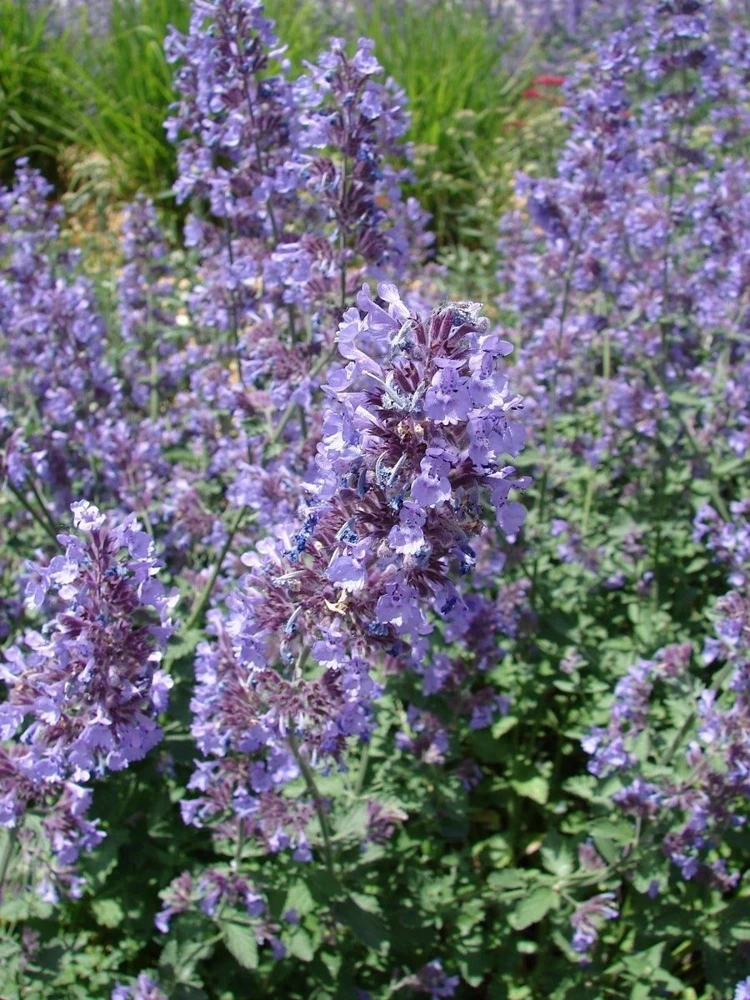
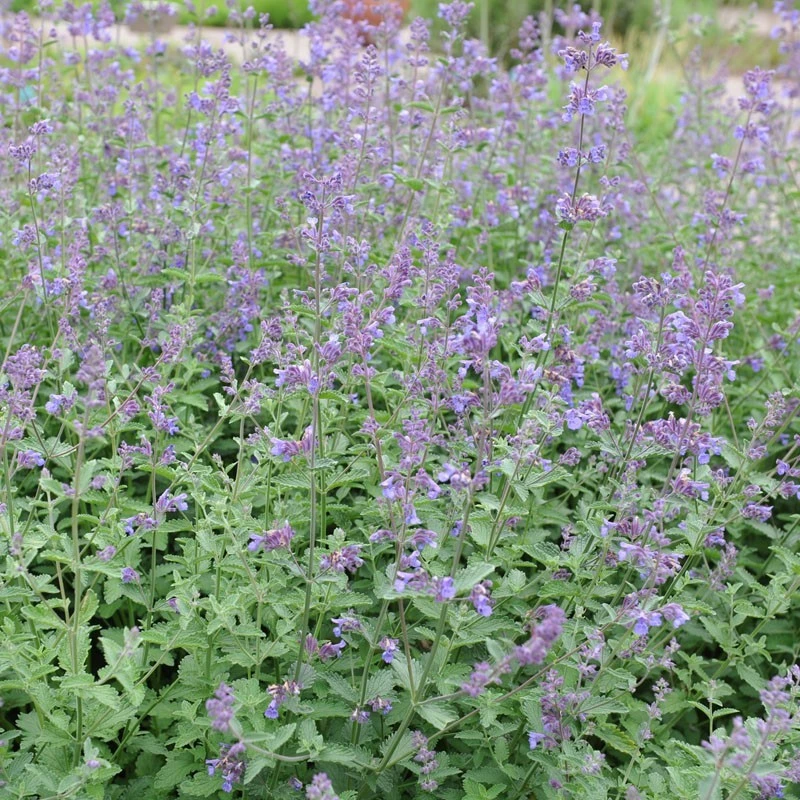
Cultivate your own supply of fresh catnip seeds with our high-quality Nepeta Cataria. These easy-to-grow perennial herb seeds are perfect for attracting and delighting your feline friends, or for use in herbal teas. Suitable for both indoor and outdoor gardening, they produce bushy, silvery-green plants that thrive in a variety of climates.
Estimated arrival
Sep 19
Sep 24 - Sep 26
Sep 26 - Oct 01
See our Shipping Policy.
Get in touch with us via email, and our team will review your concerns.
Our Alive & Thrive Guarantee covers issues with your plants within the first 30 days. Read our Refund & Returns Policy.
-
USDA Hardiness Zone
Zones 3-12 -
Soil Type
Clay, Loam, Peat, Sand (well-draining) -
Sunlight Exposure
Full Sun, Partial Shade -
Expected Planting Period
Spring (or year-round indoors)
Overview
Discover the joy of growing your own catnip seeds, the beloved herb known scientifically as Nepeta Cataria. These premium seeds offer an effortless way to cultivate fresh catnip plants, providing endless entertainment for your feline companions and a delightful aromatic addition to your garden or home. Often referred to as catmint, catwort, or field balm, this versatile perennial herb is cherished for its stimulating effect on cats, its attractive foliage, and its traditional use in herbal remedies and teas. Our high-quality Nepeta Cataria seeds promise robust growth, transforming into bushy, upright plants with distinctive gray to silvery-green leaves. Whether you’re an experienced gardener or just starting out, growing catnip from seed is a rewarding and simple process, suitable for a wide range of environments from USDA Zones 3-12.
Cultivating your own catnip ensures a fresh, organic supply, free from pesticides and chemicals often found in commercial products. Beyond its appeal to cats, catnip plants are also known to attract beneficial pollinators like bees and butterflies to your garden, contributing to a healthy ecosystem. The plant’s hardy nature and adaptability make it an excellent choice for various garden styles, from herb gardens to ornamental borders. Experience the satisfaction of nurturing this fascinating herb from seed to mature plant, and enjoy the many benefits it brings to both your pets and your garden.
Key Benefits
Growing your own catnip from seed offers a multitude of advantages, enhancing both your garden and the well-being of your beloved pets. These catnip seeds are not just for cat owners; they also contribute to a vibrant and healthy outdoor space:
- Delights Feline Friends: Catnip is renowned for its stimulating effect on cats, providing them with playful energy, relaxation, and enrichment. Growing your own ensures a fresh, potent supply for your pets.
- Easy to Grow Perennial: These seeds mature into resilient perennial plants, meaning they will return year after year with minimal effort, providing a continuous harvest of fresh catnip.
- Versatile Use: Beyond its appeal to cats, Nepeta Cataria can be used to make soothing herbal teas, known for their calming properties for humans. It’s a dual-purpose herb for both pets and people.
- Attracts Pollinators: The flowers of the catnip plant are a magnet for bees, butterflies, and other beneficial pollinators, helping to support local ecosystems and improve garden health.
- Low Maintenance: Catnip plants are incredibly forgiving and require minimal care once established. They are drought-tolerant and can thrive in a variety of soil conditions, making them ideal for busy gardeners.
- Aromatic and Ornamental: The silvery-green foliage and subtle lavender-like flowers add a pleasant visual and aromatic element to herb gardens, containers, or perennial borders.
- Pest Repellent: Some gardeners find that catnip can act as a natural deterrent for certain garden pests, helping to protect nearby plants without harsh chemicals.
Plant Care & Growing Tips
Cultivating catnip seeds is a straightforward process, making it an ideal project for gardeners of all experience levels. To ensure successful germination and vigorous growth, start your seeds indoors 6-8 weeks before the last frost date, or sow directly outdoors after all danger of frost has passed. Lightly cover the seeds with soil, as they require some light to germinate. Keep the soil consistently moist until seedlings emerge, which typically takes 7-14 days. Once seedlings are established, thin them to about 12-18 inches apart to allow for proper air circulation and growth. Providing the right conditions will ensure your catnip plant care is minimal and rewarding.
Catnip thrives in a location that receives full sun to partial shade, meaning at least 4-6 hours of direct sunlight daily. While adaptable, it prefers well-draining soil with a pH between 6.1 and 7.8. Sandy, loamy, clay, or peat-based soils are all suitable as long as they drain well to prevent root rot. Watering should be moderate; allow the soil to dry out slightly between waterings, as catnip is quite drought-tolerant once established. Overwatering is a common issue, so err on the side of underwatering. Catnip is a hardy perennial, thriving across a broad range of USDA Hardiness Zones 3-12, making it suitable for almost any climate. Fertilization is generally not necessary, especially in rich soil, but a light application of balanced fertilizer in spring can encourage more robust growth. Pruning back the plant after flowering can encourage a second flush of blooms and prevent it from becoming leggy. Watch out for overzealous cats who might try to roll in or eat your young plants!
Size & Details
These premium catnip seeds will grow into mature Nepeta Cataria plants that typically reach a height of 24-36 inches and spread about 18-24 inches wide, forming a bushy, upright growth habit. The foliage presents a distinctive gray to silvery-green color, with small, lavender-like flowers appearing in summer. Catnip is a perennial herb with a medium watering requirement and is known for its easy cultivating difficulty, making it perfect for beginners. The seeds are suitable for planting in a variety of soil types including clay, loam, peat, and sand, provided they offer good drainage. Expect continuous interest throughout fall, spring, summer, and winter in appropriate climates, as this perennial plant offers year-round appeal.
Each packet contains high-quality seeds ready for planting. The ideal planting time for robust growth is generally in spring, but indoor starts can be done earlier. From planting to a mature plant suitable for harvesting, it typically takes about 11 weeks. These plants are well-suited for both indoor and outdoor environments, making them versatile additions to herb gardens, container plantings, or as an attractive ground cover. They are known for their vigorous growth and ability to naturalize in suitable conditions, providing a steady supply of fresh catnip for your feline companions and for herbal uses.
Frequently Asked Questions
- Q: How big does a catnip plant get? A: A mature catnip plant typically grows to be about 24-36 inches (2-3 feet) tall and spreads about 18-24 inches wide, forming a dense, bushy mound. Its size can vary slightly depending on growing conditions and available space.
- Q: Is this an indoor or outdoor plant? A: Catnip is highly versatile and can be grown successfully both indoors and outdoors. For outdoor cultivation, it thrives in garden beds, while indoors, it does well in pots on a sunny windowsill.
- Q: How much sunlight do these catnip seeds need? A: Catnip prefers full sun to partial shade. Aim for at least 4-6 hours of direct sunlight per day for the best growth and most potent leaves. In very hot climates, some afternoon shade can be beneficial.
- Q: Is this plant easy to care for? A: Yes, catnip is considered very easy to care for, making it an excellent choice for beginner gardeners. It is drought-tolerant once established and not particularly fussy about soil type, as long as it drains well.
- Q: What condition will the seeds arrive in? A: Your Nepeta Cataria seeds will arrive in a sealed packet, ensuring their freshness and viability. They are ready for immediate planting upon arrival.
- Q: Can I use this catnip for herbal tea? A: Absolutely! Beyond delighting cats, catnip leaves can be harvested and dried to make a mild, calming herbal tea for human consumption, often used to aid relaxation and sleep.
- Q: When is the best time to plant catnip seeds? A: For outdoor planting, sow seeds directly after the last frost in spring. For a head start, you can begin seeds indoors 6-8 weeks before the last expected frost date.
- Q: Will it survive winter in my zone? A: Catnip is a hardy perennial and is well-suited for USDA Hardiness Zones 3-12. In these zones, it will typically die back in winter and regrow from the roots in spring.
- Q: What kind of soil does catnip prefer? A: Catnip is adaptable but thrives best in well-draining soil. It can grow in clay, loam, peat, or sandy soils, with a preferred pH range of 6.1-7.8. Good drainage is key to prevent root rot.
- Q: How long does it take for catnip seeds to germinate? A: Under optimal conditions (warmth and light), catnip seeds typically germinate within 7-14 days. Ensuring consistent moisture without waterlogging is important during this period.
| Seed Amount | 10K Seeds Or 1/4 Oz, 1250 Seeds, 160K Seeds Or 1/4 Lb, 300 Seeds, 320K Seeds Or 1/2 Lb, 40K Seeds Or 1 Oz, 5000 Seeds Or 1/8 Oz, 600 Seeds, 80K Seeds Or 2 Oz |
|---|
Be the first to review “Catnip Seeds – Nepeta Cataria Herb Seeds for Cats & Garden – Easy to Grow Perennial”
Related products


You May Like
5 Best Bulbs for Fall Planting: Brighten Your Garden This Spring
Are you dreaming of a garden full of vibrant colors in the spring? The key [...]
Aug
How to Repot Houseplants Like a Pro
Do your houseplants look like they’ve outgrown their pots? Are their roots popping out of [...]
Aug
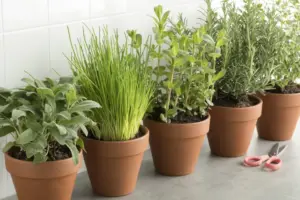
10 Houseplants That Will Thrive in Your Kitchen
Are you tired of your kitchen feeling dull and lifeless? Want to add a little [...]
Aug
Reviews
There are no reviews yet.